Choosing the right baby blanket is one of the most important decisions new parents make. A blanket isn't just for warmth; it's a comfort object, a nursery essential, and a key part of your baby's sleep environment. But with so many materials, weights, and styles available, how do you know which blanket is best for each season?
In this guide, we'll break down the best baby blankets for spring, summer, fall, and winter. We'll cover the pros and cons of popular materials like muslin, cotton, bamboo, and knitted fabrics. Plus, we'll share crucial safety tips to ensure your baby sleeps soundly and safely. Whether you're building your nursery registry or updating your stash, this seasonal blanket guide will help you make informed choices.
Why Seasonal Baby Blankets Matter
Babies have a harder time regulating their body temperature than adults. A blanket that's too heavy can cause overheating, while one that's too light may leave your little one chilly. That's why having a rotation of seasonal baby blankets is a smart strategy for parents. Each season brings different temperature and humidity levels, and your baby's bedding should adapt accordingly.
Beyond temperature regulation, the right blanket can also soothe your baby during naps and bedtime. Soft, breathable fabrics help create a cozy sleep environment. For example, a lightweight muslin blanket is perfect for warm summer nights, while a plush knitted blanket provides warmth and comfort during colder months. Investing in a few high-quality blankets designed for specific seasons will save you from constantly adjusting layers.
- Look for breathable fabrics like cotton or bamboo for warmer months.
- Choose thicker, insulating materials like fleece or wool for winter.
- Avoid heavy quilts or blankets with loose threads that could pose a safety risk.
Spring and Summer: Lightweight and Breathable Options
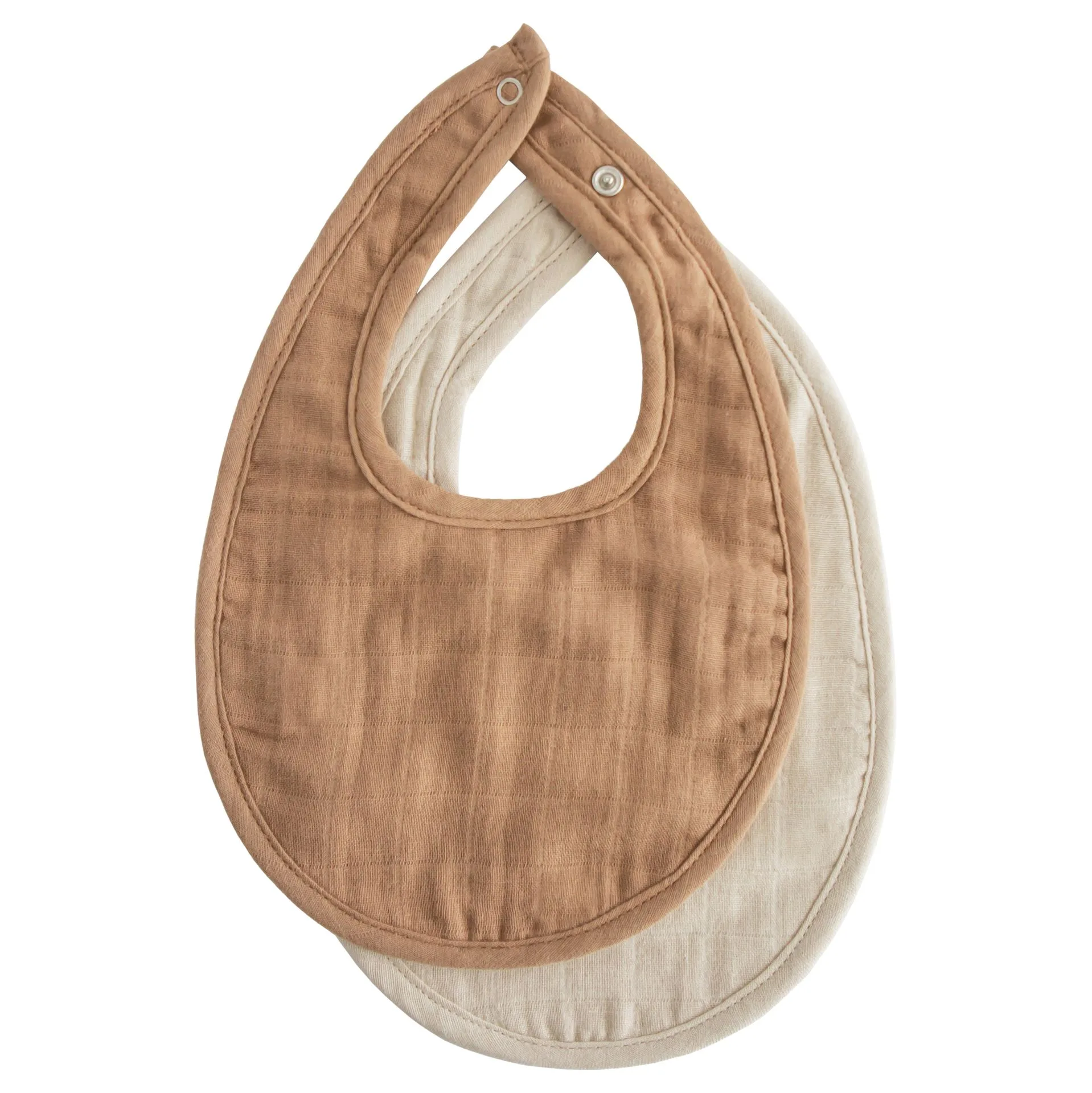
When temperatures rise, the last thing you want is a heavy blanket trapping heat. For spring and summer, prioritize lightweight, breathable materials. Muslin cotton is a top choice because it's airy, soft, and becomes even softer with each wash. A single-layer muslin blanket is ideal for swaddling or as a light cover during naps. You can also use it as a nursing cover or stroller shade, making it a versatile nursery essential.
Another excellent option for warmer weather is a bamboo-blend blanket. Bamboo fabric is naturally moisture-wicking and hypoallergenic, which helps prevent overheating and skin irritation. If you're looking for a multi-purpose item, consider the Multi-Use Cover from Mushie. It's made from breathable muslin and can be used as a blanket, burp cloth, or play mat. Its generous size makes it perfect for summer outings or as a lightweight layer in the crib.
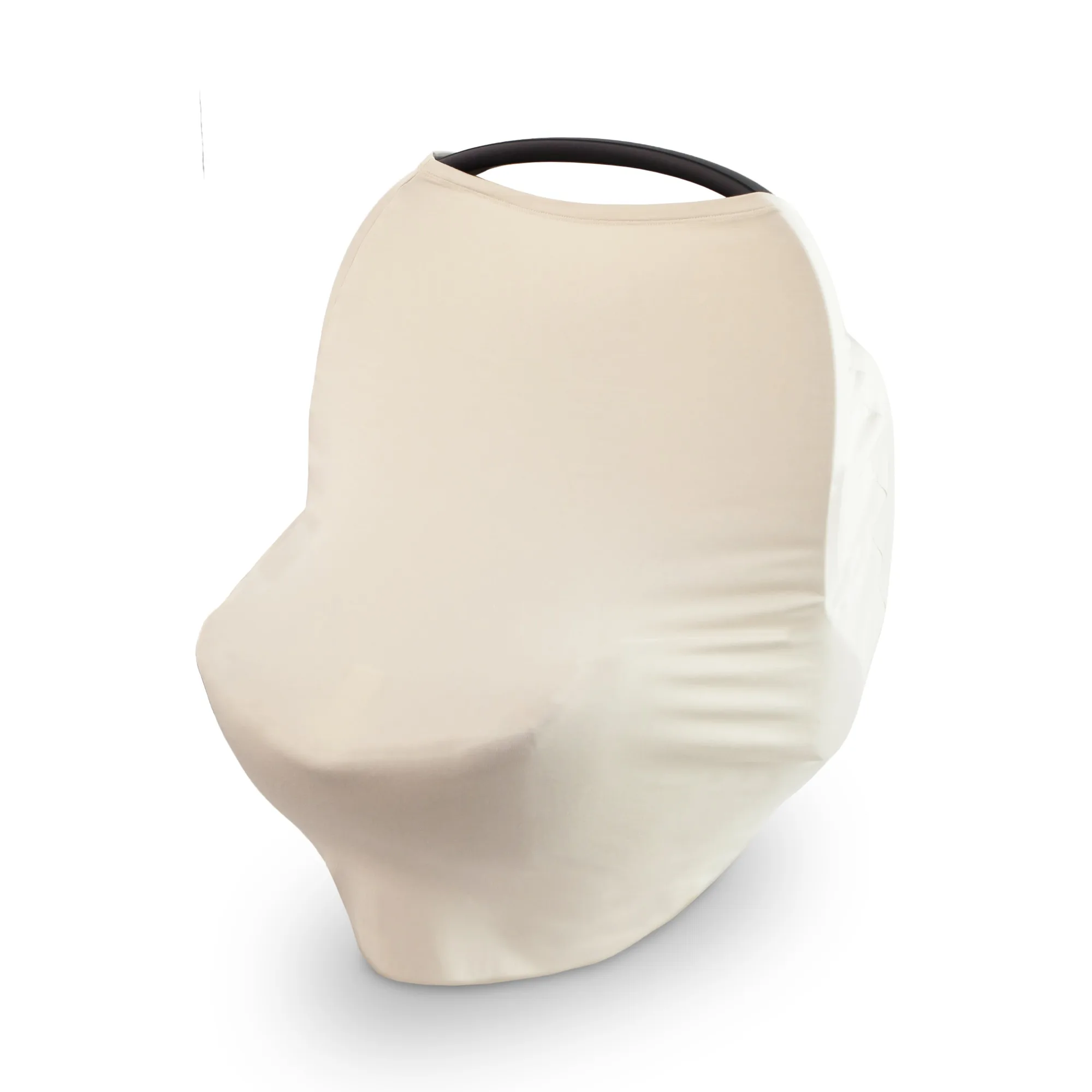
Multi-Use Cover
- Muslin cotton is lightweight, breathable, and perfect for swaddling.
- Bamboo blends offer moisture-wicking properties for hot sleepers.
- A multi-use cover like the Multi-Use Cover can replace several single-purpose items.
Fall and Winter: Warmth and Coziness
As the weather cools down, your baby will need blankets that provide warmth without being too bulky. Knitted blankets are a classic choice for fall and winter. They offer excellent insulation while still allowing some airflow. A chunky knitted blanket made from cotton or a cotton-acrylic blend is soft, durable, and adds a cozy touch to the nursery. Just ensure the knit is tight enough that little fingers can't get caught in the loops.
For extra warmth, consider a fleece or sherpa blanket. These materials trap body heat effectively and feel incredibly soft against baby's skin. However, always check that the blanket is not too heavy for your baby's age. The American Academy of Pediatrics recommends keeping loose bedding out of the crib for infants under 12 months. Instead, use a wearable blanket or sleep sack. For older toddlers, a lightweight knitted blanket can be a safe and comforting addition to their bed.
- Knitted blankets provide warmth with breathability for cooler months.
- Fleece and sherpa are ultra-soft but should be used with caution for infants.
- Always follow safe sleep guidelines: no loose blankets for babies under 12 months.
Safety Tips for Using Baby Blankets
Safety should always come first when choosing and using baby blankets. The American Academy of Pediatrics advises that the safest sleep environment for infants under 12 months is a firm mattress with a fitted sheet and no loose bedding, including blankets, pillows, or stuffed toys. To keep your baby warm without loose covers, use a wearable blanket or sleep sack. These are designed to fit snugly around the chest and arms, leaving the legs free to move.
Once your baby is over 12 months and can roll over independently, you can introduce a small, lightweight blanket. Look for blankets that are free from loose threads, ribbons, or embellishments that could become choking hazards. Always place your baby on their back to sleep, and ensure the blanket is tucked securely under the mattress at the foot of the crib, reaching only as high as your baby's chest. Regularly check the blanket for wear and tear, and wash it according to the manufacturer's instructions to keep it clean and safe.
- Use a sleep sack instead of a loose blanket for infants under 12 months.
- Choose blankets with tight weaves and no loose parts.
- Tuck the blanket securely at the foot of the crib, no higher than chest level.
How to Care for Your Baby Blankets
Proper care extends the life of your baby blankets and keeps them safe for your little one. Most cotton and muslin blankets can be machine washed in cold water and tumble dried on low heat. Avoid using fabric softeners or bleach, as these can irritate your baby's sensitive skin and reduce the fabric's breathability. For knitted blankets, hand washing or using a gentle cycle is recommended to prevent stretching or pilling.
Bamboo and fleece blankets also require gentle care. Wash them in cold water with a mild detergent and avoid high heat when drying. Always check the care label for specific instructions. If you're using a blanket that doubles as a play mat or nursing cover, like the Multi-Use Cover, you'll likely wash it more often. Having a few backups ensures you always have a clean, safe blanket on hand.
- Machine wash cotton and muslin in cold water, skip fabric softener.
- Hand wash knitted blankets to maintain their shape.
- Rotate blankets to reduce wear and always have a clean one ready.
Choosing the right baby blanket for each season doesn't have to be complicated. Focus on breathable materials for warm weather and cozy, insulating fabrics for cooler months, and always prioritize safety. For a versatile option that works year-round, consider the Multi-Use Cover from Mushie. It's lightweight, breathable, and perfect for swaddling, nursing, or as a play mat. Explore our collection of nursery essentials to find the perfect blankets for your little one's comfort and safety.