Teaching your little one to self-feed is a messy but rewarding milestone. The right baby plate-120862">plate-120861">plate-120857">plate can make all the difference—turning mealtime into a fun, independent experience rather than a frustrating battle. With so many options on the market, choosing the best baby plates for self-feeding can feel overwhelming. This guide breaks down everything you need to know: from suction strength and material safety to compartment design and ease of cleaning. Whether you're a first-time parent or looking to upgrade your toddler's dinnerware, we'll help you find the perfect plate that supports your child's development and simplifies your life.
In this comprehensive buying guide, we’ll explore the key features that make a baby plate effective for self-feeding, review top-rated products, and share practical tips for transitioning to independent eating. By the end, you'll have the confidence to select a plate that encourages your baby's motor skills, minimizes mess, and keeps mealtime happy.
Why the Right Baby Plate Matters for Self-Feeding
Self-feeding is a critical developmental step that helps babies build fine motor skills, hand-eye coordination, and a sense of independence. The right plate can support this process by making food easy to scoop, stay in place, and resist tipping. A poorly designed plate can lead to frustration, messes, and even mealtime refusal. That's why investing in a quality baby plate is one of the smartest decisions you can make for your toddler's feeding journey.
The best baby plates for self-feeding share common traits: they are made from safe, non-toxic materials, feature a strong suction base to prevent sliding, have divided sections to keep foods separate, and are easy for little hands to grip. Plates that are too shallow or too deep can make scooping difficult, while those without suction can end up on the floor. By prioritizing these features, you'll set your child up for success and reduce clean-up time.
- Look for plates with a strong suction base that sticks to highchair trays or tables.
- Choose divided compartments to prevent food mixing and encourage balanced eating.
- Opt for soft, flexible edges that are gentle on gums and easy to clean.
- Ensure the plate is dishwasher-safe for hassle-free maintenance.
Key Features to Look for in Baby Plates for Self-Feeding
When shopping for a baby plate, start with material. Silicone is widely considered the best choice because it is food-grade, BPA-free, and flexible. Silicone plates are also naturally non-slip, which helps keep them in place. Another popular option is melamine or bamboo, but these can be heavier and less forgiving if dropped. For safety, always choose plates that are free from harmful chemicals like BPA, PVC, and phthalates.
Suction is arguably the most important feature for self-feeding. A strong suction base prevents the plate from sliding across the tray or being easily flipped by an eager toddler. Test the suction by pressing the plate down on a smooth, clean surface—it should hold firmly but release easily when you lift an edge. Some plates come with a tab or lip that makes removal easier for parents while remaining secure for babies.
Compartment design also matters. Divided plates help keep different foods separate, which many toddlers prefer. They also make it easier for little ones to scoop food without mixing everything together. Look for plates with shallow, wide sections that allow easy access with a spoon or fingers. Deep, narrow compartments can be frustrating for beginners. Finally, consider the plate's size and weight—it should be lightweight enough for your child to lift but sturdy enough to hold a full meal.
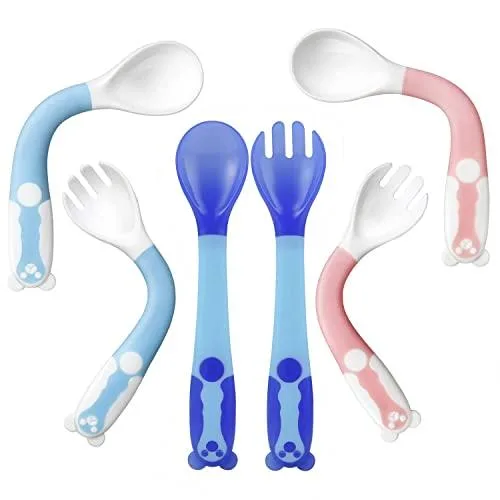
spoon
- Silicone plates offer the best combination of safety, flexibility, and suction.
- Test suction strength before purchase—look for plates that stay put during active eating.
- Divided sections with gentle slopes help babies scoop food more easily.
- Ensure the plate is dishwasher and microwave safe for convenience.
Top Baby Plate Options for Self-Feeding Success
One standout option is the Plates (3 Pack) from PandaEar. These silicone plates come in a set of three, each with a strong suction base and divided compartments. They are made from 100% food-grade silicone, are free from BPA, and are dishwasher-safe. The soft, flexible edges are gentle on baby's gums and make cleaning a breeze. Parents love that the set offers variety and value, perfect for rotating meals or having backups for messy days.
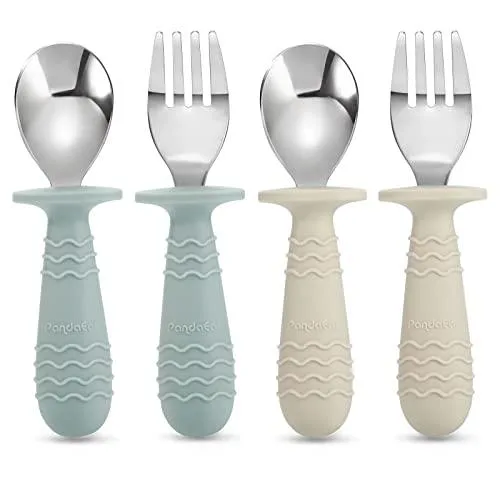
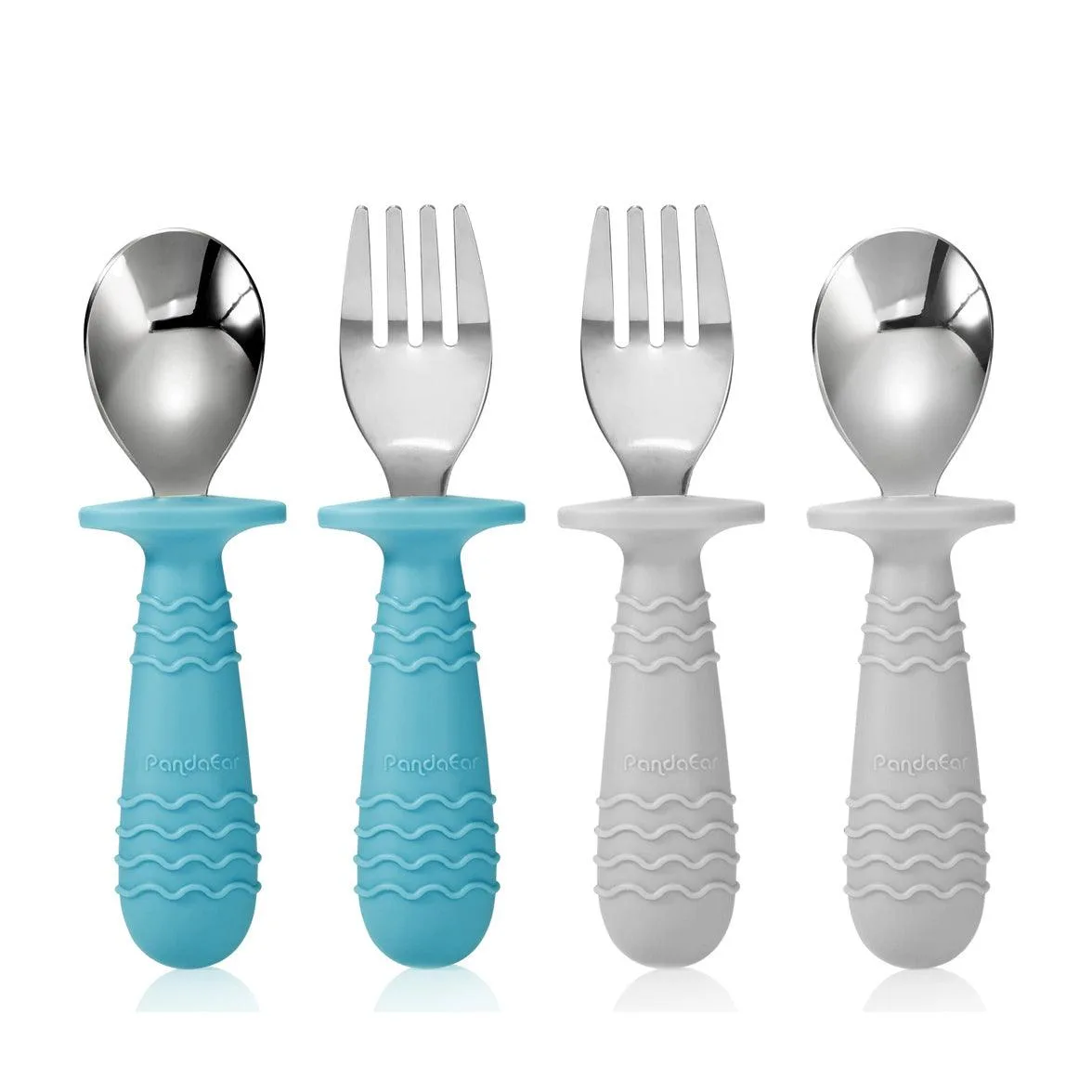
Another excellent choice is the Feeding Set, which includes a plate, bowl, and cup designed for self-feeding. This set features a deep suction base that holds firmly to most surfaces, and the divided plate keeps food organized. The included utensils are ergonomically designed for small hands. This all-in-one solution simplifies mealtime and ensures consistency across all feeding tools. Both products are highly rated by parents for their durability and ease of use.
- The Plates (3 Pack) offers three colorful, suction-based plates perfect for rotating meals.
- The Feeding Set combines a plate, bowl, and cup for a complete self-feeding solution.
- Both products are made from safe, non-toxic materials and are dishwasher-safe.
- Real parent reviews praise these products for reducing mealtime mess and encouraging independence.
Tips for Transitioning Your Baby to Self-Feeding with Plates
Transitioning to self-feeding doesn't happen overnight. Start by offering easy-to-scoop foods like mashed potatoes, yogurt, or soft fruits. Use a plate with gentle slopes and shallow sections to make scooping easier. Demonstrate how to use a spoon or fork, but let your child explore with their hands first—it's a natural part of learning. Be patient and expect messes; they are a sign of progress!
To maximize the effectiveness of your baby plate, always clean the highchair tray or table surface before placing the suction plate down. A clean, dry surface ensures the best grip. If the plate doesn't stick well, try slightly dampening the base. Also, avoid overfilling the plate—small portions are less intimidating and reduce waste. Finally, celebrate small victories and keep mealtime positive. With the right tools and a relaxed attitude, your baby will soon master self-feeding.
- Start with soft, sticky foods that are easy to scoop and less likely to slide off the plate.
- Clean and dry the surface before placing the suction plate for maximum hold.
- Offer small portions to avoid overwhelming your child and reduce food waste.
- Use positive reinforcement and stay patient—every baby learns at their own pace.
Choosing the best baby plates for self-feeding doesn't have to be complicated. Focus on silicone material, strong suction, divided compartments, and easy cleaning. Products like the Plates (3 Pack) and Feeding Set from PandaEar are excellent choices that combine safety, functionality, and value. By equipping your little one with the right tools, you'll foster independence, reduce mealtime stress, and make eating together a joyful experience. Ready to upgrade your baby's dinnerware? Explore the Plates (3 Pack) today and give your child the perfect start to self-feeding success.