Every parent knows that protecting their baby’s delicate skin from the sun is a top priority. But with so many sunscreens on the market, finding the right one for sensitive skin can feel overwhelming. Babies have thinner, more absorbent skin that is prone to irritation, so choosing a sunscreen that offers effective protection without harsh chemicals is essential.
In this guide, we’ll walk you through the key factors to consider when selecting a baby sunscreen for sensitive skin. From understanding SPF and mineral vs. chemical formulas to identifying gentle ingredients, you’ll have all the knowledge you need to make a confident choice. Plus, we’ll highlight how Mustela’s commitment to clean, safe skincare aligns perfectly with your little one’s needs.
Why Baby Sunscreen Needs to Be Different
Babies’ skin is not just smaller—it’s structurally different. The outermost layer is thinner and has a weaker barrier function, making it more vulnerable to UV damage and chemical absorption. This is why pediatricians and dermatologists recommend avoiding chemical sunscreens for infants under six months and instead using physical (mineral) blockers.
Mineral sunscreens contain zinc oxide or titanium dioxide, which sit on top of the skin and reflect UV rays like tiny mirrors. They’re less likely to cause irritation or allergic reactions, making them ideal for sensitive baby skin. When shopping for baby sunscreen for sensitive skin, always check the active ingredients list first.
- Look for “zinc oxide” or “titanium dioxide” as the active ingredient.
- Avoid oxybenzone, octinoxate, and fragrances that can trigger reactions.
- Choose a broad-spectrum SPF 30 or higher for adequate protection.
Key Features of a Safe Baby Sunscreen
Beyond the mineral vs. chemical debate, there are several other features to prioritize in a baby sunscreen for sensitive skin. First, opt for a formula that is hypoallergenic and dermatologist-tested. Products labeled “pediatrician-tested” or “clinically proven” offer extra peace of mind. Second, consider water resistance—especially if your baby will be splashing in a pool or at the beach. A water-resistant sunscreen stays effective for 40 to 80 minutes, giving you time to enjoy outdoor play without constant reapplication.
Texture and ease of application also matter. Thick, pasty sunscreens can be difficult to spread and may leave a white cast that parents find unappealing. Look for lightweight, non-greasy formulations that glide on smoothly. Mustela’s sun care line, for example, uses 100% mineral filters and is enriched with natural ingredients like avocado oil to nourish while protecting.
- Hypoallergenic and fragrance-free formulas reduce the risk of irritation.
- Water resistance (40 or 80 minutes) is ideal for active babies.
- Non-nano zinc oxide particles stay on the skin surface for safety.
How to Apply Sunscreen on a Baby Correctly
Even the best baby sunscreen for sensitive skin won’t work if it’s applied incorrectly. Start by applying a generous amount to all exposed areas—face, ears, neck, arms, and legs—about 15 to 30 minutes before going outside. Don’t forget often-missed spots like the tops of feet and behind the knees. Reapply every two hours, or immediately after swimming or sweating.
For newborns under six months, the American Academy of Pediatrics advises keeping them out of direct sunlight entirely and using protective clothing, hats, and shade. Sunscreen can be used on small areas if shade isn’t available, but it’s best to rely on physical barriers. For older babies, a gentle mineral sunscreen paired with a wide-brimmed hat and UV-protective swimwear offers comprehensive protection.
- Apply sunscreen 15–30 minutes before sun exposure.
- Reapply every 2 hours or after water play.
- Always test a small patch on your baby’s arm first to check for reactions.
Complementing Sunscreen with a Gentle Skincare Routine
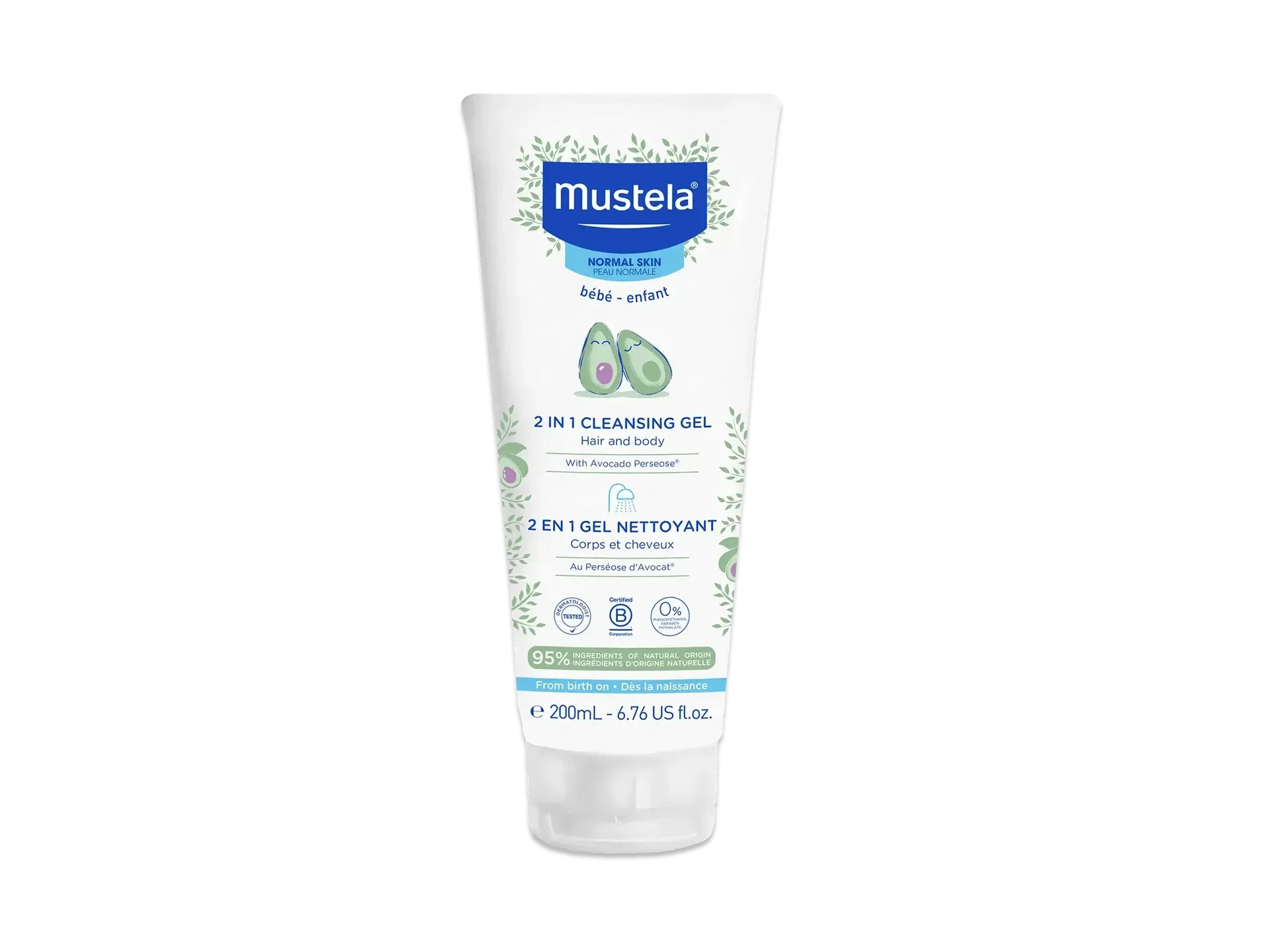
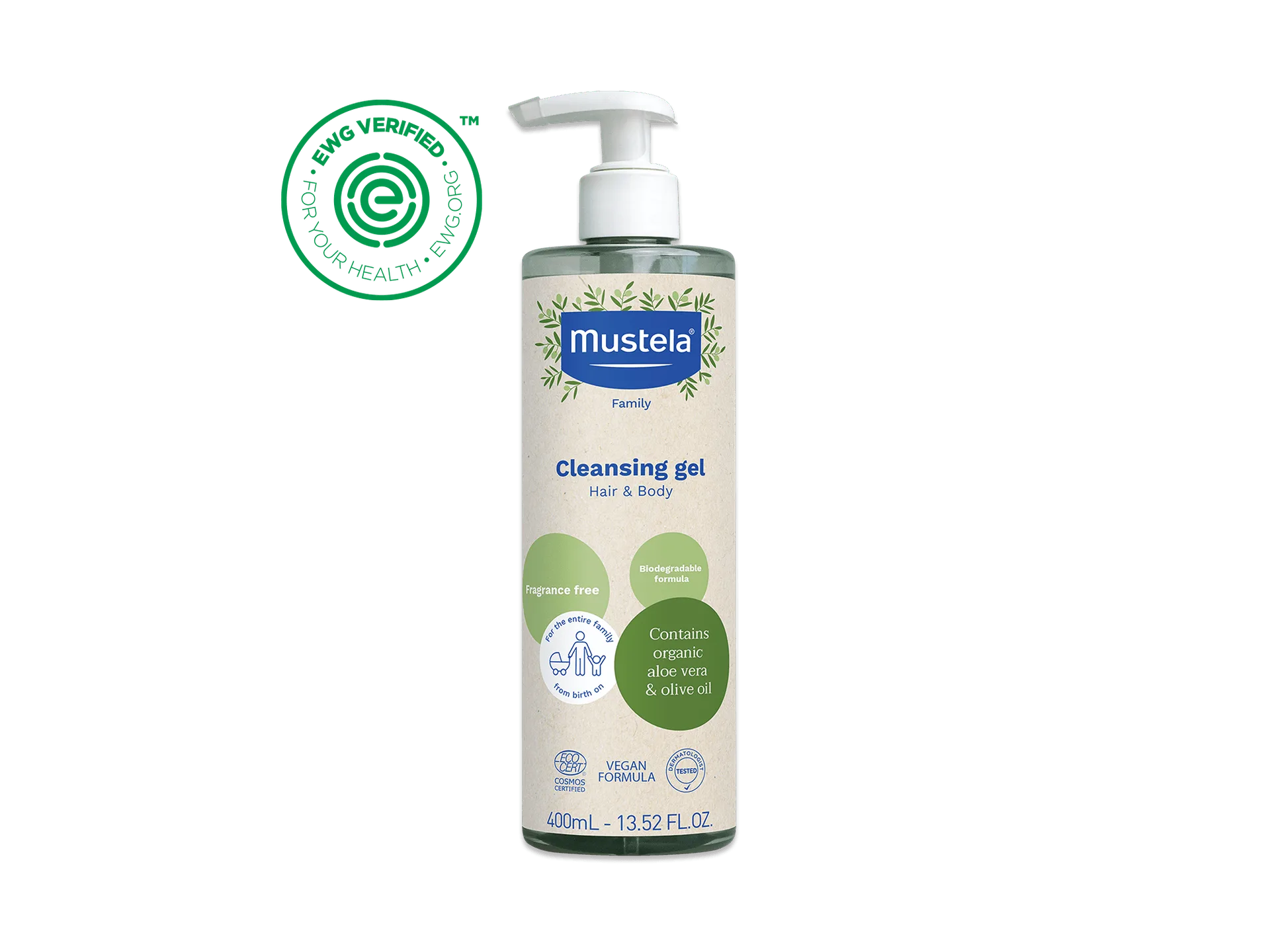
Sun protection doesn’t end with sunscreen. After a day in the sun, it’s important to gently cleanse your baby’s skin to remove any residual product, sweat, and environmental pollutants. A mild, soap-free cleanser like Mustela’s Soothing cleansing gel is perfect for this—it’s formulated with natural ingredients and respects the skin’s delicate pH balance. Follow up with a fragrance-free moisturizer to replenish hydration lost during outdoor play.
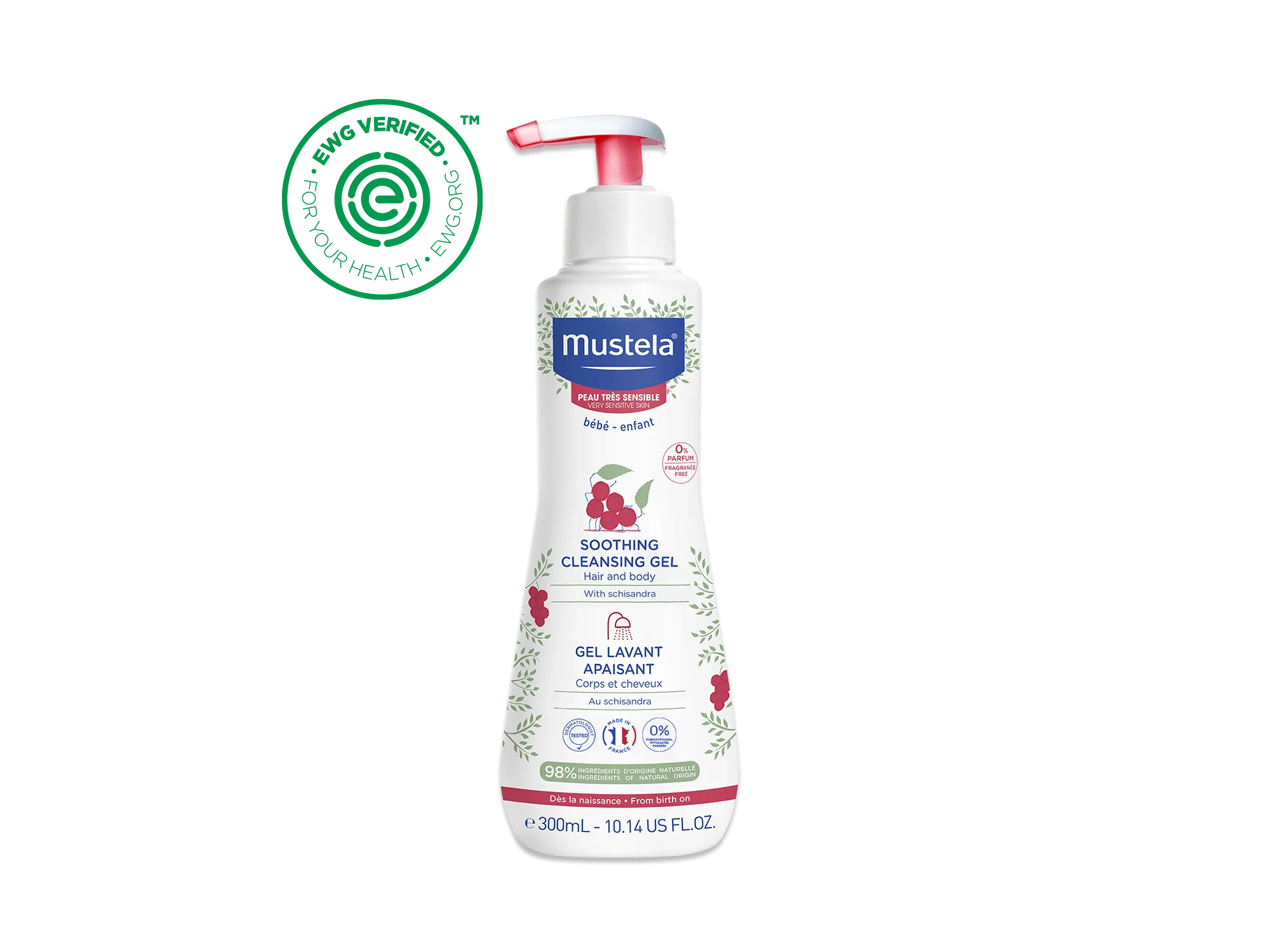
Soothing cleansing gel
If your baby has dry or eczema-prone skin, you may also want to incorporate a nourishing bath product. Mustela’s Stelatopia foam shampoo is a gentle option that cleanses without stripping natural oils, making it suitable for daily use. Pairing a mineral sunscreen with a consistent, gentle skincare routine helps maintain your baby’s skin barrier and prevents post-sun irritation.
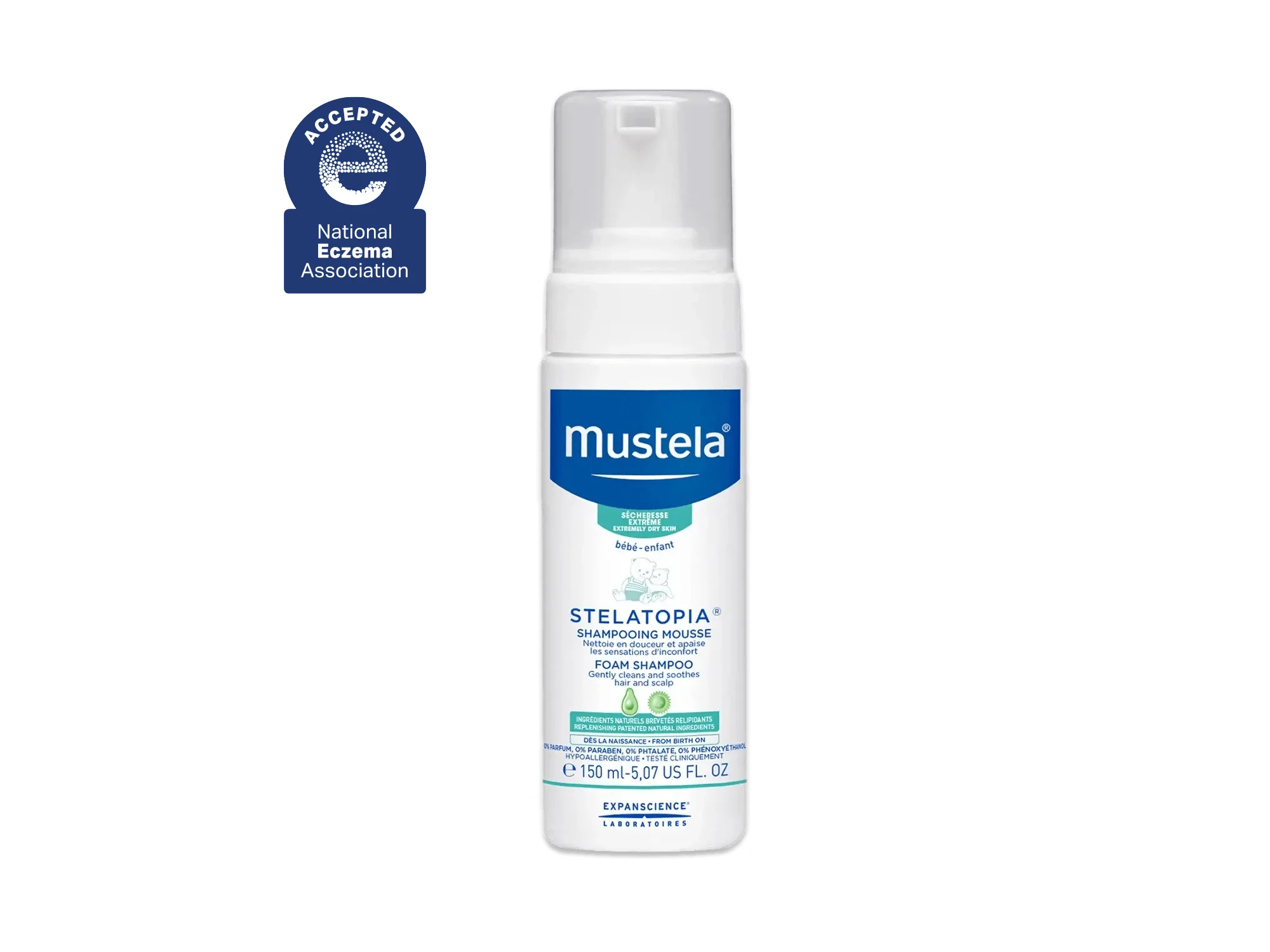
Stelatopia foam shampoo
- Cleanse with a mild, soap-free product after sun exposure.
- Moisturize immediately after bathing to lock in hydration.
- For dry or eczema-prone skin, use a fragrance-free foam shampoo.
Choosing the right baby sunscreen for sensitive skin is one of the most important steps you can take to protect your little one from harmful UV rays. By focusing on mineral ingredients, broad-spectrum SPF, and gentle formulations, you can enjoy sunny days with confidence. Mustela offers a range of sun care and post-sun skincare products designed specifically for delicate baby skin. Explore the Soothing cleansing gel to gently wash away sunscreen and keep your baby’s skin happy and healthy all summer long.