Whether you're just starting your home coffee journey or looking to refine your technique, the right book can be a game-changer. Coffee books offer structured knowledge, from brewing fundamentals to the science behind flavor, helping you understand every variable that affects your cup. Unlike online articles or videos, a well-written book provides depth, context, and a cohesive framework you can revisit anytime.
In this guide, we've curated the best coffee literature for home baristas. These titles cover essential topics like espresso extraction, pour-over methods, coffee origins, and roasting science. We've also included practical tips on how to choose a book based on your current skill level and interests. Whether you prefer a comprehensive reference or a focused guide, there's something here to elevate your brewing.
Why Invest in Coffee Books?
Coffee brewing is both an art and a science. While practice is essential, understanding the 'why' behind each step accelerates improvement. Books provide a structured learning path that online resources often lack. They explain concepts like extraction yield, water chemistry, and roast development in a logical sequence, helping you troubleshoot issues and replicate success.
Moreover, coffee books often include detailed illustrations, charts, and recipes that are easy to reference while brewing. They also cover topics rarely found in short articles, such as the history of coffee cultivation, sensory analysis, and equipment maintenance. For many home baristas, a good book becomes a trusted companion in the kitchen.
- Look for books that match your primary brewing method (espresso vs. filter) to get the most relevant advice.
Top Coffee Books for Home Baristas
One of the most respected titles is 'The World Atlas of Coffee' by James Hoffmann. This book is an excellent starting point for any home barista. It covers coffee origins, processing methods, and brewing techniques in an accessible yet thorough way. Hoffmann's clear writing and practical tips make it a staple on many coffee shelves.

The World Atlas of Coffee
For those focused on espresso, 'Espresso Coffee: The Science of Quality' by Andrea Illy and Rinantonio Viani is a classic. While more technical, it explains the physics and chemistry behind espresso extraction, which can help you dial in your grinder and machine with precision. Pairing this knowledge with a quality grinder like the Wilfa Uniform Grinder can significantly improve your results.
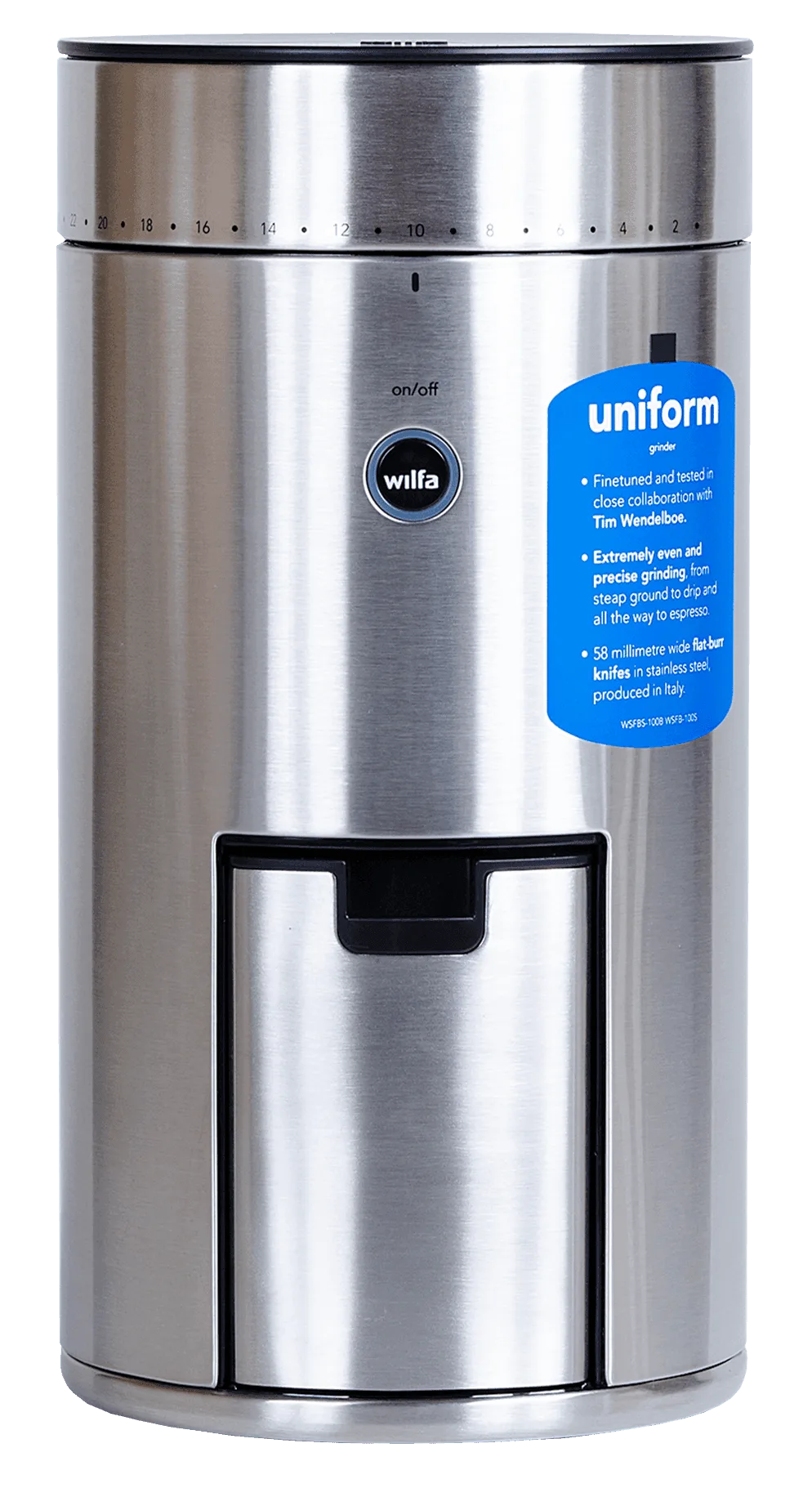
Wilfa Uniform Grinder
If you're interested in filter coffee, 'The Coffee Brewing Handbook' by the Specialty Coffee Association (SCA) is a concise guide that standardizes brewing variables. It's perfect for baristas who want to replicate café-quality pour-overs at home. Another great option is 'Water for Coffee' by Maxwell Colonna-Dashwood and Christopher H. Hendon, which dives into how water composition affects extraction.
- For a hands-on approach, 'The Professional Barista's Handbook' by Scott Rao offers advanced techniques and troubleshooting tips.
How to Choose the Right Coffee Book for You
Consider your current skill level and goals. Beginners should start with broad overviews like 'The World Atlas of Coffee' or 'Coffee Obsession' by Anette Moldvaer. These books cover everything from bean to cup without overwhelming technical detail. Intermediate baristas might prefer 'The Professional Barista's Handbook' for its focus on workflow and consistency.
If you're into coffee science, 'The Coffee Roaster's Companion' by Scott Rao is a deep dive into roasting, but it also helps brewers understand how roast level affects extraction. For those who enjoy the sensory side, 'The Coffee Flavor Wheel' poster can complement your reading. And don't forget that many coffee books also explore the cultural and ethical dimensions of coffee, such as 'Uncommon Grounds' by Mark Pendergrast.
- Check the publication date: coffee science evolves, so newer editions often include updated research and techniques.
Practical Tips for Using Coffee Books
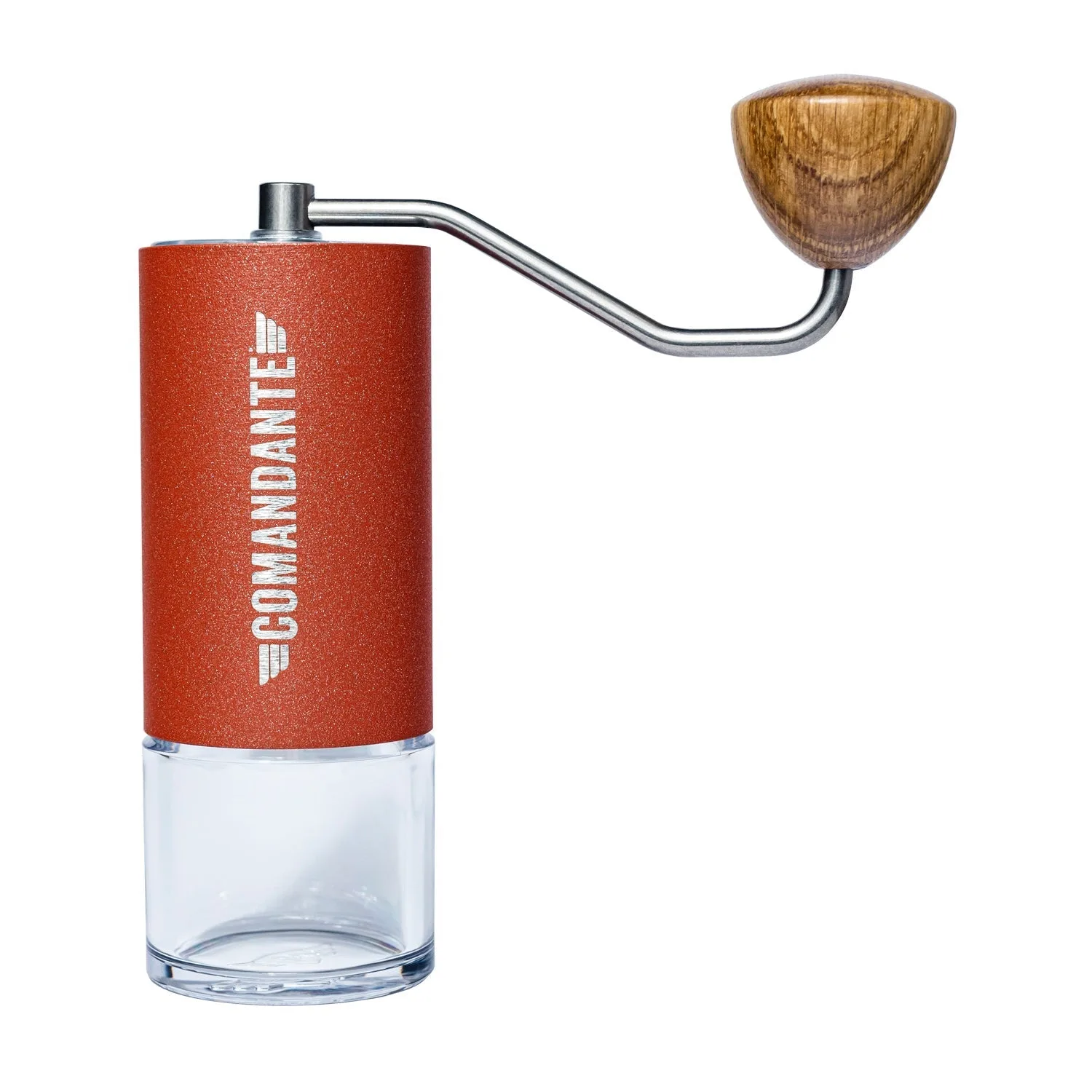
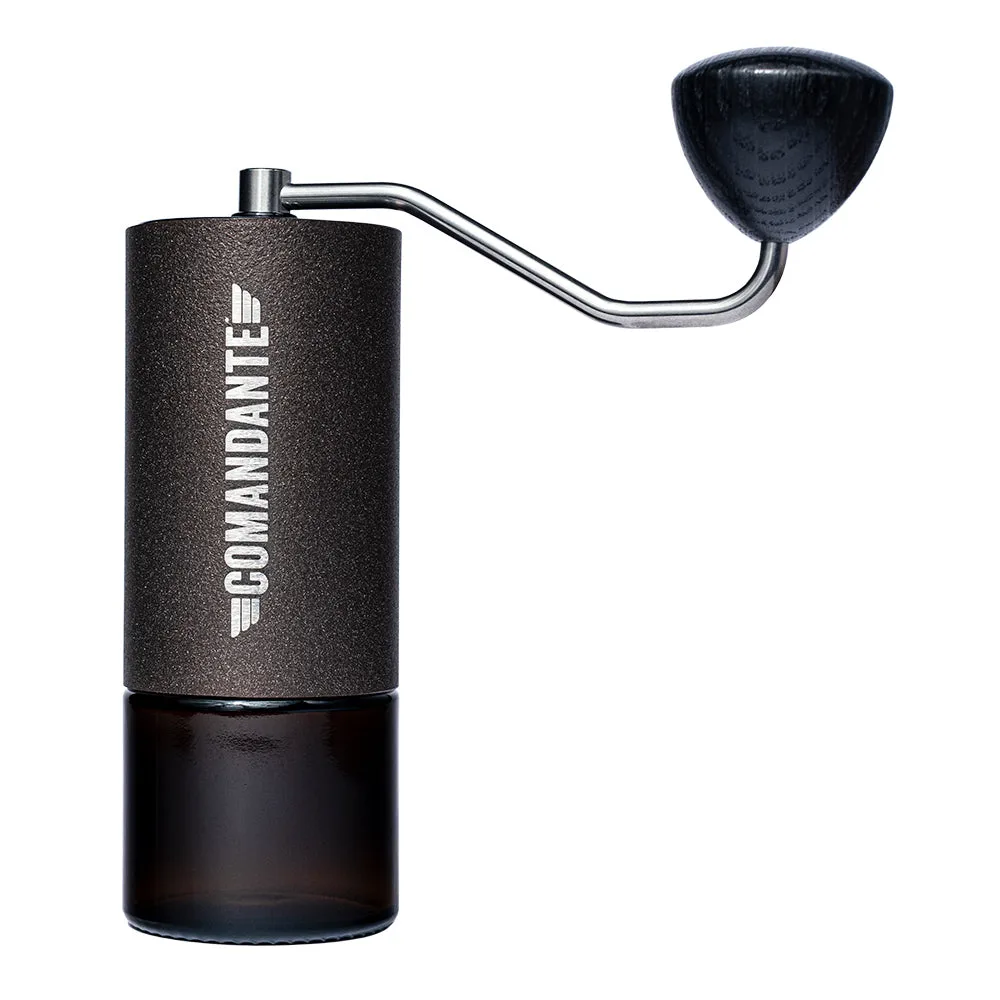
Reading is only half the battle. Apply what you learn by experimenting with one variable at a time. For example, after reading about grind size, use a grinder like the https://beansyai.shop/products/comandante-c40-nitro-blade-coffee-grinder-mk4-133625Comandante C40 Nitro Blade Coffee Grinder MK4 to test different settings and note the taste differences. Many books include 'recipes' or 'brewing guides'—try them exactly as written before making adjustments.
Keep a coffee journal to record your observations. This helps you connect theory with practice and track progress over time. Also, don't hesitate to revisit chapters as you gain experience; concepts that seemed complex initially will become clearer with hands-on knowledge. Finally, share insights with fellow coffee enthusiasts—discussing what you've read reinforces learning and can lead to new discoveries.
- Use sticky notes or bookmarks to mark key pages for quick reference during your morning brew.
Investing in a good coffee book is one of the most effective ways to deepen your understanding and improve your brewing. Whether you're a beginner or an experienced home barista, the titles recommended here offer valuable insights that will enhance every cup. Pair your reading with quality equipment and fresh beans, and you'll be well on your way to mastering the art of coffee.