When you're hosting a dinner party, the plates you choose set the stage for the entire meal. The right dinner plates for entertaining do more than just hold food—they complement your tabletop, make guests feel special, and can even make serving easier. But with so many options, how do you pick the best plates for guests?
This guide walks you through the key factors to consider when shopping for an entertaining dinnerware set. Whether you prefer minimalist stoneware or classic porcelain, we'll help you choose plates that balance beauty, function, and durability for your next gathering.
Size and Shape Matter for Serving and Storage
Standard dinner plates range from 10 to 12 inches in diameter. For entertaining, a 10.5- to 11-inch plate is versatile enough for main courses without overwhelming the table. Oversized plates can look dramatic but may not fit comfortably in your cabinets or dishwasher. Consider the shape as well: round plates are classic and easy to stack, while square or asymmetrical shapes add modern flair but can be trickier to store.
If you often serve family-style meals, look for plates with a slight rim or lip. This helps contain sauces and prevents spills when passing dishes around the table. A ceramic dinner plate set with a consistent size across all pieces makes stacking and storage much simpler after the party ends.
- Measure your cabinet depth before buying to ensure plates will fit.
- Choose a rimmed design if you frequently serve saucy dishes.
Material: Why Ceramic Is a Top Choice for Entertaining
Ceramic dinner plates are a favorite for entertaining because they offer a great balance of heat retention, weight, and visual appeal. Stoneware and porcelain are the two main types of ceramic. Stoneware is durable, chip-resistant, and often has a more rustic, earthy look. Porcelain is lighter, more refined, and can be thinner, which some hosts prefer for formal settings.
Both materials can go from oven to table, but always check the manufacturer's temperature limits. A quality ceramic dinner plate set will also be dishwasher-safe, which is a huge time-saver after a party. Avoid plates with metallic accents if you plan to microwave leftovers, as those can cause sparking.
- Stoneware is ideal for casual dinner parties; porcelain suits more formal occasions.
- Look for dishwasher-safe labels to simplify cleanup.
Color and Pattern: Creating a Cohesive Tabletop
Neutral tones like white, cream, or soft gray are the most versatile for entertaining. They let your food stand out and match any tablecloth, napkin, or centerpiece. For example, pairing a simple white ceramic dinner plate set with colorful Dinner Napkins Double Sided Drift - Quiet Season can instantly change the mood of your table without buying new dishes.
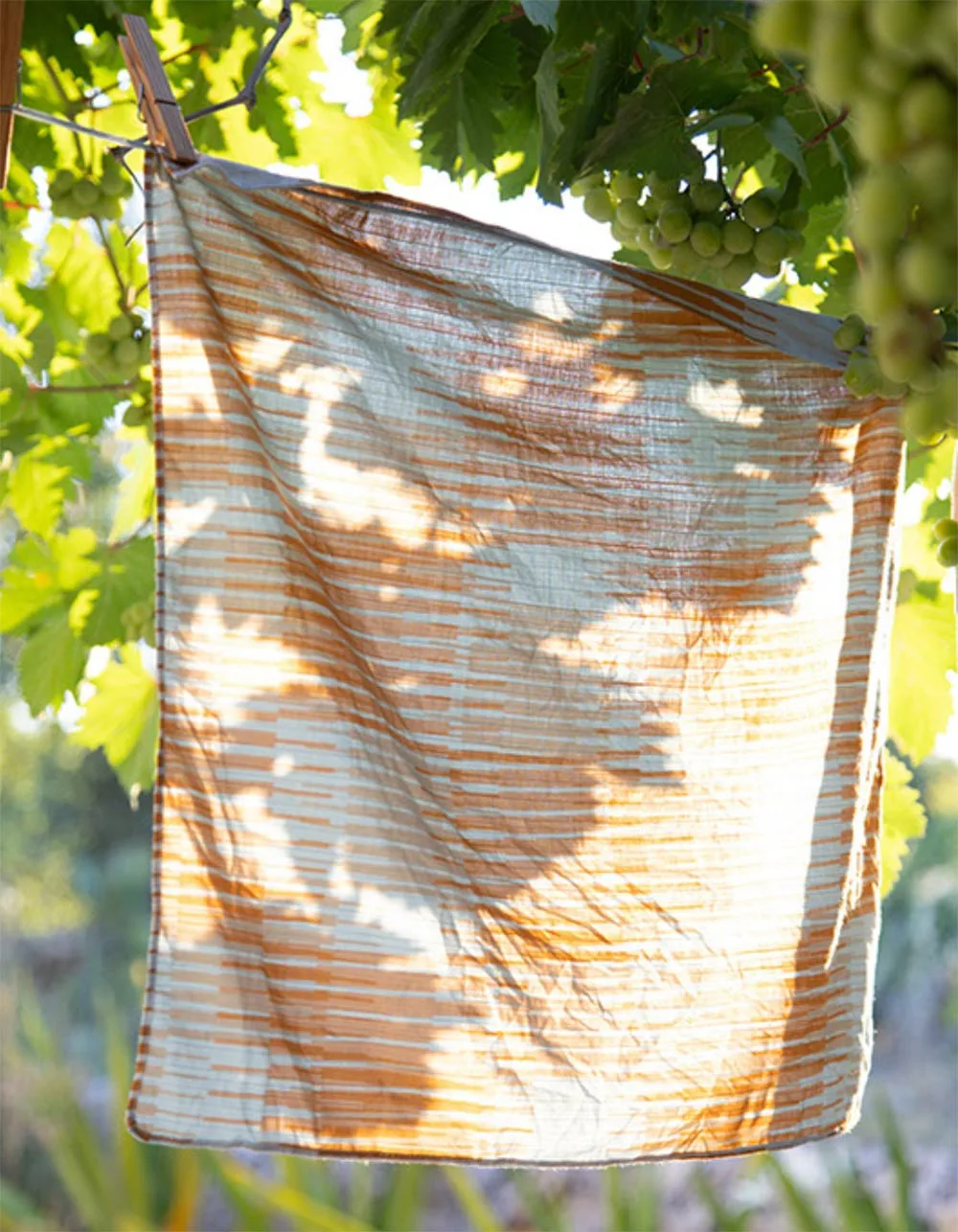
Dinner Napkins Double Sided Drift - Quiet Season
If you prefer pattern, consider plates with subtle textures or hand-painted details. They add character without clashing with other tabletop elements. Remember that bold patterns may limit how often you use the plates, while timeless designs work for both holiday feasts and weeknight dinners.
- Neutral plates are a safer investment for long-term use.
- Use napkins and table runners to introduce seasonal color.
Durability and Everyday Use: What to Expect from Your Set
Even if you only use these plates for special occasions, they should still withstand occasional drops, stacking, and thermal shock from hot food. High-quality ceramic dinnerware is fired at high temperatures, making it dense and less porous. This means fewer chips and stains over time.
Check the weight: heavier plates feel substantial but can tire your wrists during a long meal. Lighter plates are easier to carry from kitchen to table but may feel less premium. A set like the Silo Cutlery pairs well with sturdy ceramic plates, creating a balanced table setting that feels intentional and comfortable.
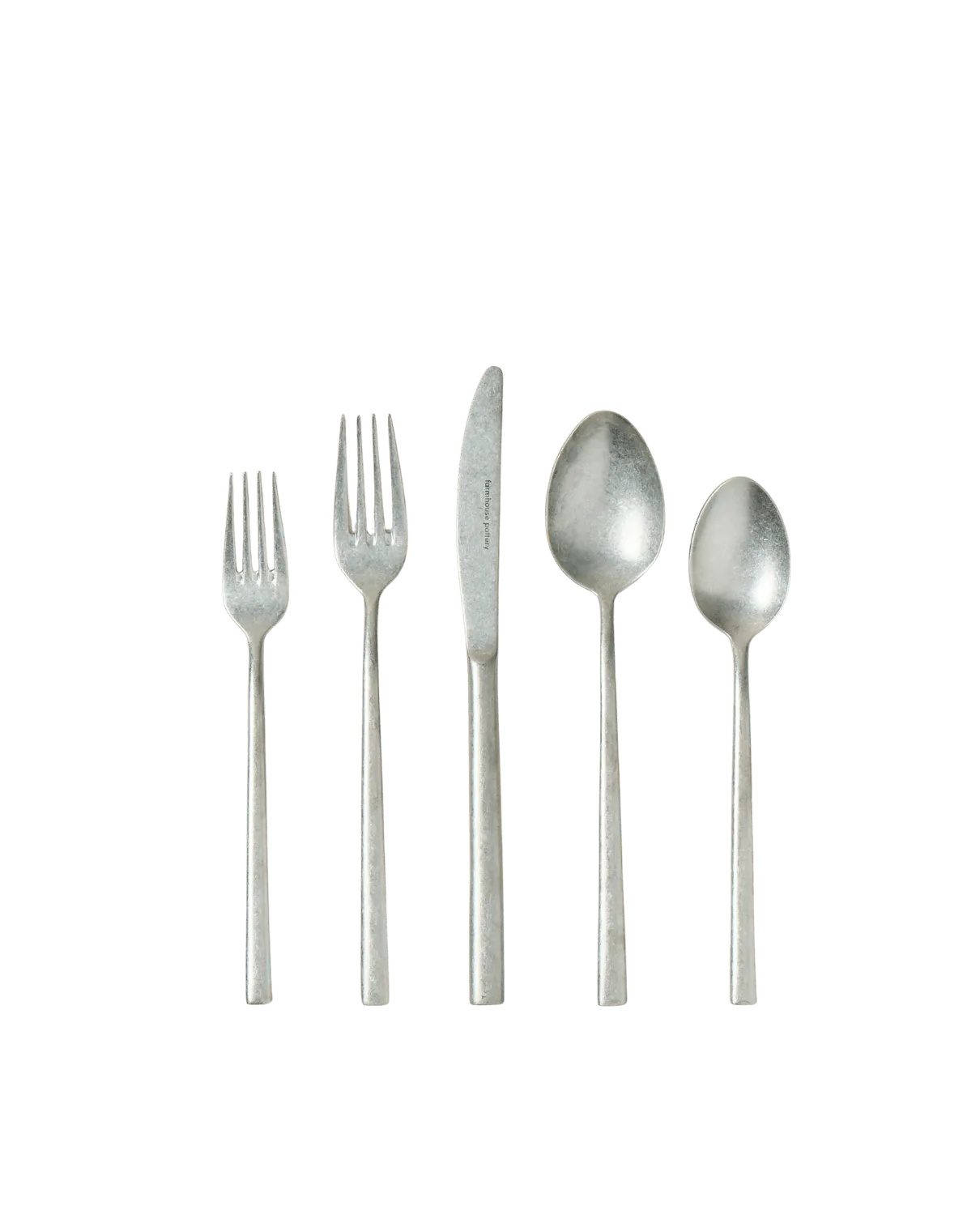
Silo Cutlery
- Test the weight by holding a single plate before buying a full set.
- Inspect edges for smoothness—rough rims can indicate lower quality.
How Many Plates Do You Really Need?
For most hosts, a set of eight dinner plates is the sweet spot. This covers a standard dinner party for two couples or a small family gathering, with a few extras for seconds or unexpected guests. If you regularly host larger groups, consider buying two sets of the same pattern so you can mix and match.
Some ceramic dinner plate sets come with matching salad plates, bowls, and mugs. That can be convenient, but you might prefer to buy plates separately to customize your collection. For example, you can pair your chosen dinner plates with Artisan Felt Coasters - Set of 4 for a cohesive look that doesn’t require a full matching set.
- Start with 8 plates; add more later if needed.
- Mixing brands or styles can create a curated, eclectic table.
Choosing the best dinner plates for entertaining guests comes down to balancing style, size, material, and practicality. A quality ceramic dinner plate set in a neutral finish gives you the flexibility to dress up or down your table for any occasion. Focus on plates that feel good in your hands, fit your storage, and make your guests feel welcome—then let the meal shine.