Choosing the right dinnerware material can make or break your cooking and reheating experience. Whether you're warming leftovers in the microwave or baking a casserole in the oven, knowing which plates, bowls, and serving pieces can handle the heat is essential. Stoneware, porcelain, and melamine are three popular options, but they behave very differently when exposed to high temperatures.
In this guide, we'll compare stoneware vs. porcelain vs. melamine for microwave and oven use. You'll learn about heat resistance, durability, safety, and which material fits your lifestyle. We'll also highlight some standout products from Material that combine beauty with function.
Stoneware: The Workhorse of Heat-Resistant Dinnerware
Stoneware is a dense, durable ceramic fired at high temperatures (around 2200°F). This makes it naturally resistant to thermal shock, meaning it can handle sudden temperature changes better than many other ceramics. Most stoneware is microwave and oven safe up to 350-400°F, though you should always check the manufacturer's guidelines.
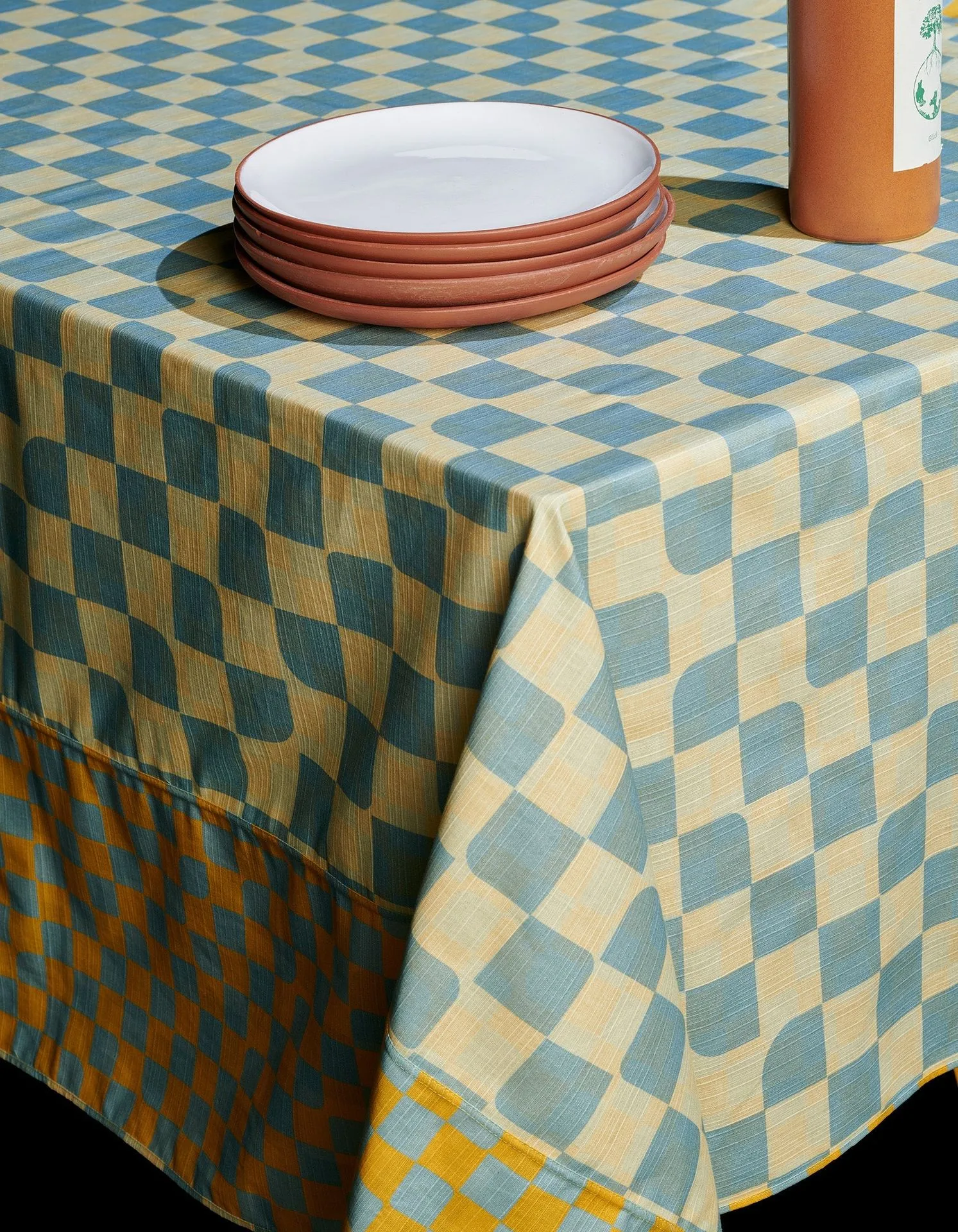
One of the biggest advantages of stoneware is its versatility. It transitions seamlessly from oven to table, keeping food warm longer thanks to its heat-retaining properties. Stoneware also comes in a variety of glazes and finishes, from matte to glossy, making it a favorite for rustic and modern tablescapes alike. For example, the Dinner Plate Set of 4 from Material offers a classic stoneware option that is both microwave and oven safe, perfect for everyday use and special dinners.
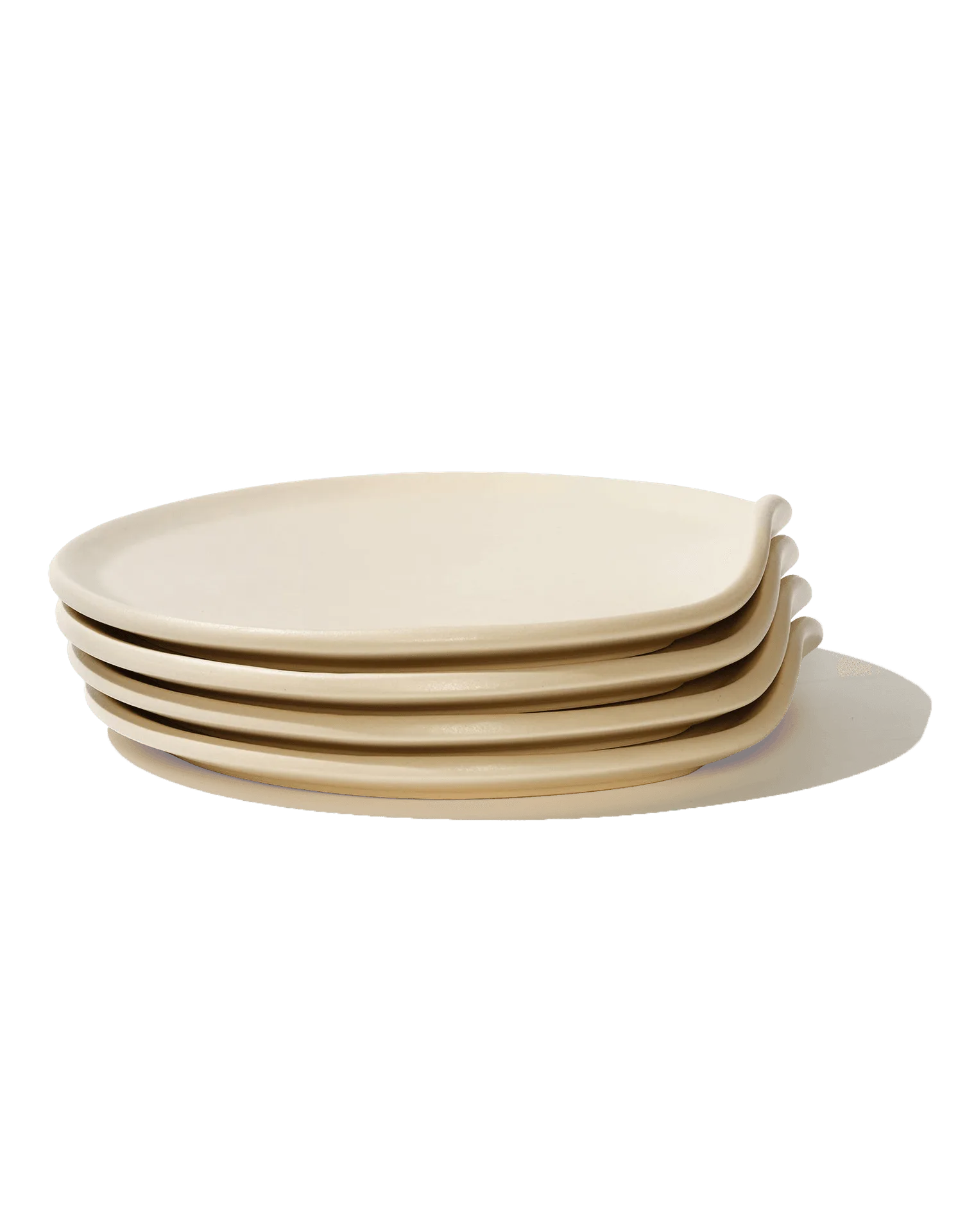
Dinner Plate Set of 4
- Microwave safe: Yes, most stoneware is microwave safe unless it has metallic trim.
- Oven safe: Typically up to 350-400°F, but avoid broiler use.
- Dishwasher safe: Usually yes, but hand washing prolongs glaze life.
- Thermal shock: Good resistance, but avoid extreme temperature swings.
Porcelain: Elegant and Oven-Safe for Versatile Cooking
Porcelain is a type of ceramic that is fired at even higher temperatures than stoneware (up to 2600°F), resulting in a non-porous, vitrified body. This gives porcelain a finer, more delicate appearance while still being surprisingly strong. High-quality porcelain is typically microwave and oven safe up to 350-500°F, making it a great choice for baking and reheating.
Porcelain's non-porous surface means it resists staining and absorbing odors, which is a plus for everyday use. It also heats evenly in the microwave, reducing cold spots in your food. If you're looking for elegant yet functional pieces, consider the Small Goun Plate from Material. This porcelain plate is microwave and oven safe, ideal for appetizers, desserts, or side dishes. Its minimalist design complements any table setting while handling heat with ease.
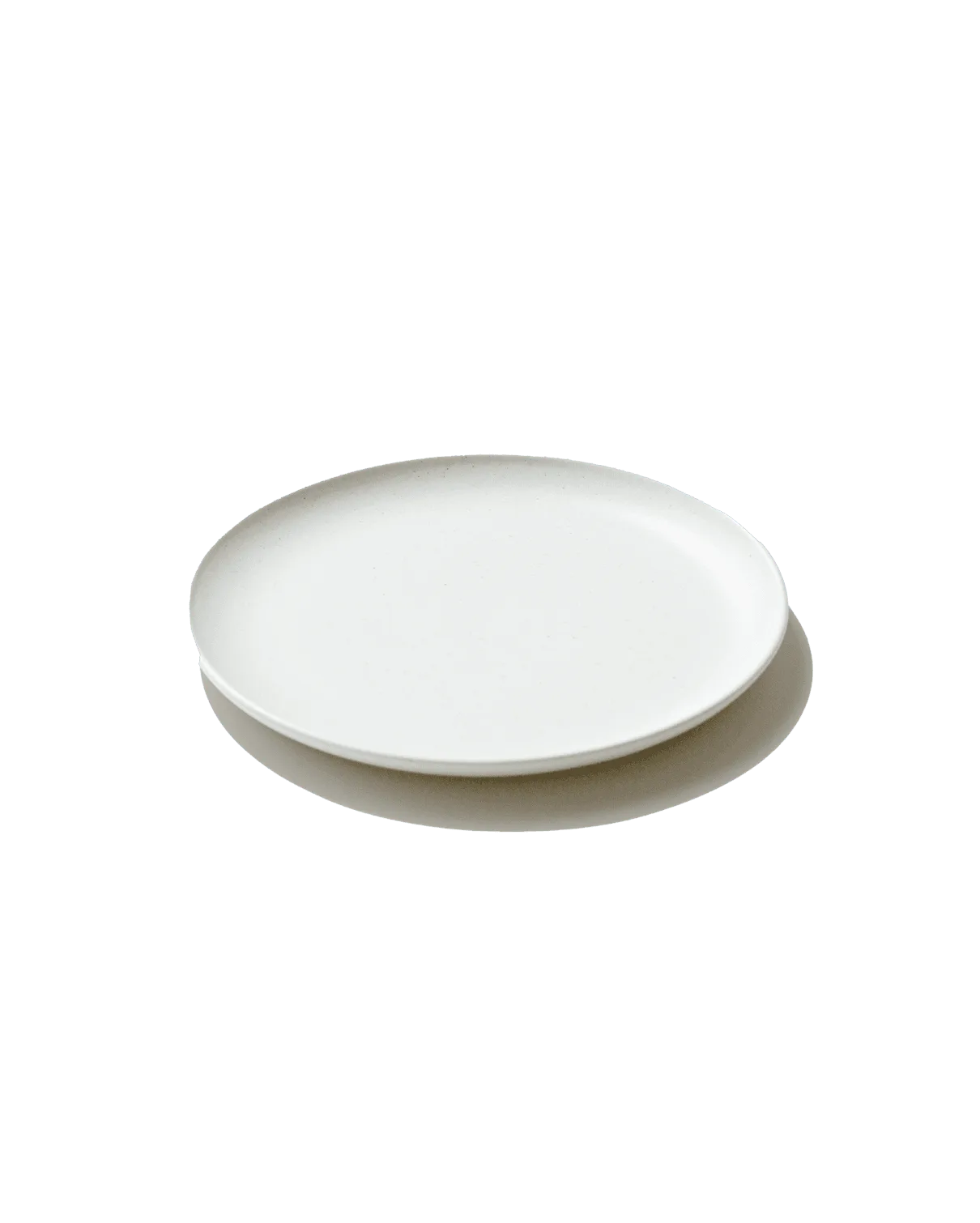
the Small Goun Plate
- Microwave safe: Yes, most porcelain is microwave safe (avoid metallic accents).
- Oven safe: Typically up to 350-500°F, check manufacturer specs.
- Dishwasher safe: Yes, porcelain is generally dishwasher safe.
- Durability: Chip-resistant but can break if dropped on hard surfaces.
Melamine: Lightweight and Convenient, But Not for Heat
Melamine is a plastic resin that is molded into dinnerware shapes. It is extremely lightweight, shatterproof, and affordable, making it popular for outdoor dining, picnics, and households with children. However, melamine is not microwave or oven safe. When exposed to high heat, melamine can warp, crack, or leach chemicals into food.
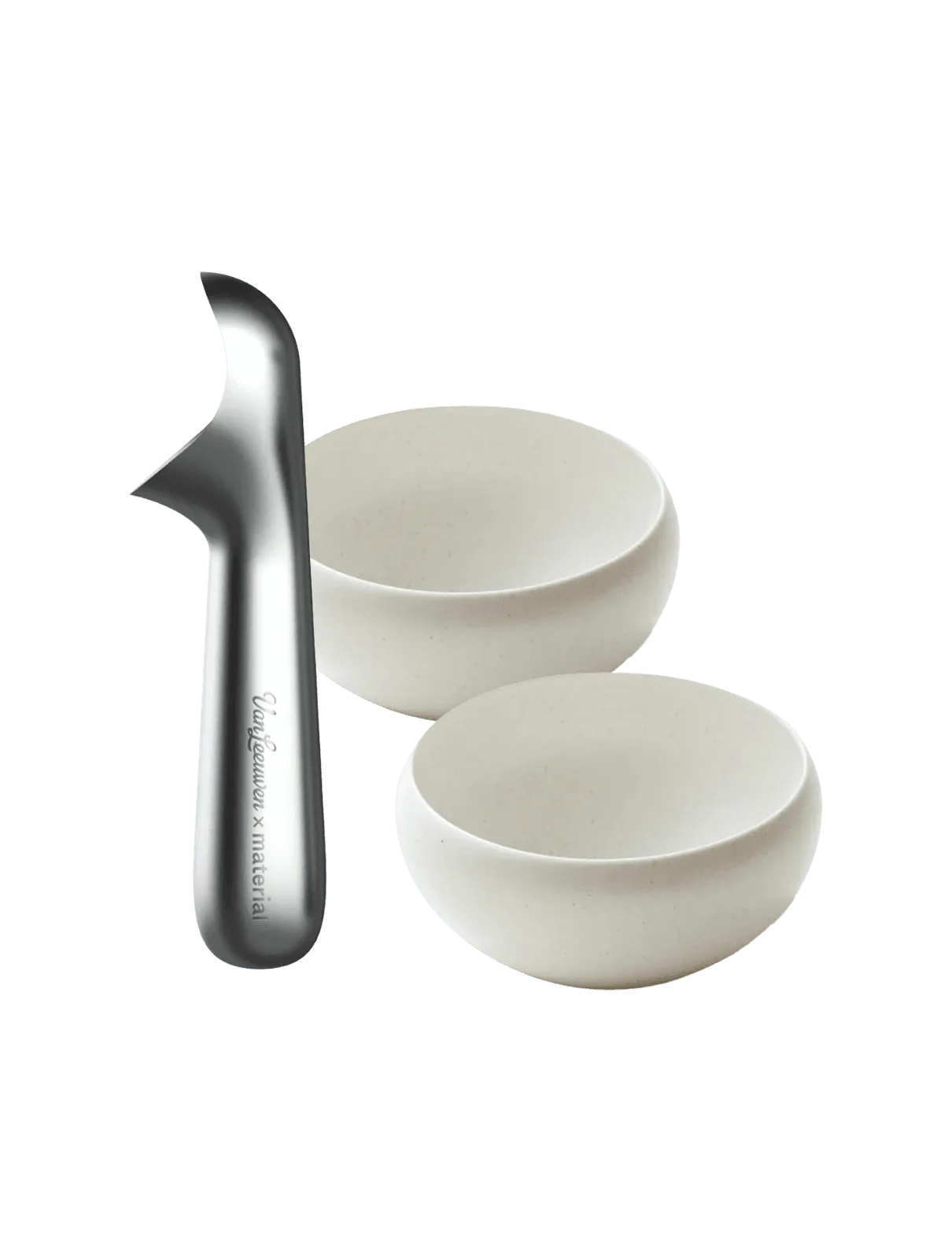
The key difference with melamine is its temperature limitation. It is designed for serving cold or room-temperature foods only. Never use melamine plates or bowls in the microwave or oven. For heat-safe options, stick with stoneware or porcelain. If you love the look of melamine but need oven-safe pieces, consider using stoneware for cooking and melamine for serving. Material offers beautiful stoneware alternatives like the Goun Noodle Bowl, which is microwave and oven safe and perfect for hot soups and pasta dishes.
- Microwave safe: No, never microwave melamine.
- Oven safe: No, melamine cannot withstand oven heat.
- Dishwasher safe: Check labels; some melamine is top-rack dishwasher safe.
- Best for: Outdoor dining, kids' parties, casual serving.
Stoneware vs. Porcelain: Which One Should You Choose?
Both stoneware and porcelain are excellent choices for microwave and oven use, but they cater to slightly different preferences. Stoneware tends to be thicker and heavier, with a more rustic, handcrafted feel. It retains heat well, keeping your food warm longer at the table. Porcelain, on the other hand, is lighter and more refined, with a smooth, glossy finish that resists scratches and stains.
If you prioritize durability and heat retention for everyday meals, stoneware is a solid pick. If you prefer elegant presentation and easy cleaning, porcelain might be your match. Both materials are microwave and oven safe, so the decision often comes down to aesthetics and weight. Material's collection includes both, such as the sturdy Dinner Plate Set of 4 for stoneware lovers and the delicate Small Goun Plate for porcelain enthusiasts.
- Stoneware: Heavier, rustic, excellent heat retention.
- Porcelain: Lighter, elegant, stain-resistant.
- Both: Microwave and oven safe (check for metallic trims).
How to Care for Heat-Safe Dinnerware
To extend the life of your microwave and oven safe dinnerware, follow a few simple care tips. Always preheat the oven before placing stoneware or porcelain inside to avoid thermal shock. Avoid transferring dishes directly from the refrigerator to a hot oven; let them come to room temperature first. When microwaving, use medium power and stir food halfway to ensure even heating.
Hand washing is gentler on glazes and reduces the risk of chipping, but most stoneware and porcelain are dishwasher safe. Avoid using abrasive scrubbers that can scratch the surface. For melamine, stick to hand washing and never use it in the microwave. Proper care ensures your dinnerware stays beautiful and functional for years.
- Avoid sudden temperature changes (e.g., fridge to oven).
- Use medium microwave power for even heating.
- Hand wash glazed pieces to preserve finish.
- Store with felt pads between plates to prevent scratches.
When choosing dinnerware for microwave and oven use, stoneware and porcelain are your best bets. They offer heat resistance, durability, and style that melamine simply cannot match. For a versatile, everyday option, explore the Dinner Plate Set of 4 from Material, which combines oven-safe stoneware with timeless design. Whether you're baking, reheating, or serving, these plates will handle the heat and elevate your table.