Does your dog inhale their food in seconds, leaving you worried about bloating or choking? Fast eating is a common issue among dogs, and it can lead to serious health problems like gastric dilation-volvulus, regurgitation, and poor nutrient absorption. The solution lies in a simple yet effective tool: a slow feeder dog bowl. These specially designed bowls use obstacles, ridges, and mazes to force your pup to eat at a more deliberate pace, promoting better digestion and reducing health risks.
In this guide, we’ll explore the best dog bowls for fast eaters, how they work, and what features to look for. We’ll also highlight some smart alternatives from Maxbone that can complement a slow feeding routine, from elevated beds to calming accessories that support overall wellness.
Why Slow Feeding Matters for Your Dog's Health
When a dog eats too quickly, they swallow excess air along with their food, leading to gas, bloating, and discomfort. Over time, this habit can contribute to obesity, as the brain doesn’t register fullness before the stomach is overstuffed. Slow feeder bowls address this by physically slowing the eating process. The maze-like patterns or raised obstacles force your dog to work around them, taking smaller bites and pausing between mouthfuls.
For breeds prone to bloat—such as Great Danes, German Shepherds, and Labradors—slow feeding is especially critical. But even small, enthusiastic eaters benefit from the reduced risk of choking and vomiting. Beyond health, slow feeders can also provide mental stimulation, turning mealtime into a mini puzzle that engages your dog’s problem-solving skills.
- Look for bowls with deep, varied ridges to maximize eating time without frustration.
- Choose non-slip bases to prevent the bowl from sliding across the floor during enthusiastic eating.
Key Features to Look for in a Slow Feeder Dog Bowl
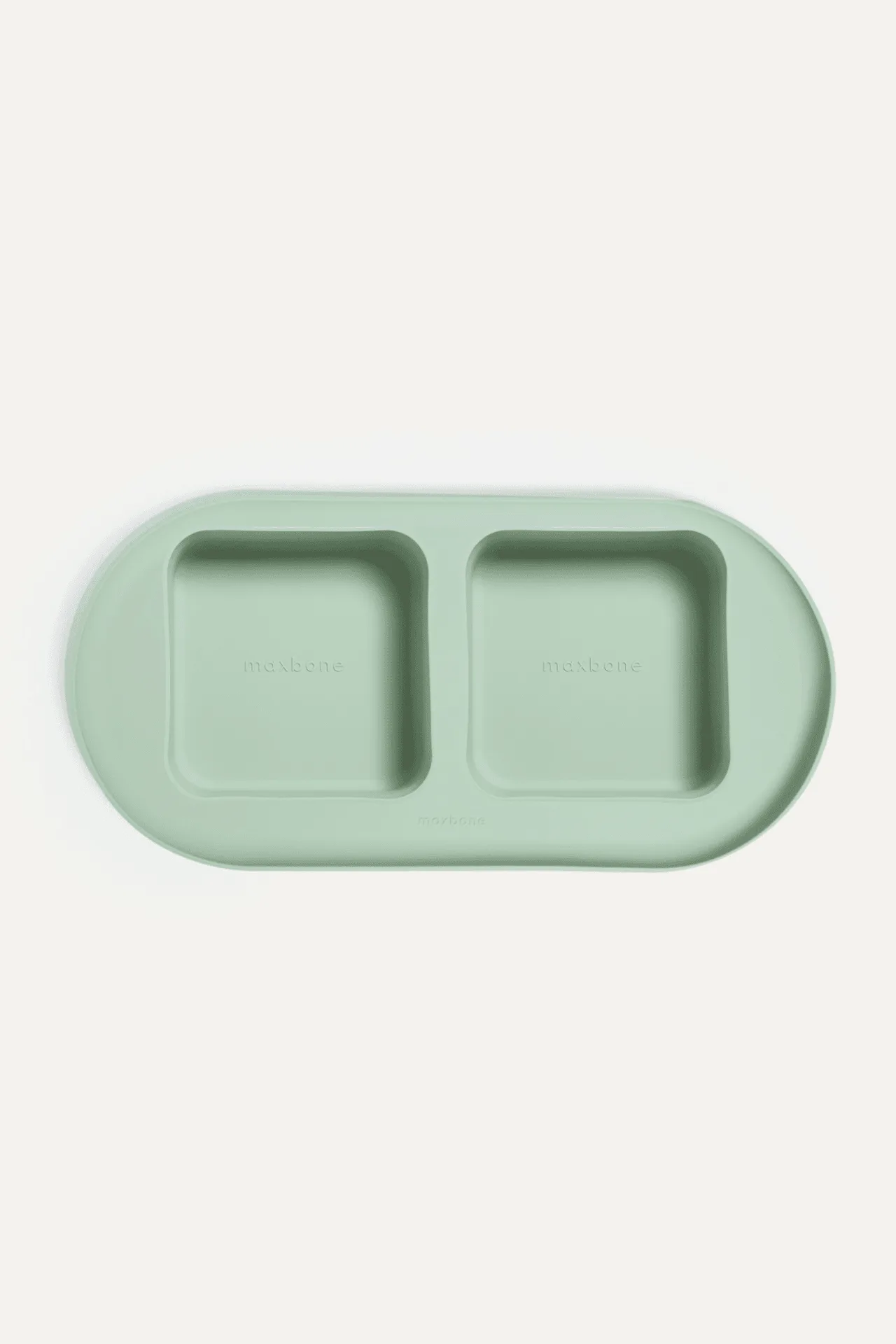
Not all slow feeder bowls are created equal. The best dog bowls for fast eaters combine thoughtful design with durable, pet-safe materials. First, consider the material: stainless steel is hygienic, dishwasher-safe, and resistant to bacteria, while ceramic options offer weight and stability. Plastic bowls are lightweight but may harbor scratches where bacteria can grow.
Second, evaluate the maze or obstacle design. Bowls with multiple compartments or raised centers force your dog to eat around them, naturally slowing intake. The depth of the bowl also matters—shallow bowls may be too easy for determined eaters, while very deep ones can be hard to clean. Finally, ensure the bowl is appropriately sized for your dog’s breed and meal portions.
- Stainless steel slow feeders are top-rated for durability and easy cleaning.
- A bowl with a wide base and rubber rim helps prevent tipping and sliding.
Complementary Products to Support Healthy Digestion
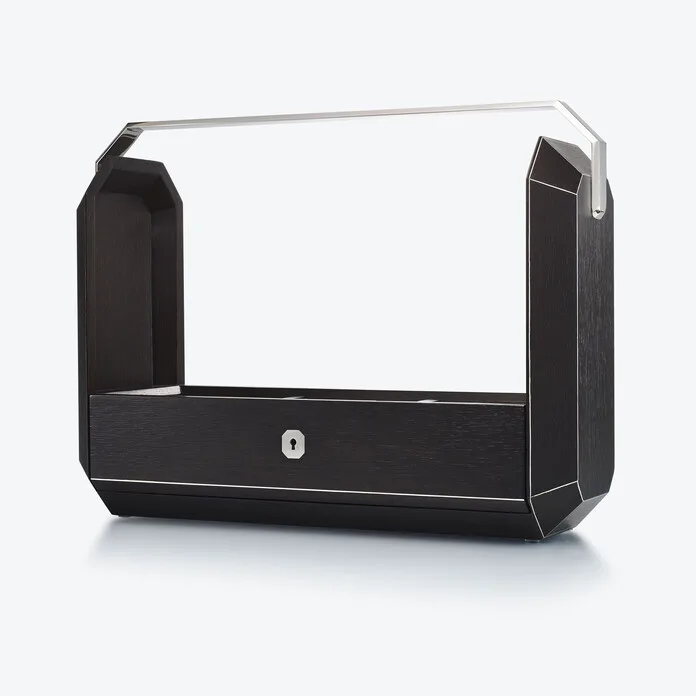
While a slow feeder bowl is a game-changer, pairing it with other thoughtful products can enhance your dog’s mealtime experience and overall well-being. For instance, feeding your dog in a calm, comfortable environment can reduce stress-related gulping. The https://petmaven.store/products/davos-bed-charcoal-73017Davos Bed - Charcoal provides a plush, supportive resting spot where your dog can relax before and after meals, promoting proper digestion.
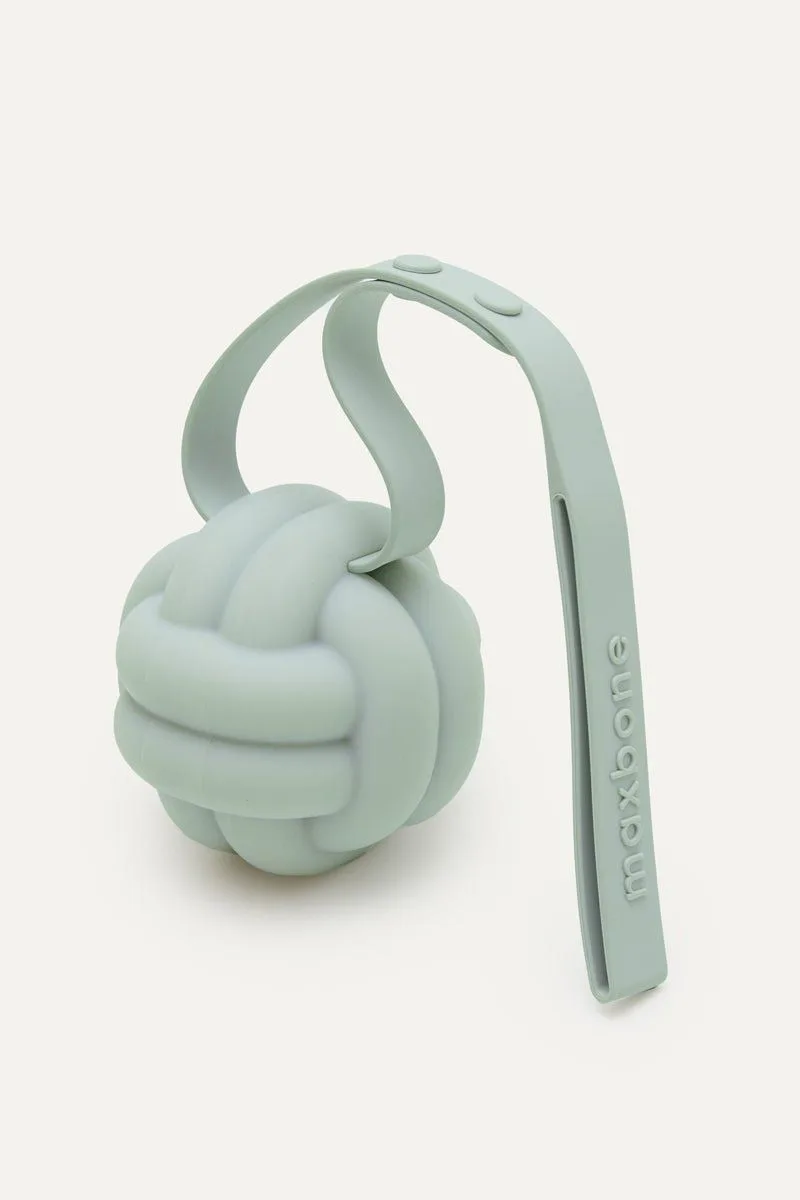
Another helpful addition is an enrichment toy that encourages slower, more mindful eating. The Enrichment Tether Toy can be used to dispense small portions of kibble or treats, turning eating into a rewarding puzzle. This not only slows down consumption but also keeps your dog mentally engaged. For dogs that eat on the go or need a portable feeding solution, the Mesh Sling Carrier allows you to bring familiar feeding accessories along during travel, maintaining routine wherever you are.
- Place the bed near the feeding area to create a calm zone for your dog to eat and rest.
- Use the tether toy to offer small, slow-release snacks between meals.
How to Transition Your Dog to a Slow Feeder Bowl
Switching to a slow feeder bowl may confuse your dog at first, especially if they’re used to gobbling food from a standard bowl. Start by placing a small amount of their regular kibble in the new bowl and let them explore it without pressure. You can even hand-feed a few pieces near the bowl to build positive associations.
Gradually increase the portion size over several days. If your dog gets frustrated, try using wet food or adding a little warm water to soften the kibble and make it easier to navigate the maze. Always supervise the first few meals to ensure your dog isn’t becoming overly stressed. Most dogs adapt within a week, and the health benefits are well worth the initial adjustment period.
- Avoid filling the bowl to the brim—leave some maze visible to encourage slower eating.
- Use positive reinforcement like praise or a small treat after a calm meal.
Helping your dog eat at a healthier pace doesn’t have to be a challenge. With the right slow feeder bowl and a few supportive accessories from Maxbone, you can turn mealtime into a safer, more enjoyable experience. Explore our collection of dog bowls and enrichment tools to find the perfect match for your fast eater, and give your pup the gift of better digestion and peace of mind.