As more parents seek sustainable alternatives for their little ones, eco-friendly baby bottles and sippy cups have become essential items in modern nurseries. In 2025, the market is flooded with options made from glass, stainless steel, and food-grade silicone—each promising safety for your child and a lighter footprint on the planet. But with so many choices, how do you know which ones truly deliver on both eco-credentials and everyday practicality?
We tested a range of sustainable feeding products to help you make an informed decision. From the first bottle to the transition cup, we considered material safety, durability, ease of cleaning, and how well they grow with your child. Here is our honest review of the best eco-friendly baby bottles and sippy cups for 2025.
Why Choose Eco-Friendly Baby Bottles and Sippy Cups?
Traditional plastic bottles and cups often contain bisphenol A (BPA) and other chemicals that can leach into your baby's milk or water, especially when heated. Eco-friendly alternatives are typically made from materials like borosilicate glass, stainless steel, or platinum silicone—all free from BPA, phthalates, and PVC. Beyond health benefits, these products are designed to last longer, reducing the need for frequent replacements and cutting down on plastic waste.
In 2025, sustainability also means thoughtful design. Many brands now offer modular systems where a single bottle can be converted into a sippy cup or snack cup, minimizing the number of items you need to buy. Others use packaging made from recycled materials and partner with carbon offset programs. Choosing eco-friendly feeding gear is a small change that adds up to a big impact over your child's early years.
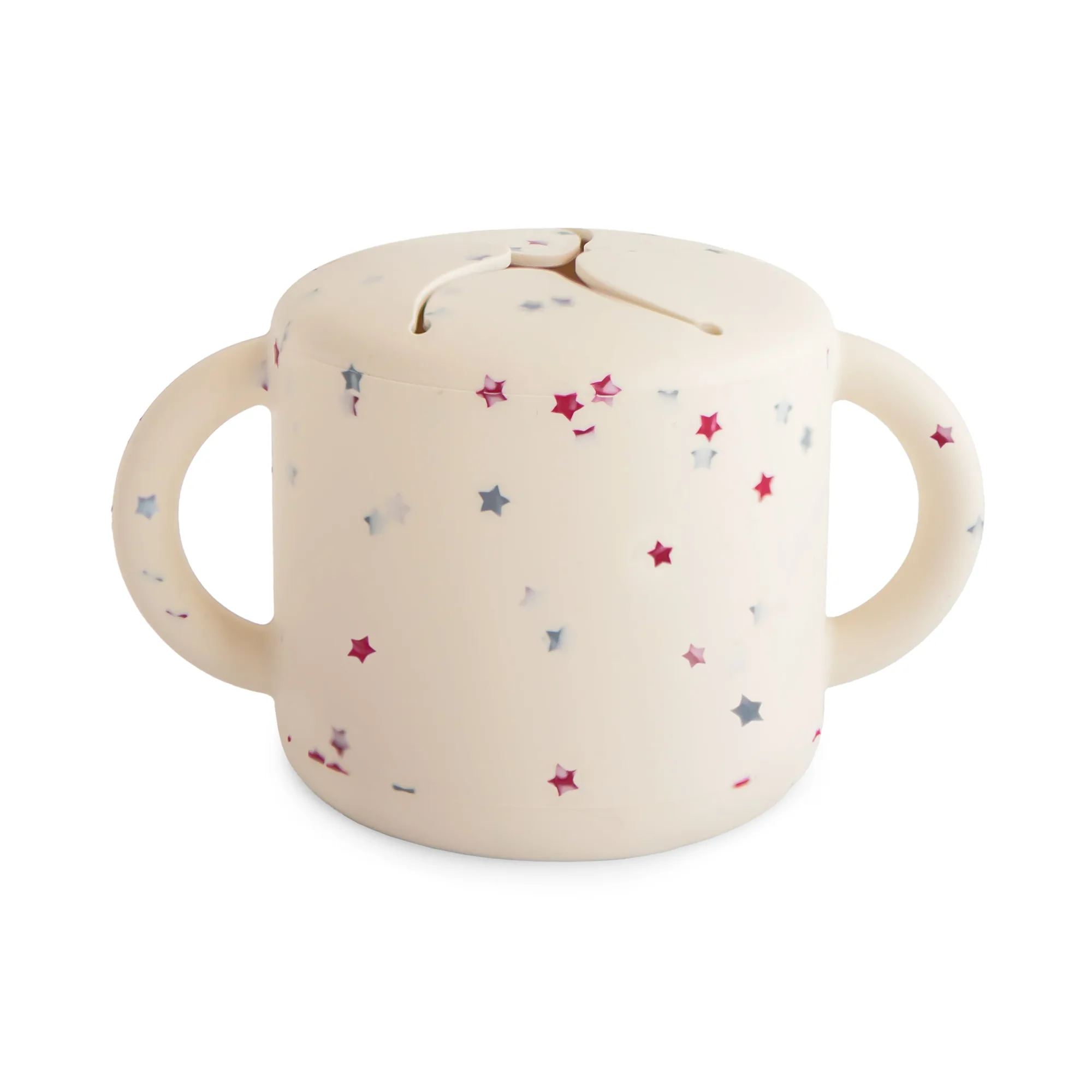
snack cup
What to Look for in Eco-Friendly Feeding Products
When shopping for sustainable bottles and cups, start with the material. Glass bottles are non-porous and won't harbor bacteria, but they are heavier and can break if dropped. Stainless steel is lightweight and virtually indestructible, though you can't see the liquid level. Silicone is soft, flexible, and naturally shatterproof—ideal for teething babies who love to chew on spouts.
Next, consider the nipple or spout design. Look for slow-flow nipples that mimic breastfeeding to reduce nipple confusion, and transition spouts that encourage proper oral development. The cup should be easy for small hands to grip, with a weighted straw or 360-degree edge that allows drinking from any angle. Finally, check that all components are dishwasher-safe for effortless cleaning.
- Opt for materials like glass, stainless steel, or food-grade silicone to avoid harmful chemicals.
- Choose a design that grows with your child—convertible bottles that become sippy cups save money and waste.
- Ensure the product is easy to disassemble and clean to prevent mold buildup in hidden crevices.
Top Eco-Friendly Baby Bottles of 2025
Among the standout bottles this year, silicone models have gained popularity for their durability and softness. One excellent option is the FRIGG Rope Natural Rubber Pacifier 2-Pack, which, while technically a pacifier, shares the same high-quality, natural rubber material that many parents love for its sustainability and gentle feel on baby's gums. For actual feeding, look for bottles made from 100% platinum silicone with a wide neck for easy filling and cleaning.
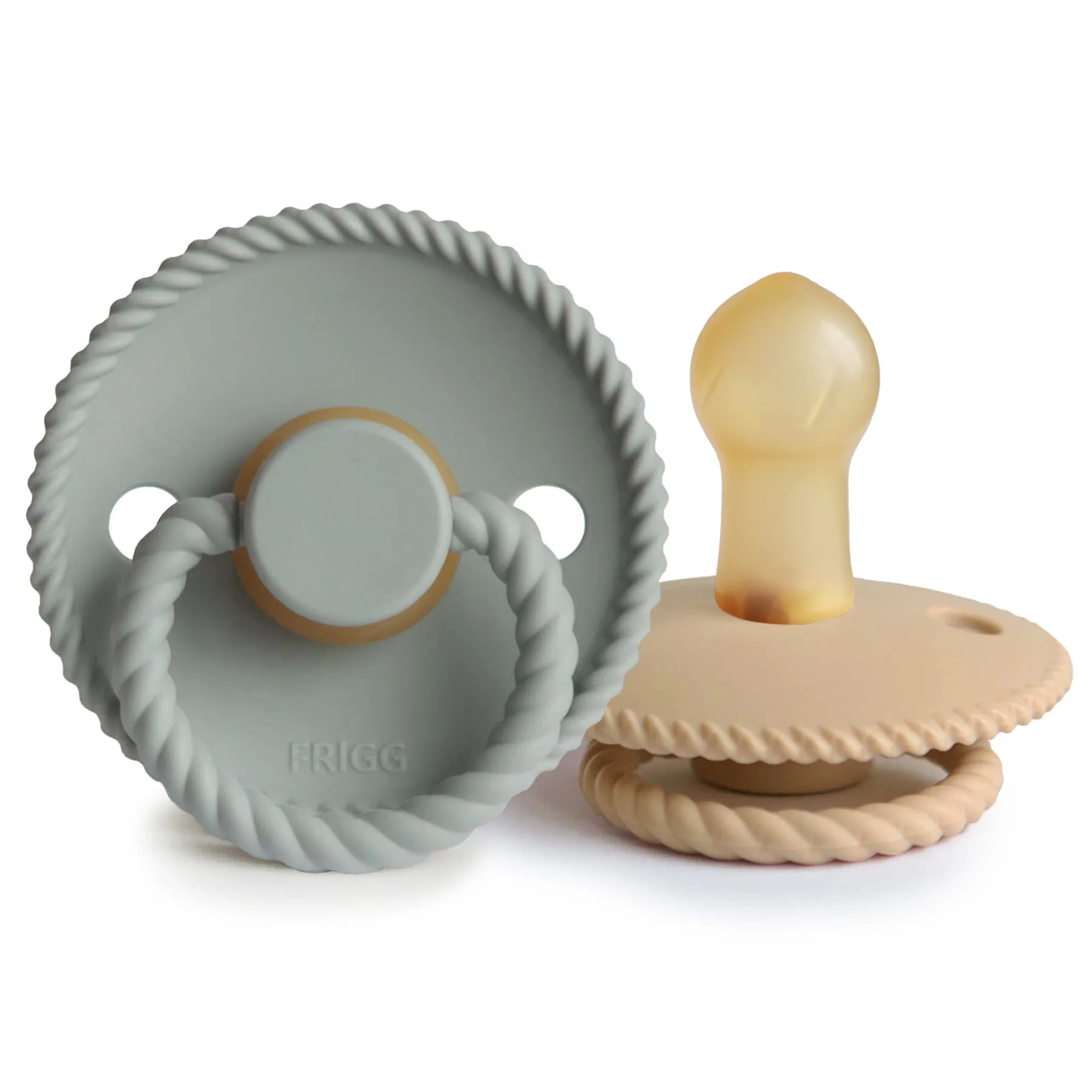
FRIGG Rope Natural Rubber Pacifier 2-Pack
Glass bottles remain a classic choice, and many 2025 versions come with silicone sleeves for added grip and protection. These bottles are perfect for parents who prioritize purity—glass doesn't absorb odors or flavors, and it's endlessly recyclable. Some brands now offer measurement markings etched directly into the glass, eliminating the need for printed labels that can wear off.
The Best Sippy Cups for 2025: Sustainable and Functional
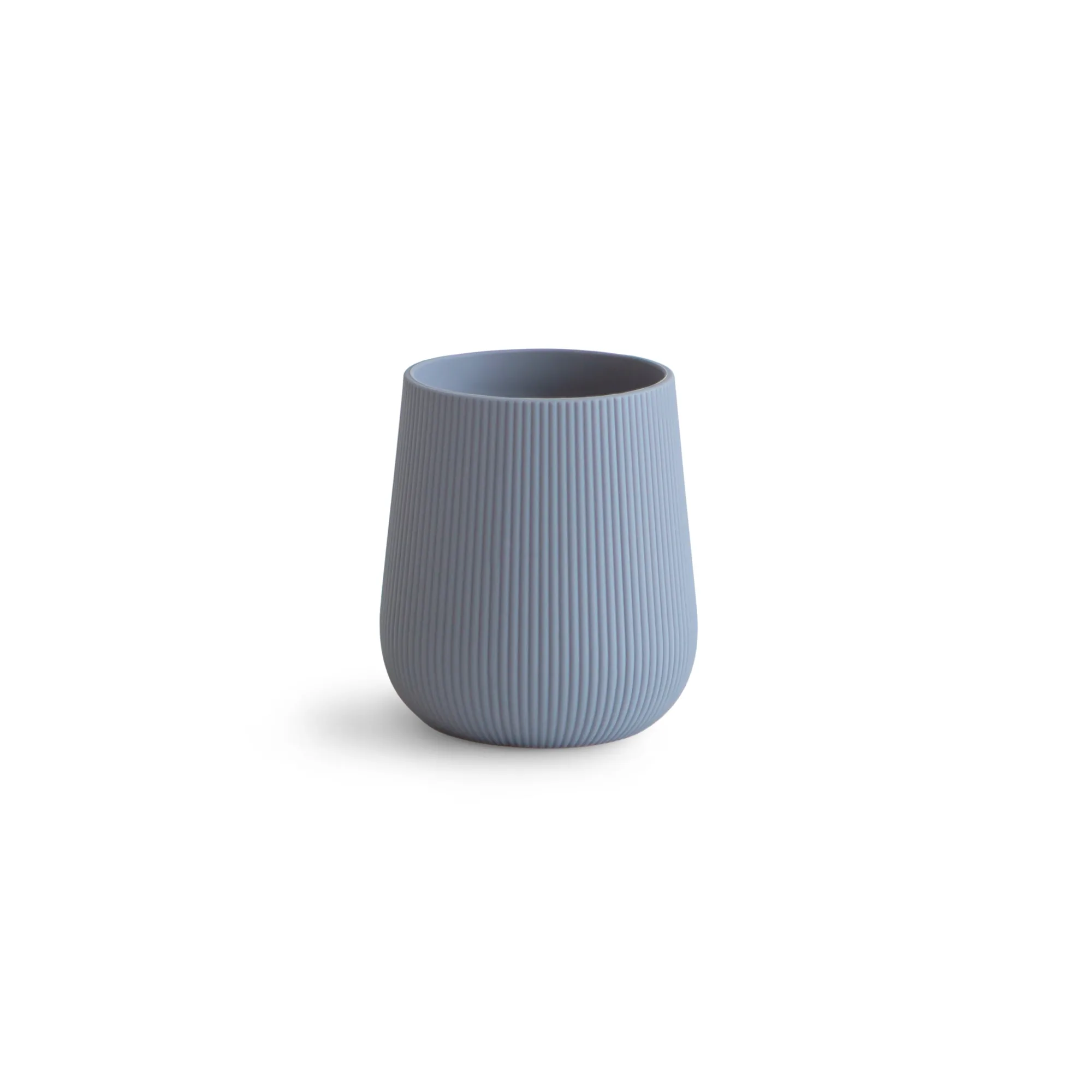
Transitioning from bottle to cup is a major milestone, and the right sippy cup can make it smoother. In 2025, the most eco-friendly sippy cups are made from silicone or stainless steel, with soft spouts that are gentle on emerging teeth. One standout is the Spout Cover, a silicone accessory that fits over standard cup rims to turn any open cup into a spill-proof training cup. It's a brilliant, low-waste solution that eliminates the need for a dedicated sippy cup.
For toddlers ready for straw drinking, consider cups with silicone straws and weighted bases that allow drinking from any angle. These cups are often compatible with interchangeable lids, so you can switch from straw to spout as your child grows. The Silicone Replacement Straws - 5 Pack is a handy accessory that extends the life of your favorite straw cups, reducing the need to buy entirely new sets when straws wear out.
- Look for cups with soft, silicone spouts that are gentle on gums and teeth.
- Choose cups with interchangeable lids to adapt as your child's drinking skills develop.
- Invest in replacement parts like straws to keep your cups in use longer.
How to Care for Your Eco-Friendly Feeding Gear
Proper care extends the life of your sustainable bottles and cups. Most silicone and glass components are dishwasher-safe, but always place them on the top rack to avoid warping. For stainless steel, hand washing is recommended to preserve the finish. Avoid using abrasive scrubbers that can scratch surfaces and create hiding spots for bacteria.
Inspect silicone parts regularly for signs of wear, such as cloudiness or stickiness, which indicate it's time to replace them. Glass bottles should be checked for chips or cracks after any drop. By maintaining your feeding gear, you ensure it remains safe and functional for your child—and for any siblings who may use it later.
Real Parent Reviews: What Worked and What Didn't
We gathered feedback from a panel of parents who tested these products for one month. Many praised the versatility of convertible bottles that could be used with different nipple flows and later as sippy cups. One parent noted that the silicone bottles were a lifesaver during teething because her baby could chew on the spout without damaging it.
A common challenge was finding cups that didn't leak when tossed in a diaper bag. The best performers had a tight-sealing silicone valve that prevented spills even when the cup was upside down. Parents also appreciated cups with wide bases that were less likely to tip over during meal times. Overall, the consensus was that investing in high-quality, eco-friendly feeding products paid off in durability and peace of mind.
- Silicone bottles are great for teething babies who like to chew on spouts.
- Look for leak-proof designs with silicone valves for mess-free outings.
- Wide-base cups are more stable and less likely to tip during meals.
Choosing eco-friendly baby bottles and sippy cups in 2025 is a smart move for your child's health and the planet. Whether you opt for glass, stainless steel, or silicone, the key is to find products that are safe, durable, and adaptable. Start your sustainable feeding journey by exploring the Spout Cover, a clever accessory that transforms any cup into a training cup—perfect for reducing waste and encouraging independent drinking.