As a parent, you want the safest, healthiest environment for your child. That includes where they sleep. With growing awareness about chemicals in conventional products, many families are turning to eco-friendly mattresses for kids. But with so many options, how do you choose the best one? This guide breaks down what makes a mattress truly non-toxic, what certifications to look for, and highlights some of the best choices available today.
We'll explore materials like organic cotton, natural latex, and wool, and explain why they matter for your child's developing body. Whether you're transitioning from a crib or upgrading a twin bed, this guide will help you make an informed, eco-conscious decision.
Why Choose an Eco-Friendly Mattress for Your Child?
Conventional mattresses often contain polyurethane foam, flame retardants, and volatile organic compounds (VOCs) that can off-gas into the air your child breathes. Young children spend up to 12 hours a day sleeping, so their exposure to these chemicals is significant. Eco-friendly mattresses are made with natural, non-toxic materials that reduce this risk, supporting better respiratory health and overall well-being.
Beyond health, eco-friendly mattresses are typically more durable and sustainable. They are built to last through years of use and are often biodegradable or recyclable at end of life. Choosing organic also supports farming practices that are better for the planet. For many parents, the peace of mind that comes from knowing their child sleeps on a safe surface is priceless.
- Look for certifications like GOTS (Global Organic Textile Standard) and GREENGUARD Gold to ensure low chemical emissions.
Key Features to Look For in a Non-Toxic Kids Mattress
When shopping for an organic mattress, start with the core. Natural latex is a popular choice because it's naturally resistant to dust mites and mold, and it provides excellent support. Avoid polyurethane foam and memory foam, which often contain chemical additives. Instead, look for cores made from organic cotton, wool, or natural latex.
The cover should be made from organic cotton or wool, both of which are breathable and naturally flame-resistant. Wool also helps regulate temperature, keeping your child cool in summer and warm in winter. Finally, check for waterproof or water-resistant features—especially for younger children—but ensure those layers are also non-toxic, such as organic cotton with a plant-based waterproof coating.
- Natural latex cores are durable and supportive for growing bodies.
- Organic cotton and wool covers are breathable and free from synthetic flame retardants.
Top Eco-Friendly Mattress Options for Kids
One standout option is the Naturepedic 4-Sided Changing Pad, which is perfect for infants and toddlers. It features an organic cotton top and a waterproof surface made without PVC or phthalates. This pad is designed to fit standard changing tables and provides a safe, non-toxic surface for diaper changes and naps. It's also GREENGUARD Gold certified, ensuring low chemical emissions.
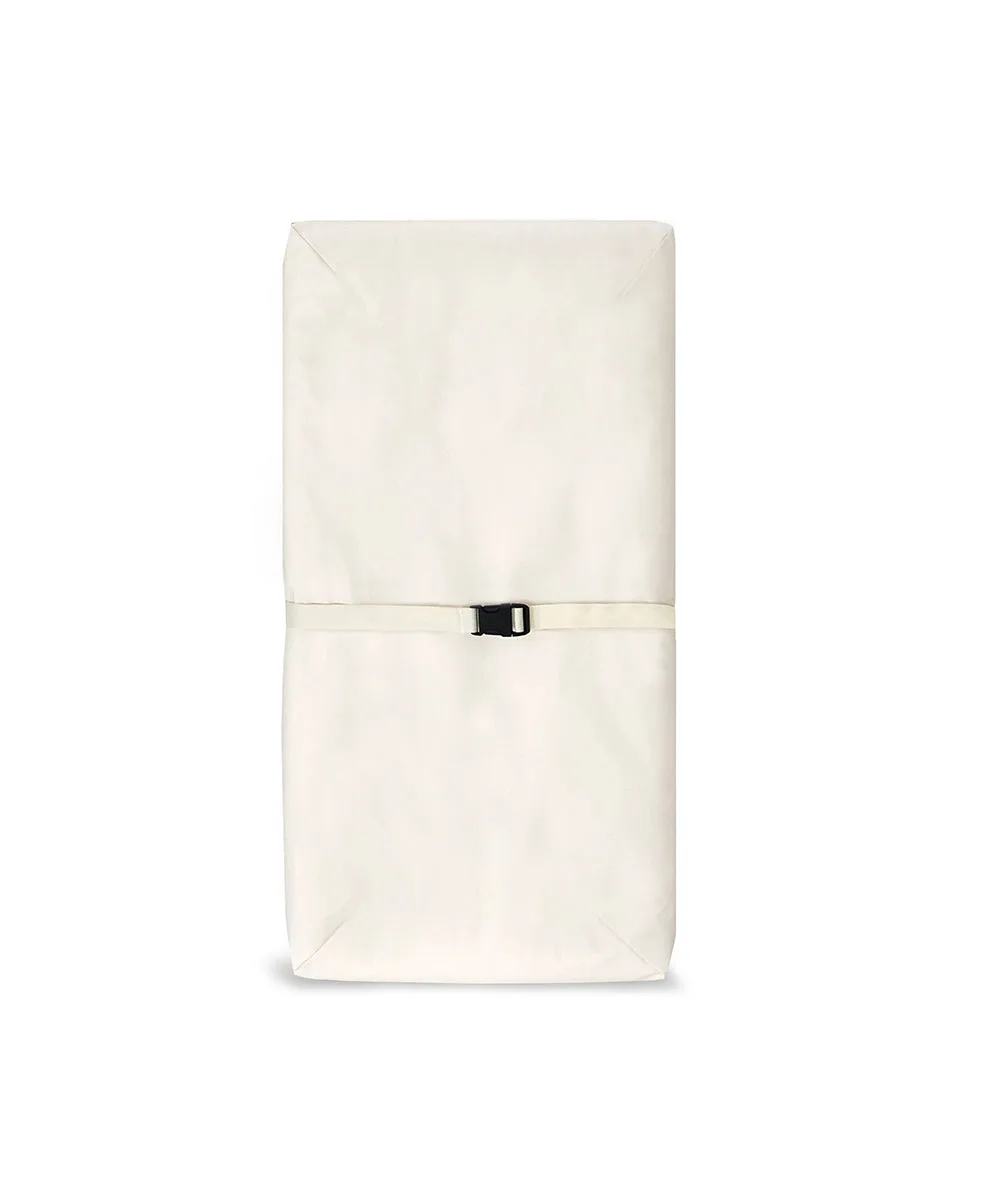
Naturepedic 4-Sided Changing Pad
For older children transitioning to a twin bed, consider a mattress with a natural latex core and organic cotton cover. These mattresses offer excellent support and durability, often lasting through the teen years. Many eco-friendly brands also offer customizable firmness options to suit your child's sleep style. Pairing the mattress with a breathable organic mattress protector can extend its life and maintain its non-toxic properties.
- Naturepedic 4-Sided Changing Pad is a great non-toxic option for infants.
- Look for twin or full-size organic mattresses with natural latex cores for older kids.
How to Transition from Crib to Twin Bed Safely
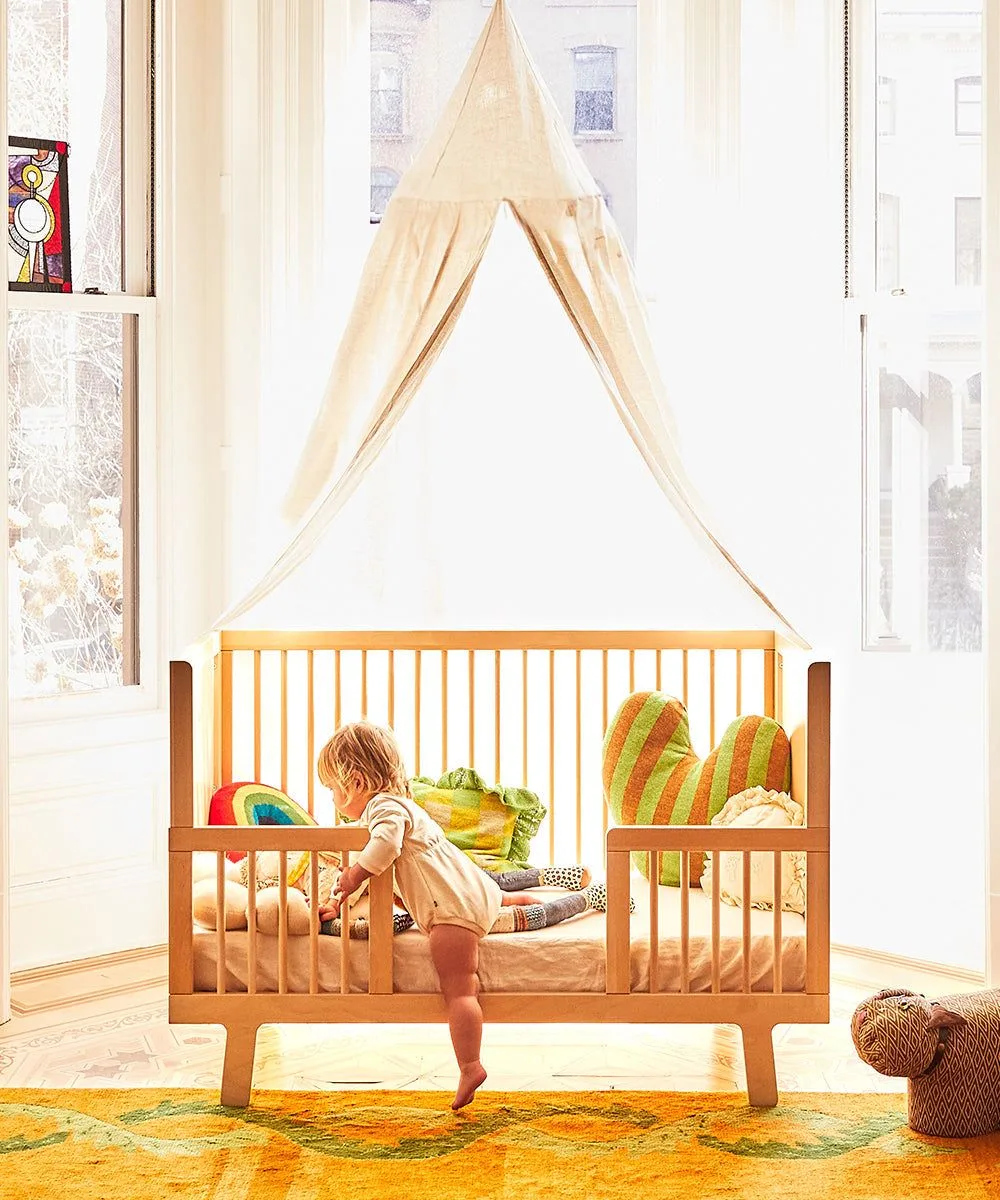
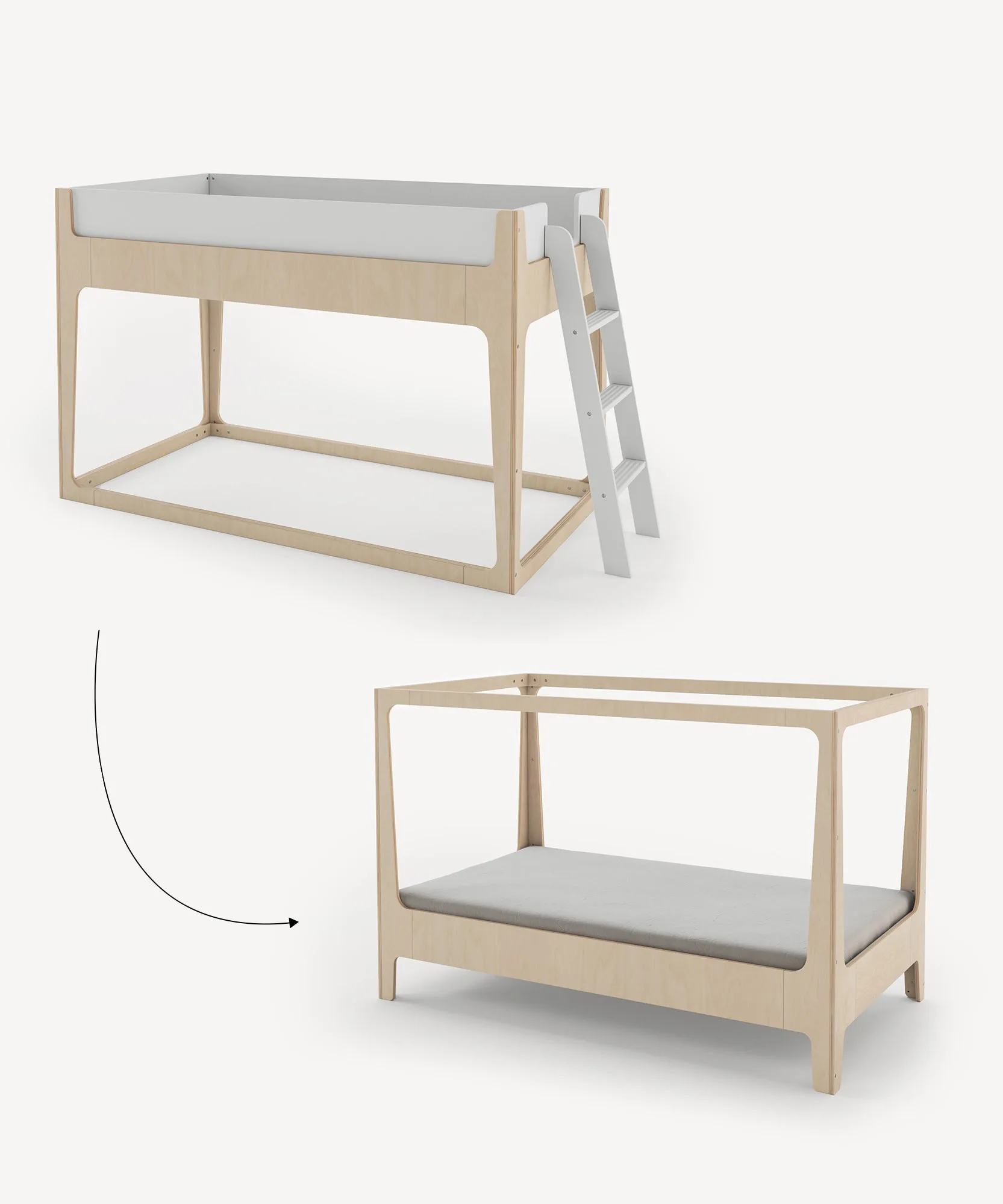
Moving your child from a crib to a twin bed is a big milestone. To make the transition smooth, involve them in choosing their new mattress and bedding. Explain that the new bed is a 'big kid' bed and let them help set it up. Safety is key: use a low-profile bed frame or a mattress on the floor initially to prevent falls.
A great accessory for this stage is the Security Bed Rail, which provides a gentle barrier to prevent rolling out of bed during the night. It attaches easily to most twin bed frames and is adjustable to fit different mattress thicknesses. Combining a non-toxic mattress with a secure bed rail gives you both peace of mind as your child enjoys their new independence.
Security Bed Rail
- Let your child help pick bedding to build excitement for the new bed.
- Use a bed rail for safety during the first few months of transition.
Caring for Your Eco-Friendly Mattress
To keep your organic mattress in top condition, use a waterproof organic cotton mattress protector. This shields the mattress from spills and accidents without introducing harmful chemicals. Air out the mattress periodically by stripping the bedding and opening a window to allow natural ventilation.
Spot clean stains with a mild, eco-friendly detergent and warm water. Avoid harsh chemicals or bleach, which can damage natural fibers and compromise the mattress's non-toxic qualities. With proper care, an eco-friendly mattress can last 8-10 years, making it a worthwhile investment for your child's health and the environment.
- Rotate the mattress every few months to ensure even wear.
- Use a gentle, plant-based cleaner for spot cleaning.
Choosing an eco-friendly mattress for your child is one of the best decisions you can make for their health and the planet. From the Naturepedic 4-Sided Changing Pad for infants to organic twin mattresses for growing kids, there are excellent non-toxic options available. Prioritize certifications like GOTS and GREENGUARD Gold, and pair your mattress with safe accessories like the Security Bed Rail for a complete, worry-free sleep setup. Explore our collection to find the perfect organic mattress for your little one today.