Exfoliating serums are one of the most effective ways to resurface your skin, fade dark spots, and unclog pores. But with so many options on the shelf, it’s easy to grab the wrong bottle and end up with redness or breakouts instead of that glow. The key is understanding the difference between AHAs and BHAs, then matching them to your skin’s specific needs.
Whether you’re dealing with congestion, fine lines, or uneven texture, this guide walks you through exactly what to look for in an exfoliating serum. You’ll also learn how to layer it safely and which supporting products can help maintain your skin barrier long after you rinse.
Alpha Hydroxy Acids vs Beta Hydroxy Acid: What’s the Difference?
AHAs are water-soluble acids that work on the skin’s surface. They dissolve the bonds between dead skin cells, revealing a brighter, more even layer underneath. Glycolic acid (the smallest AHA) penetrates deepest, making it great for anti-aging, while lactic acid is gentler and also hydrating. BHAs like salicylic acid are oil-soluble, so they travel deep into pores to clear out sebum and dead cell buildup. That makes them the go-to for blackheads, whiteheads, and oily skin.
Many modern serums combine both types for a more complete resurfacing effect. For example, the Resurfa AHA & BHA Exfoliating Serum blends glycolic, lactic, and salicylic acids to address surface texture and pore congestion at the same time. If you’re new to chemical exfoliants, start with a lower concentration and build up tolerance before trying a multi-acid formula.
- AHAs are best for dry or sun-damaged skin types that need surface renewal and hydration.
- BHAs are ideal for oily, combination, or acne-prone skin because they penetrate pores and reduce inflammation.
How to Choose Based on Your Skin Type
Oily and acne-prone skin typically responds best to a BHA-focused serum, but a balanced AHA/BHA combo can also work. If your skin is thick and tends to break out, look for salicylic acid in concentrations around 1% to 2%. For dry or mature skin, stick to AHAs like lactic or mandelic acid, which are larger molecules that exfoliate more gently while retaining moisture. Sensitive types should avoid high-strength glycolic acid and instead opt for polyhydroxy acids (PHAs) or low-concentration lactic acid.
Combination skin can benefit from alternating or using a product with a mix of acids at lower percentages. The Resurfa AHA & BHA Exfoliating Serum, for instance, contains a moderate blend that works for many skin types when used twice a week. Always patch test and watch for signs of over-exfoliation like stinging or tightness. If your skin feels irritated, cut back frequency and add a calming toner like HydraOat Calming Toner to restore balance.
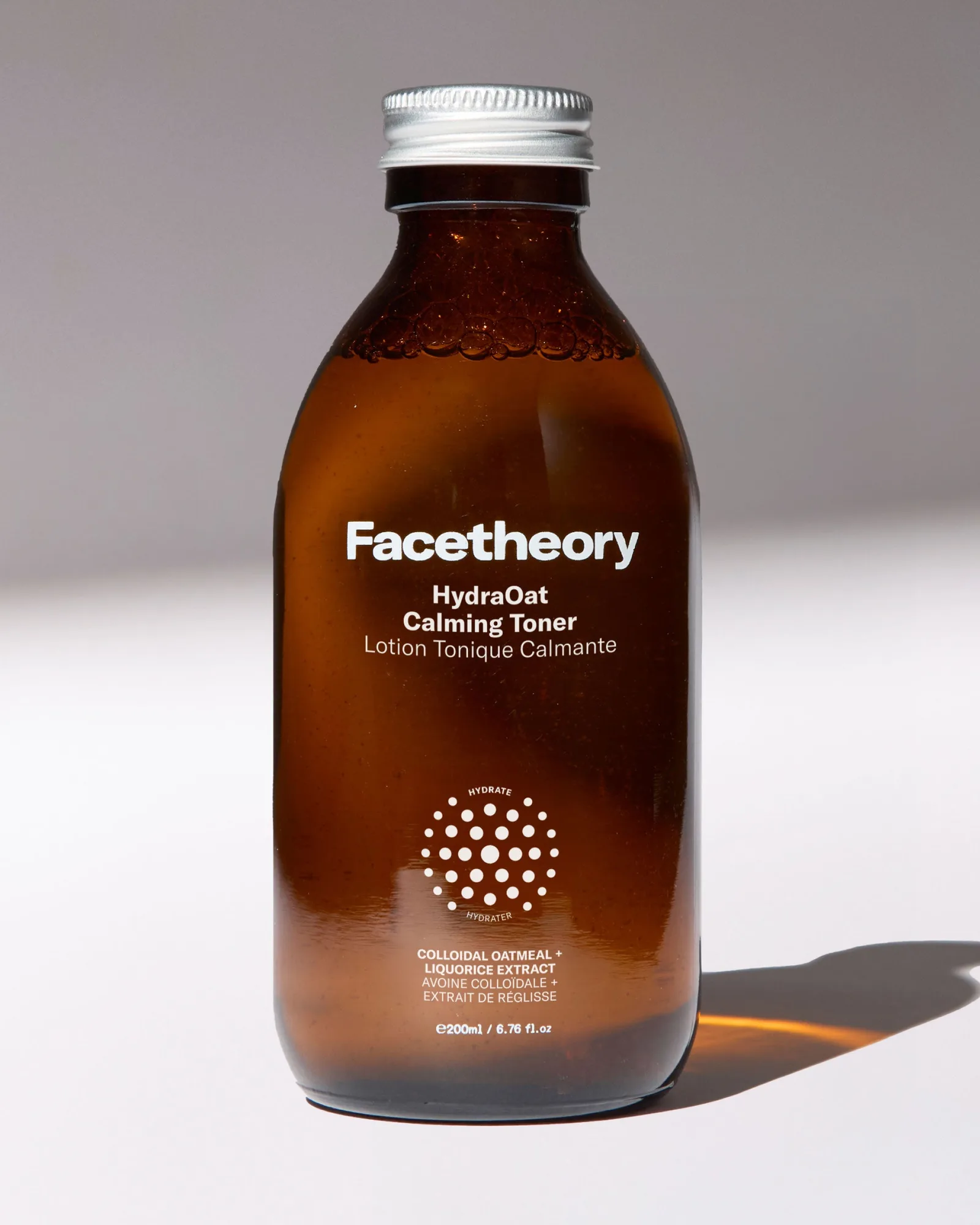
HydraOat Calming Toner
- Oily skin: BHAs (salicylic acid) 1–2%
- Dry skin: AHAs (lactic, mandelic) ≤ 10%
- Sensitive skin: PHAs or low % lactic acid
How to Add an Exfoliating Serum to Your Routine Safely
Start slow. Use your AHA or BHA serum once a week for the first two weeks, then gradually increase to two or three times weekly depending on your skin’s tolerance. Apply it after cleansing and before heavier moisturisers. Don’t combine with other strong actives like retinol or vitamin C in the same session – rotate them on different nights to avoid irritation. Always use SPF in the morning because AHAs increase photosensitivity.
After exfoliating, follow up with a niacinamide serum to support the skin barrier and reduce any potential redness. The Porebright Niacinamide 10% Refining Serum is a lightweight option that calms inflammation and refines pores without adding oil. For anti-aging benefits, you can layer a retinoid on separate nights – for instance, the Encapsulated Retinol 3% Renewing Serum works well with a gentle exfoliation schedule.
- Apply exfoliating serum to dry, clean skin and wait 30 seconds before layering other products.
- Never use AHA/BHA and retinol in the same routine unless you have built up serious tolerance.
The best exfoliating serum for your face depends entirely on your skin type and goals. AHAs brighten and renew the surface, while BHAs clear pores from within. Start with a gentle concentration, go slow, and support your skin with barrier-friendly ingredients like niacinamide and soothing toners. With the right product and routine, you’ll achieve that smooth, resurfaced complexion without the irritation.