When you're miles from the trailhead, a well-stocked first aid kit is your lifeline. Whether you're day hiking, backpacking, or setting up camp, the right supplies can mean the difference between a minor inconvenience and a serious emergency. In 2026, outdoor enthusiasts have more choices than ever, from ultra-compact kits to comprehensive medical packs.
This guide breaks down the best first aid kits for hiking and camping, focusing on durability, portability, and the essentials you actually need. We'll also share tips on how to customize your kit for specific adventures, so you can hit the trail with confidence.
What to Look for in a Hiking First Aid Kit
Not all first aid kits are created equal. For hiking and camping, you need a kit that's lightweight, waterproof, and organized for quick access. Look for kits with durable, tear-resistant bags and clear compartments so you can find supplies fast when adrenaline is high.
Consider the length and difficulty of your trips. A day hike might only need a few bandages and antiseptic wipes, while a multi-day backpacking trip requires more comprehensive gear like blister treatments, pain relievers, and emergency blankets. Also think about the climate and terrain—snake bite kits and heatstroke supplies may be necessary in some regions.
- Waterproof or water-resistant casing
- Modular organization (e.g., separate pouches for different categories)
- Lightweight and packable design
- Include emergency items like a blanket or whistle
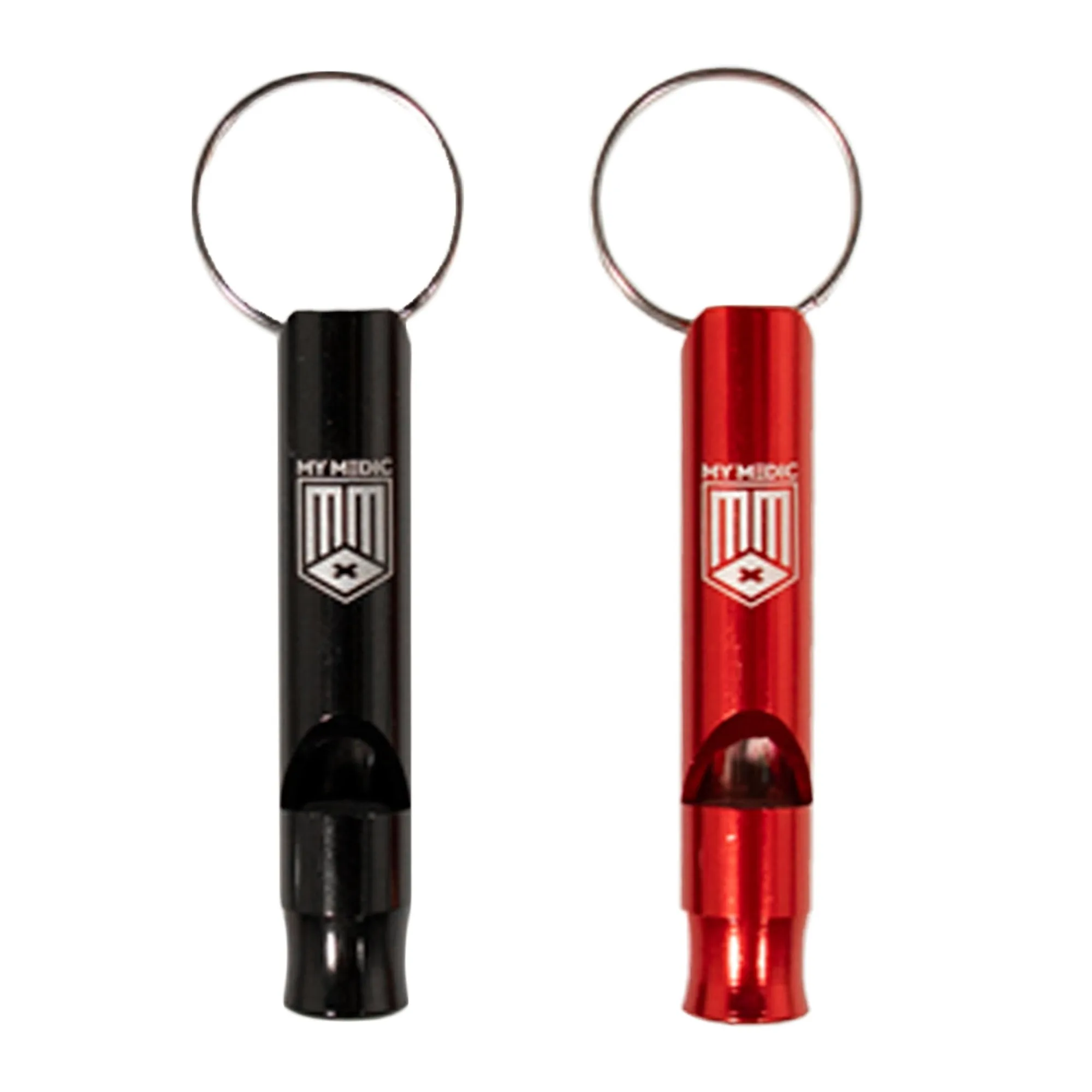
whistle
Top Picks: The Best Hiking First Aid Kits of 2026
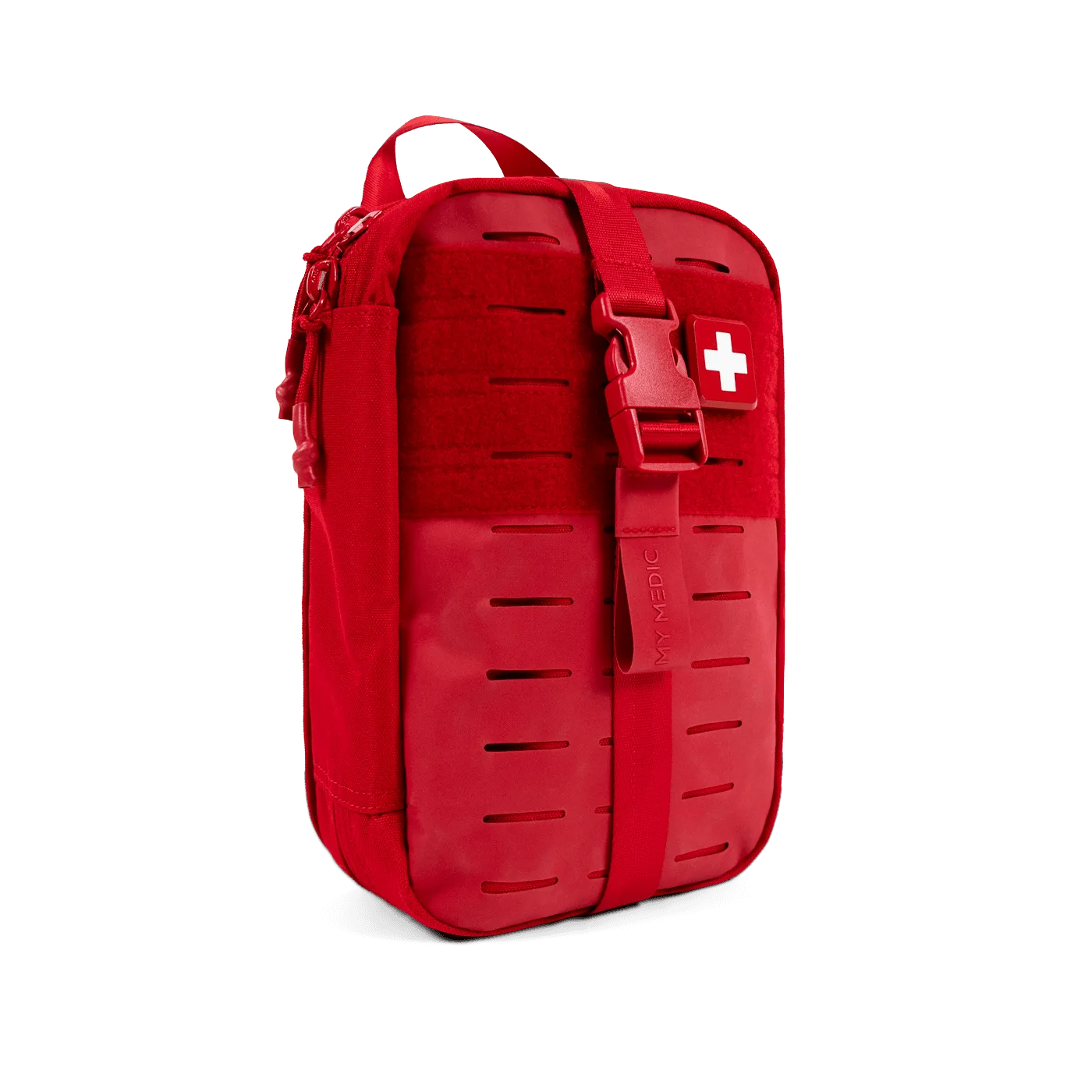
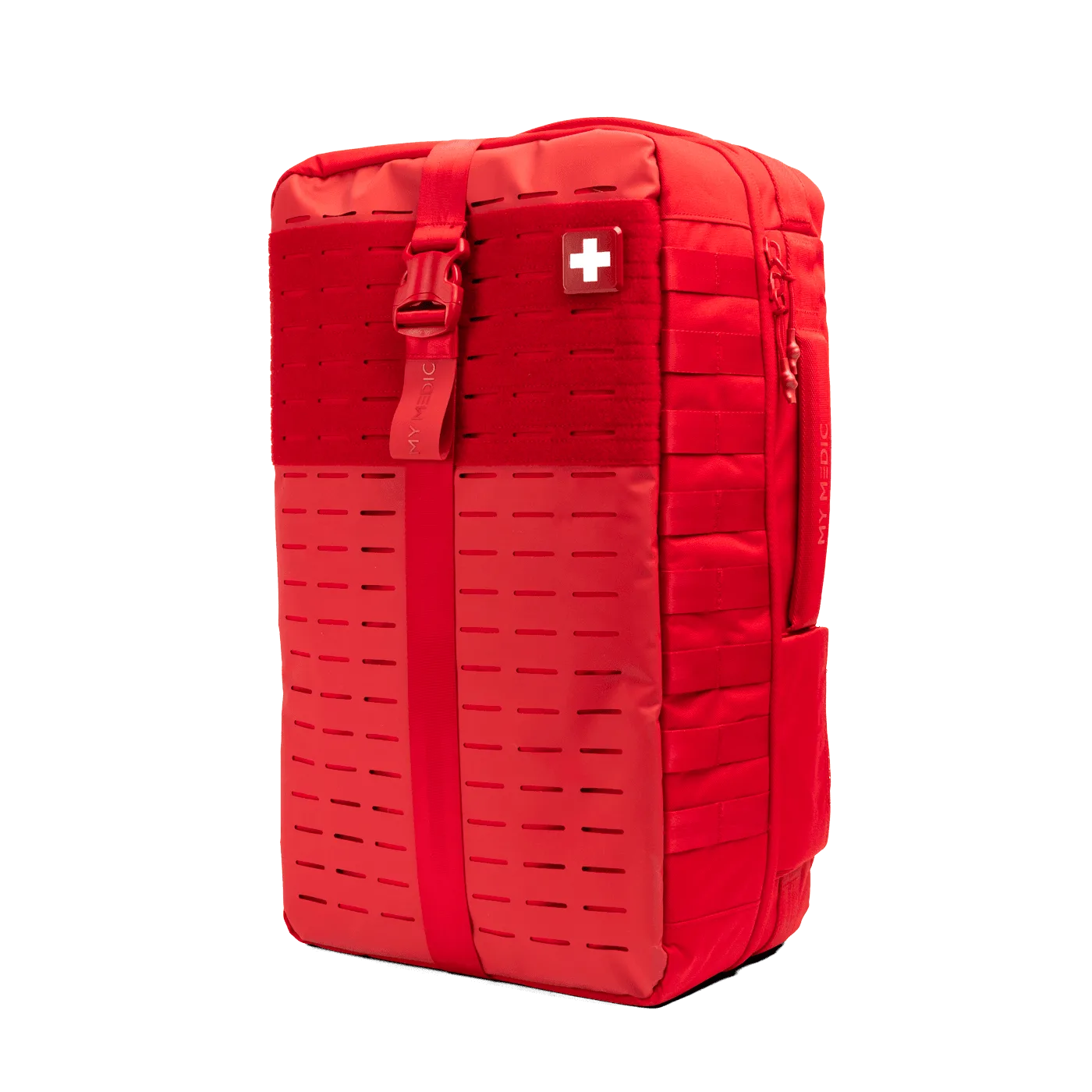
After evaluating dozens of kits, we've narrowed down the top options for outdoor enthusiasts. The https://mymedicem.com/products/myfak-large-380163MyFAK™ Large is a standout for serious hikers. It offers a comprehensive supply of medical gear in a rugged, MOLLE-compatible pouch that attaches to your pack or belt. With organized compartments, it's easy to find what you need in a pinch.
For those who prefer a lighter load, the MyFAK™ Mini is a compact yet capable option. It fits in the palm of your hand and includes the essentials for minor injuries, making it perfect for day hikes and ultralight backpacking. Despite its small size, it's packed with quality supplies that won't let you down.
- MyFAK™ Large: comprehensive, modular, ideal for group hikes
- MyFAK™ Mini: ultra-portable, great for solo day trips
- Wilderness Medic: advanced kit for backcountry expeditions
The Wilderness Medic: For Serious Backcountry Adventures
If you're planning an extended expedition or venturing into remote wilderness, the Wilderness Medic is worth considering. This kit is designed with input from medical professionals and includes advanced supplies like a tourniquet, chest seals, and suture materials. It's heavier and more expensive, but when you're days from help, it's a worthy investment.
The Wilderness Medic also features a detailed instruction booklet, so even those without formal medical training can provide effective care. It's a favorite among guides, search and rescue teams, and experienced adventurers who refuse to compromise on safety.
- Includes advanced trauma supplies
- Comes with a field guide for emergency procedures
- Durable, waterproof case
Essential Supplies for Your Camping First Aid Kit
Even the best kit may need customization. Consider adding items like Triangular Bandage for slings or immobilization, and Survival Rescue Blanket to retain body heat in case of shock or hypothermia. These versatile tools are lightweight and can be lifesavers.
Other essentials include blister care (moleskin or blister bandages), antihistamines for allergic reactions, and a small tube of antibiotic ointment. Don't forget personal medications and a copy of your emergency contacts and medical info.
- Triangular bandage for splinting and slings
- Emergency rescue blanket for warmth
- Blister treatment and pain relief
- Personal medications and emergency contact info
How to Customize Your Kit for Specific Activities
A one-size-fits-all approach rarely works for outdoor adventures. For water-based activities like kayaking, add a waterproof case and extra adhesive bandages. For winter hiking, include a thermal blanket and hand warmers. If you're hiking in snake country, consider a snake bite kit and a constriction band.
You can also build your own kit using modular components like the Tool MOD and Medication MOD. These pouches allow you to mix and match supplies, so you only carry what you need for the trip. This is a great way to stay prepared without weighing yourself down.
- Waterproof case for wet environments
- Thermal blanket for cold climates
- Snake bite kit for venomous regions
- Modular pouches for customizable organization
Maintaining and Refreshing Your Kit
A first aid kit is only useful if it's in good condition. Check your kit before every trip. Replace expired medications, restock used supplies, and ensure nothing is damaged or missing. Store your kit in a cool, dry place to prevent degradation of materials.
It's also wise to review the contents of your kit periodically. As your skills and needs evolve, you may want to add new items or upgrade your kit. For example, if you've taken a wilderness first aid course, you might feel confident carrying more advanced supplies.
- Check expiration dates on medications
- Replace used or damaged items
- Store in a dry, cool place
- Update contents based on trip type and skill level
Choosing the best first aid kit for hiking and camping is a personal decision that depends on your specific needs and experience level. Whether you opt for the comprehensive MyFAK™ Large or the compact MyFAK™ Mini, the key is to have a kit that's well-stocked, organized, and ready for action. Explore our full range of outdoor first aid kits and supplies to find the perfect match for your next adventure.