If you love to cook or bake, a dedicated food journal is more than just a notebook—it's a treasure trove of family recipes, culinary experiments, and sweet memories. Whether you're documenting a cherished family recipe or creating a dessert journal to celebrate your baking triumphs, the right journal can make all the difference. But with so many options available, how do you choose? This buying guide highlights the essential features to look for in a food and desserts journal, ensuring you pick a keepsake you'll love for years to come.
From the layout and paper quality to prompts and durability, we'll walk you through each aspect. We'll also touch on how a food memory book can become a family heirloom, passed down through generations. By the end, you'll know exactly what to look for—and what to avoid—when shopping for your next culinary companion.
Key Layout Features for Recipe Journaling
The layout is the heart of any recipe journal. A well-designed page should give you ample space to write ingredients, step-by-step instructions, and personal notes. Look for journals that offer a balance between structured fields and blank space. Some journals include pre-printed sections for prep time, servings, and difficulty level, which can be handy for quick reference. Others provide more free-form areas, perfect for sketching a plating idea or jotting down a spontaneous variation.
Consider how you like to record recipes. If you prefer a minimalist approach, a blank journal with dotted or lined pages might be ideal. On the other hand, if you want a guided experience, a journal with dedicated prompts can help you capture all the essential details. For example, the Food & Desserts Journal from Duncan & Stone Paper Co. offers a thoughtful layout that balances structure with flexibility, making it a popular choice among home cooks and bakers.
- Check if the journal has space for both ingredients and instructions on the same page.
- Look for pages that include a section for personal notes or variations.
- Consider whether you prefer lined, dotted, or blank pages for your writing style.
Durability and Paper Quality
A food journal is meant to be used—and often in the messy environment of a kitchen. That means durability is non-negotiable. Look for a journal with a sturdy cover, ideally one that can withstand frequent handling and the occasional splash of flour or sauce. A lay-flat binding is also a great feature, as it allows the journal to stay open while you cook or bake, keeping both hands free for the task at hand.
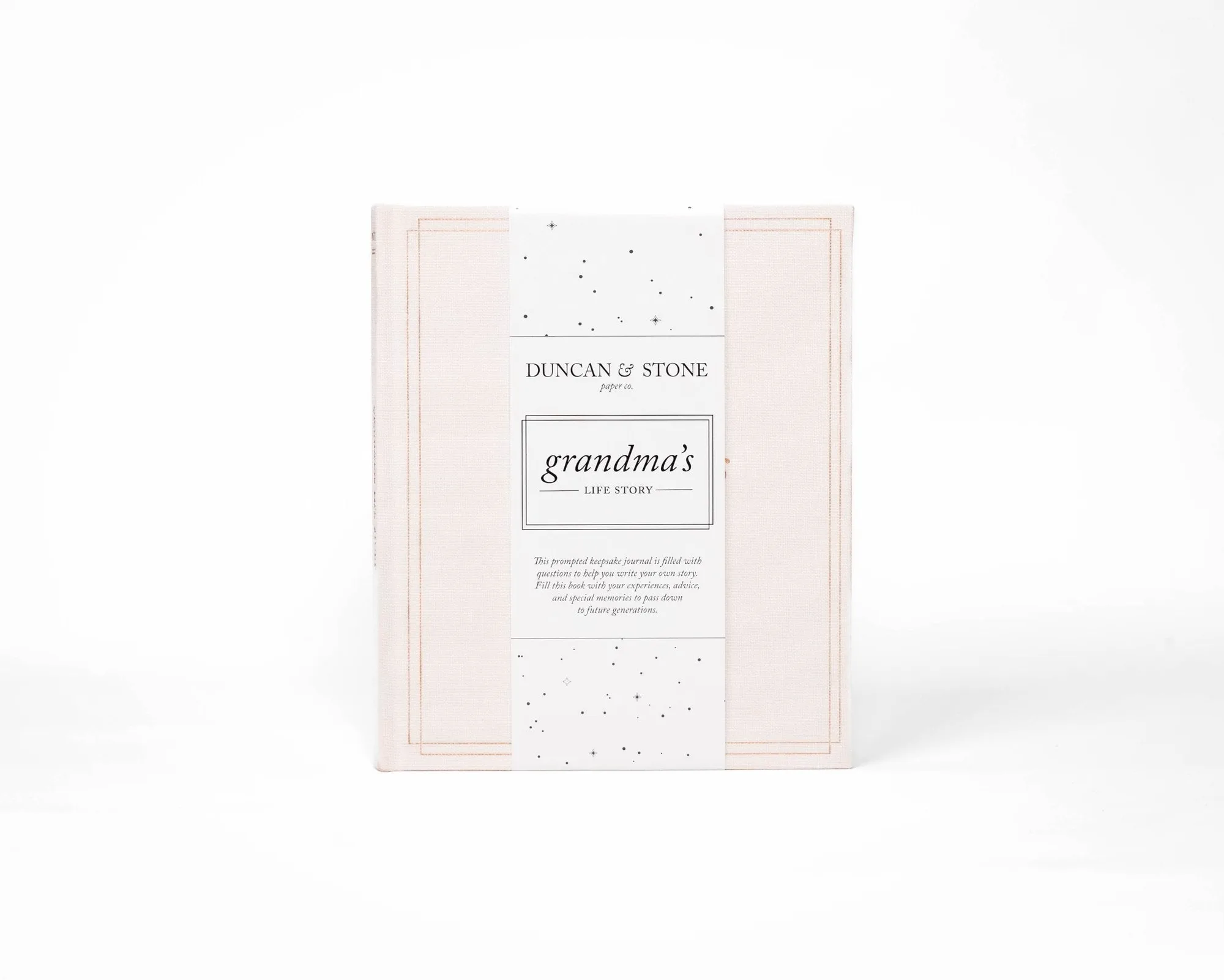
Paper quality matters too. Thick, acid-free paper prevents ink from bleeding through, especially if you use fountain pens or markers. It also ensures that your recipes will stand the test of time, resisting yellowing and deterioration. When you invest in a food memory book, you're creating a keepsake that you'll want to preserve for years, so don't compromise on paper quality. The Life Story Journal: Mom, while not specifically a food journal, exemplifies the high-quality paper and durable construction you should seek in any journal.
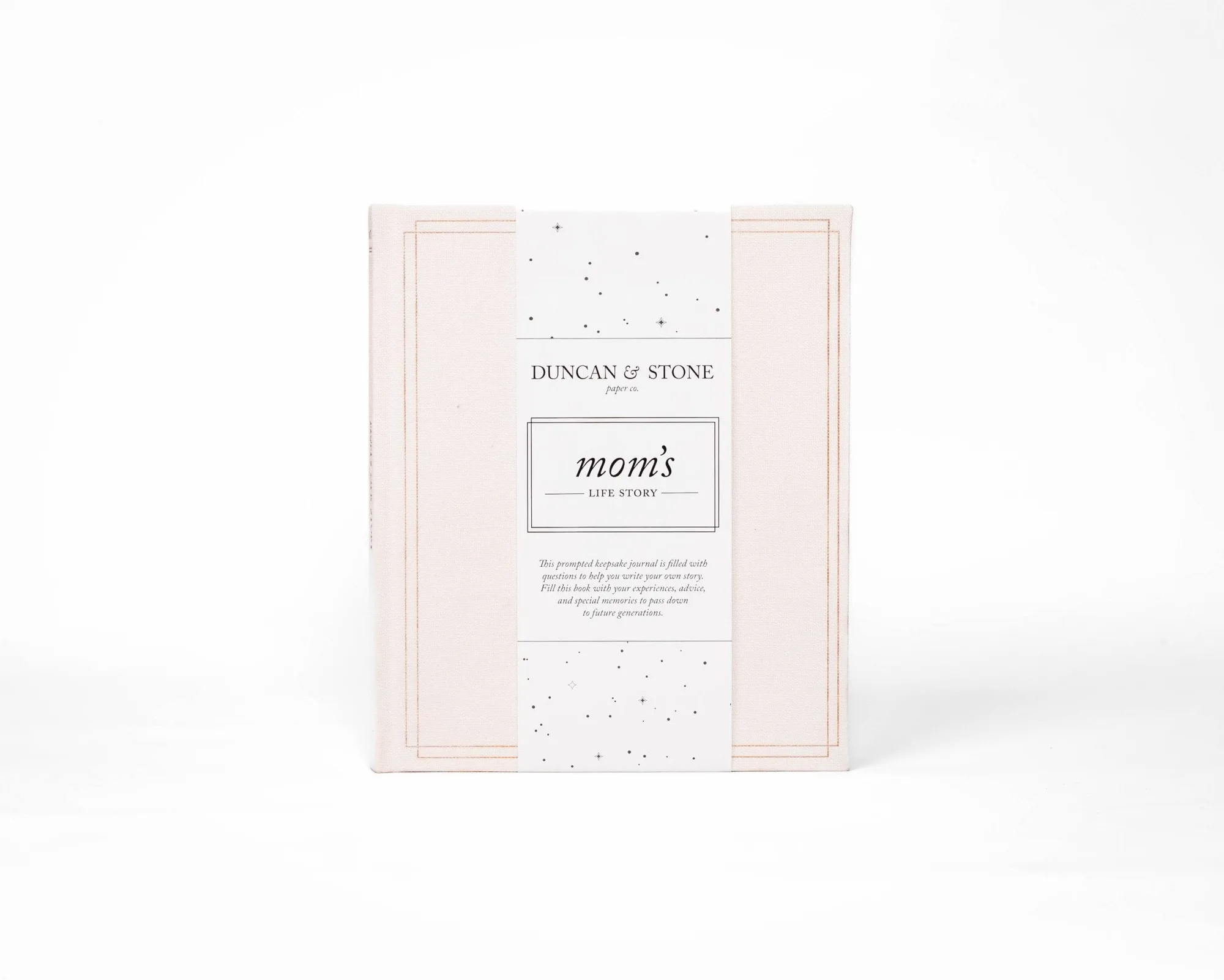
Life Story Journal: Mom
- Test the paper thickness by feeling it or checking the weight (gsm).
- Look for a cover that is wipeable and resistant to stains.
- Choose a binding that allows the journal to lay flat when open.
Prompts and Guided Sections
Prompts can transform a simple recipe journal into a rich culinary narrative. Many food journals include prompts like 'What's the story behind this recipe?' or 'What occasion did you make this for?' These questions encourage you to record more than just the ingredients—they capture the memories, the people, and the moments that make the food special. A dessert journal with thoughtful prompts can become a cherished family history, filled with stories of birthday cakes, holiday pies, and Sunday dinners.
When evaluating prompts, think about what matters to you. Do you want to document the origin of each recipe? Are you interested in rating the results or noting adjustments? Some journals offer a rating system or a space for photos, which can be wonderful for tracking your progress. The Teacher Journal, while designed for educators, demonstrates how guided sections can make journaling more meaningful—a feature that translates well to food journals.
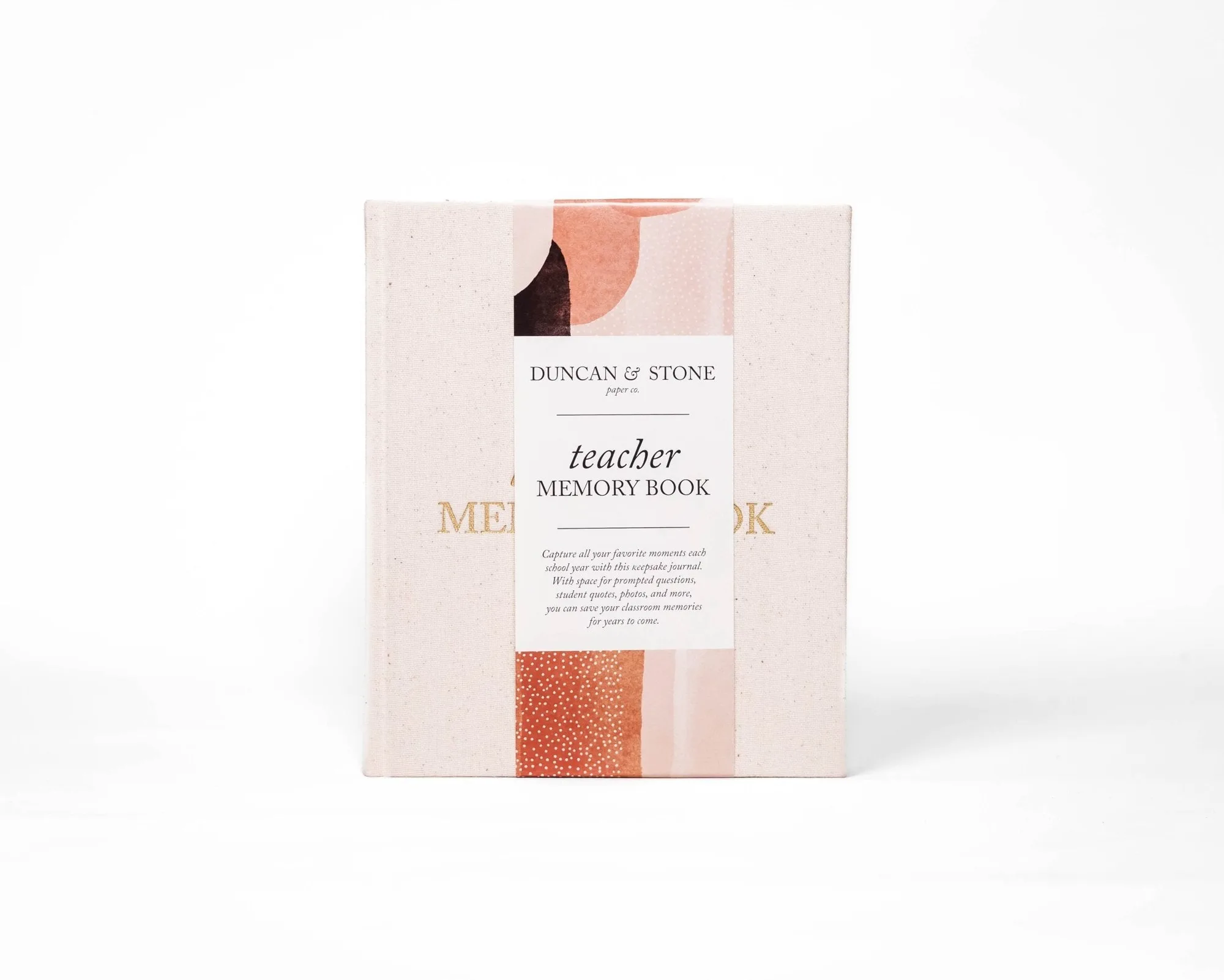
Teacher Journal
- Look for prompts that ask about the recipe's origin or the occasion.
- Consider if you want space for ratings or photo attachments.
- Choose a journal that balances prompts with free space for creativity.
Size and Portability
The size of your food journal affects how and where you'll use it. A large journal might be great for home use, with plenty of space for detailed notes, but it can be cumbersome to carry to a cooking class or a friend's house. A smaller, portable journal, on the other hand, is easy to slip into a bag, but it may limit how much you can write on each page. Consider your primary use case: are you documenting recipes at home, or do you want to take notes on the go?
Many people prefer a medium-sized journal that strikes a balance between portability and page space. The https://duncanandstones.com/products/blank-lined-journal-garden-party-261232Blank Lined Journal: Garden Party offers a versatile size that works well for both kitchen counter and tote bag. Think about whether you'll be writing while standing at the stove or sitting at a table, and choose a size that feels comfortable in your hands.
- Measure the dimensions and compare to your favorite books.
- If you travel often, consider a compact journal that fits in your bag.
- For home use, a larger journal may provide more creative freedom.
Personalization and Keepsake Value
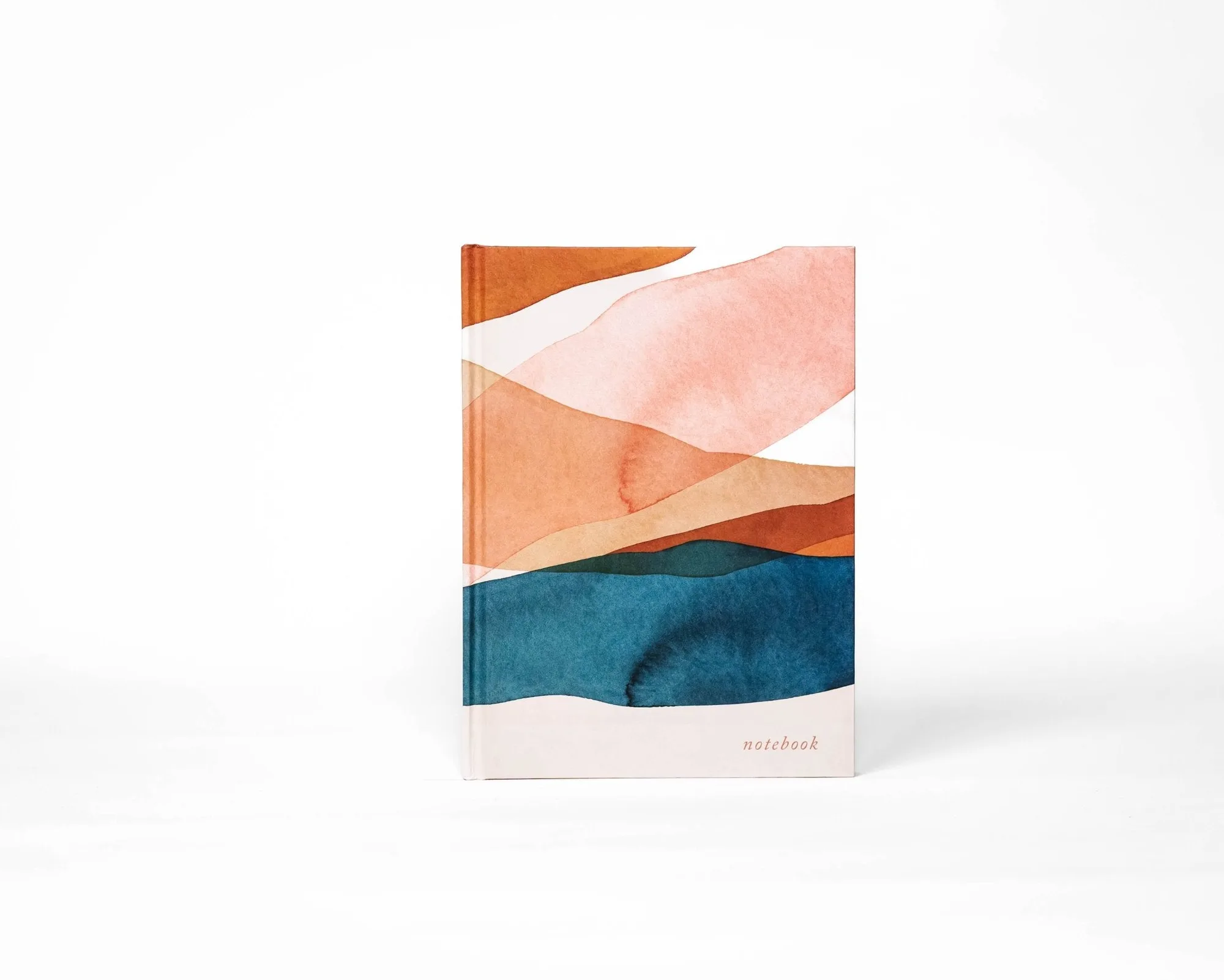
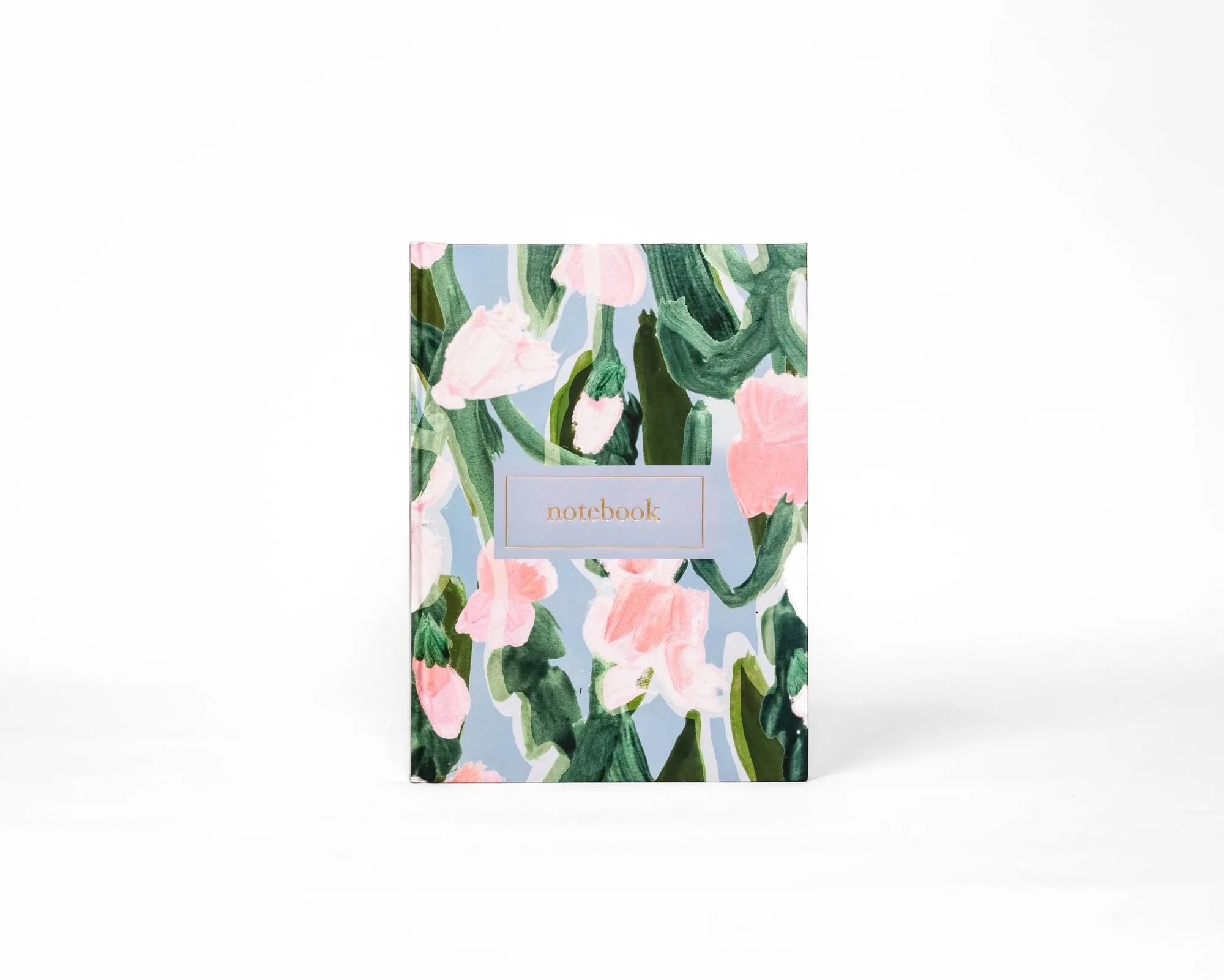
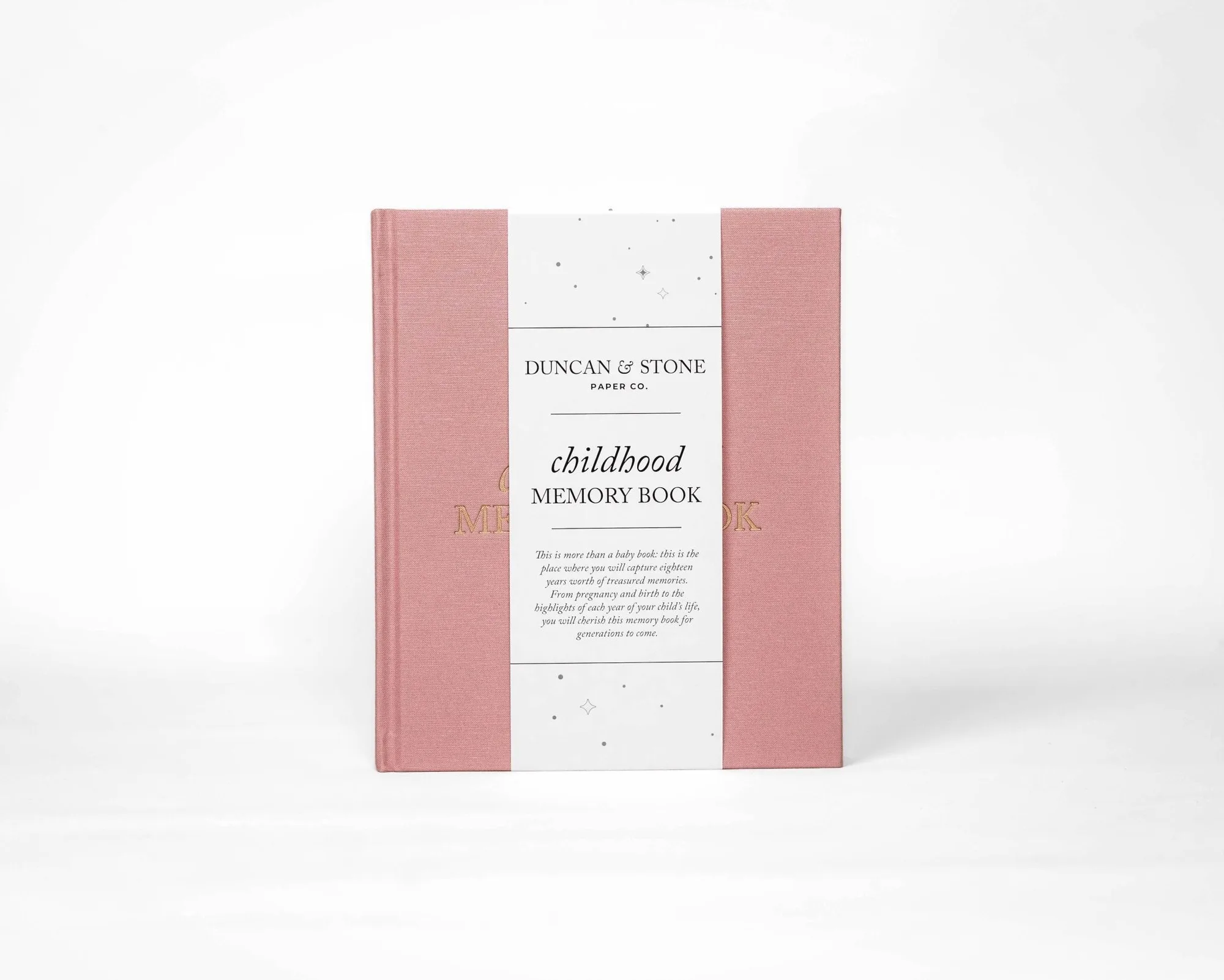
A food journal is more than a collection of recipes—it's a reflection of your personality and culinary journey. Look for journals that allow for personalization, whether through a cover that resonates with you, interior pages that can be decorated, or spaces to add photos and mementos. Some journals come with a beautiful design that makes them gift-worthy, while others are more utilitarian. The best food memory book is one that you'll be proud to display on your bookshelf and happy to pass down to future generations.
Consider the aesthetic appeal. Do you prefer a classic, timeless look or something more modern and playful? The School Photos Book, though focused on photos, shows how a journal can be designed to hold treasured memories, and the same principle applies to a food journal. When you choose a journal that feels personal, you're more likely to use it consistently and cherish it for years.
- Choose a design that reflects your style, whether minimalist or ornate.
- Look for journals with space for photos or other mementos.
- Consider whether you'd like to add a personal inscription or dedication.
Finding the perfect food and desserts journal is about more than just picking a pretty notebook—it's about choosing a tool that will help you document your culinary adventures and preserve your favorite recipes for generations. Focus on the layout, durability, prompts, size, and personalization options that matter most to you. Whether you're a seasoned chef or a home baker, the right journal can become a cherished keepsake. Explore the Food & Desserts Journal from Duncan & Stone Paper Co. to see how it combines all these features beautifully.