If you live in a space with limited natural light—perhaps a basement apartment, an interior room, or a north-facing window—you might think that growing houseplants is out of the question. The good news is that many beautiful, resilient plants thrive in low light conditions. In this guide, we'll explore the best indoor plants for low light, how to care for them, and tips for creating a lush indoor jungle even in the darkest corners. Whether you're a beginner or a seasoned plant parent, these shade-tolerant varieties will transform your space without demanding direct sunlight.
Understanding Low Light Conditions
Before diving into specific plants, it's important to define what "low light" means for indoor gardening. Low light typically refers to areas that are at least 5 feet away from a window, or rooms that receive only indirect, filtered light for a few hours a day. North-facing windows or rooms with small, obstructed windows often fall into this category. Contrary to popular belief, low light does not mean no light—most plants still need some ambient light to photosynthesize. However, certain species have evolved to thrive in the understory of forests, making them perfect for dimmer indoor environments.
Top 5 Shade-Tolerant Houseplants for Dark Rooms
Here are some of the most reliable and attractive plants that will flourish in low light conditions. We've selected varieties that are forgiving, easy to care for, and add greenery to any space.
1. Snake Plant (Sansevieria trifasciata)
The snake plant is practically indestructible. It tolerates low light, infrequent watering, and even neglect. Its tall, sword-like leaves add vertical interest to a room. Snake plants also improve air quality by filtering toxins. They are ideal for bedrooms, office corners, or any spot that gets little natural light. Water only when the soil is completely dry.
2. ZZ Plant (Zamioculcas zamiifolia)
The ZZ plant is another champion of low light. Its glossy, waxy leaves reflect light, brightening up dim spaces. It stores water in its rhizomes, so it can go weeks without watering. ZZ plants are perfect for forgetful plant parents. Place them in a corner with minimal light, and they'll still thrive.
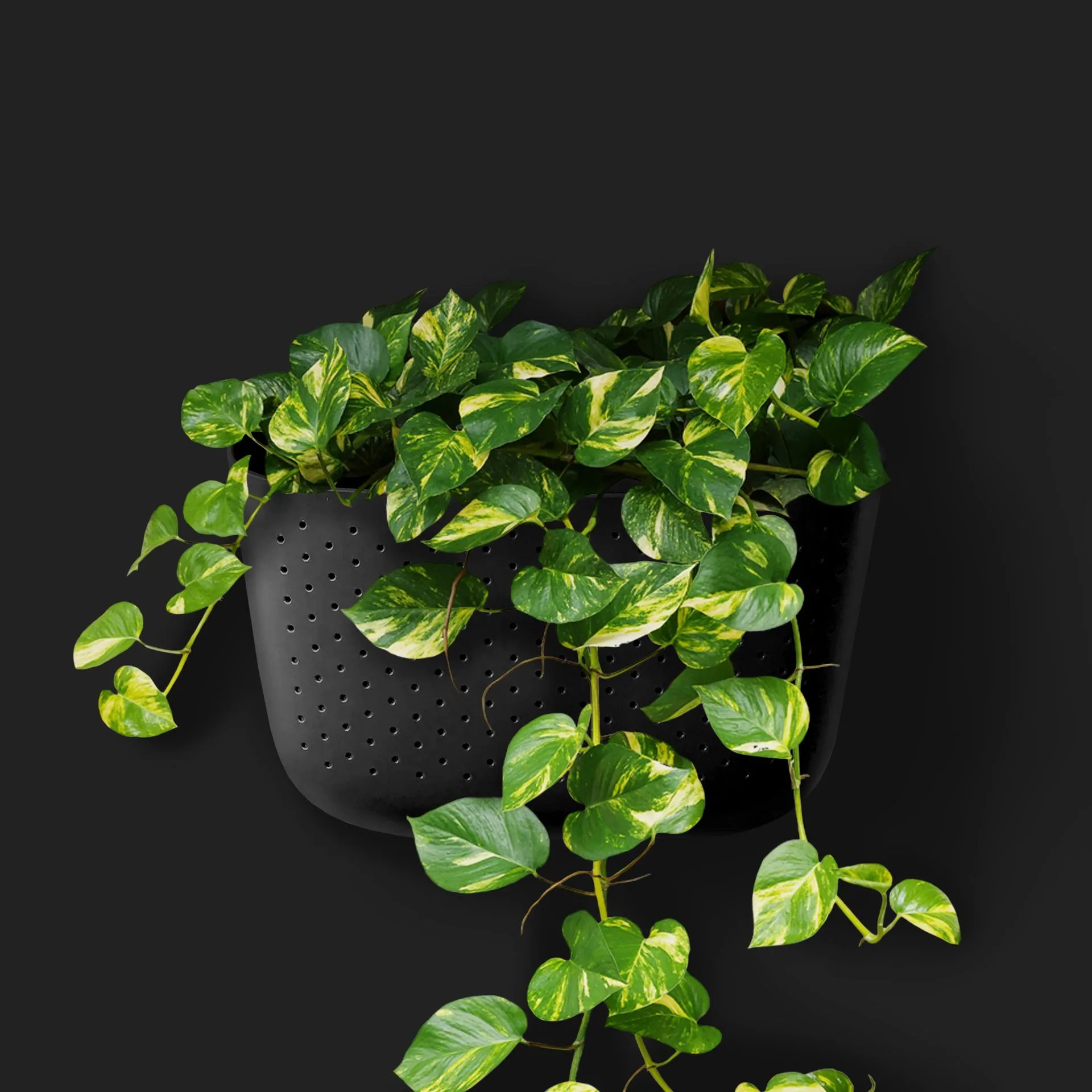
3. Pothos (Epipremnum aureum)
Pothos is a versatile trailing plant that adapts to low light, though its variegation may fade. It's one of the easiest plants to propagate—just cut a stem and place it in water. Pothos can be grown in hanging baskets, on shelves, or in terrariums. For a unique display, consider pairing it with a Terrarium to create a self-contained mini-ecosystem. Pothos is also excellent for purifying indoor air.
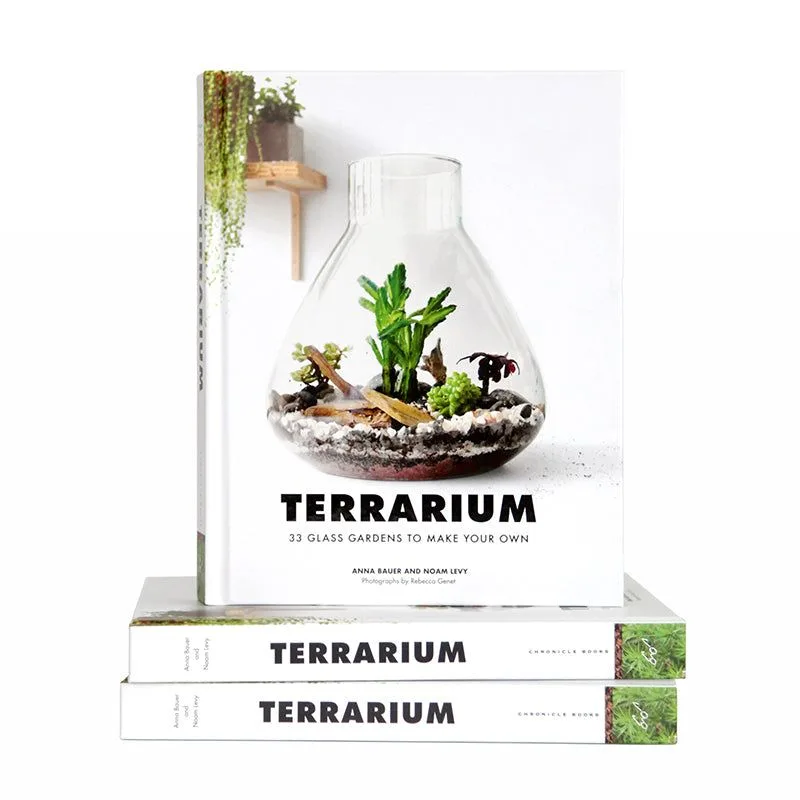
Terrarium
4. Peace Lily (Spathiphyllum)
Peace lilies are known for their elegant white blooms and dark green leaves. They thrive in low to medium light and will even produce flowers in dim conditions. Peace lilies are also dramatic—they droop when thirsty, signaling when it's time to water. Keep the soil consistently moist but not soggy. They are great for bathrooms or bedrooms with minimal light.
5. Cast Iron Plant (Aspidistra elatior)
True to its name, the cast iron plant can survive almost anything—low light, temperature fluctuations, and irregular watering. Its broad, arching leaves bring a tropical feel to dark rooms. It grows slowly but steadily, making it a low-maintenance choice for hallways or corners.
How to Care for Low Light Plants
Even shade-tolerant plants need some basic care to thrive. Here are essential tips:
- Water sparingly: Low light slows photosynthesis, so plants use less water. Overwatering is the most common cause of root rot. Always check the soil moisture before watering.
- Dust leaves regularly: Dust blocks sunlight, so clean leaves with a damp cloth to maximize light absorption.
- Rotate pots: Even low light is uneven. Rotate your plants every few weeks to ensure even growth.
- Consider supplemental light: If your room is extremely dark, a small grow light can help. However, many of the plants above will survive with ambient light alone.
Creative Ways to Display Low Light Plants
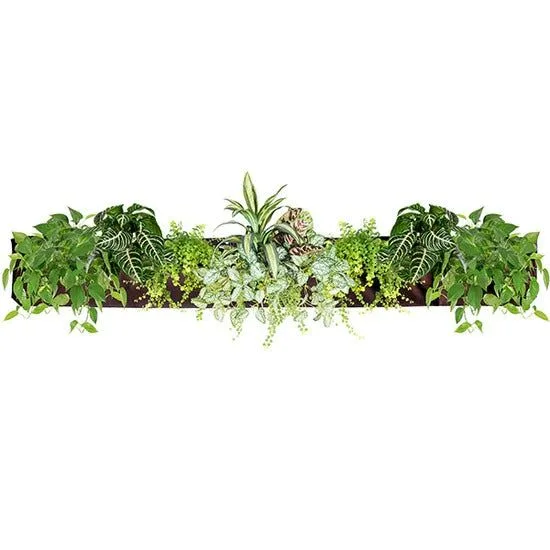
Just because a room is dark doesn't mean it can't be stylish. Use unique planters and accessories to elevate your indoor garden. For example, wall-mounted planters save floor space and create a living wall. The Pocket 3 Chocolate Wall Planter is a beautiful option for displaying trailing pothos or small ferns vertically. It adds warmth and texture to any wall, even in low light.
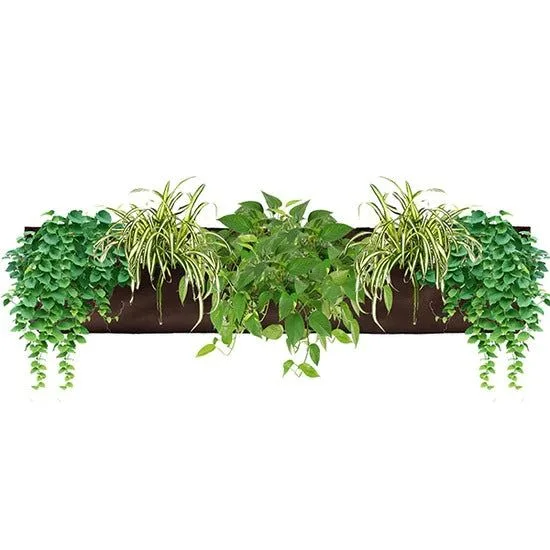
Pocket 3 Chocolate Wall Planter
Another creative idea is to group several small plants together in a terrarium. Terrariums create a humid microclimate that many low light plants love. You can even add decorative elements like pebbles or moss. The Terrarium offers a perfect glass enclosure for miniature ferns, mosses, and small pothos cuttings.
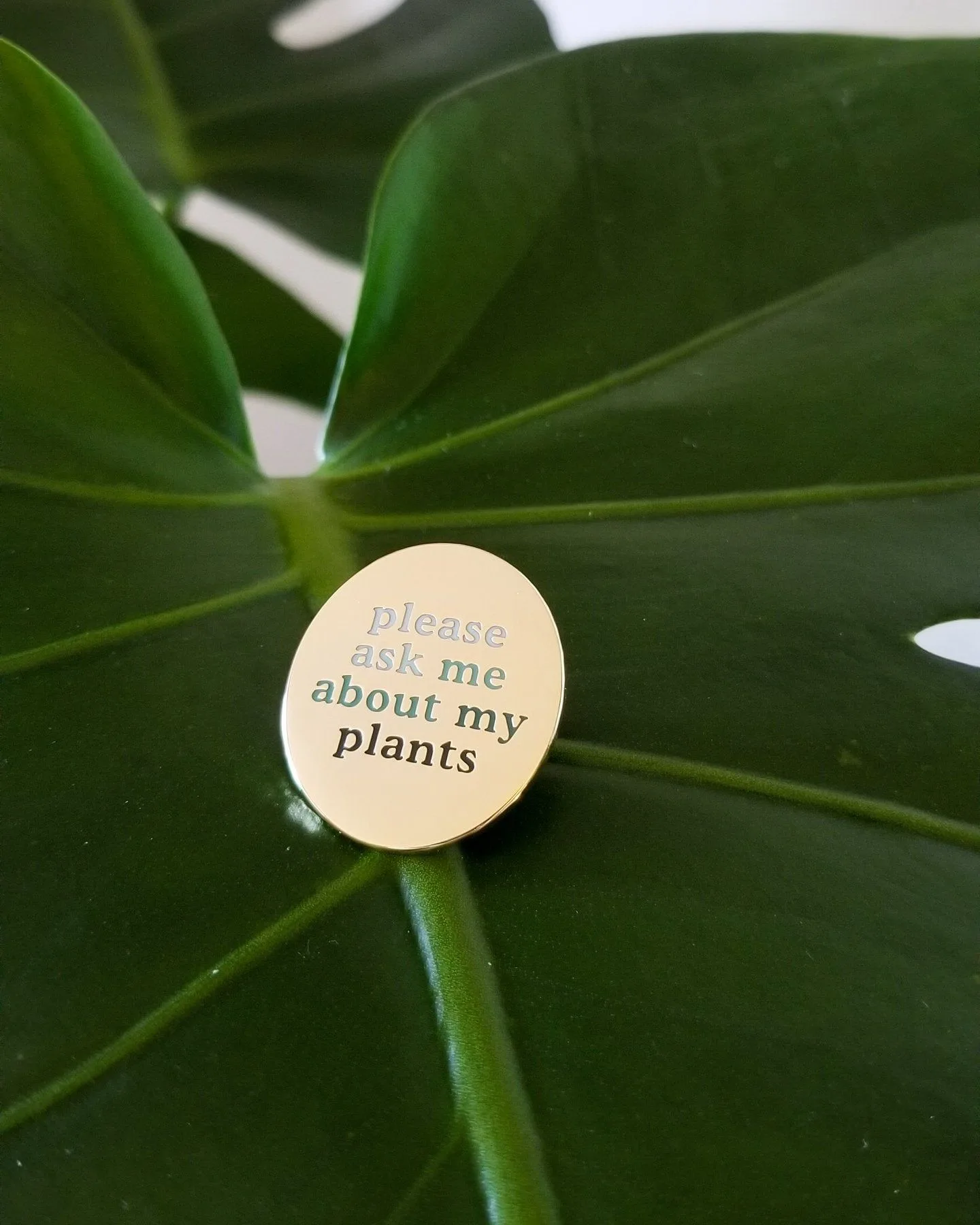
Don't forget about accessories that add personality. Sun catchers can brighten up a dark room by casting colorful reflections. The Monstera Suncatcher is a whimsical addition that brings plant-themed art to your window. While it won't provide light for your plants, it will lift your spirits.
Common Mistakes to Avoid
Mistake
Why It's Harmful
Solution
Overwatering
Low light reduces evaporation; roots rot easily
Water only when top 2 inches of soil are dry
Choosing high-light plants
They will stretch, fade, or die
Stick to shade-tolerant varieties listed above
Ignoring pests
Low light can make plants more susceptible to spider mites
Inspect leaves weekly; use neem oil if needed
Not using well-draining soil
Compact soil retains too much moisture
Use a potting mix with perlite or orchid bark
FAQs About Low Light Indoor Plants
Can any plant survive in a room with no windows?
No plant can survive in complete darkness for extended periods. However, you can use artificial grow lights to simulate daylight. Even a small LED grow light placed near the plant for 8-12 hours a day can support life.
How do I know if my plant is getting enough light?
Signs of insufficient light include leggy growth, small leaves, loss of variegation, and slow or no new growth. If you notice these, move the plant closer to a window or add a grow light.
Do low light plants need fertilizer?
Yes, but sparingly. Since they grow slower, they need less fertilizer. Feed them with a balanced houseplant fertilizer diluted to half strength once a month during spring and summer.
Bringing It All Together
Creating a thriving indoor garden in a low light space is absolutely possible with the right plant choices and care. Start with forgiving varieties like snake plants, ZZ plants, and pothos. Use creative displays with wall planters and terrariums to maximize vertical space. And remember—patience is key. Low light plants grow slowly, but they reward you with long-lasting greenery.
If you're ready to start your low light garden, explore our selection of shade-tolerant plants and stylish planters. We especially recommend the Pocket 3 Chocolate Wall Planter for a beautiful, space-saving way to display your new plants. Happy growing!