Ramen is more than just noodles and broth—it's a canvas for precision-cut toppings that elevate every bowl. Whether you're slicing chashu pork, dicing scallions, or halving a soft-boiled egg, the right kitchen knife makes all the difference. A dull or poorly balanced blade can turn a joyful cooking session into a frustrating chore, while a sharp, well-designed knife transforms prep into a meditative art.
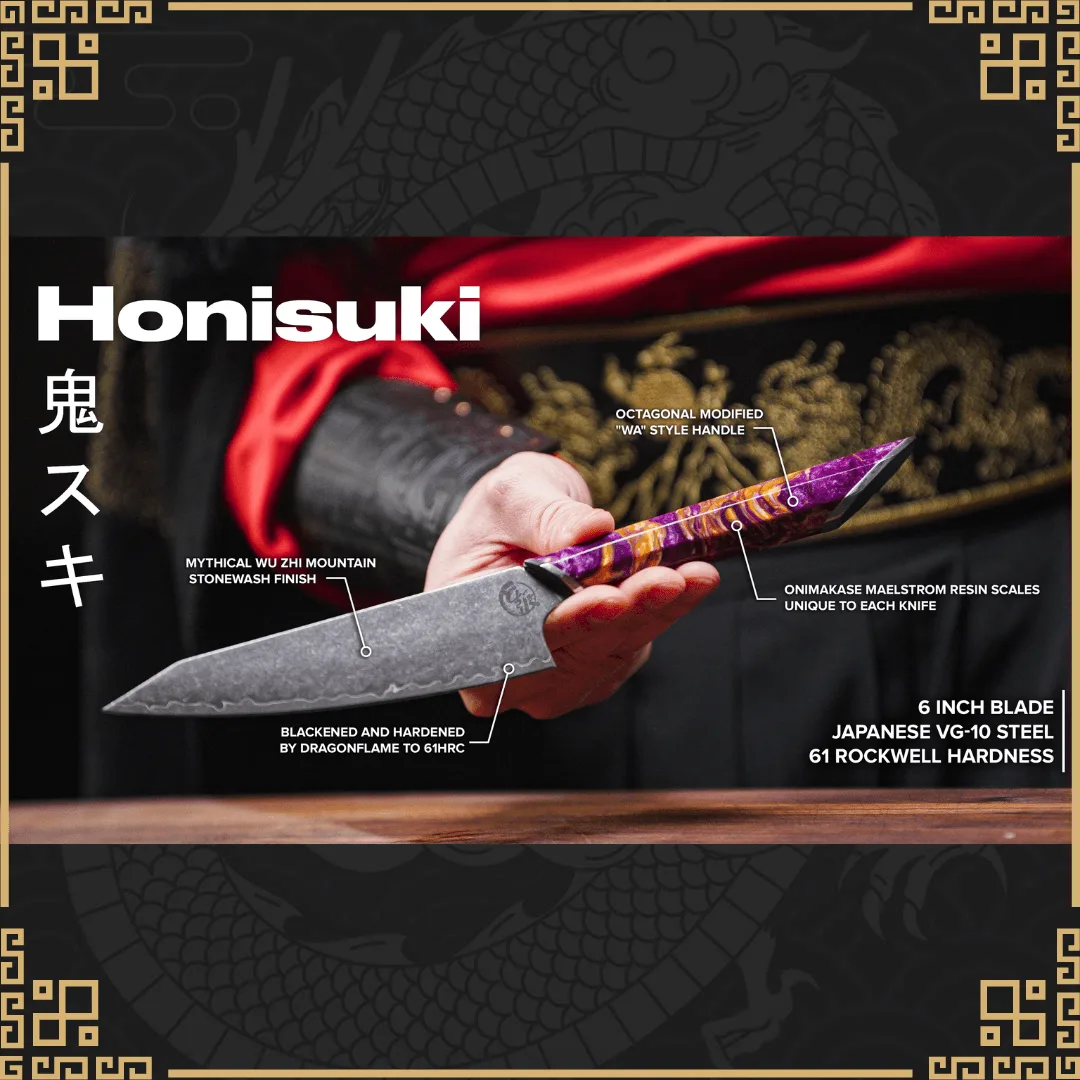
In this buyer's guide, we'll walk you through the best kitchen knives for ramen prep, focusing on blade types, steel materials, handle ergonomics, and budget considerations. We'll also highlight standout options like the Legendary "Honisuki" Kitchen Knife (B-GRADE), which offers professional-grade performance without the premium price tag. By the end, you'll know exactly which knife to add to your ramen toolkit.
Why Knife Choice Matters for Ramen Prep
Ramen toppings require a variety of cuts: thin slices of pork belly, fine julienne of scallions, precise wedges of egg, and even delicate nori sheets. Each ingredient demands a different blade geometry. A chef's knife excels at rocking cuts for herbs, while a nakiri or usuba is ideal for straight-down vegetable slicing. Using the wrong knife can bruise ingredients or lead to uneven cooking, affecting both texture and presentation.
Moreover, ramen prep often involves repetitive motions—slicing dozens of scallions or portioning chashu. A knife with a comfortable handle and balanced weight reduces hand fatigue, allowing you to prep efficiently for a ramen party or meal prep session. Investing in a quality knife is not just about aesthetics; it's about safety, speed, and consistency.
- Look for a knife with a high-carbon stainless steel blade for edge retention and easy sharpening.
- Choose a handle material that offers grip even when wet, such as micarta or textured wood.
- Consider a blade length of 6 to 8 inches for versatility in ramen prep tasks.
Top Knife Types for Ramen Ingredients
For ramen enthusiasts, three knife types cover 90% of prep work. First, a chef's knife (gyuto) is the all-rounder—great for slicing chashu, dicing aromatics, and mincing garlic. A 7- or 8-inch blade gives you enough length for clean, single-stroke cuts through meat. Second, a nakiri or vegetable cleaver excels at chopping cabbage, bok choy, and mushrooms without crushing them. Its flat edge and tall blade make for efficient up-and-down cuts.
Third, a petty or utility knife is perfect for detail work: trimming fat, peeling ginger, or scoring eggs. Many home cooks overlook this small knife, but it's invaluable for ramen garnishes like nori strips or narutomaki slices. If you're starting out, a chef's knife plus a petty knife covers nearly every ramen prep task. For those seeking a specialized blade, the Legendary "Honisuki" Kitchen Knife (B-GRADE) offers a unique profile inspired by traditional Japanese honing techniques, ideal for precise slicing of proteins and vegetables alike.
- Chef's knife: best for meat and general chopping.
- Nakiri: ideal for vegetables and herbs.
- Petty knife: essential for fine garnish work.
Steel Types: Carbon vs. Stainless for Ramen Knives
The steel composition of your knife affects sharpness, edge retention, and maintenance. High-carbon steel knives, like those made from Aogami or Shirogami, can achieve razor-sharp edges but require immediate drying and occasional oiling to prevent rust. They're favored by purists who prioritize cutting performance over convenience. Stainless steel, such as VG-10 or AUS-8, offers excellent corrosion resistance and easier maintenance—perfect for busy home cooks who don't want to baby their tools.
For ramen prep, which often involves acidic ingredients like soy sauce or citrus, stainless steel is generally more forgiving. However, many premium knives blend both worlds: high-carbon stainless steel alloys that retain an edge like carbon steel but resist rust like stainless. The Legendary "Honisuki" Kitchen Knife (B-GRADE) features a high-carbon stainless blade that balances sharpness with durability, making it a reliable choice for frequent ramen cooks.
- High-carbon steel: superior edge but requires care.
- Stainless steel: low maintenance, good for acidic ingredients.
- High-carbon stainless: best of both worlds for most home cooks.
Budget-Friendly vs. Investment Knives: What to Choose
You don't need to spend a fortune to get a great ramen prep knife. Entry-level options under $50, such as basic Victorinox or Kiwi knives, can perform admirably with regular sharpening. However, they may lack the balance and edge retention of higher-end blades. Mid-range knives ($50–$150) often feature better steel, ergonomic handles, and heat-treated blades that stay sharp longer. This is the sweet spot for most home ramen enthusiasts.
Investment-grade knives ($150+) offer superior craftsmanship, often hand-forged with premium materials and unique designs. They can last a lifetime with proper care. For example, the Legendary "Honisuki" Kitchen Knife (B-GRADE) falls into this category but at a reduced price due to minor cosmetic imperfections—meaning you get professional performance without the full cost. It's an excellent option for those who want a high-quality knife without breaking the bank.
- Entry-level ($20–$50): good for beginners, but plan to sharpen often.
- Mid-range ($50–$150): best value for performance and durability.
- Investment ($150+): heirloom quality, ideal for serious cooks.
Knife Maintenance Tips for Ramen Lovers
To keep your knife in top shape for ramen prep, follow three simple rules. First, hone your blade regularly with a ceramic or diamond rod to realign the edge—do this before each cooking session. Second, sharpen with whetstones every few months (or when the knife feels dull). A 1000-grit stone followed by a 3000- or 6000-grit stone will restore a razor edge. Third, store your knife properly: use a magnetic strip, knife guard, or wooden block to protect the blade from nicks.
Avoid dishwasher cleaning, as high heat and detergents can damage the edge and handle. Instead, hand wash with mild soap and dry immediately. For knives like the Legendary "Honisuki" Kitchen Knife (B-GRADE), which features a high-carbon stainless blade, occasional oiling of the blade (especially if you live in a humid climate) can prevent any surface rust. With proper care, your knife will serve you through countless bowls of ramen.
- Hone before each use; sharpen every 2–3 months.
- Hand wash and dry immediately—never use the dishwasher.
- Store in a knife block, magnetic strip, or with a blade guard.
Choosing the right kitchen knife for ramen prep can transform your cooking experience, making slicing, dicing, and chopping faster, safer, and more enjoyable. Whether you opt for a versatile chef's knife, a dedicated nakiri, or a specialized blade like the Legendary "Honisuki" Kitchen Knife (B-GRADE), investing in quality tools pays off in every bowl. Explore the Legendary "Honisuki" Kitchen Knife (B-GRADE) to add a professional-grade knife to your ramen arsenal and elevate your home ramen game today.