Whether you’re a seasoned home cook or just starting to build your kitchen toolkit, having the right knife for each task can transform your cooking experience. A sharp, well-balanced blade not only makes prep faster and safer but also improves the precision of your cuts, from delicate herbs to tough root vegetables. With so many blade types available, it’s easy to feel overwhelmed. This guide breaks down the essential knives every kitchen needs, explains their best uses, and helps you choose the best knife for your cooking style.
At Material, we understand that quality tools elevate everyday cooking. Our curated collection of knives and prepware is designed to combine function with timeless design. In this article, we’ll explore the most common blade types—chef’s knife, paring knife, serrated knife, and more—and share tips on how to match each knife to specific kitchen tasks. By the end, you’ll know exactly which blade belongs in your hand for every recipe.
The Chef’s Knife: Your All-Purpose Workhorse
The chef’s knife is the cornerstone of any kitchen. Typically 8 to 10 inches long with a broad, curved blade, it’s designed for rocking motions that make chopping, dicing, and mincing effortless. The weight and balance of a good chef’s knife allow you to cut through vegetables, herbs, and even smaller cuts of meat with ease. When selecting a chef’s knife, look for high-carbon stainless steel for durability and edge retention, and a handle that feels comfortable in your grip.
For most home cooks, an 8-inch chef’s knife is the sweet spot—versatile enough for almost any task yet nimble enough for detailed work. Pair it with a sturdy cutting board like The Angled Board to protect your blade and ensure stability. Whether you’re prepping a weeknight stir-fry or a holiday feast, the chef’s knife is the tool you’ll reach for most. It’s the single best investment you can make in your kitchen.
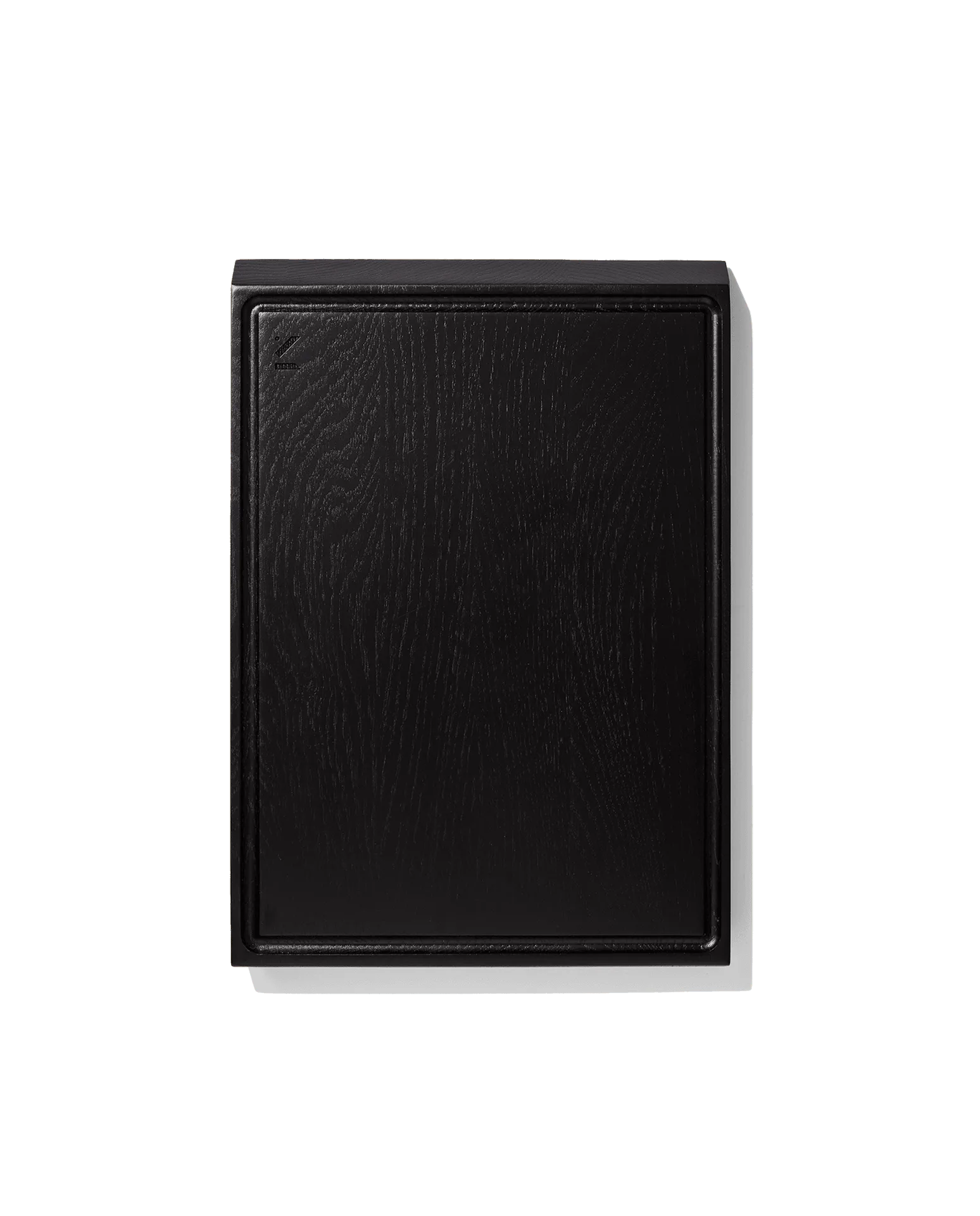
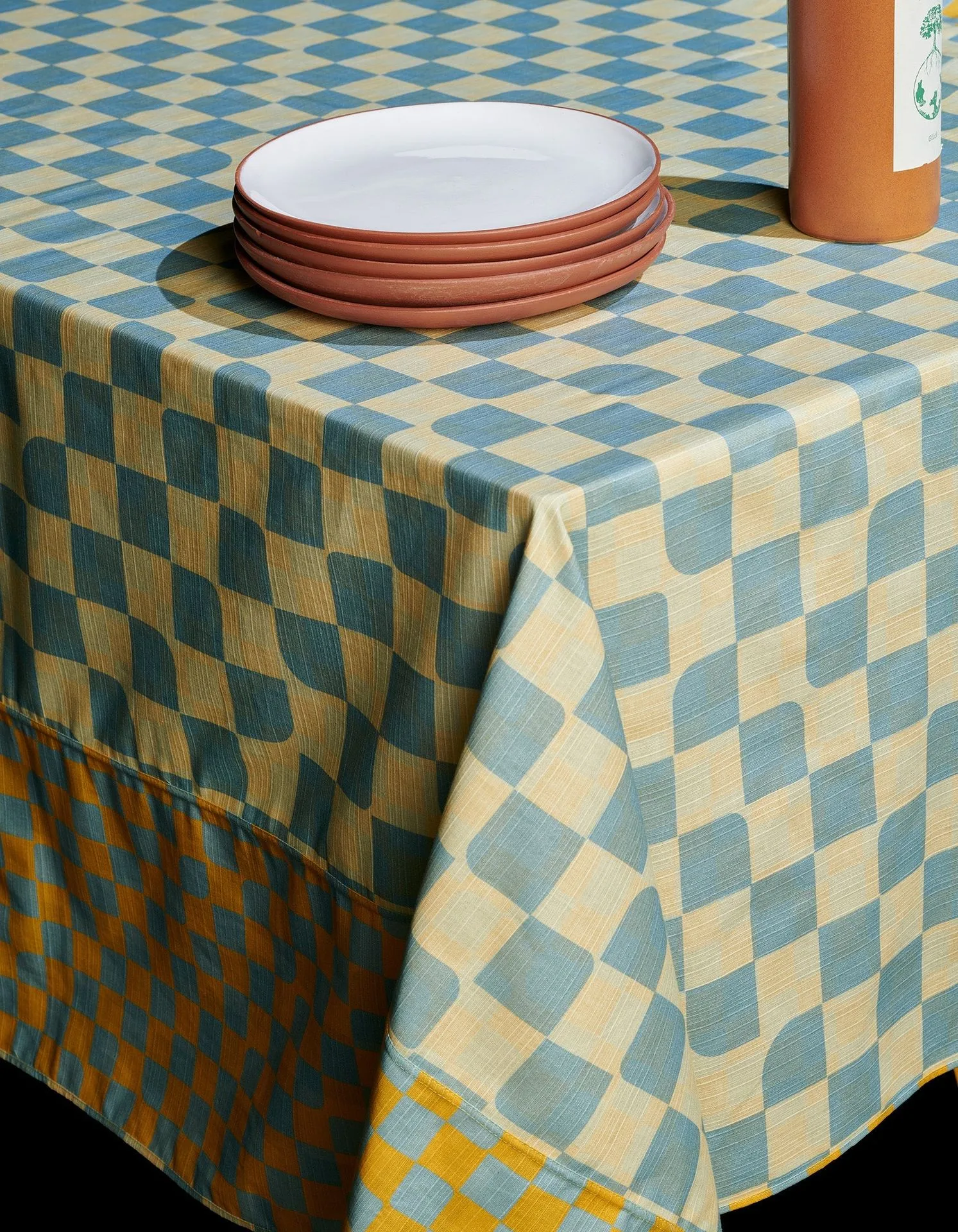
The Angled Board
- Best for: chopping onions, dicing carrots, mincing garlic, slicing bell peppers.
- Tip: Keep your chef’s knife sharp with regular honing and occasional professional sharpening.
The Paring Knife: Precision for Small Tasks
A paring knife is the perfect companion to your chef’s knife. With a blade typically 3 to 4 inches long, it excels at tasks that require control and finesse. Use it to peel apples, devein shrimp, trim artichokes, or create decorative garnishes. The short blade gives you maximum maneuverability, allowing you to work in tight spaces or around delicate ingredients without damaging them.
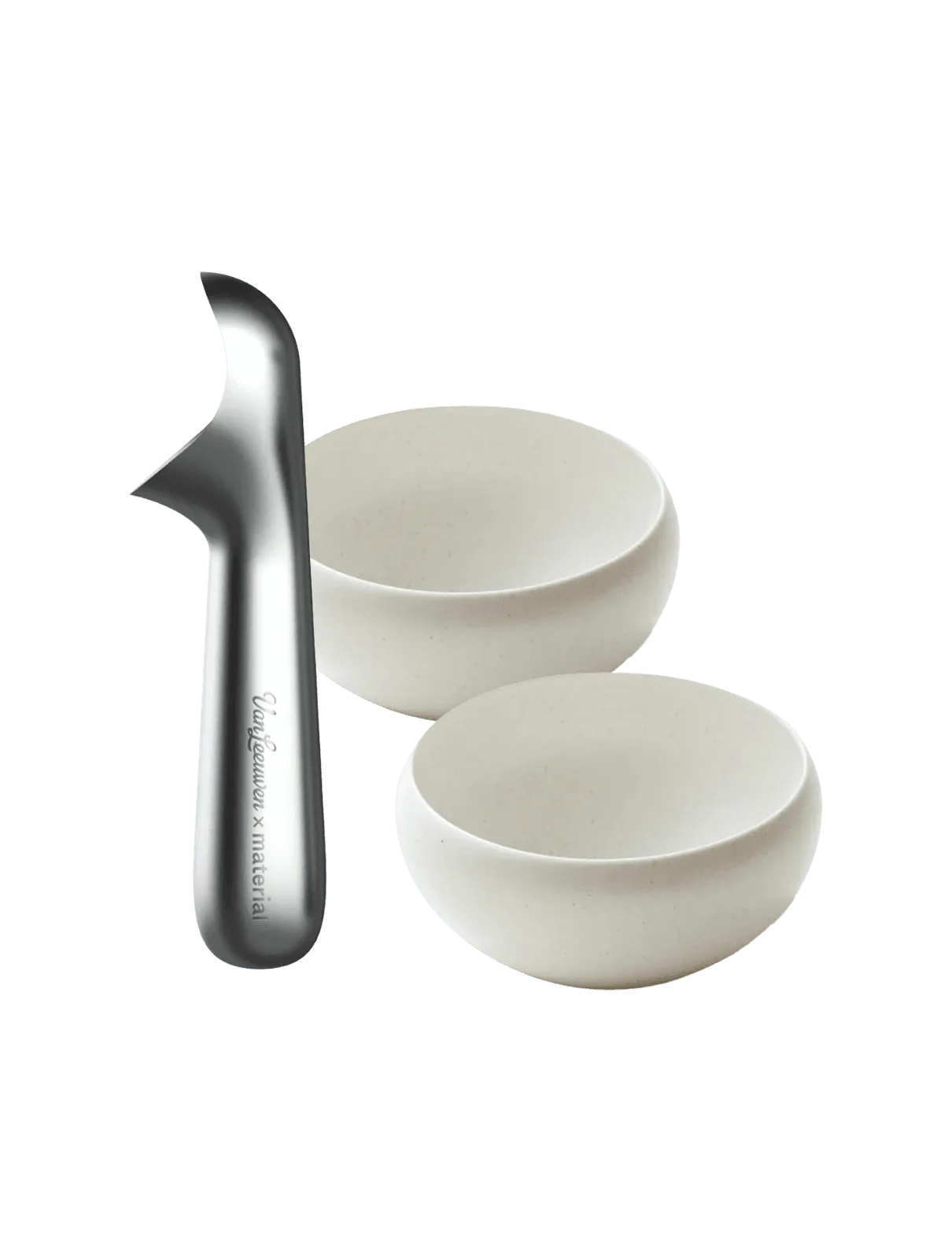
When shopping for a paring knife, consider a blade with a slight curve for rocking cuts or a straight edge for precise slicing. A comfortable, ergonomic handle is essential since you’ll often hold this knife for extended periods. For a complete set that covers both large and small tasks, explore options like The Host Set, which includes versatile pieces designed for everyday use. A quality paring knife is a small but mighty addition to your drawer.

The Host Set
- Best for: peeling, trimming, coring, and intricate cuts.
- Tip: Use a paring knife for jobs where a chef’s knife feels too bulky.
The Serrated Knife: Ideal for Crusty Bread and Soft Produce
A serrated knife, often called a bread knife, features a scalloped or saw-toothed edge that grips and cuts through tough exteriors without crushing soft interiors. This makes it indispensable for slicing crusty bread, ripe tomatoes, citrus fruits, and even delicate cakes. The serrated edge works like a saw, so you don’t need to apply heavy pressure—just a gentle back-and-forth motion.
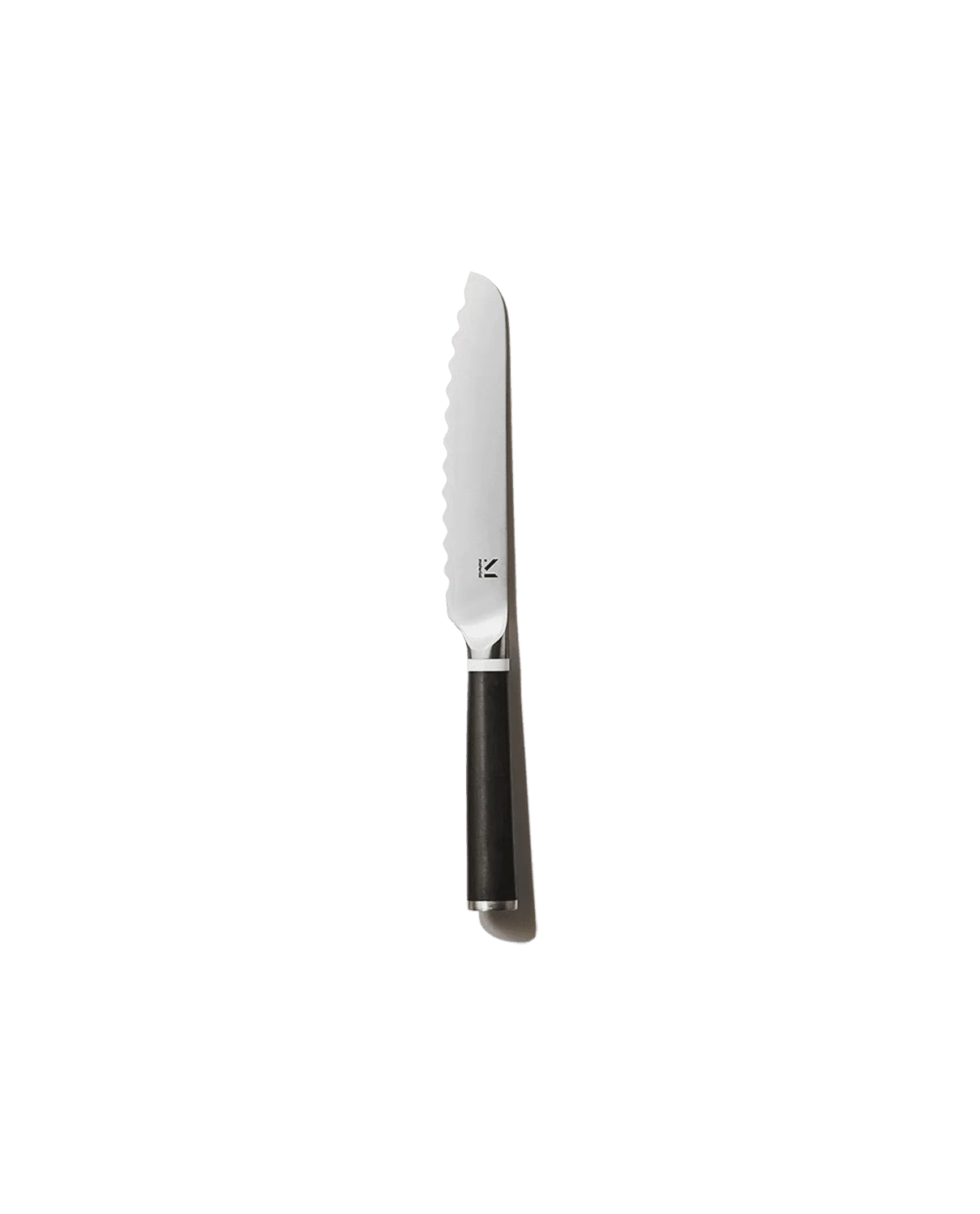
For most kitchens, a 9- or 10-inch serrated knife is ideal. Look for a blade with high-carbon stainless steel and a comfortable handle that provides good control. One excellent example is The Serrated 6" Knife, which offers a compact size perfect for smaller loaves or precise slicing. A serrated knife is also great for cutting through melons or pineapple rinds, making it a surprisingly versatile tool beyond bread.
- Best for: bread, tomatoes, citrus, cakes, and melons.
- Tip: Never use a serrated knife on a cutting board that’s too hard—opt for wood or bamboo to preserve the edge.
Specialty Knives: Boning, Utility, and Cleavers
Beyond the three essential knives, specialty blades can make specific tasks much easier. A boning knife, with its thin, flexible blade, is designed to separate meat from bone with precision. A utility knife, typically 5 to 7 inches, fills the gap between a chef’s and paring knife and is great for slicing sandwiches or small fruits. A cleaver, with its heavy rectangular blade, excels at breaking down large cuts of meat or smashing garlic.
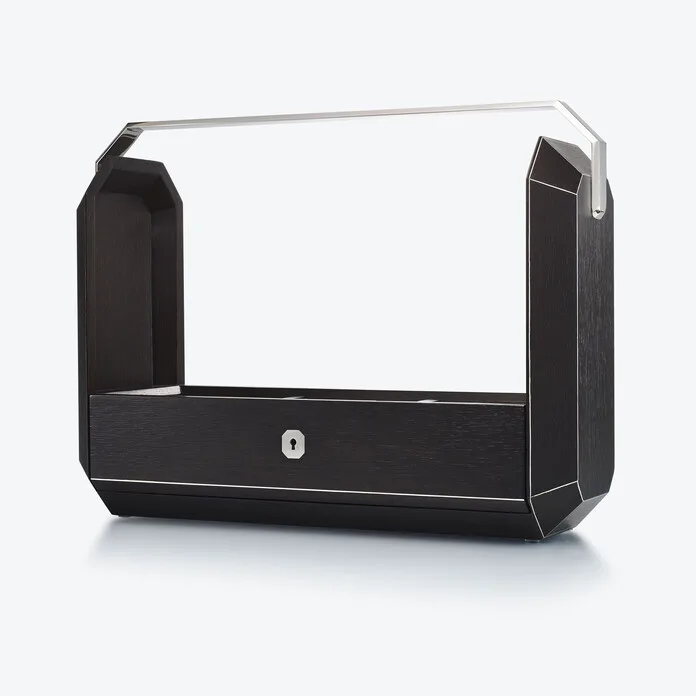
While you don’t need every specialty knife, adding one or two based on your cooking habits can streamline your workflow. For example, if you frequently prepare roasts or fillet fish, a boning knife is invaluable. For general prep, a utility knife can be a handy mid-size option. And for those who love precision cutting, pairing your knives with quality tools like Pantry Cutlery ensures you have the right blade for every job without cluttering your drawer.
- Boning knife: for deboning chicken, fish, or trimming fat.
- Utility knife: for slicing cheese, fruit, or small vegetables.
- Cleaver: for heavy chopping, splitting bones, or smashing garlic.
How to Choose the Best Knife for Your Kitchen
Selecting the best knife for your kitchen comes down to three factors: the types of food you cook most, your comfort with handling different blade sizes, and your budget. Start with a high-quality chef’s knife and a paring knife—these two will cover 90% of your daily tasks. Then, add a serrated knife for bread and tomatoes. Once you have these three, consider specialty knives based on your specific needs.
When testing knives, pay attention to weight, balance, and handle grip. A knife that feels too heavy or awkward can lead to fatigue and even injury. Visit a store if possible to hold different models, or read reviews from trusted sources. Remember that a sharp knife is safer than a dull one, so invest in a honing steel and a good sharpening system. With the right tools, every meal becomes a pleasure to prepare.
- Start with a chef’s knife, paring knife, and serrated knife.
- Consider your cooking style: do you bake, grill, or prep vegetables daily?
- Invest in maintenance tools like a honing rod and sharpening stone.
Choosing the best knife for every kitchen task doesn’t have to be complicated. By understanding the strengths of each blade type—from the versatile chef’s knife to the precise paring knife and the indispensable serrated blade—you can build a collection that makes cooking more efficient and enjoyable. At Material, we offer a thoughtfully curated selection of knives and prepware designed to perform beautifully and last for years. Explore our range, including the versatile The Serrated 6" Knife, and find the perfect blade to elevate your kitchen experience.