Building a knife kit for your home kitchen isn't about owning every blade shape under the sun. It's about having a few versatile kitchen knives that handle 90% of your prep work with ease. Whether you're slicing ripe tomatoes, dicing onions, or breaking down a chicken, the right knife set saves time and reduces frustration.
In this kitchen knife buying guide, we'll walk through the key features to consider when choosing the best knife set for home cooks. We'll also highlight a couple of real product names so you know what to look for on the shelf—no fluff, just practical advice.
Blade Material and Edge Retention
The blade steel determines how long your knife stays sharp and how easy it is to maintain. High-carbon stainless steel is a sweet spot for most home cooks: it resists rust, holds an edge reasonably well, and can be honed at home. Avoid mystery stainless that feels too soft—it will dull quickly and need frequent professional sharpening.
If you're considering a tomato knife set, look for blades with a fine, straight edge or a micro-serration. A straight edge gives you cleaner cuts on soft-skinned produce, while a serrated edge grips tomato skin without crushing the flesh. For all-purpose work, a chef's knife with a 8- to 10-inch blade is your workhorse.
- Tip: A blade hardness of 56-58 HRC is ideal for home use—hard enough to hold an edge, soft enough to sharpen easily.
Handle Comfort and Balance
A knife that feels heavy or awkward in your hand will tire you out and increase the risk of slips. Look for a handle that fills your palm comfortably, with a gentle curve that keeps your grip secure. Full tang construction (the blade metal extends through the handle) adds balance and durability.
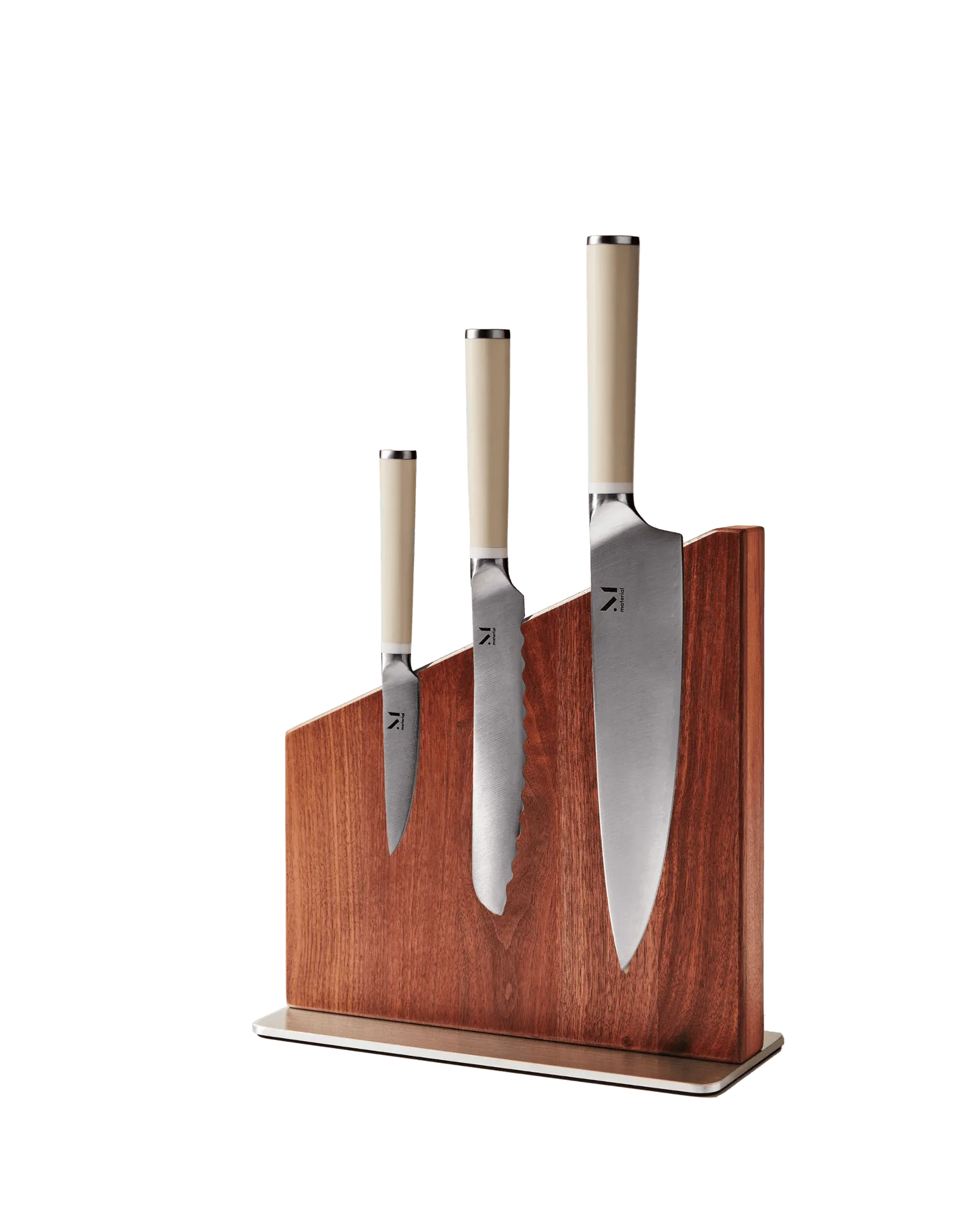
Many home cooks prefer a handle with some texture or a slight bolster for control. If you have smaller hands, a 6-inch utility knife or a 7-inch santoku might feel more natural than a full-size chef's knife. The Trio of Knives, for example, offers a well-balanced trio that covers most daily tasks without overwhelming your drawer.
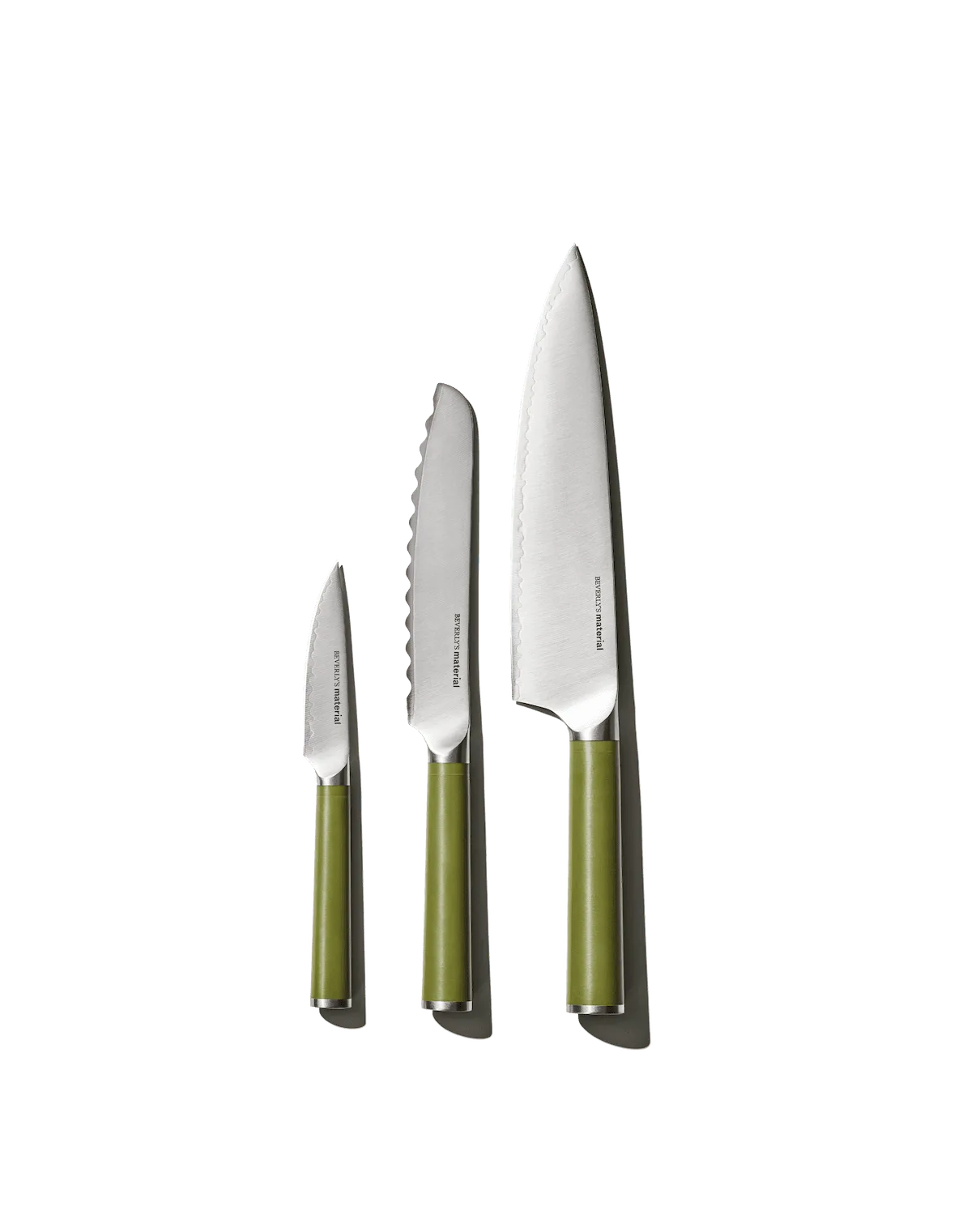
The Trio of Knives
- Tip: Try holding a knife before buying—if the handle forces your wrist into an awkward angle, move on.
Versatility Over Quantity
The best knife set for home cooks doesn't need 15 pieces. A thoughtful three- or four-kit set—chef's knife, paring knife, serrated knife, and maybe a utility knife—covers nearly everything. Extra blades like boning or fillet knives are nice but only if you actually break down proteins regularly.
Prepware knives like The MK Free Set focus on a streamlined selection that prioritizes everyday tasks. That set includes a chef's knife and a paring knife, both designed for comfort and precision. Adding a good serrated knife later gives you complete coverage for bread, tomatoes, and citrus.
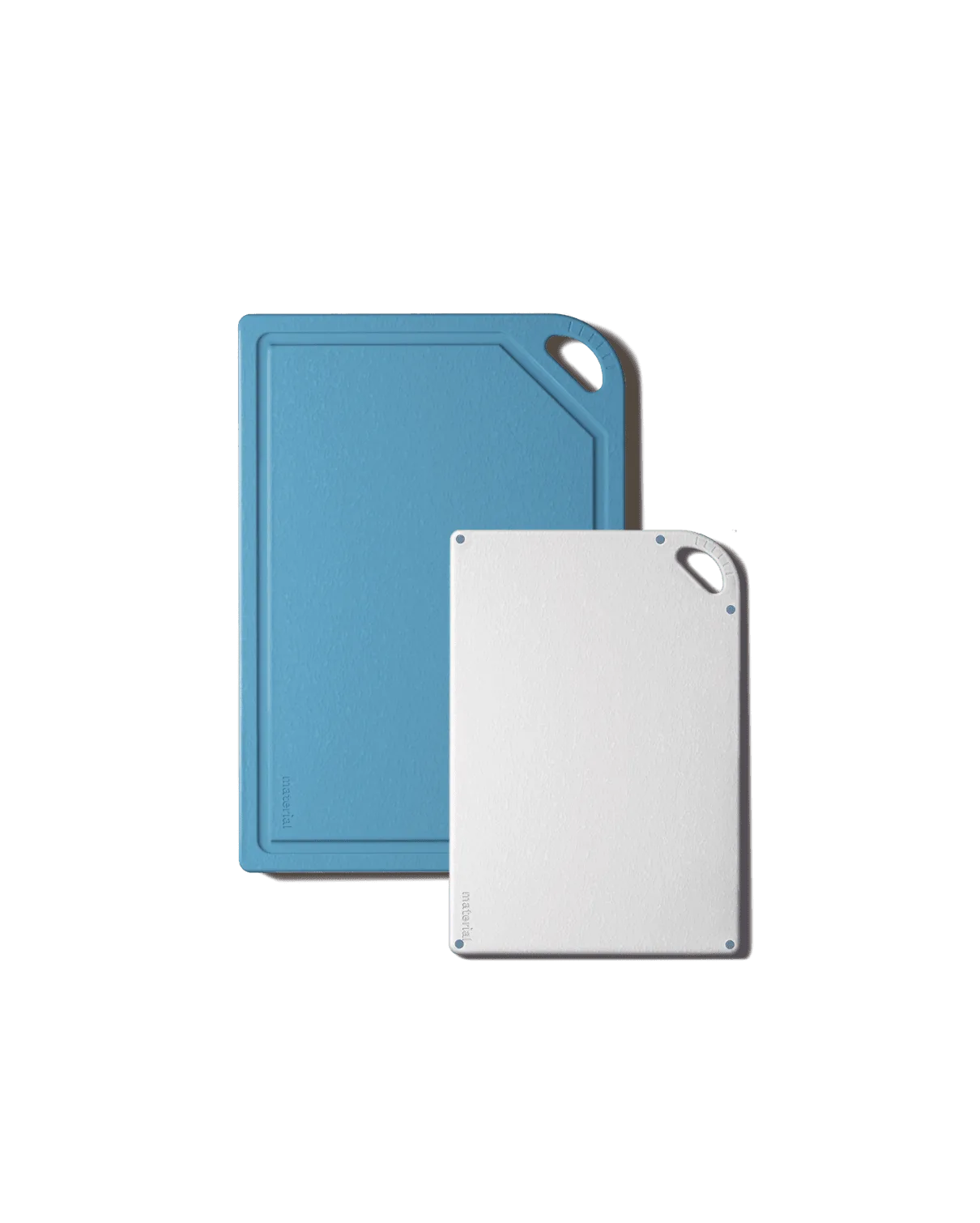
The MK Free Set
- Tip: Invest in a quality chef's knife first—it's the most used blade in any kitchen.
Storage and Maintenance Considerations
How you store your knives affects both safety and edge life. A magnetic strip, knife block, or edge guard keeps blades from banging against other utensils. Avoid tossing knives loose in a drawer—it dulls the edge and invites accidents.
Plan for regular honing with a steel and occasional sharpening with a whetstone or electric sharpener. If you're new to sharpening, a simple pull-through sharpener is a fine start. A good set of versatile kitchen knives will last decades with proper care, so a little maintenance goes a long way.
- Tip: Store knives blade-up in a block or on a magnetic strip to protect the edge and your fingers.
Choosing the best knife set for home cooks comes down to blade quality, handle comfort, and a practical selection of knives. Focus on a few well-made pieces rather than a giant block of mediocre blades. With the right trio or set, your daily prep becomes faster, safer, and more enjoyable.