Choosing the right knife steel can feel overwhelming, especially when you're faced with terms like stainless, carbon, and Damascus. Each type offers unique benefits—from edge retention to ease of maintenance—and the best choice depends on how you cook, how often you sharpen, and your budget. In this guide, we break down the key differences between the most popular knife steels so you can confidently select the perfect blade for your kitchen.
Whether you're a weekend meal prepper or a daily home chef, the steel in your knife affects performance, durability, and upkeep. We'll explore the characteristics of stainless steel, carbon steel, and Damascus steel, and highlight some standout options from our collection that pair quality craftsmanship with everyday usability.
Stainless Steel Knives: Low Maintenance and Rust-Resistant
Stainless steel is the most common choice for home cooks because of its excellent corrosion resistance. Alloys like 440C, VG-10, and AUS-8 contain chromium, which forms a protective layer that prevents rust and staining. This makes stainless knives ideal for those who don't want to fuss with special care routines—they can be washed, dried, and stored without worrying about discoloration.
Modern stainless steels also hold a sharp edge reasonably well, though they may not reach the same razor-like sharpness as carbon steel. For most home tasks—slicing vegetables, boning chicken, or dicing herbs—a quality stainless blade performs admirably. Our https://kindaero.store/products/japanese-damascus-steel-knives-97192https://kindaero.store/products/japanese-damascus-steel-knives-97193Japanese Damascus Steel Knives combine stainless layers with a hard VG-10 core, offering both stain resistance and impressive edge retention.
- Tip: Always hand-wash stainless knives and dry immediately to maintain the protective chromium layer.
Carbon Steel Knives: Superior Sharpness and Patina Potential
Carbon steel knives have been prized by professional chefs for generations. With a carbon content typically between 0.6% and 1.5%, these blades can be sharpened to an incredibly fine edge and maintain it longer than most stainless options. They also develop a natural patina over time—a dark, non-reactive layer that adds character and helps protect against corrosion.
The trade-off is that carbon steel requires more attention. It can rust if left wet, and acidic foods like tomatoes or citrus may react with the blade, altering flavor or leaving a metallic taste. However, many home cooks find the ritual of cleaning, drying, and occasionally oiling their carbon knife rewarding. For those willing to invest a little care, a carbon steel blade offers unmatched cutting performance.
- Tip: To encourage an even patina, wipe the blade with a thin layer of food-safe mineral oil after each use.
Damascus Steel: Beauty Meets Performance
Damascus steel is instantly recognizable by its wavy, layered pattern, created by forge-welding multiple types of steel together. This process produces a blade that combines the hardness of a high-carbon core with the flexibility and corrosion resistance of softer stainless layers. The result is a knife that is both visually stunning and functionally superior.
Damascus knives often feature a core of VG-10 or similar high-carbon steel, which provides excellent edge retention, while the outer layers protect against rust and add toughness. They are a favorite among serious home cooks who appreciate artistry in their tools. Our Japanese Damascus Steel Knives exemplify this blend—each blade is handcrafted with 67 layers of steel, offering a balance of sharpness, durability, and beauty that elevates everyday cooking.
- Tip: Use a ceramic honing rod to maintain the edge of a Damascus blade without scratching the pattern.
How to Choose the Right Knife Steel for Your Kitchen
Your decision should hinge on three factors: how often you cook, your willingness to maintain the blade, and your budget. If you prefer a set-it-and-forget-it approach, stainless steel is your best bet. For those who enjoy the craft of knife care and want peak sharpness, carbon steel delivers. And if you want the best of both worlds—stunning looks, low maintenance, and high performance—Damascus steel is the ideal middle ground.
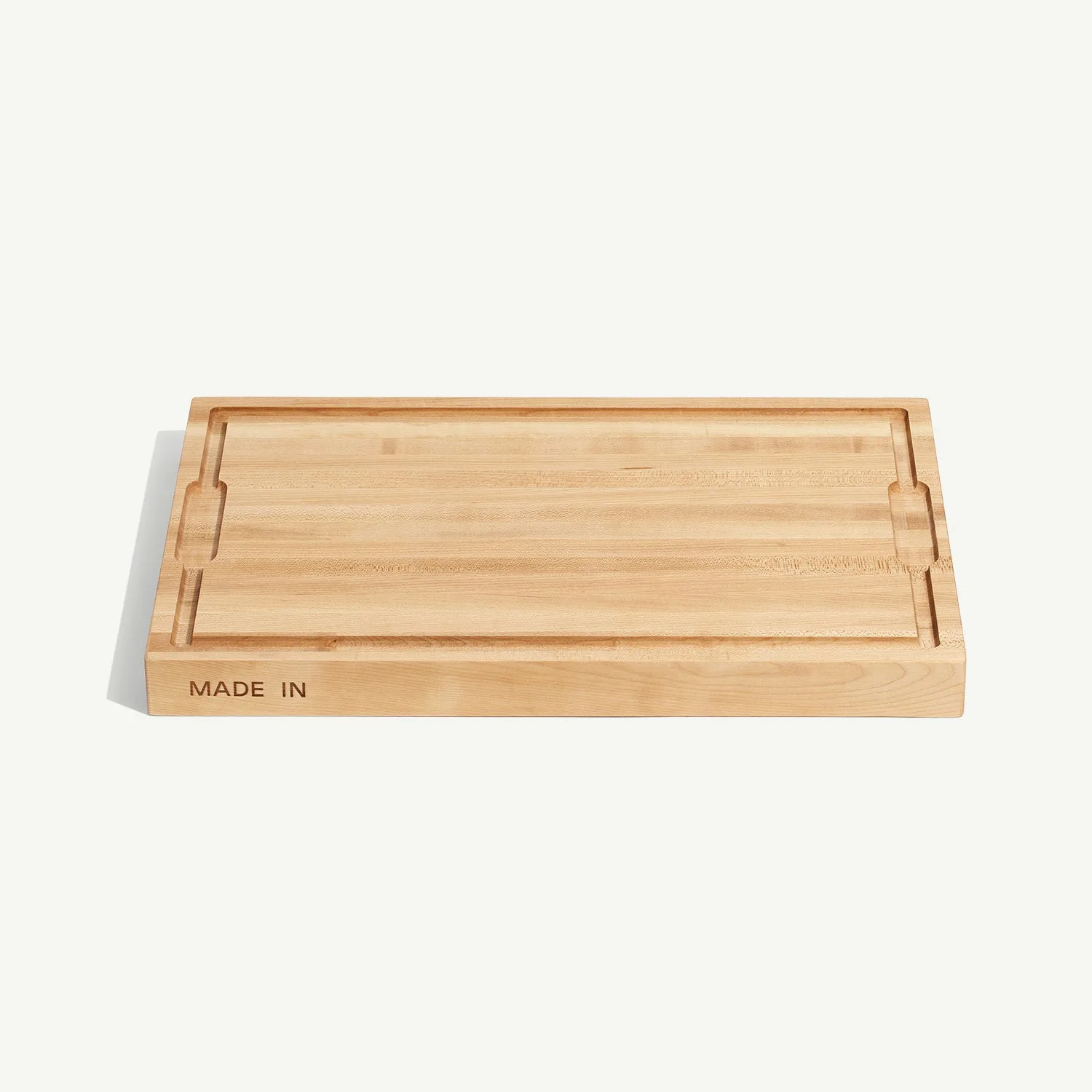
To complete your knife collection, consider pairing your main chef's knife with a versatile Carving Set for roasts and larger cuts. And don't forget a quality cutting surface: our https://kindaero.store/products/butcher-block-set-97321Butcher Block Set provides a durable, knife-friendly board that protects your blade's edge while adding warmth to your countertop.
- Tip: Match your knife steel to your cutting board—harder steels benefit from wood or composite boards to prevent chipping.
No matter which steel you choose, investing in a well-crafted knife transforms your time in the kitchen. From the low-maintenance convenience of stainless to the artisanal beauty of Damascus, the right blade makes every slice, dice, and chop more enjoyable. Explore our Japanese Damascus Steel Knives to experience the perfect fusion of form and function—your hands (and your ingredients) will thank you.