A sharp, well-balanced knife can turn vegetable prep from a chore into a pleasure. Whether you’re dicing onions for a stir-fry or slicing tomatoes for a salad, the right kitchen knife for prep makes every cut cleaner and safer. With so many options on the market, it helps to know what to look for before you buy.
This vegetable knife buying guide covers the essential blade shapes, handle features, and practical considerations that matter most for everyday vegetable work. We’ll also touch on a few standout products that can simplify your decision.
Blade Shapes That Work Best for Vegetables
For most vegetable prep, a chef’s knife or a santoku knife is your best bet. A classic 8-inch chef’s knife offers a curved blade that allows a rocking motion, making quick work of herbs, celery, and bell peppers. Santoku knives have a flatter edge and a sheepsfoot tip, which gives you more control for precise cuts like julienne or brunoise. Both styles are versatile enough to handle everything from hard squash to soft mushrooms.
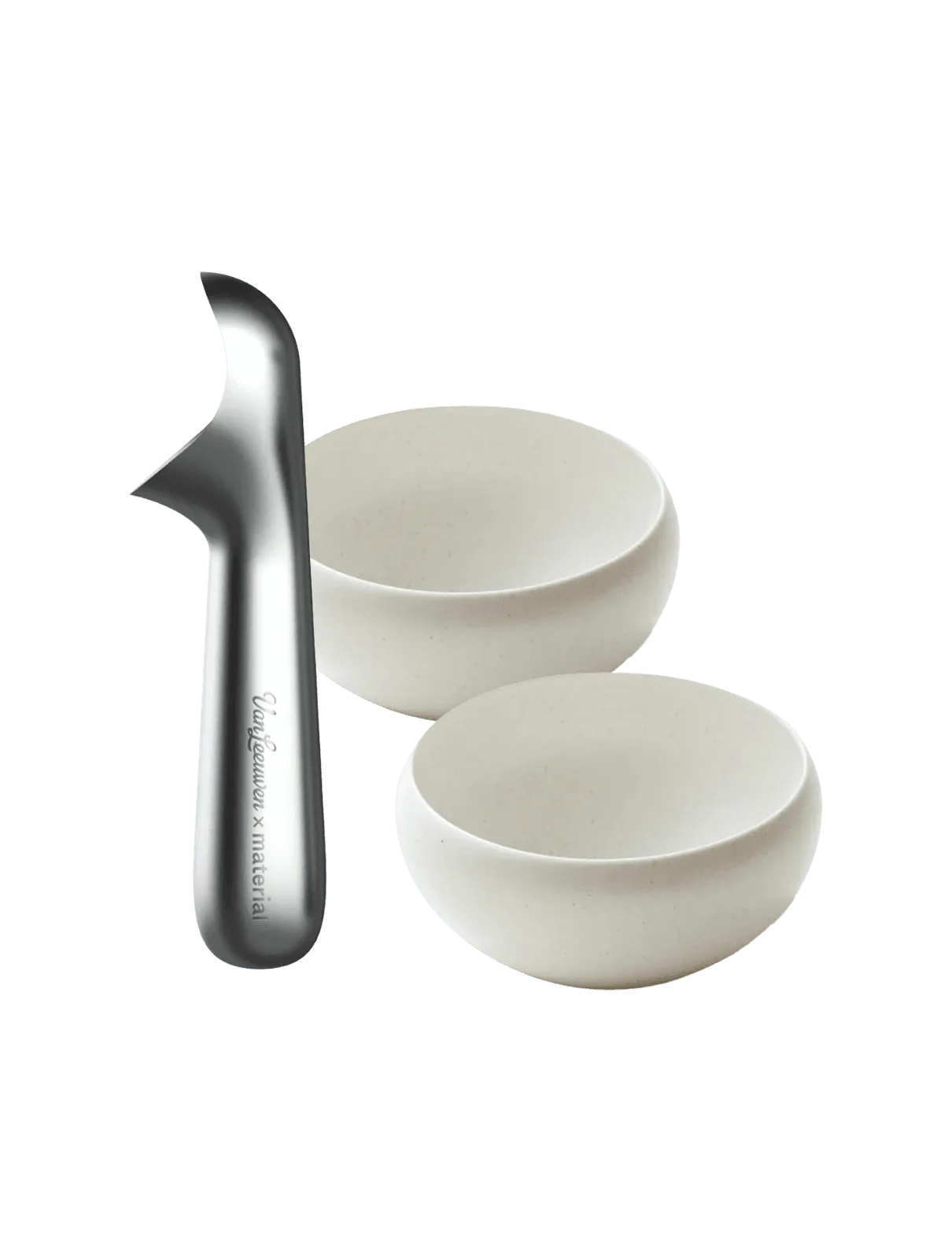
If you often slice delicate produce like ripe tomatoes or citrus, a serrated or granton-edge knife can help. A tomato knife set typically includes a small serrated blade that glides through soft skins without crushing the flesh. While not a replacement for your main prep knife, a dedicated tomato knife can save you from bruised slices and uneven cuts.
- For all-around prep, choose a chef’s or santoku knife with a blade length between 6 and 8 inches.
- Consider a small serrated knife for tomatoes and other soft-skinned produce.
Handle Comfort and Grip Matter More Than You Think
When you’re prepping a large batch of vegetables, handle comfort becomes critical. Look for a handle that fills your palm without forcing your grip. Materials like textured synthetic, rubberized polymer, or even smooth wood can work well, but the key is a secure, non-slip feel even when your hands are wet or oily. A full tang—where the blade metal extends through the handle—adds weight and balance, reducing hand fatigue over time.
If you have smaller hands or prefer a lighter feel, consider a knife with a narrower handle profile. Many home cooks also appreciate a bolster (the thick band between blade and handle) that protects fingers and adds a bit of heft. Test the grip in person if possible, or read reviews that mention hand size and comfort. A knife that feels awkward after five minutes will only get worse after twenty.
- Full tang construction provides better balance and durability.
- Look for a handle material that stays grippy when wet, such as textured polypropylene or rubberized coatings.
Edge Retention and Steel Type
The steel in your prepware knives determines how long the edge stays sharp and how easy it is to hone. High-carbon stainless steel is a popular choice because it resists rust and holds an edge reasonably well. Harder steels (around 58-60 HRC) can stay sharp longer but may be more brittle and harder to sharpen at home. Softer steels are easier to maintain but need more frequent honing.
For most home cooks, a mid-range stainless steel with a hardness of 56-58 HRC offers the best balance. You’ll need to hone the blade with a steel rod every few uses and sharpen it a couple of times a year. Avoid dishwasher cleaning—hand wash and dry immediately to protect both the blade and handle. Some knives, like those in a well-crafted set, come with a manufacturer’s edge that lasts impressively long if you treat them right.
- High-carbon stainless steel is the most practical choice for everyday vegetable prep.
- Hone your knife before each use and sharpen it professionally or with a whetstone every 6-12 months.
Key Prepware Knives Worth Considering
While you don’t need a drawer full of knives, a few well-chosen tools can streamline your prep. A versatile chef’s knife or santoku covers most tasks. A smaller paring knife (3-4 inches) is invaluable for peeling, coring, and detail work. And if you frequently slice tomatoes or other soft fruit, a dedicated tomato knife set can be a game-changer. Look for one with a serrated edge and a comfortable handle that lets you work quickly without slipping.
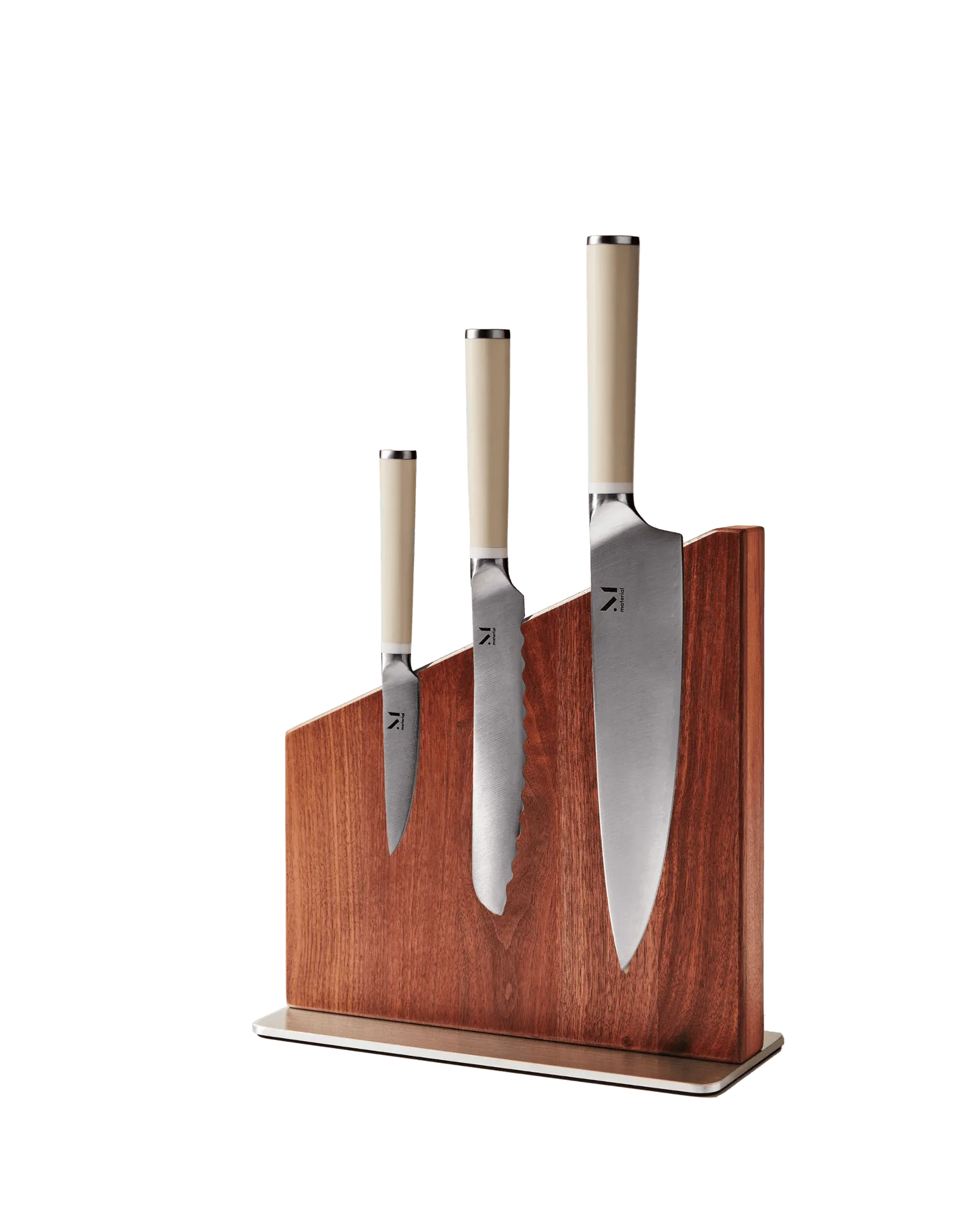
For cooks who want a coordinated set, options like The Goun Set include a chef’s knife, a paring knife, and sometimes a serrated utility knife, giving you all the essentials in one package. If you prefer to build your collection piece by piece, start with a high-quality chef’s knife and add a paring knife and a serrated tomato knife later. The key is to invest in blades that feel balanced and sharp from the first cut.
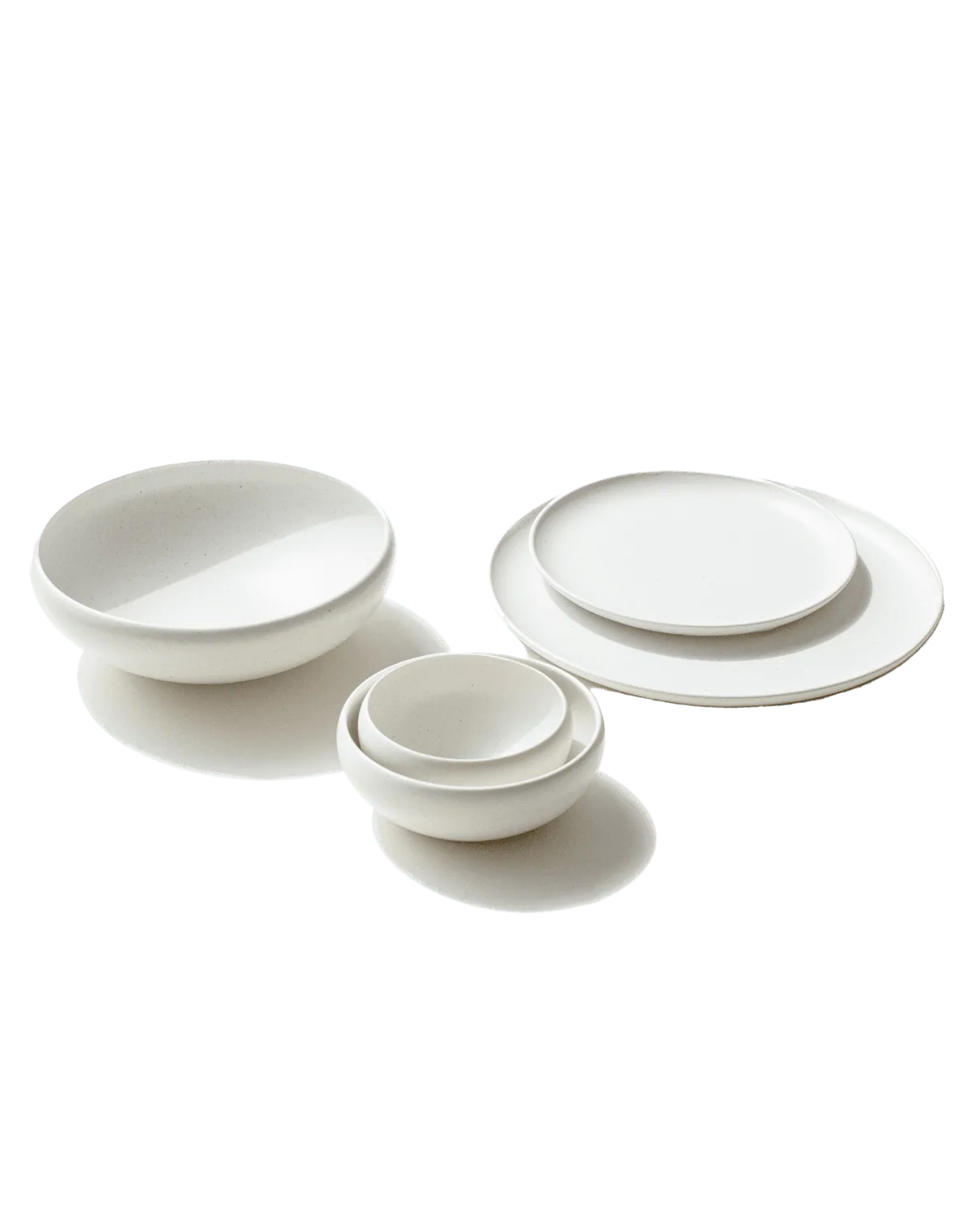
The Goun Set
- A chef’s knife, a paring knife, and a serrated tomato knife cover 95% of vegetable prep tasks.
- Consider a coordinated set like The Goun Set if you want matching handles and consistent quality across your knives.
Choosing the best knives for vegetables comes down to matching blade shape, handle comfort, and steel quality to your cooking habits. Start with a versatile chef’s or santoku knife, add a paring knife and a serrated tomato knife for delicate produce, and you’ll have a prep setup that makes every slice safer and more enjoyable. Invest in quality, maintain your edges, and your knives will reward you for years.