If your skin turns red at the slightest provocation—sun exposure, a new product, or even a change in weather—you know how tricky finding a sunscreen can be. Many sunscreens rely on chemical filters that can sting or flush reactive skin, while others leave a heavy white cast that makes redness look worse. The good news: Korean sunscreens have become leaders in gentle, soothing sun protection, especially for those with rosacea-prone or easily irritated skin.
In this guide, we’ll walk you through what makes a sunscreen truly calming for redness-prone skin, which ingredients to seek (and avoid), and how to layer your SPF without triggering flare-ups. Whether you’re dealing with persistent flushing or occasional reactive redness, these tips will help you find a sunscreen that protects your skin without making it angry.
Why Redness-Prone Skin Needs a Special Sunscreen
UV exposure is one of the most common triggers for redness, rosacea flare-ups, and broken capillaries. Sunlight doesn’t just burn—it also dilates blood vessels and stimulates inflammation, making existing redness worse. A good sunscreen for sensitive red skin does double duty: it blocks UV rays while also calming the skin with anti-inflammatory ingredients.
The challenge is that many traditional chemical sunscreens contain filters like oxybenzone or octinoxate, which can sting or cause a burning sensation on already reactive skin. That’s why Korean sunscreens often use hybrid or mineral-based filters that are less likely to irritate. Look for formulas labeled ‘hypoallergenic’ or ‘for sensitive skin’ to minimize the risk of a reaction.
- Choose sunscreens with zinc oxide or titanium dioxide as primary filters—they sit on top of the skin and reflect UV rays without penetrating deeply.
Calming Ingredients to Look For
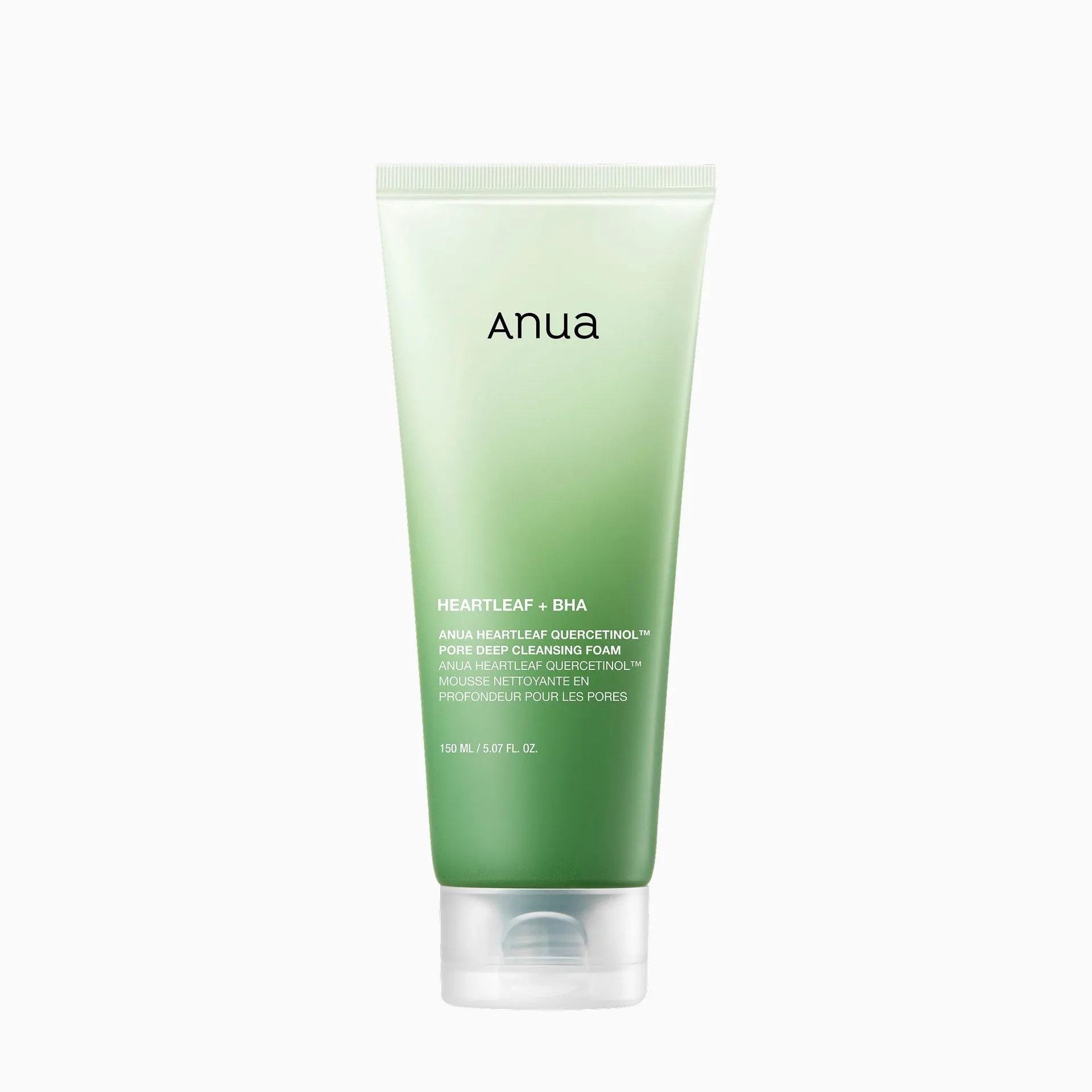
The best Korean sunscreen for redness isn’t just about what it blocks—it’s also about what it adds. Ingredients like heartleaf (Houttuynia cordata), panthenol, and ceramides help soothe inflammation and reinforce the skin barrier. Heartleaf, in particular, has been shown to reduce redness and calm reactive skin, making it a star ingredient in many Korean calming formulas.
For example, the https://purebeautytools.store/products/heartleaf-70-intense-calming-cream-51500Heartleaf 70% Intense Calming Cream pairs beautifully with a gentle sunscreen—apply it before SPF to create a protective, soothing base. Another great addition is the 3 Ceramide Panthenol Moisture Barrier Cream, which strengthens the skin’s natural defense against environmental stressors. When your barrier is healthy, your skin is less likely to flush from sun exposure.
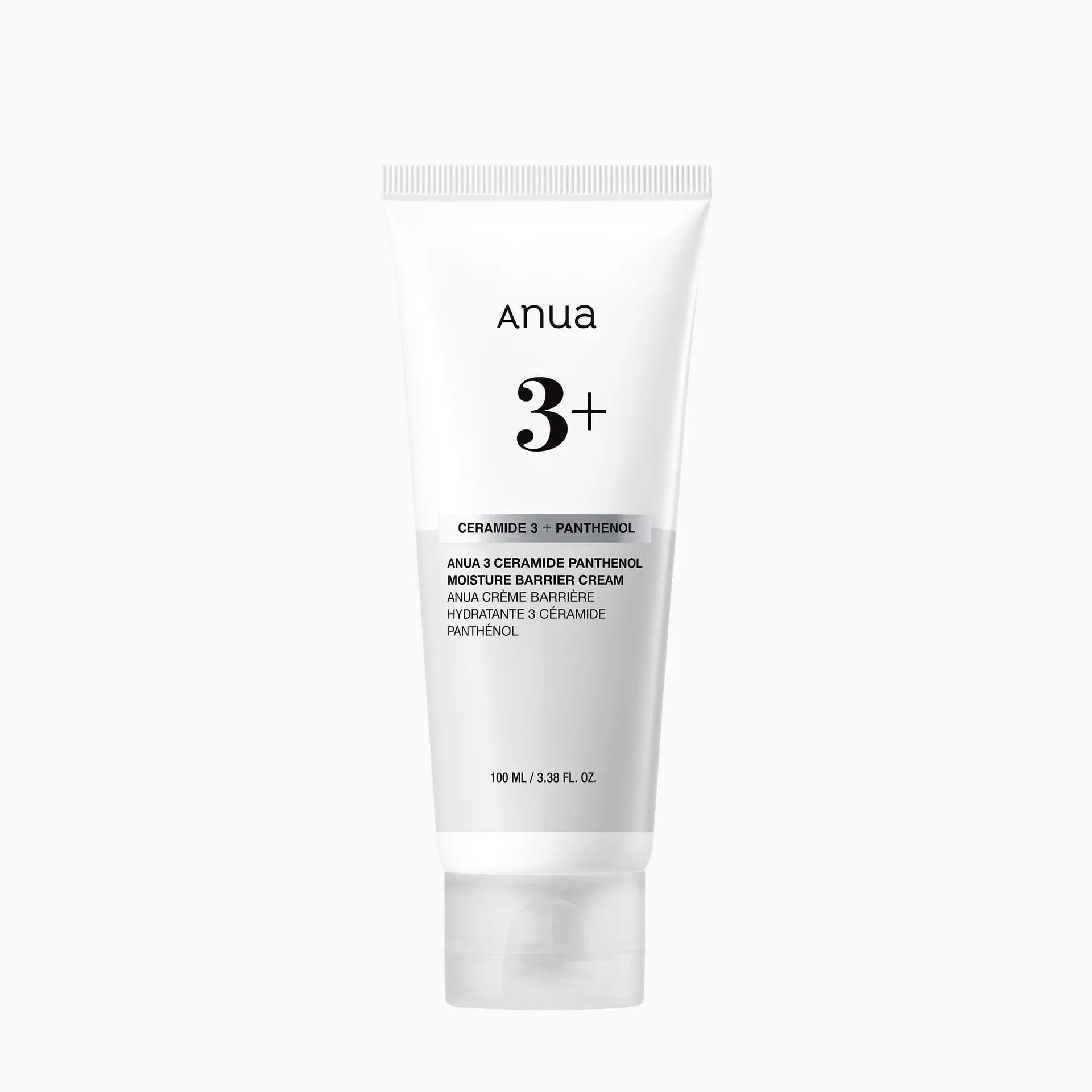
3 Ceramide Panthenol Moisture Barrier Cream
- Look for panthenol (pro-vitamin B5) and madecassoside—both are proven to reduce redness and support barrier repair.
Ingredients to Avoid for Reactive Skin
Not all sunscreens are created equal for redness-prone skin. Alcohol denat, fragrance, and essential oils are common culprits that can sting or trigger flushing. Even some natural extracts—like citrus or peppermint—can be too stimulating. Stick to fragrance-free, alcohol-free formulas that prioritize soothing over scent.
Also be cautious with high-concentration chemical filters like avobenzone or octisalate. While they’re effective, they can cause a warm, prickly sensation on sensitive skin. If you’re unsure, patch-test a new sunscreen on your jawline or behind your ear for 24 hours before applying it to your full face.
- Avoid sunscreens that list ‘parfum’ or ‘fragrance’ in the first five ingredients, even if they claim to be natural.
How to Layer Sunscreen Without Irritation
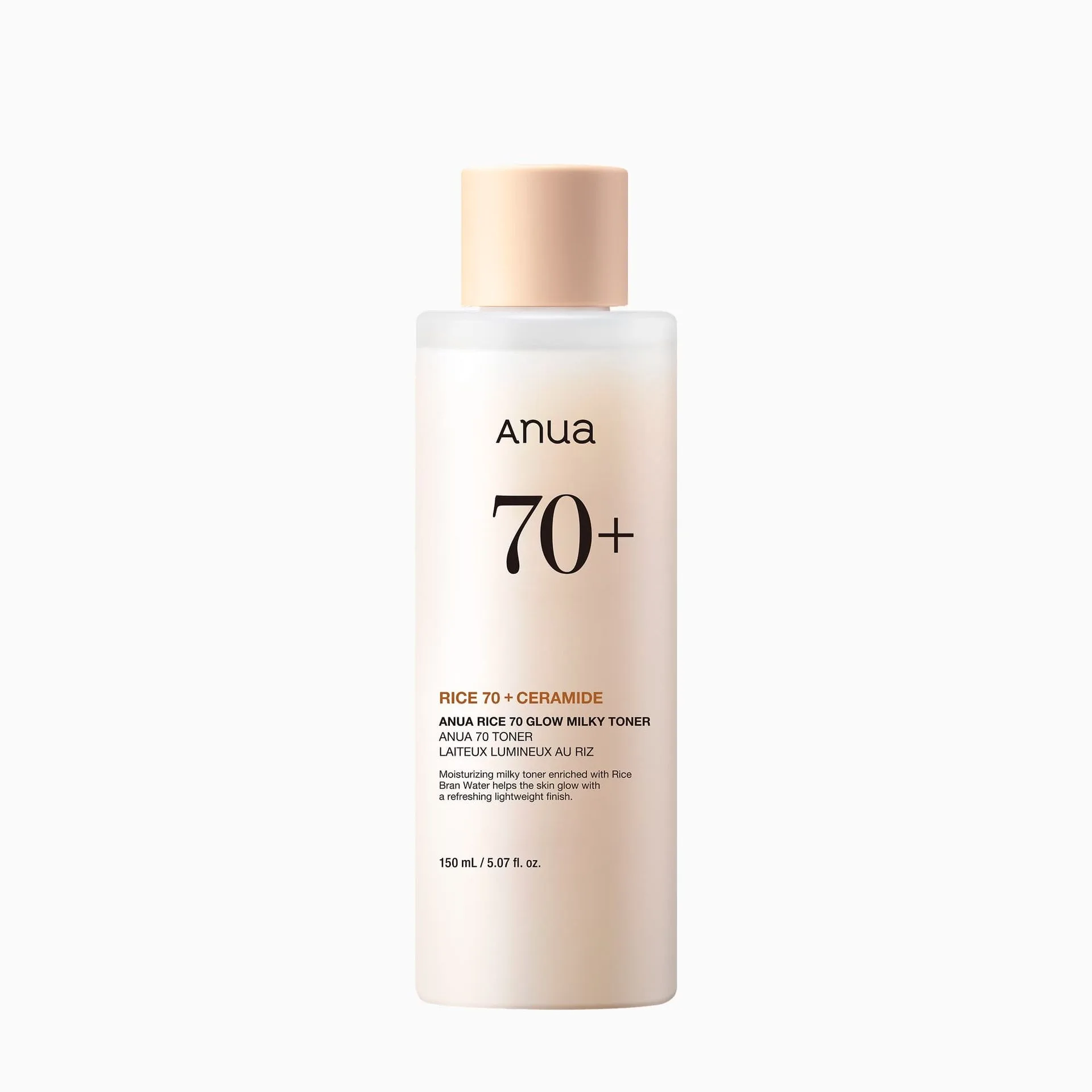
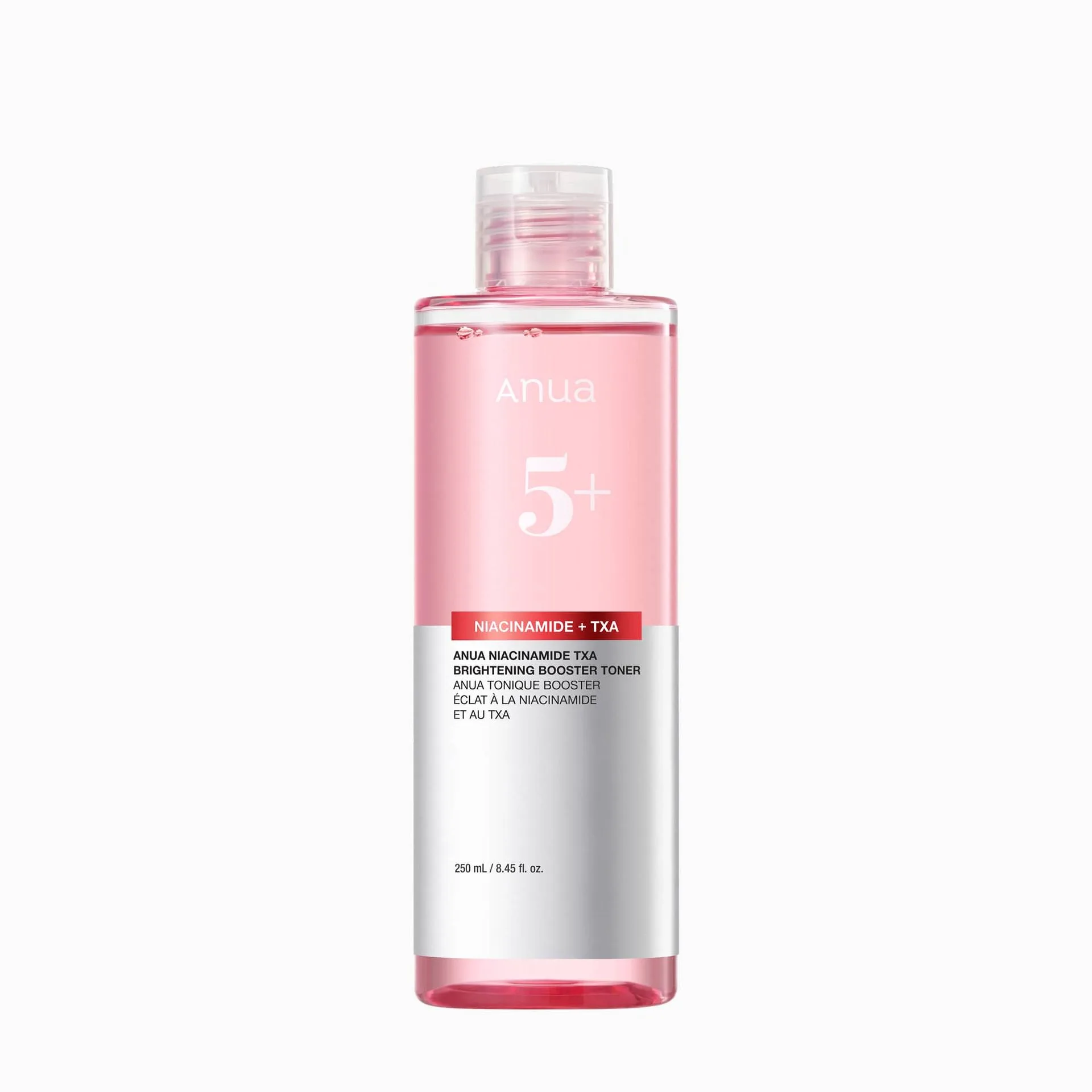
Layering is key for redness-prone skin, but the wrong order can trap heat and worsen flushing. Start with a calming toner—like the Rice 70 Glow Milky Toner—to hydrate and prep the skin without stripping. Follow with a lightweight serum that contains niacinamide, which helps reduce redness over time. The https://purebeautytools.store/products/niacinamide-10-txa-4-serum-for-brightening-and-dark-spots-51554Niacinamide 10 TXA 4 Serum for Brightening and Dark Spots is a solid choice because it also targets post-inflammatory hyperpigmentation.
After your serum, apply a barrier-supporting moisturizer, then finish with your sunscreen. If your skin is particularly reactive, you can mix a drop of your moisturizer with your sunscreen to dilute it slightly, though this may reduce SPF protection. A better option is to wait 2–3 minutes between layers so each product absorbs fully before the next goes on.
- Apply sunscreen as the last step in your morning routine—after moisturizer but before makeup—to ensure maximum protection.
Our Top Picks for 2026: Gentle Korean Sunscreens That Deliver
While we don’t test products ourselves, the Korean beauty community consistently praises sunscreens that combine mineral filters with soothing botanicals. Look for formulas that list zinc oxide as the active ingredient and include heartleaf, green tea, or centella asiatica. These ingredients not only calm redness but also provide antioxidant protection against pollution and blue light.
If you have rosacea-prone skin, consider a sunscreen that also contains azelaic acid or niacinamide—both help reduce redness over time. The Niacinamide 10 TXA 4 Serum for Brightening and Dark Spots can be used under your SPF to boost these benefits. For an all-in-one soothing routine, the Age-defying Routine Set includes a gentle cleanser, toner, and moisturizer that prep the skin for a non-irritating sunscreen.
- Always reapply sunscreen every two hours if you’re outdoors—set a timer so you don’t forget, especially during summer months.
Finding a sunscreen that protects without provoking redness is absolutely possible with Korean skincare. Focus on mineral filters, soothing ingredients like heartleaf and panthenol, and a gentle layering routine that respects your skin’s sensitivity. Start with a calming base, choose a fragrance-free SPF, and your skin will thank you with less flushing and a more even tone.