Choosing the right dinnerware for everyday use can feel overwhelming. You want plates and bowls that withstand the rigors of daily meals, resist chipping, and still look beautiful on your table. The material of your dinnerware determines its durability, weight, heat retention, and overall aesthetic. Whether you're a busy parent, a home chef, or someone who loves hosting casual dinners, understanding the pros and cons of each material helps you make a smart investment.
In this guide, we break down the most popular everyday dinnerware materials—stoneware, porcelain, melamine, and ceramic—comparing their durability, style, and practicality. We'll also share tips on pairing your dinnerware with complementary flatware and linens to create a cohesive table setting.
Stoneware: The Rugged Workhorse of Everyday Dining
Stoneware is a top contender for daily use because of its exceptional durability and chip resistance. Fired at high temperatures, stoneware becomes dense and non-porous, making it less prone to cracking under thermal stress. Its weighty feel gives a sense of quality and stability, while the glazed surface is easy to clean and resists stains. Stoneware comes in a wide range of colors and finishes, from matte to glossy, allowing you to match any table aesthetic.
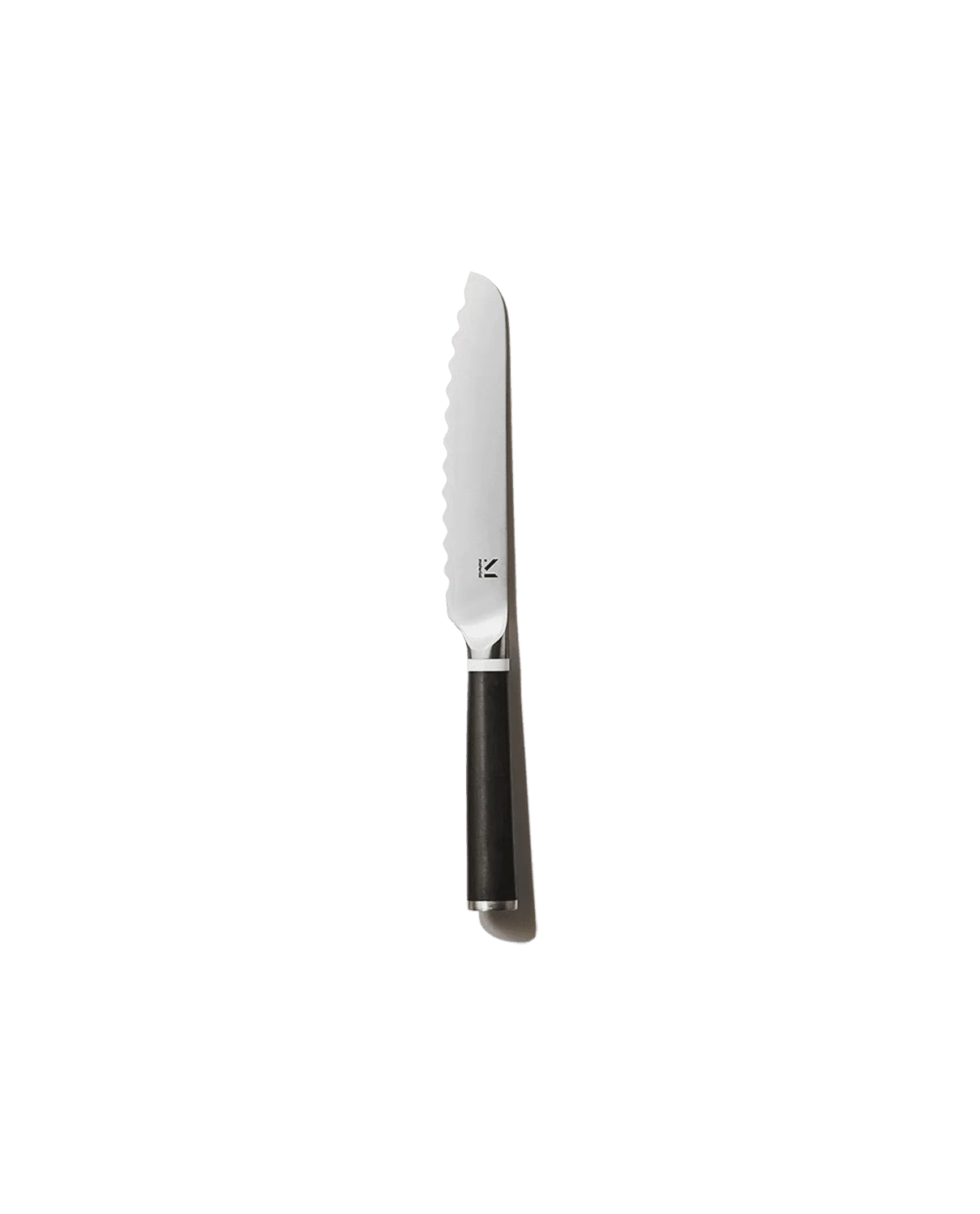
For those who love a rustic or modern farmhouse look, stoneware is an excellent choice. It pairs beautifully with natural linens like linen napkins or cotton placemats. When setting your table, consider complementing your stoneware plates with a set of The Table Knives for a cohesive, sturdy feel. The durability of stoneware means it can handle daily use and occasional drops without showing wear.

The Table Knives
- Tip: Choose stoneware with a fully glazed base to prevent scratching on your table surface.
Porcelain: Elegance That Endures
Porcelain is often mistaken for ceramic but is actually a type of ceramic fired at even higher temperatures, resulting in a harder, more vitrified material. It is incredibly strong and resistant to chipping, yet it remains lightweight and delicate in appearance. Porcelain dinnerware often features a smooth, translucent quality that elevates any meal, making it suitable for both everyday dining and special occasions.
One of the biggest advantages of porcelain is its non-porous surface, which resists absorption of odors and stains from foods like tomato sauce or turmeric. It is also microwave and dishwasher safe, adding convenience to your daily routine. To complete your table setting, pair porcelain plates with a set of French Country Cutlery for a timeless, elegant look. The combination of refined porcelain and classic flatware creates a balanced table that feels both luxurious and approachable.
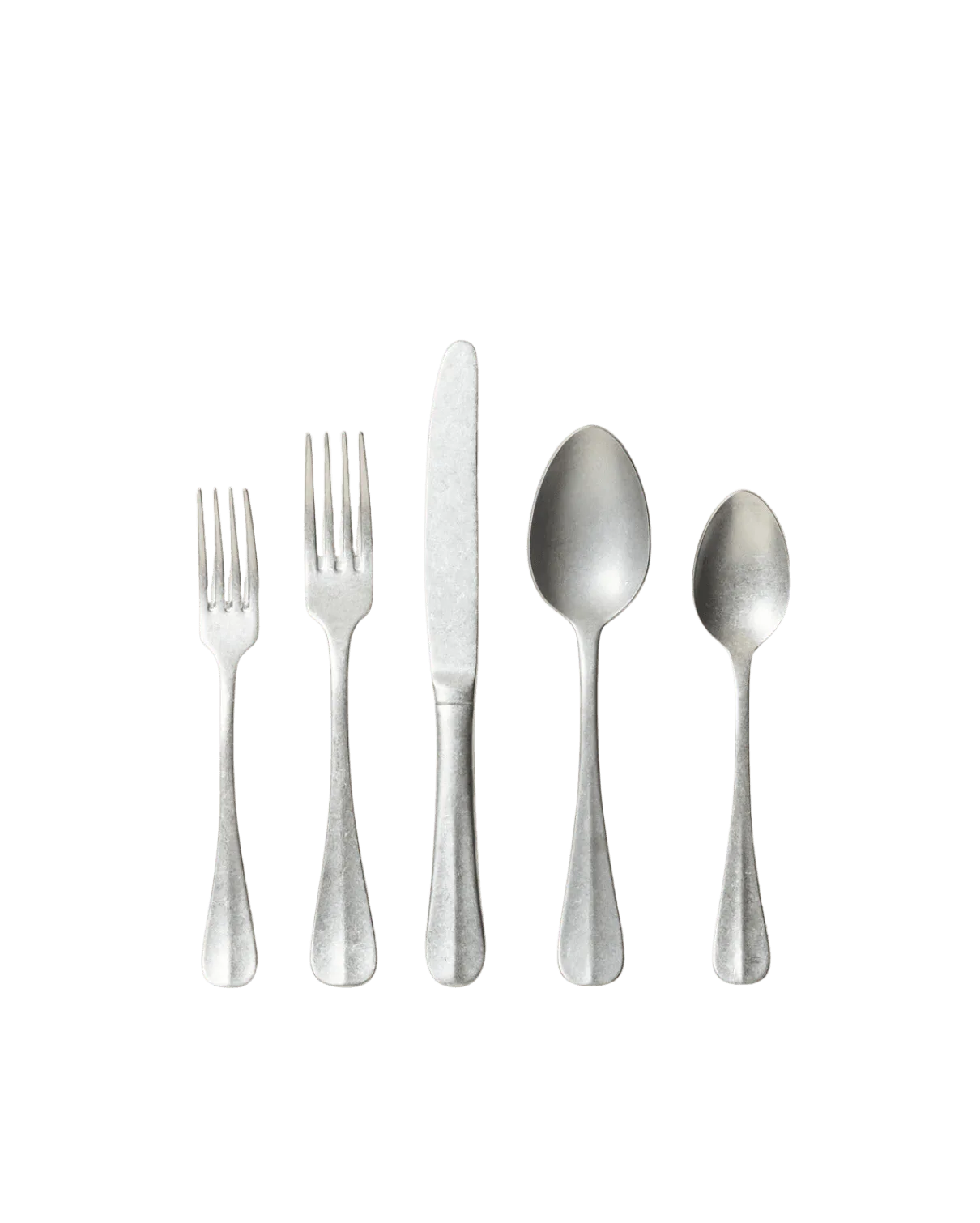
French Country Cutlery
- Tip: Look for porcelain with a reinforced rim for extra chip resistance.
Melamine: The Unbreakable Alternative for Outdoor and Family Meals
Melamine dinnerware is a synthetic material known for its nearly indestructible nature. It is lightweight, shatterproof, and resistant to scratches and stains, making it ideal for outdoor dining, picnics, or households with young children. Melamine pieces can mimic the look of ceramic or stoneware but without the fragility. They are also easy to clean and often dishwasher safe.
The main drawback of melamine is that it is not microwave safe and can be prone to scratching if cut with sharp knives. However, for casual everyday meals or al fresco gatherings, melamine is a practical and stylish choice. To add a touch of texture to your table, consider using an Artisan Felt Pom Pom Trivet - Natural & Moss as a heat-safe base for your melamine serving dishes. This trivet not only protects your table but also introduces a playful, handmade element to your decor.
- Tip: Avoid using melamine for hot foods above 160°F to prevent material degradation.
How to Choose the Right Material for Your Lifestyle
When selecting everyday dinnerware, consider your household's habits: Do you frequently microwave leftovers? Are you prone to dropping plates? Do you prefer a lightweight or heavy feel? Stoneware is best for those who prioritize durability and a substantial feel. Porcelain suits those who want elegance without sacrificing strength. Melamine is ideal for outdoor or child-friendly settings.
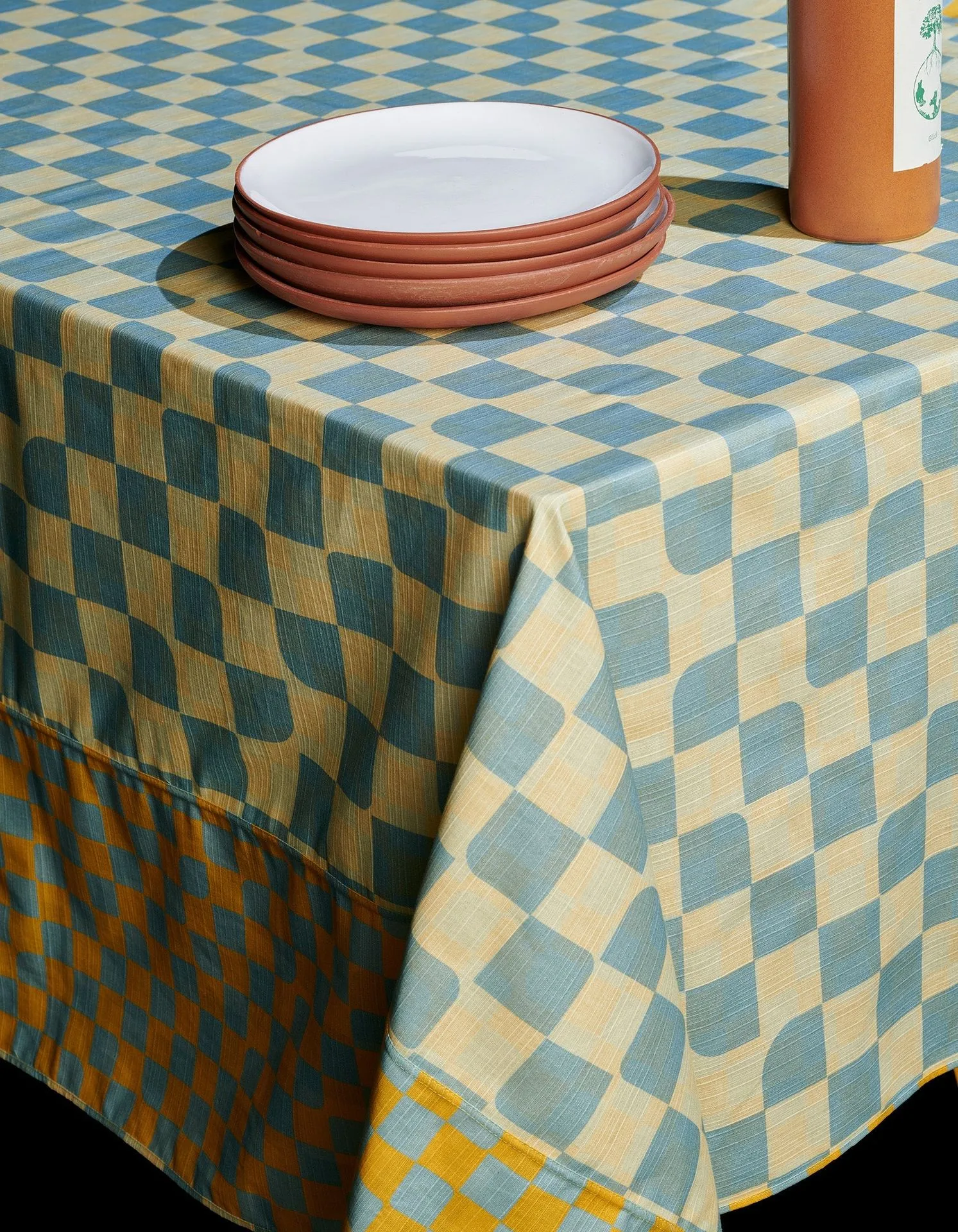
Also think about how your dinnerware will coordinate with other tabletop items. For a cohesive look, match the color and texture of your plates with your flatware and napkins. For example, warm-toned stoneware pairs well with wooden cutting boards like The Angled Board for serving bread or cheese. Meanwhile, crisp white porcelain complements colorful linens such as Dinner Napkins Double Sided Checker - High Season for a vibrant table.
- Tip: Stick to one or two dinnerware materials in your collection to maintain visual harmony.
No matter which material you choose, investing in quality dinnerware transforms your daily meals into a more enjoyable experience. Explore our curated selection of durable and stylish options at Material, including the versatile The Angled Board that doubles as a serving piece and cutting board. Upgrade your table today with pieces built to last.