When you’re shopping for a desk lamp, it’s easy to get caught up in brightness, bulb type, or adjustable arms. But the material the lamp is made from matters just as much—it influences how the lamp feels, how long it lasts, how it disperses heat, and even how the light reflects onto your work surface. Whether you’re a designer seeking a Bauhaus icon or someone who just wants a reliable task lamp, understanding materials helps you make a smarter purchase.
In this guide, we’ll walk through the most common desk lamp materials—steel, brass, aluminum, wood, and more—and explain what each one brings to your desk. We’ll also highlight a few pieces from our collection that showcase these materials beautifully, so you can see the difference in real products.
Steel Desk Lamps: Durability and Industrial Charm
Steel is one of the most popular materials for task lamps, especially those inspired by mid-century and Bauhaus design. It’s strong, resistant to bending, and can be finished in a variety of ways—powder-coated matte black, polished chrome, or brushed steel. A steel lamp feels substantial on your desk and rarely wobbles, even when fully extended. It also dissipates heat well, which is important if you use an incandescent or halogen bulb.
One classic example of steel craftsmanship is the Kaiser Idell 6556-T desk lamp, an icon of German industrial design. Its steel shade and arm are built to last decades, and the adjustable joints hold their position without slipping. Steel is also relatively easy to maintain: a quick wipe with a damp cloth removes dust and fingerprints. If you prefer a warmer look, look for steel lamps with brass or copper accents—they combine strength with a touch of elegance.
- Steel is ideal for adjustable arms and rotating heads because it resists metal fatigue.
- Powder-coated steel finishes are scratch-resistant and available in many colors.
Brass Desk Lamps: Warmth and Patina Over Time
Brass has a distinctive golden hue that adds warmth to any workspace. Unlike steel, brass develops a natural patina over time, which many people find beautiful. A brass desk lamp can shift from shiny and polished to a softer, aged look, giving your desk a living, evolving character. Brass is also a good conductor of heat, so it stays cool to the touch even after hours of use.
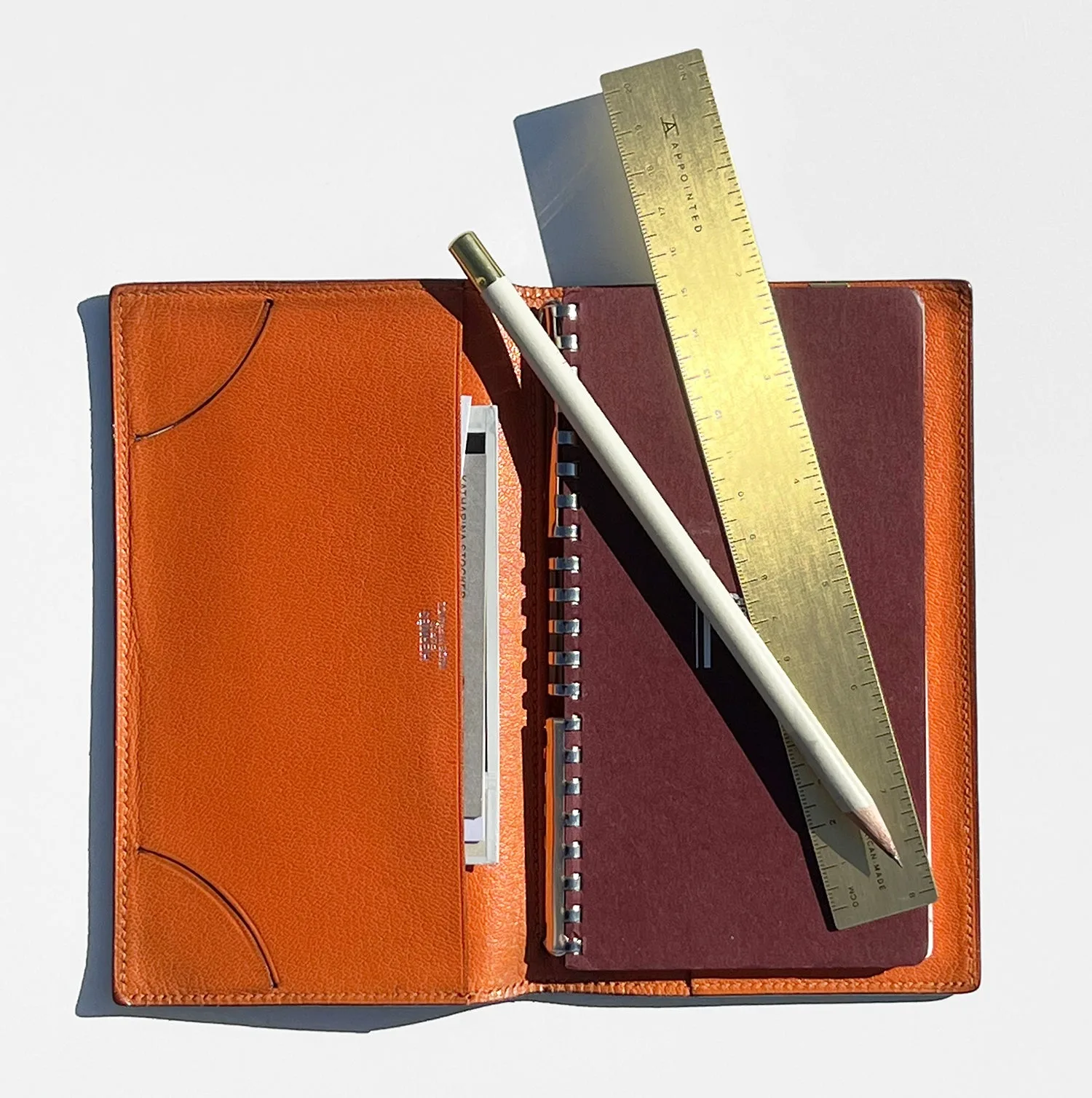
Brass lamps pair wonderfully with wood desks and leather accessories, creating a cohesive vintage or mid-century aesthetic. They are also often used in architect’s lamps and banker’s lamps. If you want a lamp that feels both refined and practical, consider a brass model. Many modern designs combine a brass arm with a steel or aluminum shade to balance weight and cost. For a similar warm accent in your workspace, you might also explore the Demeulemeester Dé Desk Vessel, which uses brass detailing to elevate a simple desk organizer.
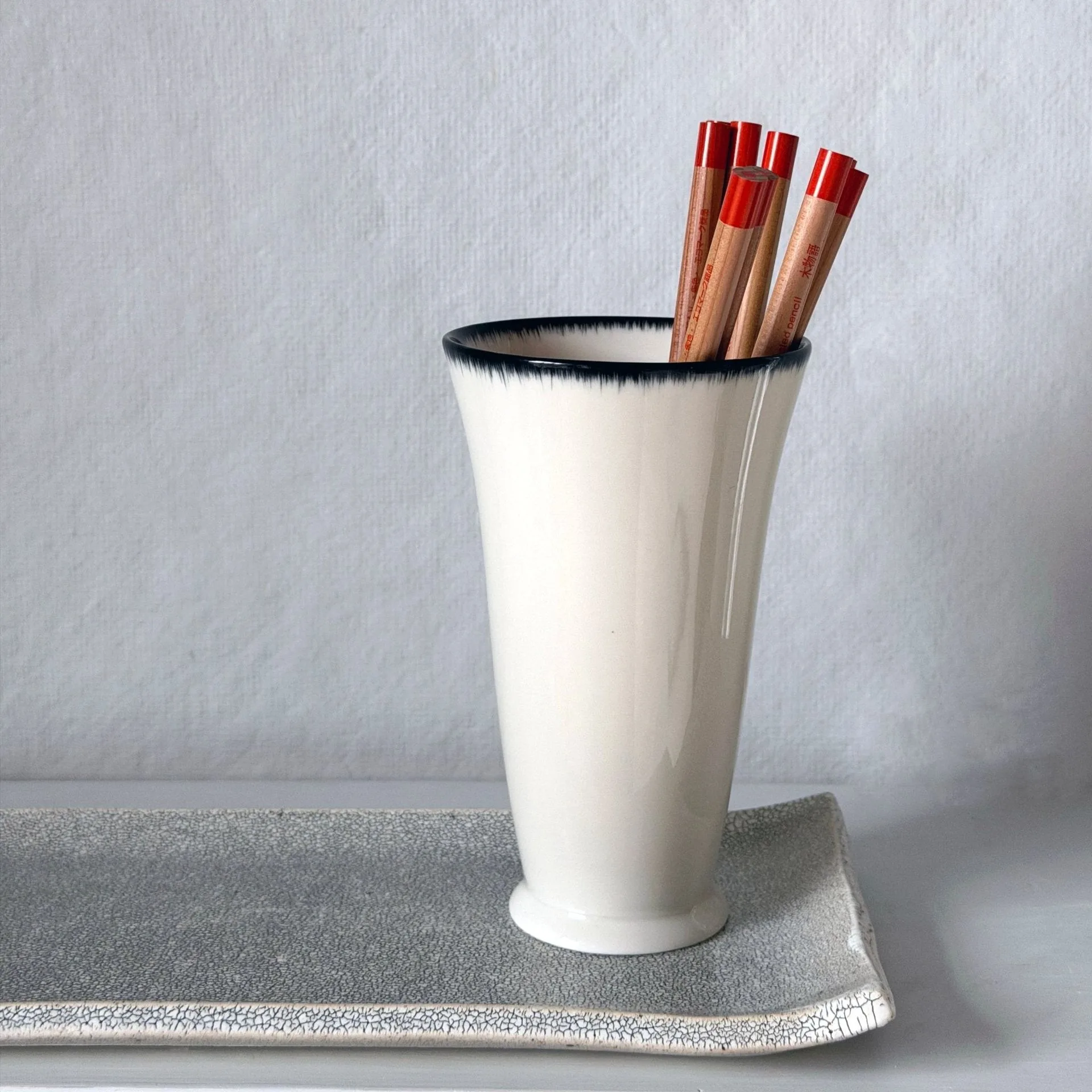
Demeulemeester Dé Desk Vessel
- Brass requires occasional polishing with a brass cleaner to maintain its shine.
- Lacquered brass stays shiny longer but won’t develop a natural patina.
Aluminum Desk Lamps: Lightweight and Modern
Aluminum is the go-to material for contemporary and minimalist desk lamps. It’s much lighter than steel, making it easier to reposition the lamp head or move the entire lamp across your desk. Aluminum also resists rust and corrosion, so it’s a great choice for humid environments or if you tend to keep water nearby. Many high-end task lamps use cast aluminum for the base and extruded aluminum for the arm.
The downside? Aluminum can dent more easily than steel, and it may feel less premium if the finish is thin. However, anodized aluminum—which has a protective oxide layer—is extremely durable and comes in matte or satin finishes. For a sleek, modern desk setup, an aluminum lamp in white, silver, or black is a safe bet. Pair it with a natural wood shelf like the FDB Møbler Sorø Solid Oak Wall Shelf — Single, Wide to balance the cool metal with organic warmth.
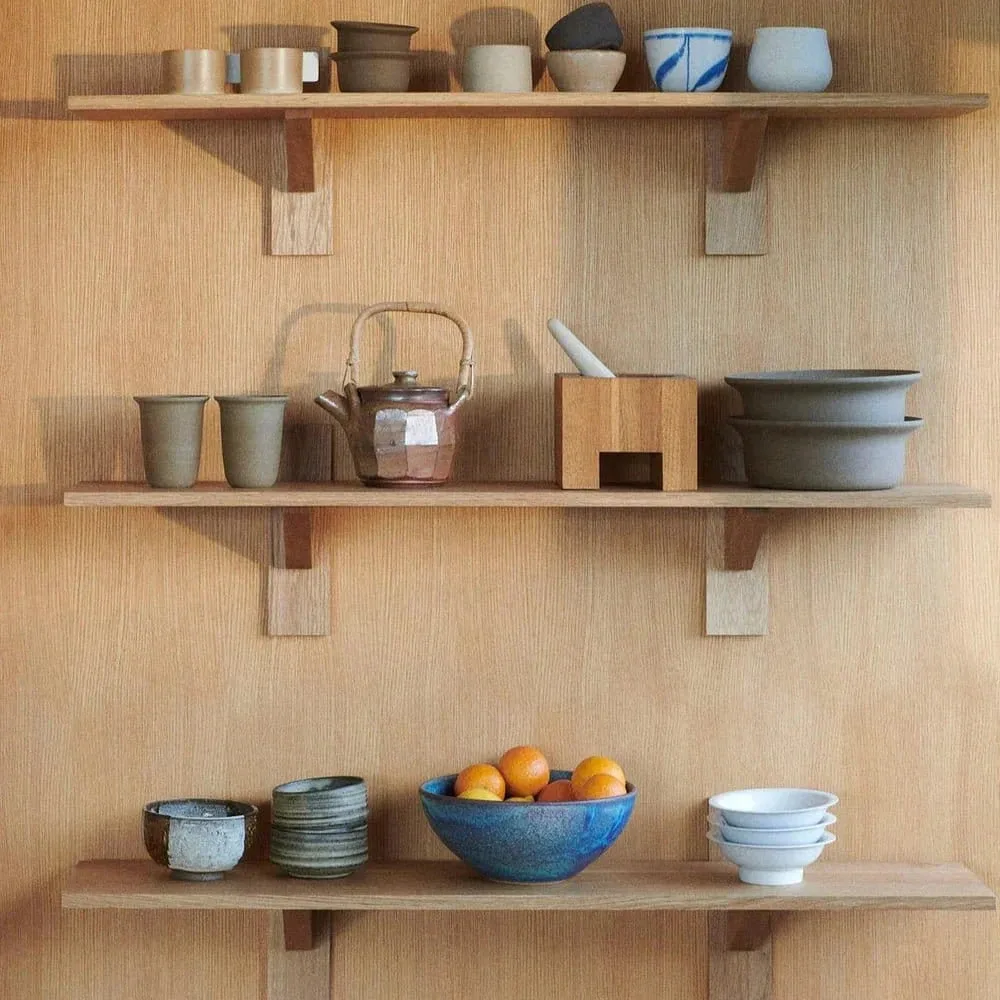
FDB Møbler Sorø Solid Oak Wall Shelf — Single, Wide
- Aluminum lamps are ideal for adjustable swing arms because they reduce strain on joints.
- Look for anodized or powder-coated aluminum for better scratch resistance.
Wood Desk Lamps: Natural Warmth and Craftsmanship
Wood desk lamps bring a tactile, organic feel to your workspace. They are often made from oak, walnut, or beech, and can be turned, carved, or laminated into unique shapes. Wood is a poor conductor of heat, so the lamp body stays cool, and it naturally absorbs sound, reducing echo in a quiet room. A wood lamp can soften the look of a desk that has a lot of metal or glass.
Many wood lamps use a combination of materials—a wooden base with a metal shade, for example. This hybrid approach gives you the warmth of wood without sacrificing the precise light control of a metal reflector. Some designs also incorporate wood in the shade itself, creating a diffused, gentle glow. For a cohesive natural look, consider pairing a wood lamp with the Hoff Planters: Warm and Cool Colorways to bring greenery and texture to your desk.
- Wood lamps require occasional oiling or waxing to prevent drying and cracking.
- Solid wood is more durable than veneer, but veneer can still last for years with care.
Other Notable Materials: Glass, Ceramic, and Plastic
Glass and ceramic desk lamps are less common but offer unique aesthetic benefits. Glass shades can be clear, frosted, or colored, and they diffuse light beautifully, reducing harsh shadows. Ceramic bases add a handcrafted, artisanal feel, but they are heavy and can break if knocked over. Plastic (or polycarbonate) lamps are lightweight and inexpensive, but they may yellow over time and feel less premium. For a durable, long-lasting lamp, stick with metal or wood as the primary material.
If you love the look of glass but want a more robust build, look for lamps with a metal frame and a glass shade. This gives you the best of both worlds: the light quality of glass and the structural integrity of steel or brass. When choosing materials, also consider the lamp’s finish—matte finishes hide fingerprints better than glossy ones, and dark colors absorb heat more than light colors.
- Glass lampshades are best for ambient or mood lighting, not focused task work.
- Avoid plastic lamps if you plan to use high-wattage bulbs—heat can warp the material.
Choosing the right desk lamp material is about balancing durability, light quality, and personal style. Steel gives you strength and industrial heritage, brass adds warmth and character, aluminum keeps things light and modern, and wood brings nature indoors. Whatever your preference, a well-made lamp is an investment in your daily comfort and productivity. Explore our full collection of desk lamps and accessories to find the perfect match for your workspace—start with the Demeulemeester Dé Desk Vessel for a refined brass accent that complements any lamp.