Choosing the right drinkware goes beyond aesthetics—it affects your drinking experience, health, and environmental footprint. Whether you're sipping hot coffee, cold water, or a relaxing tea, the material of your cup or bottle can influence temperature retention, taste purity, and longevity. In this guide, we compare three popular drinkware materials: glass, stainless steel, and ceramic, to help you decide which best suits your daily routine.
Each material has unique strengths and trade-offs. Glass offers clarity and neutrality, stainless steel excels in insulation and durability, while ceramic brings a classic, earthy feel. By understanding their properties, you can make an informed choice that aligns with your lifestyle and values. Let's dive into the details.
Glass Drinkware: Pure Taste and Elegant Transparency
Glass is a favorite for those who prioritize taste and visual appeal. It is non-porous and chemically inert, meaning it won't absorb flavors, odors, or leach any substances into your beverages. This makes it ideal for water, juice, or wine where purity matters. High-quality borosilicate glass is also heat-resistant, allowing it to handle both hot and cold drinks without cracking.
However, glass is fragile and heavier than other options. It can break if dropped, making it less suitable for on-the-go use or outdoor activities. For home or office settings, glass drinkware like elegant tumblers or carafes adds a touch of sophistication. Pairing a glass pitcher with a matching set of cups can elevate your table setting, especially when coordinating with other kitchen accessories.
- Non-porous surface prevents flavor contamination
- Microwave and dishwasher safe (check manufacturer guidelines)
- Requires careful handling to avoid breakage
Stainless Steel Drinkware: Unmatched Durability and Temperature Control
Stainless steel is the go-to material for active lifestyles and travel. Its double-wall vacuum insulation keeps drinks hot for up to 12 hours or cold for 24 hours, making it perfect for commuters, hikers, and gym-goers. It is virtually indestructible—resistant to dents, rust, and corrosion—and does not shatter like glass. Food-grade stainless steel also does not impart metallic flavors when properly manufactured.
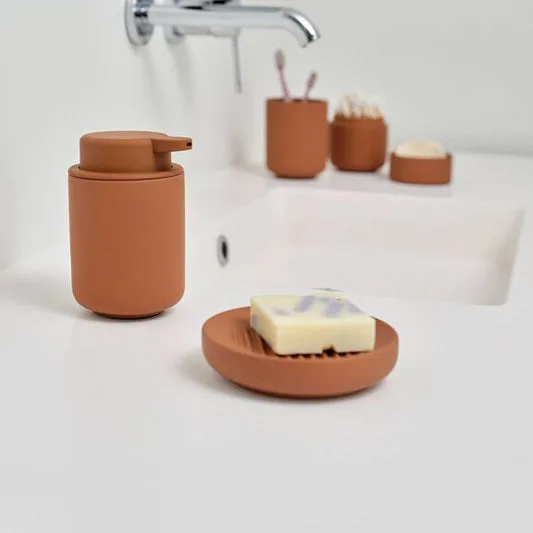
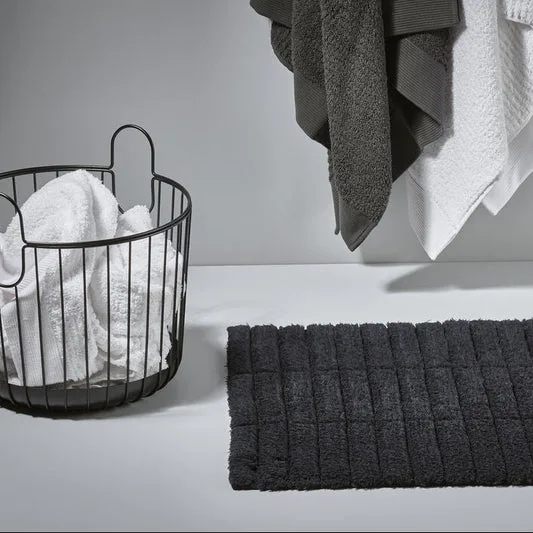
The downside is that stainless steel is opaque, so you cannot see the contents. It is also heavier than plastic but lighter than glass. Cleaning is easy, though some models are not microwave safe. For a coordinated bathroom or kitchen look, consider matching your drinkware with other metal accessories like a https://marketkind.shop/products/nova-soap-dispenser-118480https://marketkind.shop/products/nova-soap-dispenser-118481https://marketkind.shop/products/nova-soap-dispenser-118482https://marketkind.shop/products/nova-soap-dispenser-118483Nova Soap Dispenser or a Tiles Bath Mat to create a cohesive modern aesthetic.
- Excellent insulation for hot and cold beverages
- Lightweight and shatterproof for portability
- BPA-free and recyclable at end of life
Ceramic Drinkware: Timeless Craftsmanship and Comfort
Ceramic mugs and cups bring warmth and artistry to your daily ritual. Made from natural clay fired at high temperatures, ceramic is durable, non-toxic, and retains heat well. It feels pleasant in the hands and often features beautiful glazes or hand-painted designs. Ceramic is also microwave and dishwasher safe, adding convenience for everyday use.
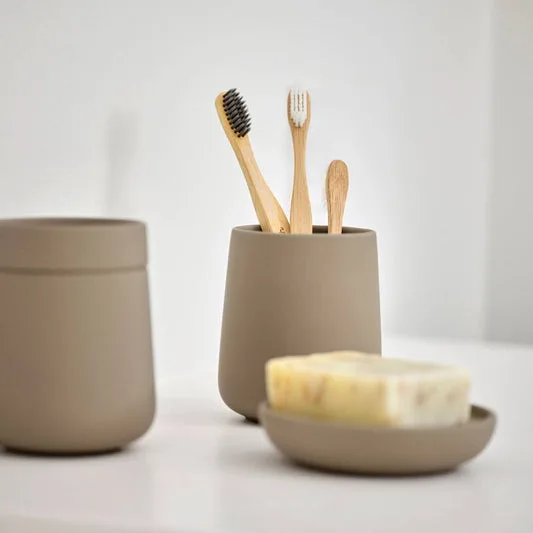
The main drawback is that ceramic can chip or crack if dropped, and it is typically heavier than other materials. It also lacks the insulation properties of stainless steel, so drinks cool down faster. For a cozy home or café atmosphere, ceramic drinkware pairs beautifully with wooden or stone serving pieces. A ceramic mug next to a Nova One Jar and Lid on your countertop creates a warm, inviting vignette.
- Natural materials with unique artisanal finishes
- Microwave and dishwasher safe for easy care
- Heavier and more prone to chipping than stainless steel
Comparing the Three: A Quick Reference Table
To help you decide at a glance, here is a side-by-side comparison of glass, stainless steel, and ceramic drinkware across key attributes. Use this table to weigh the pros and cons based on your priorities—whether that's taste, durability, insulation, or style.
Environmental Impact and Sustainability
All three materials are reusable and reduce single-use plastic waste, but their environmental footprints differ. Glass is made from abundant natural resources (sand, soda ash, limestone) and is 100% recyclable without quality loss. Stainless steel requires mining and energy-intensive production, but its long lifespan offsets the initial impact. Ceramic uses natural clay and is fired at high temperatures, which consumes energy, but it is also durable and biodegradable at end of life.
When choosing, consider how often you will use the item and whether it can be recycled locally. Investing in high-quality drinkware that lasts for years is the most sustainable choice. Pairing your drinkware with other eco-friendly home accessories, such as a Nova Soap Dish or Ume Soap Dish, can further reduce your household's plastic consumption.
- Glass: infinitely recyclable, low toxicity
- Stainless steel: high durability reduces replacement frequency
- Ceramic: natural materials, biodegradable but energy-intensive
How to Choose the Right Drinkware for Your Lifestyle
Your choice ultimately depends on how and where you use your drinkware. For daily home use, glass or ceramic offers the best taste and aesthetic appeal. For commuting, outdoor adventures, or keeping beverages at the perfect temperature for hours, stainless steel is unbeatable. If you love variety, consider owning a mix—glass for water at your desk, ceramic for morning coffee, and stainless steel for travel.
Also think about coordination with your existing home decor. A minimalist kitchen with clean lines may benefit from sleek stainless steel bottles, while a rustic or farmhouse style calls for ceramic mugs. Don't forget to accessorize with matching items like the Ume Jar and Lid for storing tea or coffee beans, creating a unified look throughout your space.
- Home/office: glass or ceramic for taste and style
- Travel/outdoor: stainless steel for insulation and durability
- Mix and match to suit different occasions
Whether you prefer the clarity of glass, the ruggedness of stainless steel, or the warmth of ceramic, the best drinkware material is the one that fits your daily habits and values. By choosing a reusable option, you are already making a positive impact on the planet. Explore our collection of drinkware and home accessories to find pieces that match your style and needs.