If you grew up rolling dice and moving Colonel Mustard through the halls of a creepy mansion, you know the thrill of solving a whodunit around the kitchen table. Clue (or Cluedo, for our international friends) is the gold standard of classic board games, but its linear gameplay and limited replay value leave many mystery lovers craving more. The good news is that the world of mystery games has exploded in recent years, offering immersive narratives, real evidence to examine, and multiple endings that make every playthrough feel fresh.
In this article, we will compare Clue with several modern mystery games that capture that same nostalgic energy while adding deeper storytelling and interactive elements. Whether you are a solo sleuth or a group of gumshoes, you will find a game that honors the classics while pushing the genre forward. We will highlight a few standout options from Hunt A Killer, a brand that specializes in turning armchair detectives into active investigators.
What Made Clue a Classic Board Game Icon
Clue has been a staple of family game nights since 1949, and for good reason. Its simple premise—a murder in a mansion, six suspects, nine rooms, and six weapons—offers endless combinations that keep players guessing. The game's charm lies in its deduction mechanics: players move from room to room, make suggestions, and use process of elimination to narrow down the killer, weapon, and location. It is accessible, quick to learn, and perfect for casual gatherings.
However, Clue does have limitations. The game relies heavily on luck (rolling dice to reach rooms) and can become repetitive once you memorize the solution patterns. Modern mystery games address these issues by introducing narrative depth, physical evidence (letters, photographs, maps), and branching storylines. For fans of classic board games who want more immersion, these alternatives offer a satisfying upgrade without losing the core joy of deduction.
- Clue's replay value diminishes after a few plays because the solution is always a fixed combination of suspect, weapon, and room.
- Modern mystery games often include multiple cases or scenarios, extending the life of the game significantly.
Modern Mystery Games That Capture the Clue Vibe
Hunt A Killer's Dead on the Vine transports you to a 1920s vineyard where a wealthy vintner has been poisoned. Like Clue, you have a set of suspects (the eccentric family and staff), a limited number of locations (the estate grounds), and a list of possible murder weapons (including a rare wine bottle). But instead of rolling dice, you open sealed envelopes containing real documents—a torn letter, a police report, a cryptic note—that you must analyze to piece together the truth. The game supports 1-4 players and takes about 60-90 minutes, making it a perfect evening activity for couples or small groups.

Dead on the Vine
Another excellent choice is Murder At The Motel, which channels the noir atmosphere of Clue's mansion but swaps the setting for a seedy roadside motel in the 1970s. You play as a detective investigating a string of suspicious deaths. The game includes a map of the motel, suspect dossiers, and evidence cards that you must organize on a board. It is more collaborative than Clue, encouraging discussion and note-taking. Both games retain the classic board game feel—turn-based progress, deduction, and a satisfying reveal—while adding layers of storytelling that make each session unique.
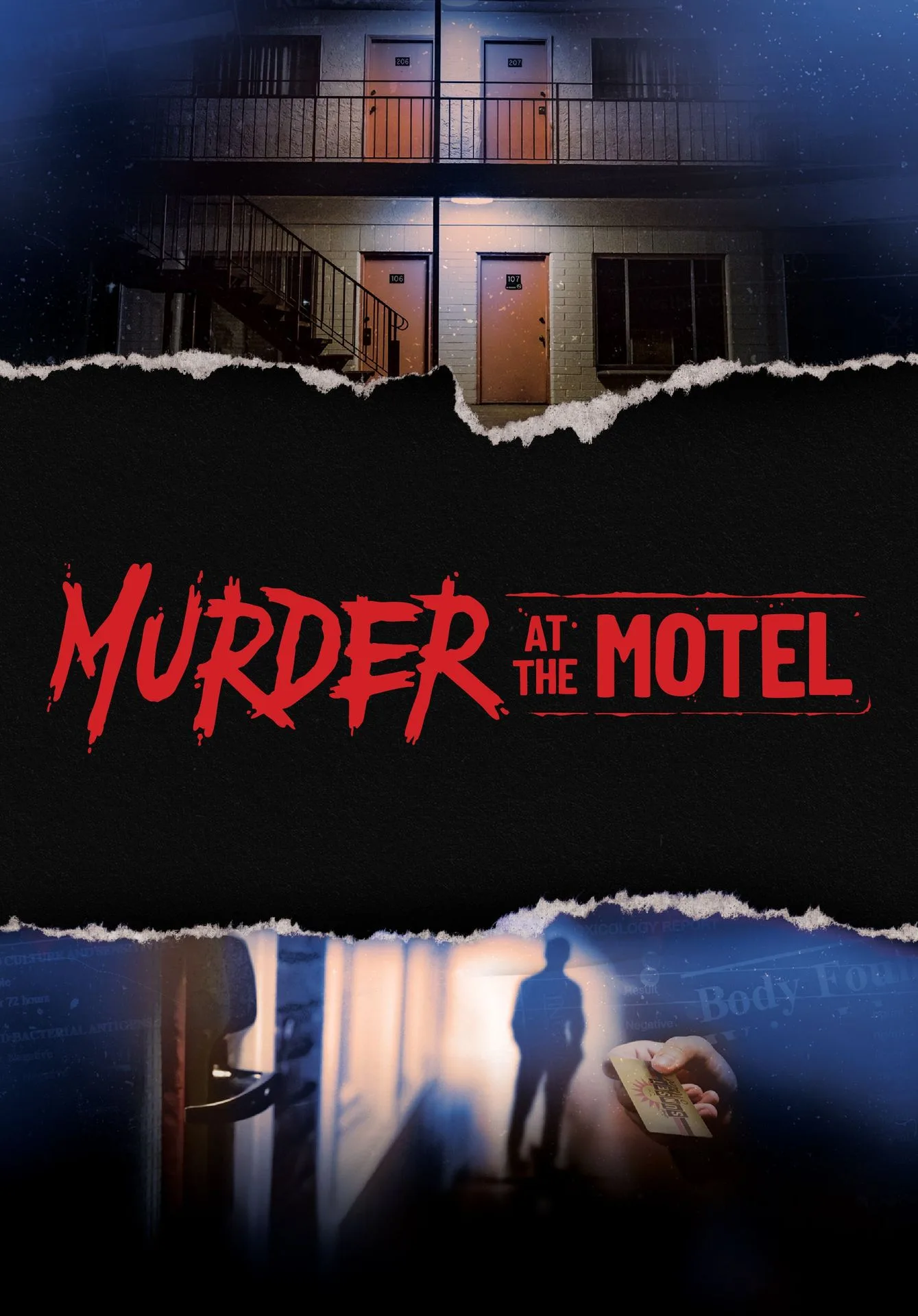
Murder At The Motel
- Dead on the Vine includes a detailed case file that mimics real police evidence, adding a tactile element Clue lacks.
- Murder At The Motel supports solo play, so you can investigate at your own pace without needing a group.
Comparing Gameplay: Clue vs. Hunt A Killer Experiences
To help you decide which mystery game suits your nostalgia and preferences, here is a side-by-side comparison of Clue and two popular Hunt A Killer titles: Dead on the Vine and Murder At The Motel. The table highlights key differences in gameplay, replayability, and immersion.
Clue is a competitive race to solve the mystery first, which can be fun but sometimes leads to rushed guesses. Hunt A Killer games are cooperative, meaning everyone works together to solve the case. This shift in dynamics fosters teamwork and deeper discussion, similar to how classic board games like Clue brought families together but with less pressure to win. Additionally, Hunt A Killer games offer multiple endings based on your deductions, whereas Clue has a single correct answer. This branching narrative is a major draw for players who love replaying a game to see different outcomes.
A Quick Comparison Table: Clue vs. Modern Mystery Games
Here is a quick reference table that compares Clue with Dead on the Vine and Murder At The Motel across key features. Use it to see which game best matches your group's style.
Why Hunt A Killer Games Are the Perfect Clue Alternative
If you love the deduction and suspense of Clue but want a more immersive experience, Hunt A Killer games are an ideal next step. They retain the core mechanics of gathering clues and eliminating suspects, but they replace dice rolls with real detective work. You will read handwritten letters, examine photographs, and decode ciphers—all activities that make you feel like a true investigator. The games are designed for 1-4 players, so they work for solo nights, couples, or small groups.
Another standout is The Salem Slicer, which draws inspiration from true crime and horror genres. It is a more intense experience than Clue, with a darker narrative and more complex puzzles. For fans of classic board games who enjoy a challenge, this game offers a satisfying escalation in difficulty. The box includes a timeline of events, suspect interviews, and forensic reports, pushing your deduction skills to the limit. It is perfect for those who want to graduate from Clue to a more sophisticated mystery game.
- Hunt A Killer games typically take 60-120 minutes to complete, similar to a long game of Clue, but with more depth.
- Many Hunt A Killer titles are part of a series, allowing you to continue the story across multiple boxes.
Tips for Transitioning from Clue to Modern Mystery Games
If you are used to the straightforward rules of Clue, jumping into a modern mystery game might feel overwhelming. Here are a few tips to ease the transition. First, start with a game that has a clear structure, like Dead on the Vine, which provides a step-by-step guide and organized evidence packets. Second, play with a group that is patient and willing to discuss theories—this mirrors the collaborative spirit of classic board games. Finally, do not be afraid to take notes; unlike Clue, where you keep mental notes, modern games encourage you to write down observations and cross-reference clues.
Another tip is to set aside dedicated time without distractions. Clue can be played in 30 minutes, but Hunt A Killer games require focus. Treat it like a mini escape room at home. You can even create atmosphere with dim lighting and background music, just like you might have done for a Clue tournament. The goal is to enjoy the process of discovery, not just the final reveal.
Whether you are a lifelong fan of Clue or just discovering the joy of detective games, Hunt A Killer offers a range of options that honor the classic board game tradition while pushing the envelope. Start with Dead on the Vine for a nostalgic feel with modern depth, or dive into The Salem Slicer for a darker challenge. Gather your friends, sharpen your deduction skills, and experience the thrill of solving a mystery that feels real. Ready to become a detective? Explore our collection and find your next case.