When it comes to anti-aging, what you do at night matters more than your morning routine. While you sleep, your skin enters repair mode—cell turnover accelerates, collagen production ramps up, and active ingredients absorb more deeply. That's why a well-structured nighttime skincare routine can deliver dramatic results over time, smoothing fine lines, boosting firmness, and restoring radiance.
But with so many products and ingredients to choose from, building the perfect PM regimen can feel overwhelming. Should you use retinol every night? Where does a serum fit in? Do you really need an eye cream? In this guide, we'll walk you through a step-by-step anti-aging night routine—from the first cleanse to the final layer—so you can maximize every product's potential and wake up to visibly younger-looking skin.
Why Nighttime Is Prime Time for Anti-Aging
Your skin's biological clock follows a circadian rhythm. During the day, it focuses on protection—defending against UV rays, pollution, and environmental stressors. At night, it shifts into regeneration mode. Blood flow increases, skin cells repair DNA damage, and the production of collagen and elastin peaks. This natural process makes the evening the ideal window to apply potent anti-aging ingredients like retinol, peptides, and vitamin C derivatives.
Additionally, your skin's barrier is more permeable at night, which means active ingredients can penetrate deeper and work more effectively. There's also no risk of sun exposure degrading certain ingredients (like retinol) or causing photosensitivity. By aligning your skincare routine with your skin's natural repair cycle, you can dramatically improve the efficacy of every product you use.
- Night is when collagen synthesis is at its highest—support it with targeted treatments.
- Avoid layering too many actives at once; introduce new ingredients gradually to prevent irritation.
- Always finish with a moisturizer or oil to seal in hydration while you sleep.
Step 1: Double Cleanse to Remove Every Trace of the Day
The foundation of any effective nighttime routine is a thorough cleanse. Throughout the day, your skin accumulates sunscreen, makeup, sebum, and environmental pollutants. If these aren't fully removed, they can clog pores, dull your complexion, and prevent your anti-aging products from absorbing properly. That's why dermatologists recommend the double-cleansing method: first with an oil-based cleanser to dissolve makeup and sunscreen, then with a water-based cleanser to sweep away impurities.
For the second step, choose a gentle yet effective formula that won't strip your skin's natural moisture barrier. The HydraCleanse Rebalancing Gel Cleanser is an excellent option—it uses a blend of aloe vera and glycerin to hydrate while it cleans, leaving your skin soft, balanced, and ready for treatment. Massage it into damp skin for 60 seconds, then rinse with lukewarm water.
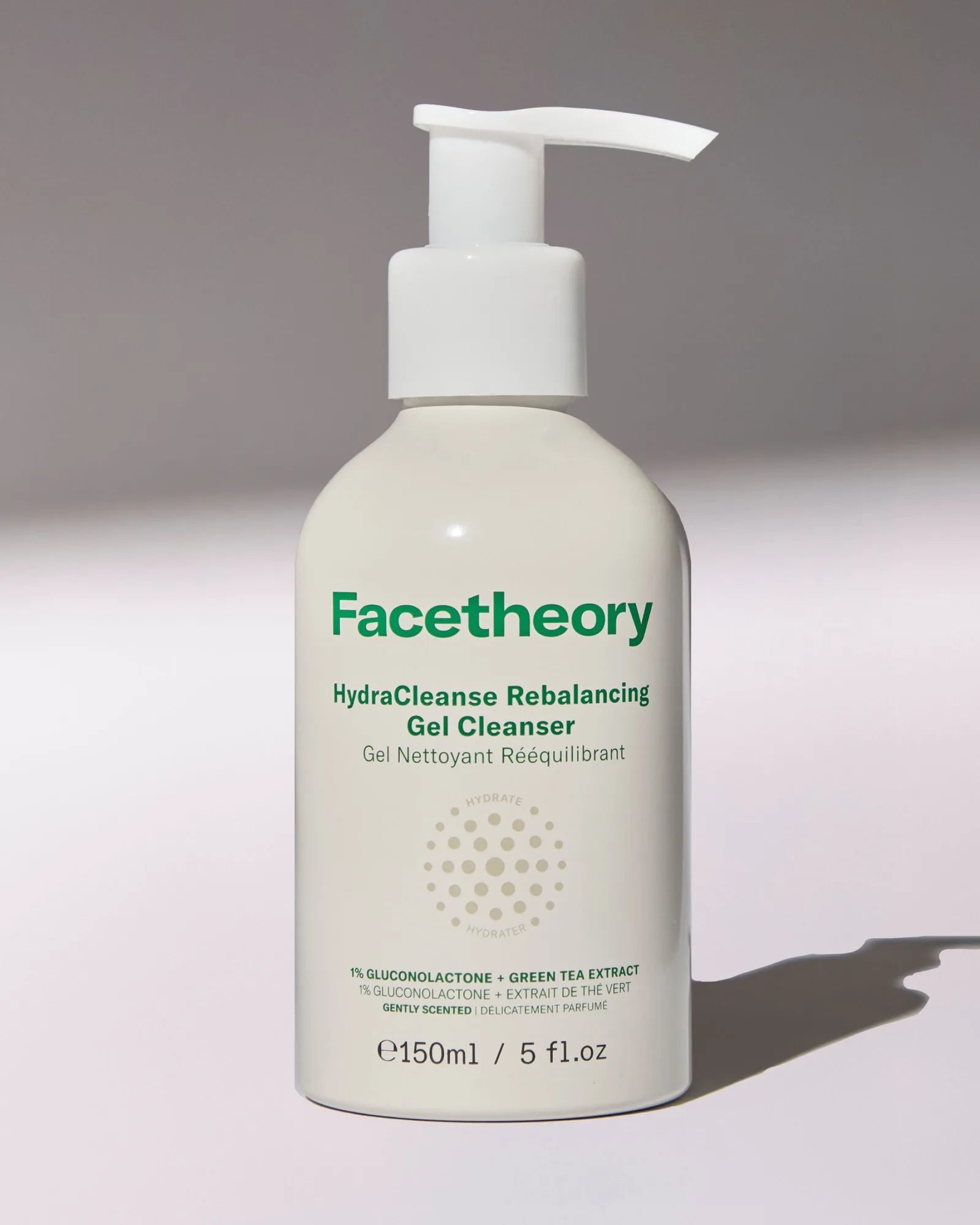
HydraCleanse Rebalancing Gel Cleanser
- Double cleansing takes less than two minutes but dramatically improves product absorption.
- Avoid hot water—it can strip natural oils and trigger dehydration.
Step 2: Apply a Targeted Toner to Prep and Balance
After cleansing, your skin's pH can be slightly disrupted. A well-formulated toner restores balance, hydrates, and prepares the skin to better absorb subsequent treatments. For anti-aging, look for toners that include exfoliating acids or hydrating ingredients. A BHA toner, for instance, can gently exfoliate inside pores to keep them clear and refine texture over time.
The Blemicalm BHA 2% Clarifying Toner is a standout choice for this step. It combines salicylic acid with soothing botanicals like green tea and chamomile to calm irritation while promoting a smoother, more even complexion. Apply it with a cotton pad or your hands, gently pressing it into the skin. This step helps your serums and treatments penetrate more deeply and work more effectively.
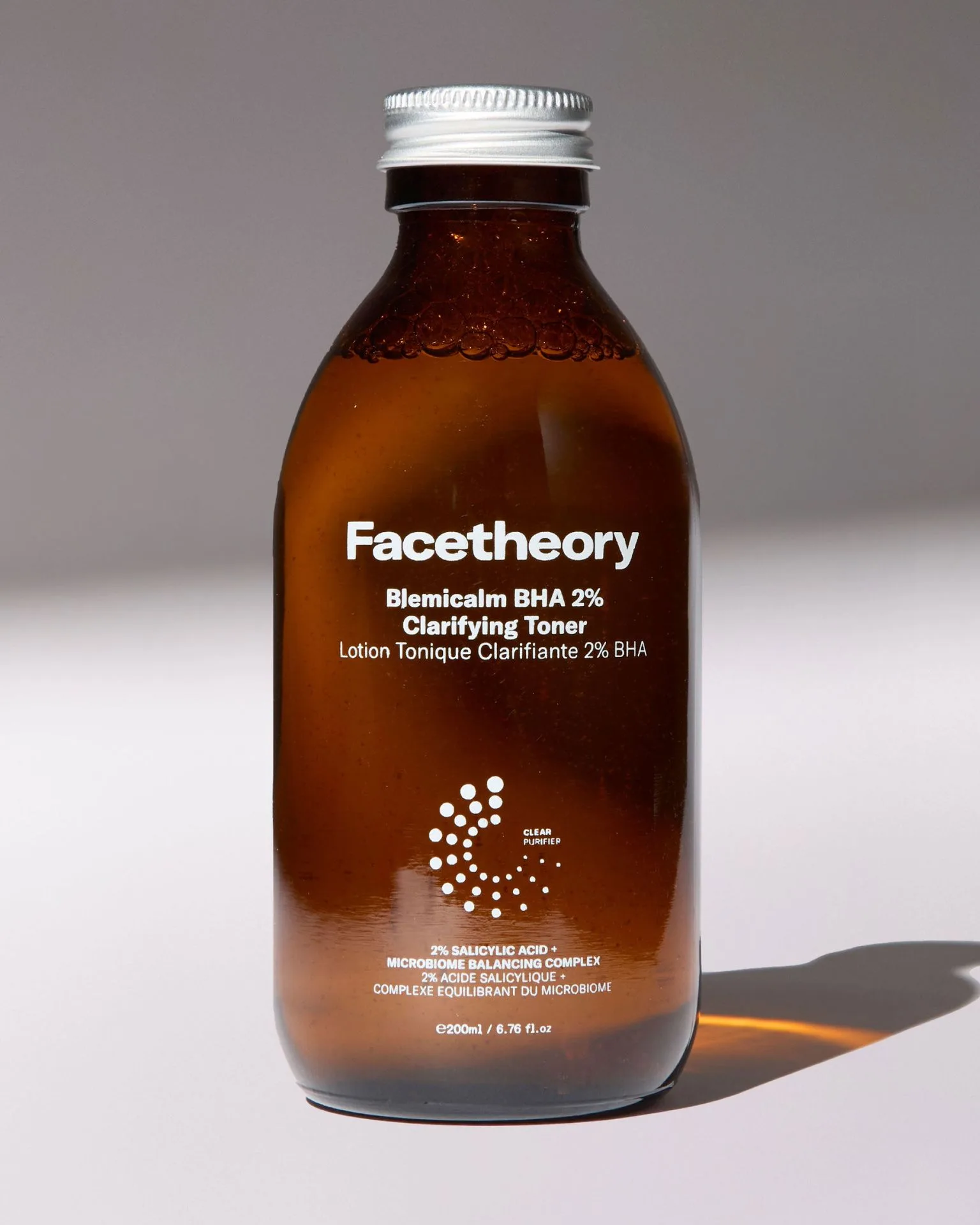
Blemicalm BHA 2% Clarifying Toner
- If your toner contains exfoliating acids, wait 1–2 minutes before applying the next product.
- For dry or sensitive skin, opt for a hydrating toner without active exfoliants.
Step 3: Layer Your Anti-Aging Serums (Start with Water-Based, Then Oil-Based)
Serums are the workhorses of an anti-aging routine. They deliver high concentrations of active ingredients directly into the skin. The golden rule is to apply them from thinnest to thickest consistency—water-based serums first, then oil-based serums. This ensures each layer absorbs fully without pilling or blocking the next product.
Start with a hydrating serum like the Hyaluronic Acid 2% Plumping Serum. Hyaluronic acid attracts moisture to the skin, plumping fine lines and creating a supple base. Follow with a targeted anti-aging serum such as the Encapsulated Retinol 3% Renewing Serum. Retinol is the gold standard for stimulating collagen and accelerating cell turnover, but encapsulated formulas release it slowly to minimize irritation. If you're new to retinol, start with 2–3 nights per week and gradually increase frequency.
- Always apply hyaluronic acid to damp skin for maximum hydration.
- Retinol can increase sun sensitivity—always use sunscreen the next morning.
Step 4: Don't Skip the Eye Area—Use a Peptide Eye Cream
The skin around your eyes is the thinnest on your face—up to 10 times thinner than the rest of your skin. It's also one of the first areas to show signs of aging, including crow's feet, fine lines, and puffiness. A dedicated eye cream with peptides can help firm and smooth this delicate zone without causing irritation.
The Peptide Firming Eye Cream is formulated with a blend of peptides and ceramides to strengthen the skin barrier and reduce the appearance of fine lines. Gently tap a pea-sized amount around the orbital bone using your ring finger—never rub or pull. Consistent use can visibly lift and brighten the eye area over time, making you look more rested and youthful.
- Apply eye cream before your moisturizer so it absorbs directly into the thinner skin.
- Store your eye cream in the fridge for an extra de-puffing effect.
Step 5: Seal Everything with a Nourishing Night Oil or Moisturizer
The final step locks in all the active ingredients you've applied and provides overnight hydration and repair. A night oil is particularly effective for anti-aging because it mimics your skin's natural sebum and delivers fatty acids that support barrier function. Oils also help slow transepidermal water loss, keeping your skin plump and hydrated until morning.
The CeraNight Rejuvenating Night Oil is a luxurious blend of rosehip, jojoba, and evening primrose oils, rich in antioxidants and essential fatty acids. It works synergistically with retinol and peptides to calm inflammation and boost overnight regeneration. Warm 2–3 drops between your palms and press gently into your face and neck. If you prefer a creamier texture, follow with a rich moisturizer to double down on hydration.
- Night oils are especially beneficial for dry or mature skin types.
- Avoid using too much oil—a few drops are enough to cover the entire face.
Building a consistent nighttime skincare routine is the single most effective way to combat visible signs of aging. By double cleansing, prepping with a toner, layering targeted serums, treating the eye area, and sealing with a nourishing oil, you're giving your skin everything it needs to repair and renew while you sleep. Start with the steps that feel most achievable, then gradually add more as your skin adjusts. Your future self will thank you.