Fiber is one of the most critical nutrients for overall health, yet most adults consume only about half the recommended daily intake. For those following a plant-based diet, frozen meals can be a convenient way to boost fiber without spending hours in the kitchen. But not all frozen meals are created equal—some are packed with refined grains and low-quality fats that offer little nutritional value. As a dietitian, I've scoured the freezer aisle to find the best plant-based frozen meals that deliver real fiber, flavor, and convenience.
In this guide, I'll share my top picks for high-fiber frozen meals that support digestion, help maintain steady energy, and keep you full between meals. Whether you're new to plant-based eating or a seasoned pro, these options will make it easy to hit your fiber goals without sacrificing taste or time.
Why Fiber Matters for a Plant-Based Diet
Fiber is a type of carbohydrate that the body cannot digest. It passes through the digestive system, helping to regulate bowel movements, lower cholesterol, and stabilize blood sugar. For those on a plant-based diet, fiber is naturally abundant in whole foods like vegetables, fruits, legumes, and whole grains. However, when relying on frozen meals, it's easy to fall into the trap of heavily processed options that are low in fiber and high in sodium.
The recommended daily fiber intake is 25 grams for women and 38 grams for men. A single frozen meal should ideally provide at least 5-10 grams of fiber to contribute meaningfully to your daily goal. The best frozen meals for digestion combine fiber-rich vegetables, legumes, and whole grains in a balanced, satisfying way.
- Look for meals with at least 5g of fiber per serving
- Prioritize meals that list whole food ingredients first
- Avoid meals with added sugars or refined flours as primary ingredients
Top Picks for High-Fiber Frozen Meals
After reviewing dozens of options, I've identified several standout meals that excel in fiber content and overall nutrition. The Brussels & Squash Harvest Bowl is a fantastic choice, offering a hearty mix of roasted Brussels sprouts, butternut squash, and quinoa. This bowl provides around 8 grams of fiber per serving, along with a good dose of vitamins A and C. The combination of vegetables and whole grains makes it a satisfying meal that keeps you full for hours.
Another excellent option is the Spicy Enchilada Bowl, which packs black beans, corn, and a flavorful enchilada sauce. With roughly 10 grams of fiber per bowl, it's one of the highest-fiber options available. The black beans provide soluble fiber, which helps lower cholesterol, while the corn adds insoluble fiber for digestive regularity. This bowl is perfect for those who enjoy a bit of heat and want a complete, plant-based meal.
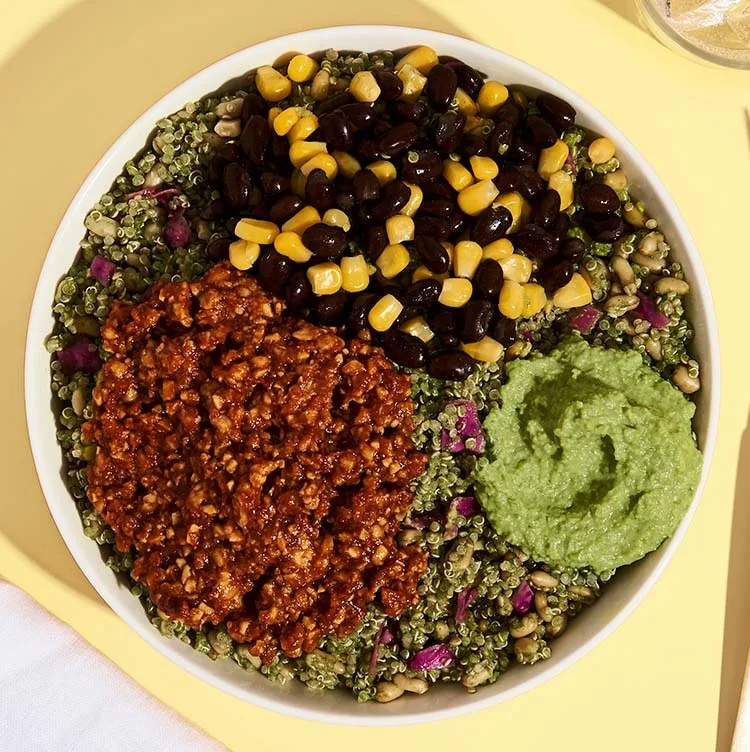
Spicy Enchilada Bowl
For a creamy, comforting option, the Coconut Chickpea Curry is a winner. Chickpeas are a fiber powerhouse, and this curry delivers about 7 grams of fiber per serving. The coconut milk adds healthy fats that aid in nutrient absorption, while the spices provide anti-inflammatory benefits. It's a well-rounded meal that feels indulgent without being heavy.
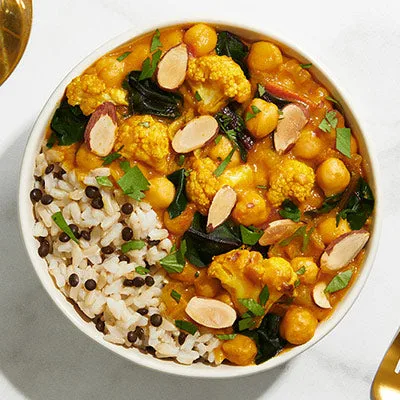
Coconut Chickpea Curry
- Brussels & Squash Harvest Bowl: 8g fiber, rich in vitamins A and C
- Spicy Enchilada Bowl: 10g fiber, high in soluble fiber from black beans
- Coconut Chickpea Curry: 7g fiber, anti-inflammatory spices
How to Boost Fiber in Frozen Meals with Simple Add-Ons
Even the best frozen meals can benefit from a few simple additions to increase fiber and nutrient density. Adding a handful of fresh spinach or kale to a bowl before heating can add an extra 2-3 grams of fiber. Sprinkling chia seeds or ground flaxseeds on top is another easy way to boost fiber—just one tablespoon of chia seeds provides 4 grams of fiber.
You can also pair your frozen meal with a side of roasted vegetables or a small salad. For example, serving the Gochujang Power Bowl with a side of steamed broccoli adds about 5 grams of fiber. This not only enhances the nutritional profile but also adds texture and flavor variety. Another option is to stir in a spoonful of canned lentils or black beans to any bowl for an instant fiber upgrade.
- Add fresh greens like spinach or kale for extra fiber and nutrients
- Top with chia seeds or flaxseeds for a quick fiber boost
- Pair with a side of roasted vegetables or a simple salad
Dietitian Tips for Choosing High-Fiber Frozen Meals
When shopping for frozen meals, always check the nutrition label for fiber content. Aim for at least 5 grams per serving, but ideally 8-10 grams. Also, look at the ingredient list—the first few ingredients should be vegetables, legumes, or whole grains, not fillers like modified corn starch or sugar. Avoid meals with more than 600 mg of sodium per serving, as high sodium can counteract the benefits of fiber by increasing blood pressure.
Another tip is to choose meals that include a variety of colors and textures, as this often indicates a wider range of nutrients. The Tangy Thai Stir Fry, for example, features a colorful mix of bell peppers, carrots, and edamame, providing both fiber and antioxidants. Finally, consider the overall balance of the meal: it should contain a source of protein, healthy fats, and complex carbohydrates to keep you satisfied and energized.
- Check fiber content: aim for 5-10g per serving
- Avoid meals with high sodium (over 600mg per serving)
- Choose meals with a variety of vegetables for diverse nutrients
Sample High-Fiber Meal Plan Using Frozen Meals
To make it easy to incorporate high-fiber frozen meals into your routine, here's a sample one-day meal plan. For breakfast, start with the Fruity Greens Smoothie, which provides about 6 grams of fiber from spinach and fruit. For lunch, enjoy the Spanish “Chorizo” Bowl, which offers 9 grams of fiber from lentils and vegetables. For dinner, the Coconut Tofu Korma delivers 8 grams of fiber from tofu and coconut, plus healthy fats.
For snacks, consider adding a piece of fruit or a handful of nuts to keep your fiber intake high throughout the day. This plan totals approximately 35 grams of fiber, meeting the daily recommendation for most adults. The key is to choose meals that are already fiber-rich and then supplement with whole food snacks to fill any gaps.
- Breakfast: Fruity Greens Smoothie (6g fiber)
- Lunch: Spanish “Chorizo” Bowl (9g fiber)
- Dinner: Coconut Tofu Korma (8g fiber)
Incorporating high-fiber frozen meals into your plant-based diet is a smart, time-saving strategy for improving digestion, stabilizing energy, and supporting overall health. By choosing options like the Brussels & Squash Harvest Bowl or the Spicy Enchilada Bowl, you can enjoy delicious, nutrient-dense meals without the hassle of cooking from scratch. Start exploring these dietitian-approved picks today and feel the difference that real fiber makes.