Every plant parent has faced the moment of panic when a beloved Monstera starts dropping leaves or a succulent turns mushy. While online forums and quick searches can help, a well-chosen plant care book offers the depth and reliability you need to truly understand what your plant is telling you. The right book can turn frustration into confidence, helping you identify issues early and take effective action.
Whether you are a beginner trying to keep your first pothos alive or a seasoned collector with a shelf full of rare philodendrons, a good troubleshooting guide is an essential tool. In this buying guide, we will walk you through the best plant care books for diagnosing and solving common houseplant problems, so you can spend less time worrying and more time enjoying your green space.
What to Look for in a Houseplant Troubleshooting Book
Not all plant books are created equal. When you are dealing with a specific problem like yellow leaves, root rot, or spider mites, you need a book that offers clear diagnostic steps, visual aids, and practical solutions. Look for books that include symptom charts, high-quality photographs of common issues, and straightforward advice on watering, light, humidity, and pest control.
A good troubleshooting book should also cover a wide range of plants—from common houseplants like snake plants and ZZ plants to more finicky varieties like calatheas and ferns. The best books will explain not just what to do, but why it works, so you can adapt your care routine as your plant grows. Avoid books that are too general or that focus only on aesthetics without addressing real problems.
- Prioritize books with clear visual guides or photo indexes for quick problem identification.
- Check the publication date to ensure advice aligns with modern indoor gardening practices.
Top Plant Care Books for Troubleshooting and Prevention
One standout title for troubleshooting is "How to Raise a Plant and Make It Love You Back" by Erin Harding and Morgan Doane. This book is perfect for beginners and intermediate plant parents alike. It breaks down common problems like overwatering, underwatering, and pest infestations with a friendly, approachable tone. Each chapter focuses on a specific issue, offering step-by-step solutions and prevention tips. The authors also include a handy "Plant Doctor" section that helps you diagnose problems based on visible symptoms.
Another excellent choice is "Happy Houseplants" by Angela Staehling. This book emphasizes proactive care to avoid problems in the first place. It includes detailed profiles for over 30 popular houseplants, each with a troubleshooting guide for the most common issues. The book's strength lies in its clear, concise advice and beautiful illustrations that make it easy to spot early warning signs. For those who want a comprehensive reference, "Houseplants for All" by Danae Horst covers everything from choosing the right plant for your space to reviving a struggling one. It is especially good for understanding light requirements and how they affect plant health.
- "How to Raise a Plant and Make It Love You Back" is ideal for visual learners who want quick answers.
- "Happy Houseplants" works well as a gift for new plant parents because of its user-friendly layout.
- "Houseplants for All" is a great choice if you need help matching plants to your home's conditions.
How to Use Plant Care Books Alongside Your Accessories
Having the right knowledge is only part of the equation. The tools you use can make a big difference in how easily you can apply what you learn. For example, if a book advises you to check soil moisture before watering, a simple moisture meter or even a wooden skewer can help. If your troubleshooting book recommends improving drainage, consider using a planter with proper holes, like the Pocket Mini Black Wall Planter, which allows excess water to escape and prevents root rot.

Pocket Mini Black Wall Planter
Books also work well as styling elements. A well-placed copy of "Living With Plants" by Sophie Lee on your coffee table not only provides inspiration but also doubles as a decor piece. Pair it with a plant-themed accessory like the Monstera Suncatcher to create a cohesive botanical corner. The key is to let your books guide your care routine while your accessories make the process more enjoyable and visually cohesive.
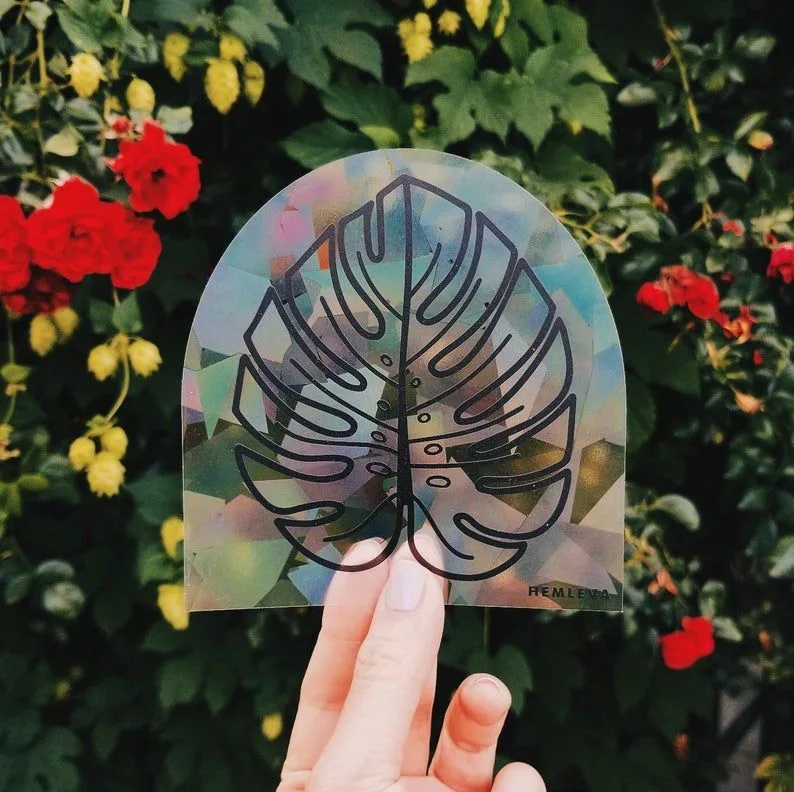
Monstera Suncatcher
- Use a book's troubleshooting chart to identify a problem, then adjust your watering schedule accordingly.
- Display plant care books on a shelf with small plants or decorative items like the Xanadu Placemat for a styled look.
Choosing the Right Book for Your Skill Level
If you are a complete beginner, look for books that assume no prior knowledge. "How to Raise a Plant and Make It Love You Back" is written in a warm, encouraging voice that makes you feel like a friend is guiding you. It covers the absolute basics—watering, light, potting—and then moves into troubleshooting with clear, non-technical language. The book also includes a section on how to revive a plant that looks beyond saving, which can be a lifesaver for new plant parents.
For intermediate to advanced plant enthusiasts, "Houseplants for All" offers deeper insights into plant physiology and environmental factors. It explains why certain problems occur, such as why leaves turn brown at the tips due to low humidity or fertilizer buildup. This level of detail helps you fine-tune your care routine. If you prefer a more visual approach, "Happy Houseplants" uses photographs and diagrams to illustrate concepts, making it easy to compare your plant's symptoms to the images.
- Beginners should prioritize books with a troubleshooting index or symptom checker.
- Advanced readers may prefer books that discuss plant biology and environmental optimization.
Investing in a quality plant care book is one of the best decisions you can make for your indoor garden. Whether you choose a beginner-friendly guide like "How to Raise a Plant and Make It Love You Back" or a comprehensive reference like "Houseplants for All," you will gain the confidence to tackle common problems before they become serious. Pair your reading with practical accessories like the Pocket Mini Black Wall Planter for better drainage or a Monstera Suncatcher to brighten your space, and you will be well on your way to a thriving, happy collection of houseplants.