Hanging plants are a fantastic way to bring life and greenery into your home without sacrificing valuable floor space. Whether you're looking to soften a bare corner, create a living wall in your kitchen, or add a touch of nature to your bathroom, choosing the right planter is key. The best hanging planters combine functionality with style, ensuring your plants thrive while complementing your decor. In this buying guide, we'll walk you through the essential factors to consider—from material and drainage to size and placement—so you can find the perfect hanging plant container for every room.
Why Choose Hanging Planters?
Hanging planters offer numerous benefits beyond aesthetics. They help you maximize vertical space, which is especially valuable in small apartments or rooms with limited floor area. They also keep plants away from curious pets and children, reduce dust accumulation on leaves, and can improve air circulation around the foliage. Plus, the variety of designs available—from macrame hangers to sleek wall-mounted pots—means there's a style to suit every taste.
What to Look for in the Best Hanging Planters
Before you shop, consider these key features to ensure your hanging planter is both beautiful and functional.
Material Matters
The material of your hanging planter affects durability, weight, and moisture retention. Popular options include:
- Ceramic: Glazed ceramic planters are water-resistant and come in a wide range of colors and patterns. They are heavier, so ensure your hanging hardware is sturdy.
- Terracotta: Classic and porous, terracotta allows soil to breathe and is great for succulents. However, it dries out quickly and can be fragile.
- Eco Stone: A lightweight, durable composite that mimics natural stone. It's a modern option that works well for wall-mounted designs.
- Metal: Often used for hanging baskets, metal planters are sturdy but can heat up in direct sunlight, potentially harming roots.
- Plastic or Resin: Lightweight and affordable, these are ideal for heavy plants, but they may not offer the same aesthetic appeal.
Drainage Is Essential
Proper drainage is crucial for preventing root rot. Look for planters with drainage holes and a removable tray, or consider using a cachepot system where you place a nursery pot inside a decorative outer planter. If your chosen container lacks holes, you can often drill them yourself or use a layer of gravel at the bottom (though this is less effective).
Size and Weight Capacity
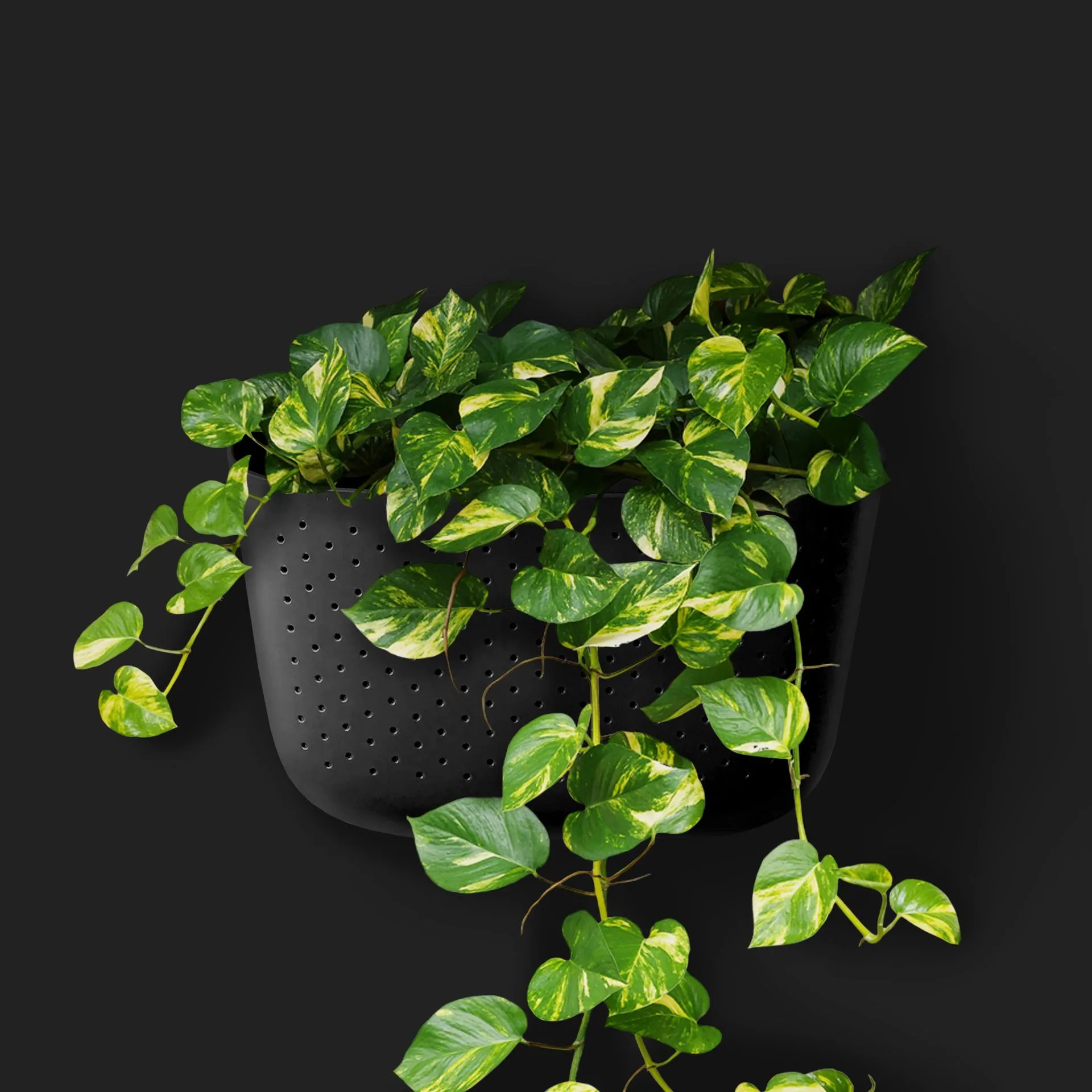
Consider the mature size of your plant and the weight of the planter plus soil and water. For larger plants, opt for sturdy hooks anchored into ceiling joists or wall studs. Lightweight options like the Pocket 5 Black Wall Planter are excellent for smaller trailing plants and can be mounted easily on most walls without extra reinforcement.
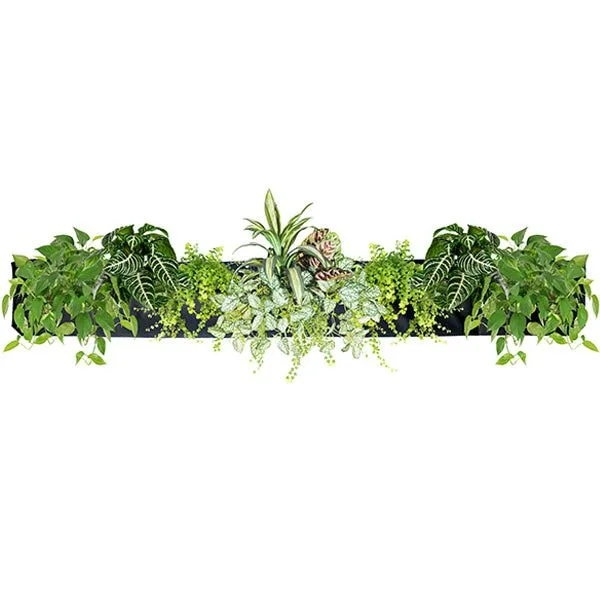
Pocket 5 Black Wall Planter
Hanging Planters by Room
Different rooms have different needs when it comes to lighting, humidity, and style. Here's how to choose the best hanging planter for each space.
Living Room: Statement Pieces
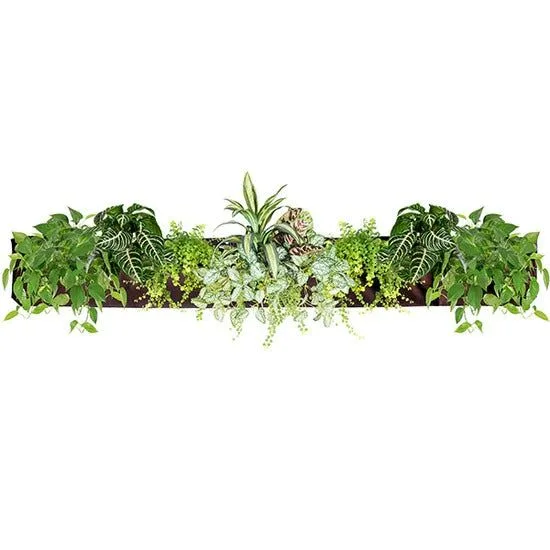
The living room is where you can make a bold statement with your hanging plants. Consider a large macrame hanger for a cascading pothos or a sleek metal frame for a modern vibe. If you want to create a living wall effect, wall-mounted planters like the Pocket 5 Black Wall Planter allow you to arrange multiple plants in a geometric pattern. Pair it with a trailing philodendron or string of pearls for a lush, eye-catching display.
Kitchen: Functional and Fresh
Herbs thrive in hanging planters near a sunny kitchen window. Choose lightweight, easy-to-clean materials like glazed ceramic or food-safe plastic. A tiered hanging planter can hold basil, mint, and chives, keeping them within arm's reach while cooking. Ensure the planter has good drainage to avoid water damage to your countertops or windowsill.
Bathroom: Humidity-Loving Plants
Bathrooms are ideal for ferns, orchids, and other humidity-loving plants. Look for planters made from moisture-resistant materials like glazed ceramic or sealed metal. A wall-mounted planter is perfect for saving space above the toilet or next to the mirror. The Xanadu Placemat might seem like an odd fit, but it makes an excellent protective base for a hanging planter that occasionally drips—place it underneath to catch excess water while adding a touch of natural texture.
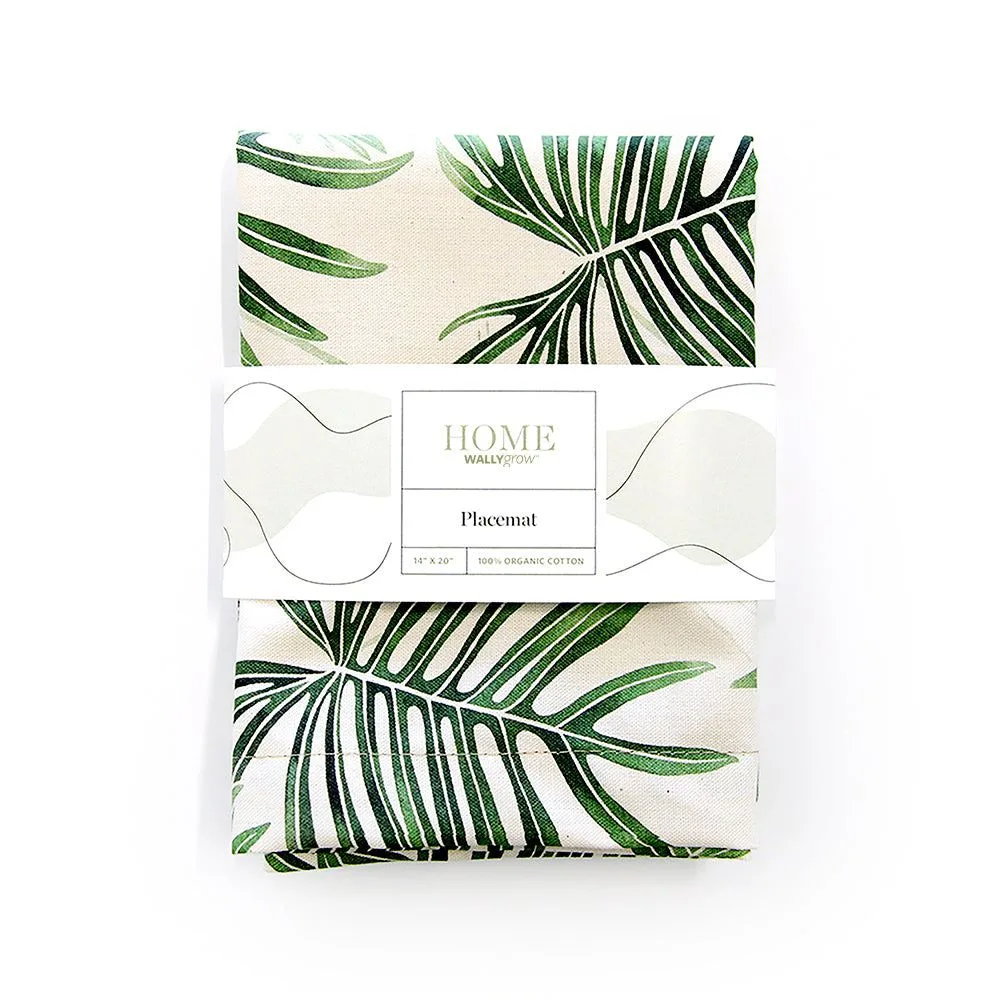
Xanadu Placemat
Bedroom: Calm and Serene
In the bedroom, opt for planters with soft, neutral tones or natural materials like woven rattan. Hanging a snake plant or peace lily can improve air quality while you sleep. Consider a planter with a built-in water reservoir to reduce maintenance, and ensure it's securely fastened above your bed or in a corner.
Wall Planters vs. Ceiling Hangers
Both wall planters and ceiling hangers have their advantages. Wall planters are great for creating a living wall or adding greenery to blank wall space. They are often more secure and easier to install than ceiling hangers, especially in rental properties where you may not want to drill into the ceiling. Ceiling hangers, on the other hand, allow plants to dangle freely and are perfect for trailing varieties. The best hanging planters for your space will depend on your layout and personal preference.
Styling Tips for Hanging Plants
- Mix heights: Combine hanging planters at different levels to create visual interest.
- Group together: Cluster several small planters for a fuller look, or use a single large planter as a focal point.
- Consider the pot: The planter itself is part of the decor. Choose colors and textures that complement your room's palette.
- Use proper hardware: Always use hooks rated for the weight of your planter and plant, especially for ceiling installations.
Top Picks for Hanging Planters
While there are many options on the market, a few stand out for their design and functionality. For a modern, minimalist look, the Pocket 5 Black Wall Planter offers a sleek silhouette that works in any room. If you're looking to add a pop of color, ceramic hanging pots in vibrant hues can brighten up a neutral space. For those who love to combine plants with stylish accessories, the Xanadu Placemat doubles as a chic coaster or base for your hanging planter setup, protecting surfaces from scratches and water rings.
Frequently Asked Questions
What is the best type of planter for hanging plants?
The best type depends on your plant and location. For dry environments, choose non-porous materials like glazed ceramic or plastic to retain moisture. For succulents and cacti, terracotta is ideal because it prevents overwatering.
How do I install a hanging planter?
For ceiling hangers, use a stud finder to locate a ceiling joist, then drill a pilot hole and screw in a heavy-duty hook. For wall planters, use wall anchors suitable for your wall type (drywall, plaster, or brick). Always follow the manufacturer's instructions.
Can I use any pot for a hanging planter?
Yes, many hanging planters are designed to hold a standard nursery pot. This makes it easy to swap plants or clean the planter. Just ensure the hanging system can support the combined weight of the pot, soil, and plant.
Conclusion
Choosing the best hanging planters for your home doesn't have to be complicated. By considering the room's conditions, your plant's needs, and your personal style, you can find the perfect solution to elevate your indoor garden. Whether you opt for a wall-mounted design like the Pocket 5 Black Wall Planter or a classic ceiling hanger, the right planter will make your plants thrive and your space feel alive.
Ready to transform your home with beautiful hanging plants? Explore our collection of Pocket 5 Black Wall Planter and other top-rated wall planters to get started. Your vertical garden awaits!