Your water bottle is your constant companion on hikes, commutes, and gym sessions. But if you neglect its care, it can become a breeding ground for bacteria and mold. Proper cleaning and storage not only keep your bottle fresh but also extend its life, saving you money and reducing waste.
In this guide, we'll cover the best practices for cleaning and storing your water bottles, from daily rinses to deep cleans, and share tips specifically for stainless steel bottles. Whether you're a daily user or an occasional adventurer, these tips will ensure your bottle stays in top condition.
Why Regular Cleaning Matters
Even if you only fill your bottle with water, moisture and mouth contact introduce bacteria over time. A study by Treadmill Reviews found that reusable water bottles can harbor more germs than a pet bowl. Regular cleaning prevents the buildup of biofilm, which can cause odors and affect taste.
Moreover, neglecting your bottle can lead to mold growth, especially in hard-to-reach areas like the cap and straw. Mold not only looks unsightly but can also cause allergic reactions and respiratory issues. By establishing a cleaning routine, you protect your health and ensure your bottle is always ready for your next adventure.
- Clean your bottle after every use with hot, soapy water.
- Pay special attention to the lid, mouthpiece, and any crevices.
- Dry your bottle completely before storing to prevent mold.
Daily Cleaning: Simple Steps for Everyday Freshness
For daily maintenance, a simple wash with warm water and mild dish soap is usually sufficient. Use a bottle brush to scrub the interior, reaching the bottom and sides. Don't forget the cap and any removable parts, such as straws or gaskets. Rinse thoroughly to remove all soap residue.
If you use your bottle for more than just water, such as sports drinks or coffee, consider washing it immediately after use to prevent stains and odors. For a quick refresh, you can also use a mixture of baking soda and water to neutralize smells.
- Invest in a good bottle brush set that includes a small brush for lids.
- Avoid using abrasive scrubbers that can scratch the interior.
- Wash your bottle daily, especially in warm weather.
Deep Cleaning: Removing Mold and Stubborn Stains
Over time, you may notice mold or stubborn stains that regular washing won't remove. To deep clean, fill your bottle with a solution of one part white vinegar to three parts water and let it soak for a few hours. For tougher mold, use a teaspoon of bleach per quart of water, but be sure to rinse thoroughly afterward.
Another effective method is using denture tablets. Drop one or two into a bottle filled with warm water and let it fizz for a few minutes. This works wonders on hard-to-reach areas and leaves your bottle smelling fresh.
- For stainless steel bottles, avoid soaking in bleach for too long to prevent damage.
- Use a soft cloth or sponge to wipe the exterior.
- Rinse your bottle multiple times after deep cleaning to remove any chemical residue.
Stainless Steel Bottle Care: Special Considerations
Stainless steel bottles, like the popular Ti-MNPara Strap 22mm - Black, are durable and resistant to odors, but they still require proper care. Avoid using harsh chemicals or abrasive cleaners that can scratch the surface. Instead, use mild soap and a soft brush.
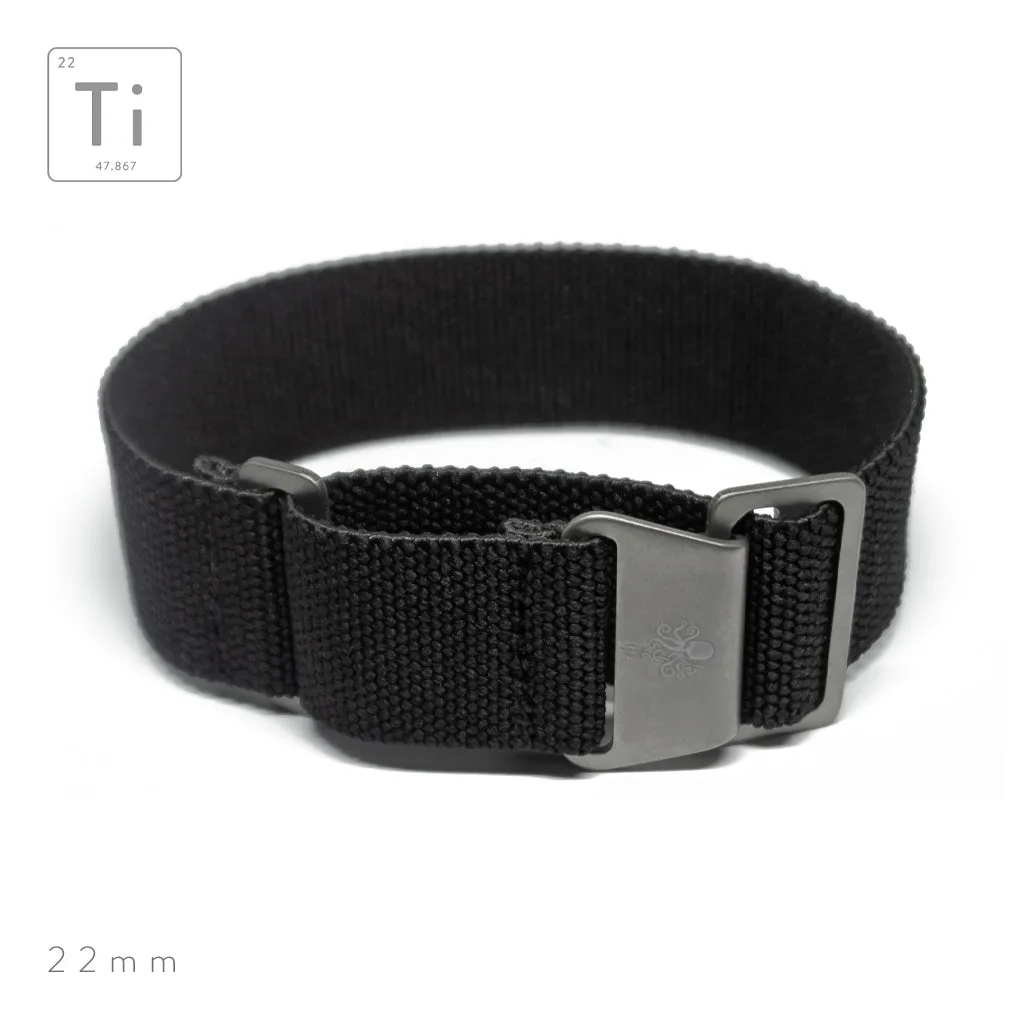
Ti-MNPara Strap 22mm - Black
When storing stainless steel bottles, ensure they are completely dry to prevent rust or water spots. If you live in a humid area, consider storing them with the cap off to allow air circulation. Also, avoid leaving acidic beverages like lemonade or coffee in the bottle for extended periods, as they can corrode the metal.
- Use a mixture of baking soda and water to remove coffee or tea stains.
- Never put stainless steel bottles in the microwave.
- For the exterior, use a stainless steel cleaner to maintain shine.
Proper Storage Techniques to Prevent Mold and Odors
Storing your water bottle correctly is just as important as cleaning it. Always empty and dry your bottle before putting it away. Leaving water in it for extended periods encourages bacterial growth. Store the bottle with the cap off or loosely attached to allow airflow.
If you have multiple bottles, like the FD Pouch - Black for carrying, make sure they are stored in a cool, dry place away from direct sunlight. Sunlight can degrade the materials and cause the growth of algae in clear bottles. A dedicated shelf or cabinet works well.
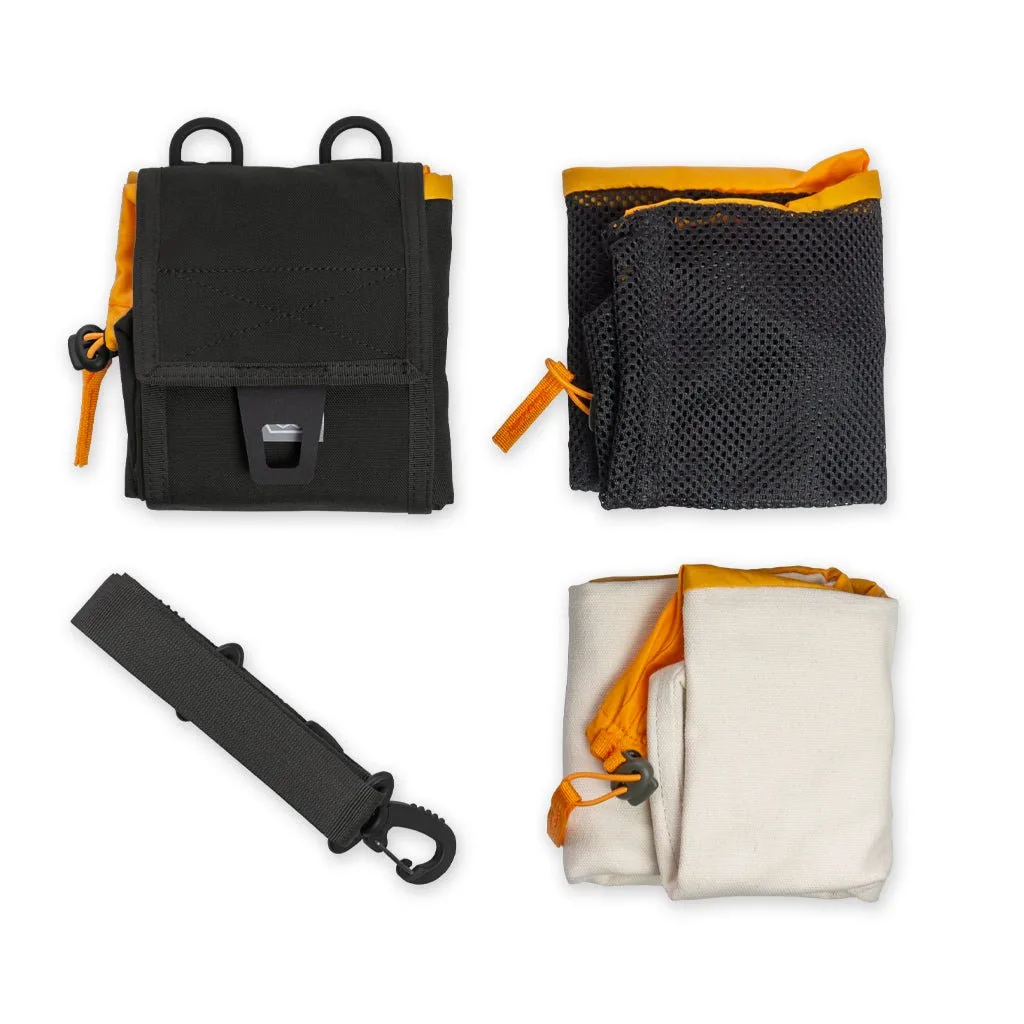
FD Pouch - Black
- Store bottles upside down to allow water to drain out.
- Keep caps and straws separate until next use.
- Avoid storing bottles in damp areas like the bathroom.
When to Replace Your Water Bottle
Even with the best care, water bottles have a lifespan. If you notice persistent odors, cracks, or warping, it's time to replace your bottle. Also, if the cap no longer seals properly, it's a hygiene risk. Replacing your bottle ensures you stay healthy and hydrated.
When choosing a new bottle, consider materials like stainless steel or glass, which are easier to keep clean. Look for models with wide mouths for easier cleaning, and consider investing in accessories like the WOE X SPD Birdwatcher - OD Green to keep your bottle protected on the go.
- Check for signs of wear and tear regularly.
- Replace bottles that have been dropped and dented.
- If you notice a metallic taste, it may be time for a new bottle.
By following these cleaning and storage practices, you'll keep your water bottle fresh, safe, and long-lasting. Remember, a clean bottle is a healthy bottle. For a reliable and stylish option, check out the Ti-MNPara Strap 22mm - Black to pair with your favorite bottle.