Whether you are a seasoned reenactor, a living historian, or a collector of WWII militaria, your reproduction gear represents a significant investment in time and money. From wool uniforms and canvas webbing to leather boots and stamped metal equipment, each piece requires careful handling and storage to maintain its appearance and functionality. Improper storage can lead to mold, rust, dry rot, fading, and pest damage—all of which can ruin the authenticity and lifespan of your gear.
In this guide, we will walk through the best practices for storing WWII reproduction equipment. You will learn how to prepare your items for storage, choose the right environment, and organize your collection to keep everything ready for your next event or display. We will also highlight a few essential products from At The Front that can help you store and protect your gear properly.
Why Proper Storage Matters for Reproduction Gear
Unlike original artifacts, reproduction gear is made to be used in the field—but that does not mean it is indestructible. Canvas webbing can mildew if stored damp, leather can crack if dried out, and metal fittings can rust in humid conditions. Even synthetic fabrics used in some modern reproductions can degrade under UV light or extreme temperatures. By following a few simple storage protocols, you can extend the life of your gear and keep it looking sharp for years to come.
Many reenactors store their gear in garages, basements, or attics—spaces that often have wide temperature swings and high humidity. These conditions accelerate deterioration. A dedicated storage area with controlled climate is ideal, but if that is not possible, you can still take steps to mitigate damage. The key is to keep your gear clean, dry, and protected from direct sunlight and pests.
- Always clean and dry your gear before storing it. Dirt and sweat can attract pests and promote mold growth.
- Avoid plastic bins for long-term storage of leather or wool, as they trap moisture. Use breathable cotton bags or acid-free boxes instead.
- Store metal items like bayonets and helmets separately in padded compartments to prevent scratches and rust.
Preparing Your Gear for Storage: Cleaning and Conditioning
Before you put anything away, give it a thorough inspection and cleaning. Brush off dirt from canvas webbing with a soft brush and wipe down metal parts with a dry cloth. For leather items, use a mild saddle soap to clean, then apply a light coat of leather conditioner to keep the material supple. Avoid heavy oils that can turn rancid over time. Wool uniforms should be brushed and aired out, but only dry-cleaned if necessary—frequent washing can fade the fabric.
Pay special attention to pouches and belts that may have accumulated moisture during an event. For example, a pair of https://wildernessworks.shop/products/k98-pouches-black-pair-99354K98 Pouches, Black (pair) used in a rainy scenario should be removed from your belt, opened, and allowed to dry completely before storage. Similarly, a https://wildernessworks.shop/products/usmc-cartridge-belt-usa-made-99178USMC Cartridge Belt, USA Made should be unbuckled and hung in a well-ventilated area to dry. Never store damp webbing in a closed container.
- Use cedar blocks or lavender sachets in storage containers to repel moths and silverfish without chemicals.
- For helmets, remove the liner and strap before storing to prevent pressure marks and allow air circulation.
- Roll canvas items loosely rather than folding them to avoid permanent creases.
Choosing the Right Storage Environment
The ideal storage space for reproduction gear is cool, dry, and dark. Aim for a temperature between 60-70°F (15-21°C) and a relative humidity of 40-50%. Use a hygrometer to monitor conditions, and consider a small dehumidifier for damp basements. Direct sunlight will fade dyes and weaken fibers, so store items in opaque containers or in a closet away from windows.
Shelving is preferable to floor storage, as it reduces the risk of water damage from floods or spills. Use sturdy metal or wood shelves, and avoid stacking heavy items on top of delicate uniforms. For smaller accessories like patches, insignia, and utensils, compartmentalized boxes work well. The U.S. Utensil Covers from At The Front, for example, can be stored flat in a labeled drawer or box to keep them organized and protected.
- Avoid storing gear in direct contact with concrete floors, as moisture can wick up and cause mildew.
- Use silica gel packets in sealed containers to absorb excess moisture, but replace them regularly.
- Label all containers clearly so you can find items without rummaging and disturbing the storage environment.
Organizing Your Collection: Tips for Easy Access and Rotation
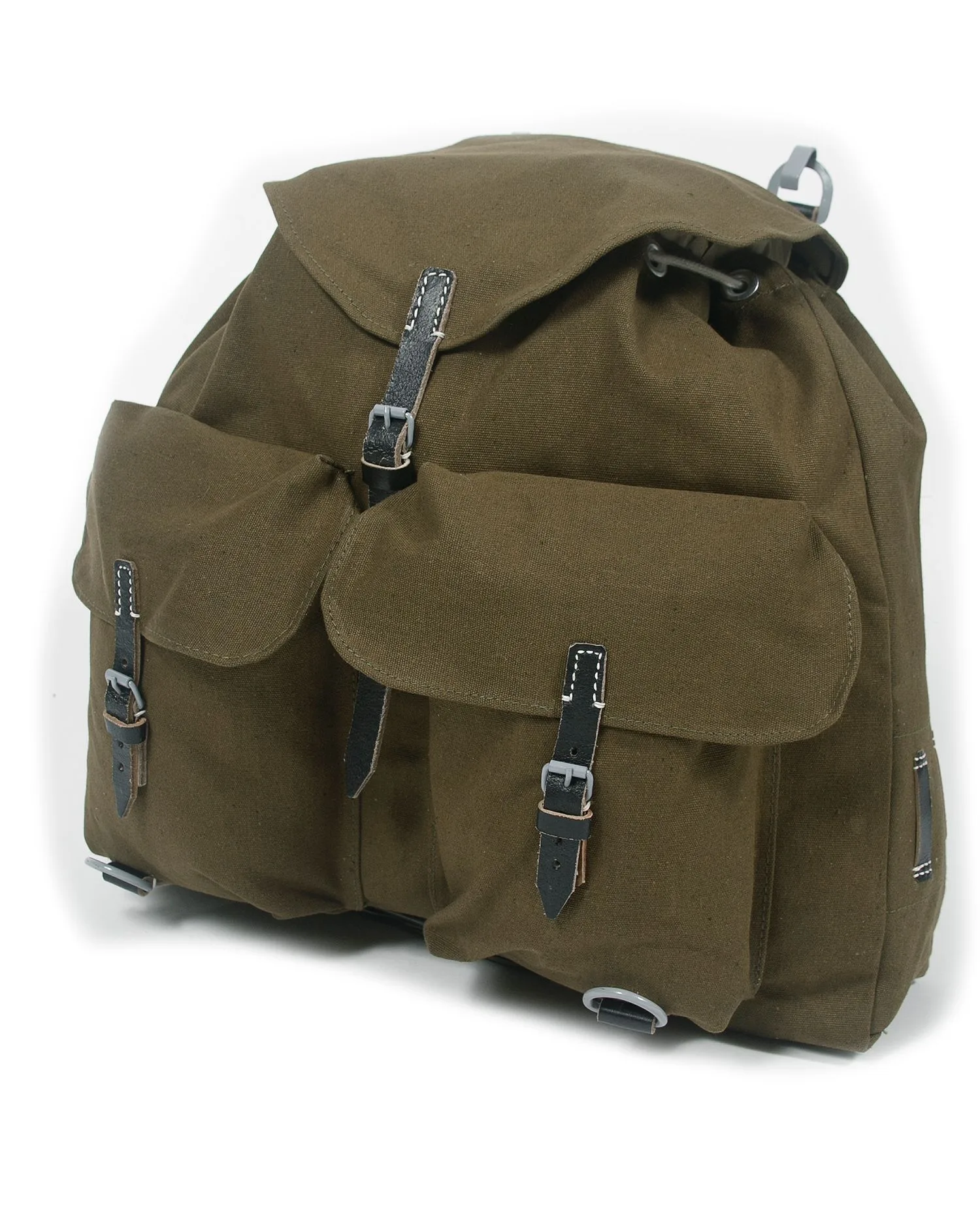
If you own multiple kits—such as a German impression, a US Army set, or an airborne loadout—keeping everything organized saves time and prevents accidental mixing. Consider grouping items by era, branch, or event. For instance, store your German gear together: a Reproduction K98 Bayonet, wool tunic, and M31 Rucksack can be kept in one bin or on a dedicated shelf. Use padded dividers to separate metal from fabric.
Rotate your gear seasonally if you have multiple sets. This gives each item a chance to air out and reduces the risk of long-term compression damage. It also helps you spot any issues—like a loose stitch or a rust spot—before they become serious. Keep a small notebook or digital log of what you have stored, noting any repairs or maintenance needed.
- Use acid-free tissue paper to stuff sleeves and shoulders of wool uniforms to help them hold their shape.
- For helmets like the WWII Parts Paratrooper Helmet, store them on a padded stand or upside down on a shelf to avoid crushing the liner.
- Consider investing in a garment bag for hanging uniforms; use one made of breathable cotton or muslin, not plastic.
Taking the time to store your WWII reproduction gear properly will pay off every time you gear up for an event. Clean, dry, and organized equipment not only looks better but lasts longer, saving you money and hassle in the long run. To get started on the right foot, check out the wide selection of field gear and storage-friendly accessories at At The Front. Whether you need a new rigger pouch for your kit or a replacement bayonet for your impression, you will find everything you need to keep your collection in top condition.