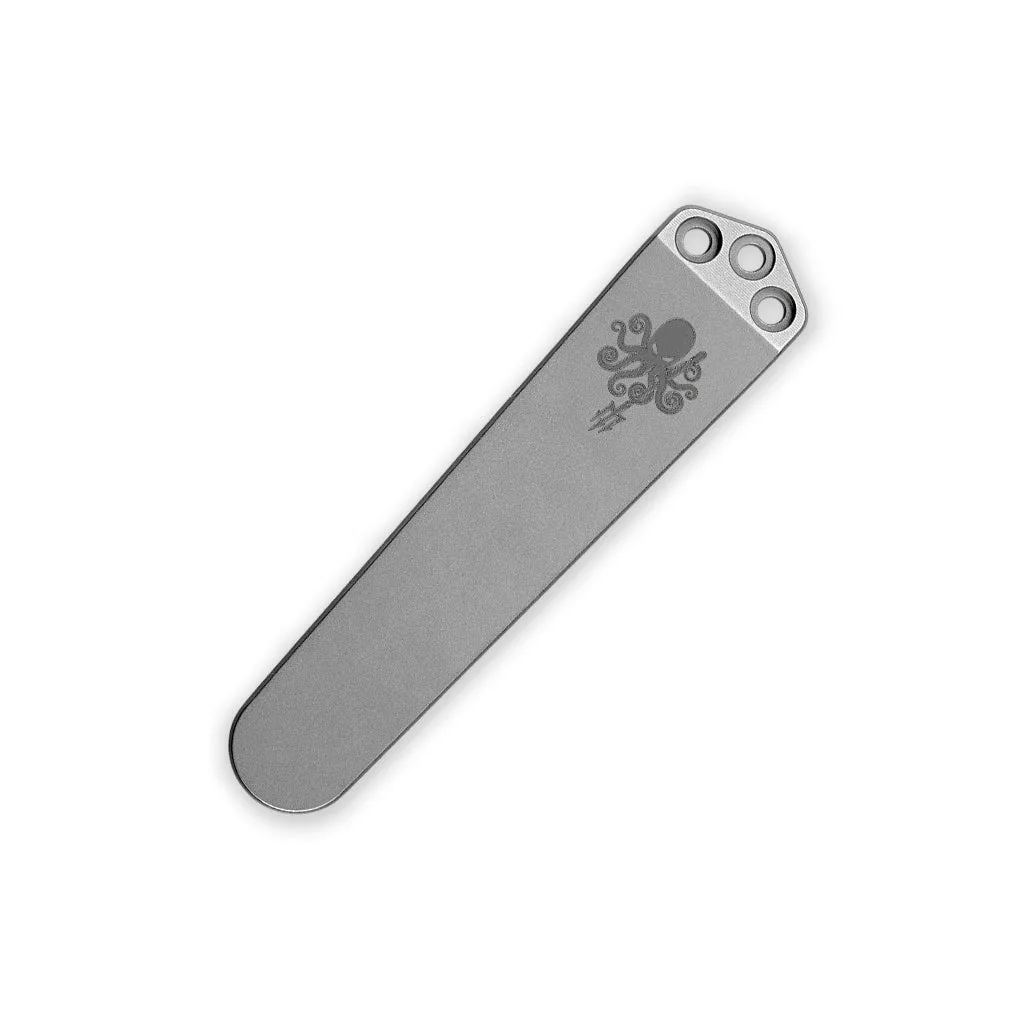
Whether you're a seasoned outdoorsman or a weekend camper, your axe or tomahawk is a vital tool that deserves proper care. Storing it incorrectly can lead to rust, dull edges, and damaged handles, shortening its lifespan and compromising safety. In this guide, we'll explore the best practices for storing your axes and tomahawks, ensuring they stay in peak condition for years to come.
From choosing the right storage location to maintaining the blade and handle, we'll cover everything you need to know. We'll also highlight some essential gear from our store that can help you protect your investment, such as the Ti-Clip SPD for easy hanging and the FD Pouch - Black for organized storage.
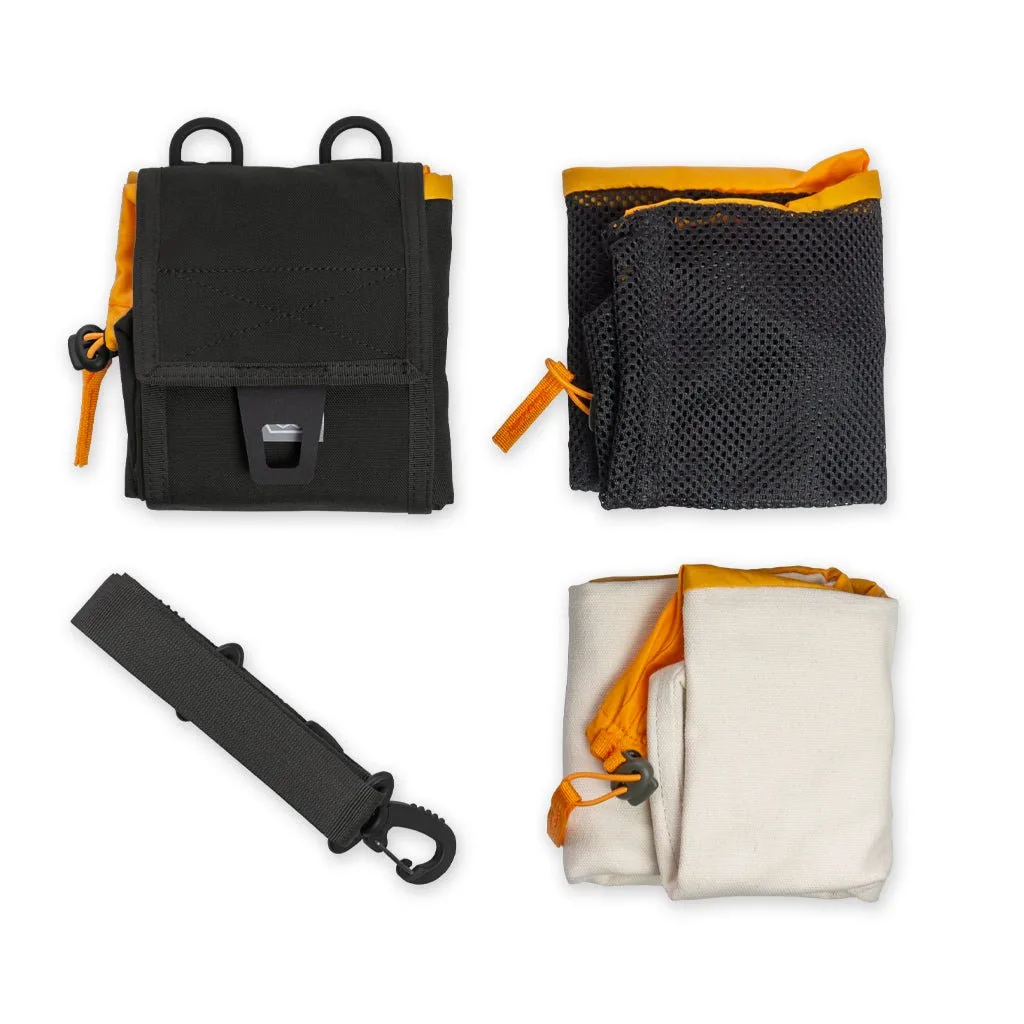
FD Pouch - Black
Why Proper Axe Storage Matters
Axes and tomahawks are precision tools, and their performance depends on the condition of the blade and handle. Improper storage can lead to rust formation on the steel, which not only looks unsightly but also weakens the edge and can cause chipping. Moisture is the primary culprit, so keeping your tool dry is essential.
Additionally, the handle—whether wood, fiberglass, or composite—can warp, crack, or rot if exposed to extreme temperatures or humidity. A damaged handle is dangerous, as it can break during use, causing injury. By following proper storage practices, you protect both the tool and yourself.
- Prevents rust and corrosion
- Maintains edge sharpness
- Extends handle lifespan
- Ensures safety during use
Cleaning and Drying Before Storage
Before storing your axe or tomahawk, always clean it thoroughly. Remove any dirt, sap, or residue from the blade and handle. Use a stiff brush and warm, soapy water for the blade, then dry it completely with a clean cloth. Pay special attention to the area where the head meets the handle, as moisture can get trapped there.
For the handle, wipe it down with a dry cloth and inspect for any signs of wear. If the wood looks dry, apply a light coat of linseed oil or a wood conditioner to keep it hydrated. This simple step prevents cracking and keeps the handle comfortable to grip.
- Use a brush to remove debris
- Dry blade and handle thoroughly
- Apply oil to wooden handles
- Inspect for damage before storing
Preventing Rust on the Blade
Rust is the enemy of any steel tool. To prevent rust on your axe or tomahawk, apply a thin layer of oil to the blade after cleaning. A light mineral oil or a dedicated metal protectant works well. This creates a barrier against moisture and oxygen, keeping the steel pristine.
If you live in a humid climate or store your tools in a garage, consider using a desiccant pack or a rust inhibitor. For long-term storage, you can also wrap the blade in a cloth saturated with oil or use a protective wax coating. Remember to reapply oil periodically, especially if you use the tool regularly.
- Apply oil after each use
- Use desiccants in storage areas
- Wrap blade in oiled cloth for long-term storage
- Reapply oil before and after each use
Caring for the Handle
The handle is the part you interact with most, so it deserves equal attention. Wooden handles should be sanded lightly if they become rough, and then oiled to maintain a smooth, splinter-free surface. Avoid exposing the handle to extreme heat or direct sunlight, which can cause it to dry out and crack.
For synthetic handles, simply wipe them clean and check for any cracks or deformation. If you notice any damage, replace the handle or the entire tool if necessary. A well-maintained handle not only feels better but also ensures a secure grip during use.
- Sand and oil wooden handles regularly
- Keep handles away from direct heat
- Inspect for cracks or splinters
- Replace damaged handles promptly
Choosing the Right Storage Location
Where you store your axe or tomahawk is just as important as how you clean it. The ideal location is a dry, temperature-controlled environment, such as a closet, cabinet, or a dedicated tool storage area. Avoid leaving your tool in a damp basement, unheated shed, or outdoors, as these environments promote rust and handle damage.
If you must store your tool in a garage or shed, use a sealed container or a wall-mounted rack that keeps it off the ground and away from moisture. Consider using a dehumidifier in the space to reduce humidity levels. A consistent environment extends the life of your tool significantly.
- Store in a dry, climate-controlled area
- Avoid basements and unheated sheds
- Use wall-mounted racks or sealed containers
- Consider a dehumidifier for garages
Safe Storage Options: Sheaths and Racks
Investing in a quality sheath is one of the best ways to protect your axe or tomahawk. A leather sheath guards the blade from nicks and moisture, and it also prevents accidental cuts when you're handling the tool. Make sure the sheath fits snugly and is made from durable material.
For storage, you can also use a wall-mounted rack or a pegboard to hang your tools. This keeps them accessible and off the ground, reducing the risk of damage. Some tools come with a lanyard hole that allows you to hang them easily. The Ti-Clip SPD is a handy accessory that lets you attach your tool to a belt or pack, keeping it secure and within reach.
- Use a leather sheath for blade protection
- Mount racks on walls to save space
- Hang tools by their lanyard holes
- Keep tools out of reach of children
Seasonal and Long-Term Storage
If you're storing your axe or tomahawk for an extended period, such as over the winter, take extra steps to protect it. Clean and oil the blade thoroughly, then wrap it in a cloth or plastic wrap to keep moisture out. For wooden handles, apply a generous coat of oil and store the tool in a cool, dry place.
Check on your stored tools every few months to ensure no rust has formed. If you notice any, remove it with a fine steel wool or a rust eraser, then re-oil the blade. Regular maintenance during storage keeps your tool ready for action when you need it.
- Wrap blade for long-term storage
- Apply extra oil to handles
- Inspect stored tools periodically
- Remove rust promptly with steel wool
Proper storage is the key to keeping your axes and tomahawks in top condition. By following these best practices—cleaning, drying, oiling, and choosing the right storage location—you'll prevent rust, protect handles, and ensure your tools are ready for any adventure. Explore our collection of storage and maintenance gear, like the Ti-Clip SPD and FD Pouch - Black, to enhance your EDC setup and keep your gear organized.