Bloating and gas are among the most common digestive complaints, affecting millions of people daily. Whether it happens after a heavy meal, due to food sensitivities, or as part of a chronic condition like IBS, the discomfort can be frustrating. While there are many remedies, probiotics have emerged as a science-backed solution to restore gut balance and reduce symptoms.
But not all probiotics are created equal. Choosing the best probiotic for bloating and gas requires understanding which strains target these specific issues. In this guide, we’ll break down what to look for, how probiotics work, and which products can help you find relief.
How Probiotics Help with Bloating and Gas
Probiotics are live beneficial bacteria that help maintain a healthy gut microbiome. When your gut flora is imbalanced—due to poor diet, stress, or antibiotics—harmful bacteria can overgrow, leading to excessive gas production and bloating. Probiotics work by crowding out these bad bacteria, improving digestion, and strengthening the gut barrier.
Specific strains have been studied for their effects on bloating and gas. For example, Bifidobacterium lactis and Lactobacillus acidophilus can help break down food more efficiently and reduce gas production. Additionally, certain probiotics reduce inflammation in the gut, which can ease the sensation of bloating.
- Look for multi-strain formulas that include Bifidobacterium and Lactobacillus species.
- Choose a probiotic with at least 10 billion CFU for daily digestive support.
- Consider delayed-release capsules to ensure bacteria reach the intestines alive.
Key Strains for Bloating and Gas Relief
Research shows that Bifidobacterium lactis HN019 and Lactobacillus plantarum 299v are particularly effective for reducing bloating and gas. These strains improve gut motility and reduce the production of gas during fermentation. Another powerful strain is Saccharomyces boulardii, a beneficial yeast that can help with diarrhea-associated bloating.
When choosing a product, check the label for these strains. A high-quality probiotic will list the specific strains and their CFU counts. For example, Mood Support Probiotic contains a blend of targeted strains that support both digestive comfort and mental well-being—a bonus since stress can worsen bloating.
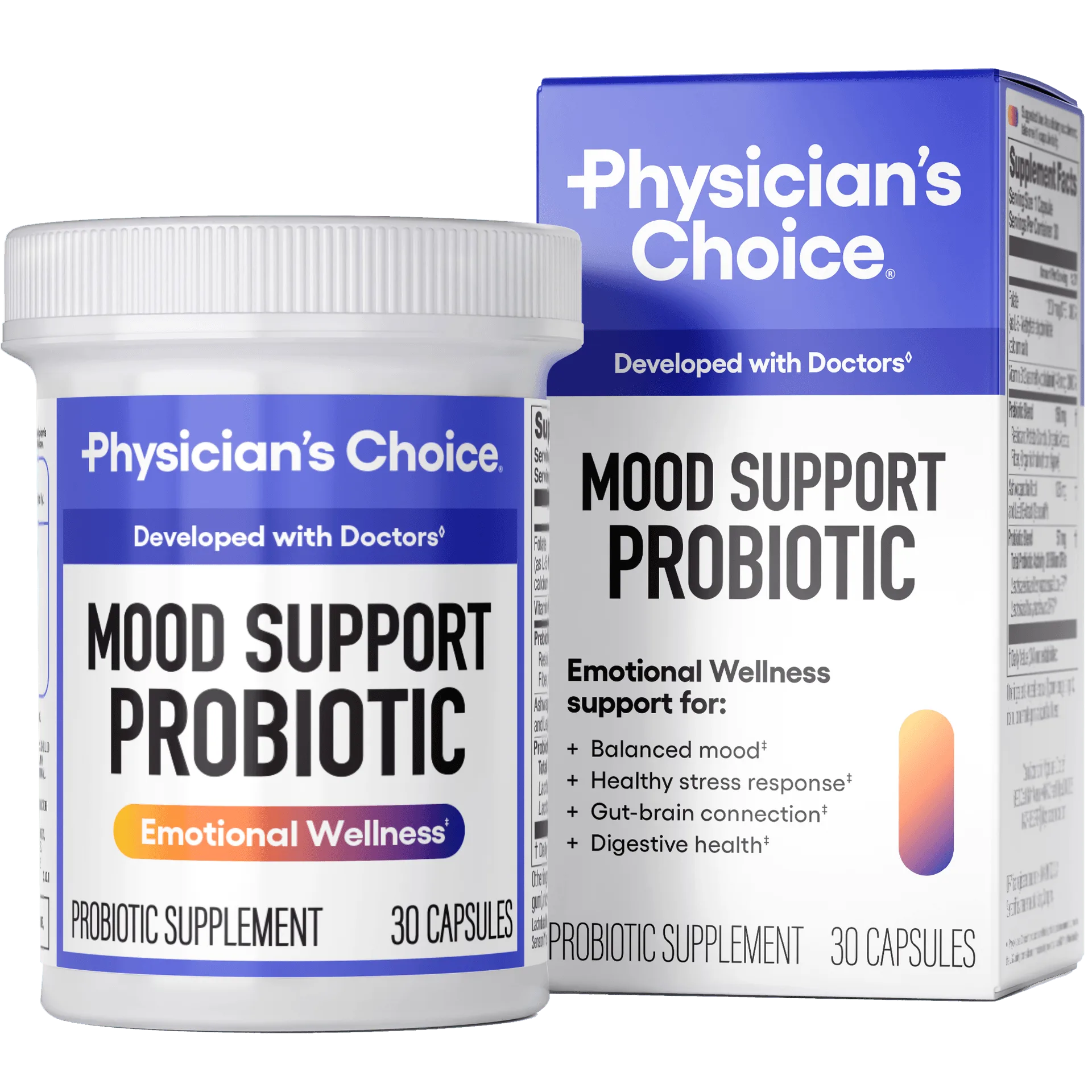
Mood Support Probiotic
- Bifidobacterium lactis: Reduces abdominal distension and gas.
- Lactobacillus plantarum: Eases bloating and improves bowel regularity.
- Saccharomyces boulardii: Helps with antibiotic-related bloating and diarrhea.
What to Look for in a Bloating Probiotic
Not every probiotic on the shelf is designed for bloating relief. To find the best probiotic for bloating and gas, look for products that specifically mention digestive comfort or gas relief on the label. Also, consider the delivery format: capsules, powders, or chewables. Capsules are convenient, but powders can be mixed into water or smoothies.
Another factor is the inclusion of prebiotic fiber, which feeds beneficial bacteria. However, some people with bloating may be sensitive to certain fibers like inulin. In that case, choose a probiotic without added prebiotics or with gentle fibers like acacia. Products like Easy Mix Fiber - Unflavored offer a soluble fiber option that can be taken alongside probiotics without causing extra gas.
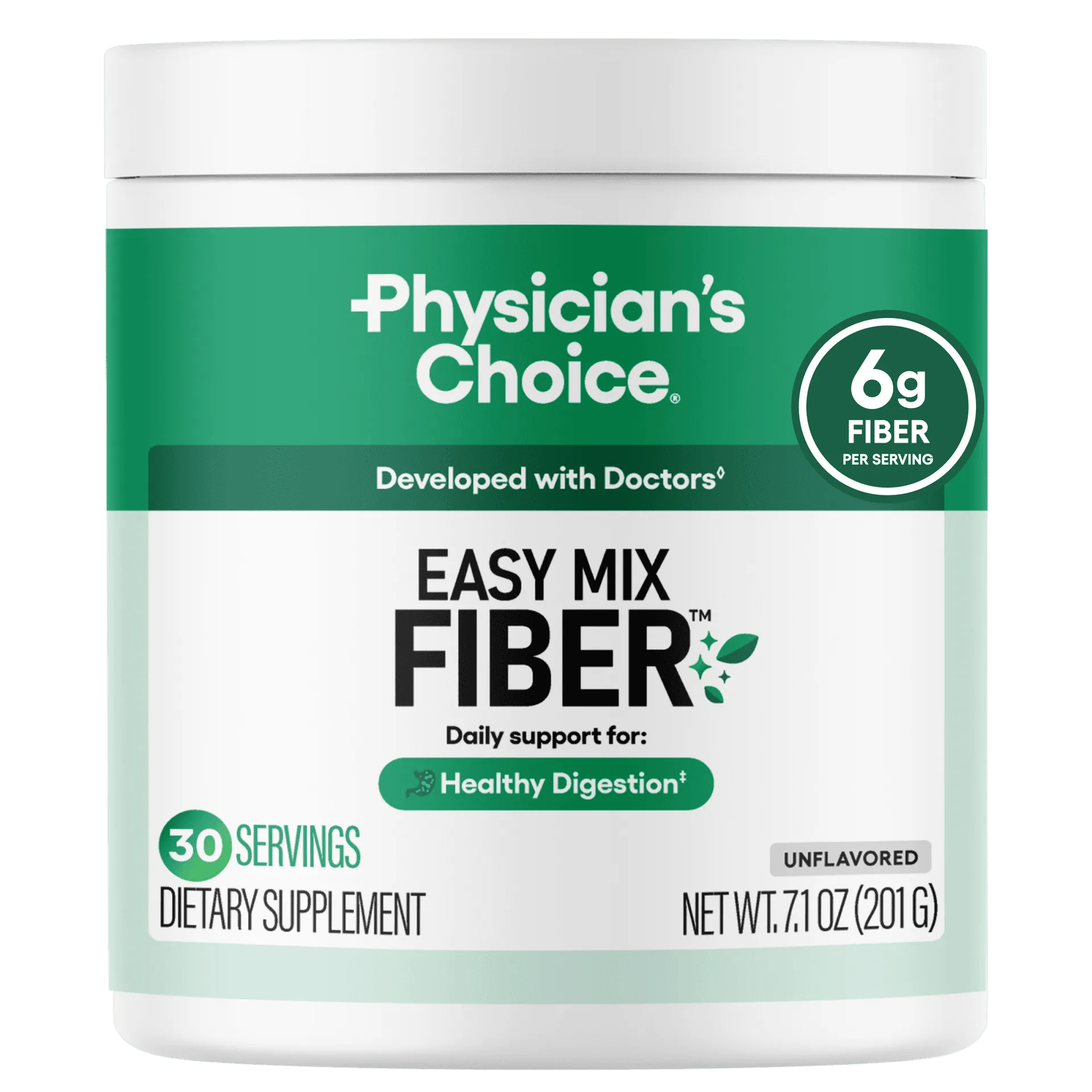
Easy Mix Fiber - Unflavored
- Check for strains with clinical evidence for bloating and gas.
- Opt for a product with delayed-release technology to protect bacteria from stomach acid.
- If you have IBS, consider a probiotic with low-FODMAP certification.
Top Probiotic Picks for Bloating and Gas
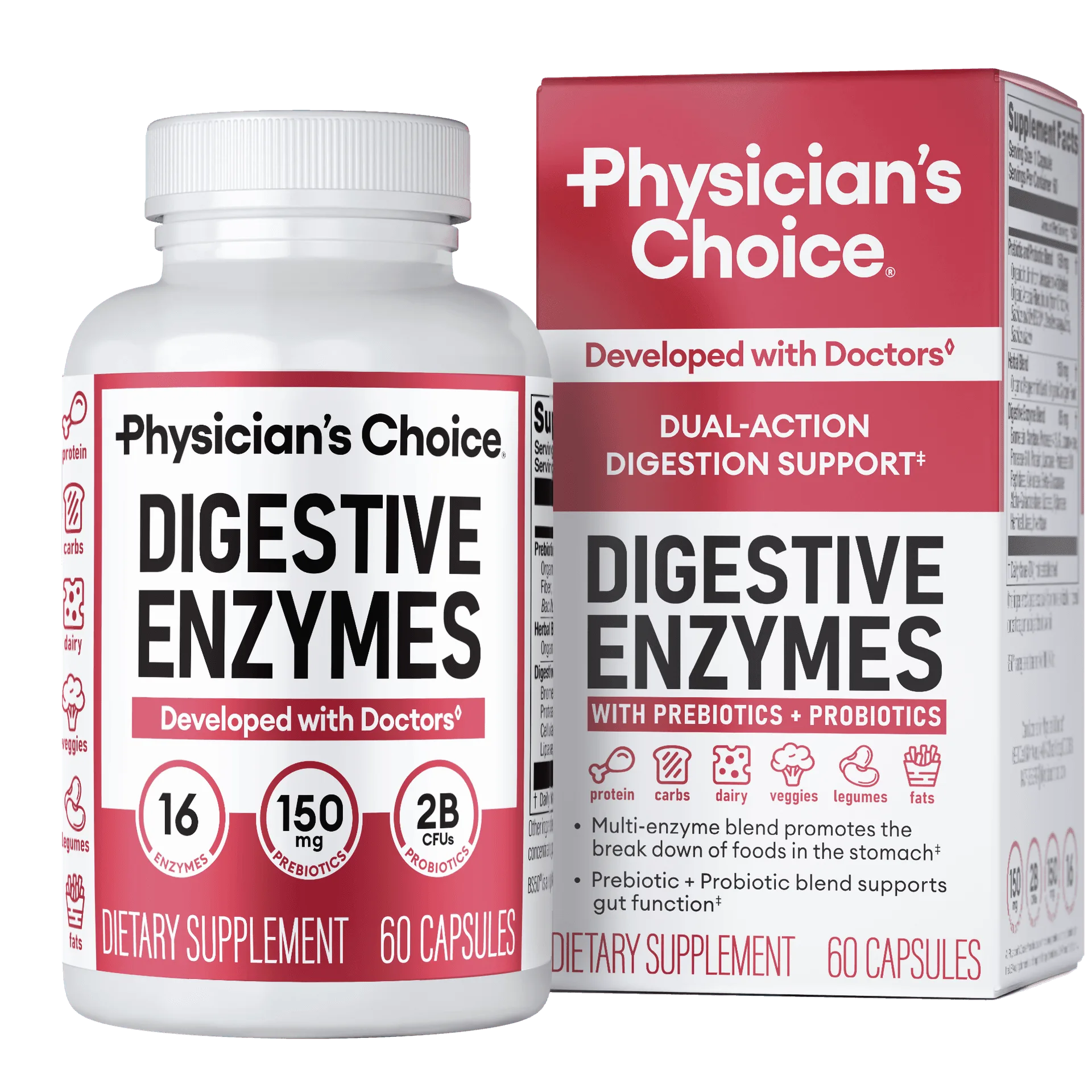
Based on strain selection and customer feedback, here are two excellent options for bloating relief. First, Mood Support Probiotic combines mood-enhancing strains with gut-supporting bacteria—ideal if stress triggers your bloating. Second, Digestive Enzymes can complement your probiotic routine by helping break down hard-to-digest foods like beans and dairy, reducing gas at the source.
Both products are designed with quality in mind, using strains that survive stomach acid and reach the intestines. They are also free from common allergens and artificial additives, making them suitable for sensitive stomachs.
- Mood Support Probiotic: Targets stress-related bloating with clinically studied strains.
- Digestive Enzymes: Aids digestion of proteins, fats, and carbohydrates to prevent gas.
Tips for Maximizing Probiotic Benefits
To get the most out of your probiotic for bloating, take it consistently at the same time each day. Many experts recommend taking probiotics on an empty stomach or just before a meal to enhance survival. Also, stay hydrated and eat a diet rich in whole foods to support your gut bacteria.
If you experience initial bloating when starting probiotics, it may be a temporary "die-off" effect. This usually subsides within a week. If symptoms persist, try a lower CFU count or switch to a different strain blend. Patience is key—most people see improvement in 2-4 weeks.
- Take probiotics daily for at least 2 weeks to assess effectiveness.
- Pair with a balanced diet high in fruits, vegetables, and fermented foods.
- Avoid high-fat, processed meals that can worsen bloating.
Finding the best probiotic for bloating and gas can transform your digestive health. By choosing the right strains and a quality product like Mood Support Probiotic, you can reduce discomfort and improve your quality of life. Start your journey to a happier gut today—explore our selection of targeted probiotics and digestive aids.