When you hit the trail, your feet are your foundation. The right pair of hiking socks can mean the difference between a glorious summit and a blister-filled nightmare. With so many options on the market, choosing the best hiking socks can feel overwhelming. You need socks that balance cushioning for rocky terrain, moisture-wicking fibers to keep sweat at bay, and durable construction that withstands mile after mile.
In this comprehensive hiking sock comparison, we break down the key features to look for, review top contenders, and show you how to keep your socks—and your whole hiking kit—in peak condition. Whether you're a day hiker or a thru-hiker, this guide will help you step confidently onto any trail.
Why Hiking Socks Matter More Than You Think
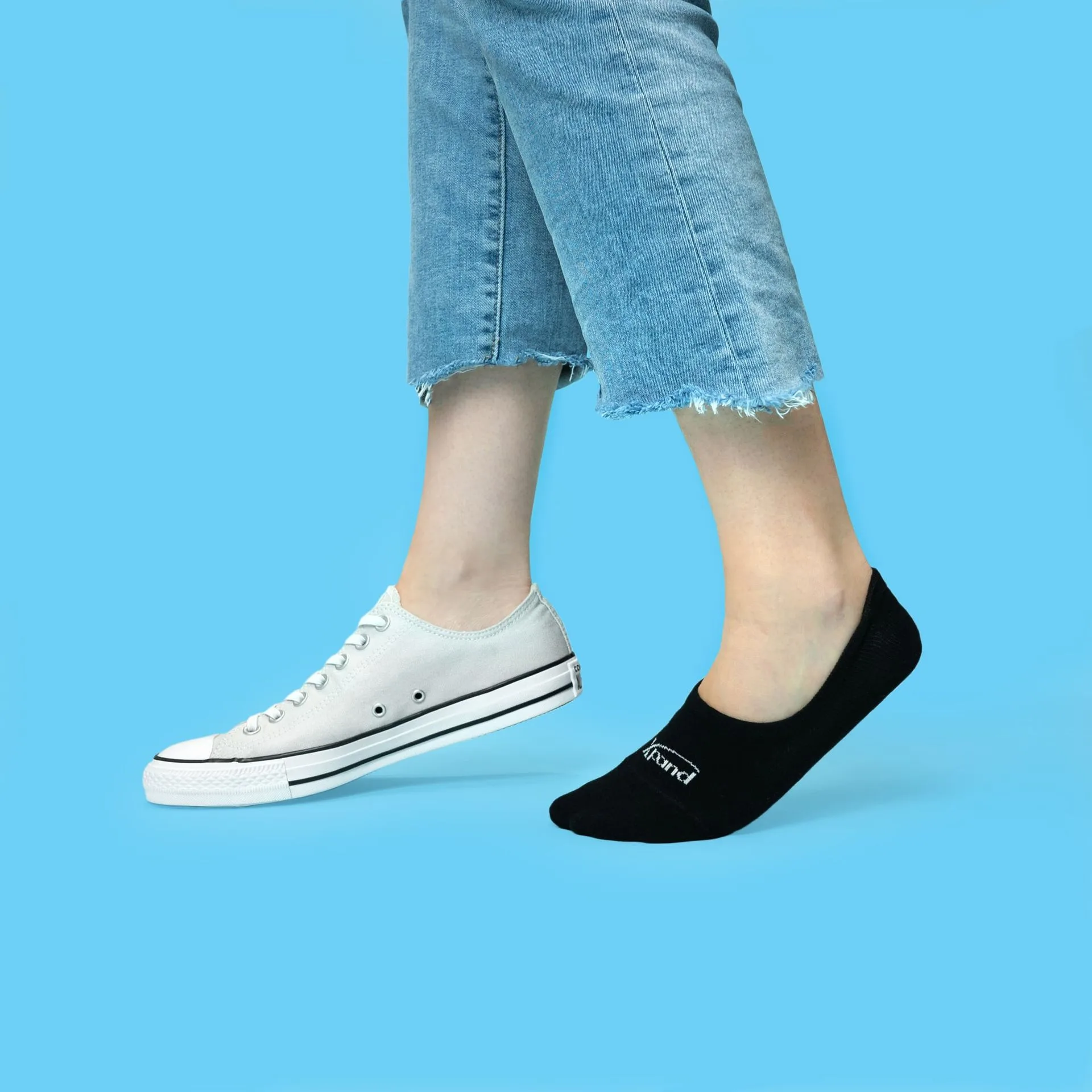
Hiking socks are not just thicker versions of everyday socks. They are engineered to provide targeted cushioning in high-impact zones like the heel and toe, reduce friction, and wick moisture away from your skin. A good hiking sock also helps regulate temperature, keeping your feet warm in cold conditions and cool in the heat. Without proper socks, even the best hiking boots can lead to blisters, hot spots, and discomfort.
The material blend is critical. Merino wool is a favorite for its natural moisture-wicking and odor-resistance, while synthetic blends like nylon and polyester offer durability and quick drying. Cotton should be avoided because it retains moisture and increases blister risk. For hikers who want extra comfort, cushioned hiking socks provide a plush layer that absorbs shock on uneven ground.
- Look for socks with reinforced heel and toe areas for longevity.
- Choose a sock height (crew, quarter, no-show) that matches your boot style and terrain.
- Consider a two-layer sock system: a thin liner plus a cushioned outer sock for maximum blister prevention.
Top Features to Compare in Hiking Socks
When comparing hiking socks, focus on three main categories: cushioning, moisture-wicking, and durability. Cushioning refers to the thickness and padding in specific areas. Light cushioning is ideal for fast hikes or warm weather, while medium to heavy cushioning suits backpacking or rocky trails. Moisture-wicking is achieved through fibers like merino wool or synthetic blends that pull sweat away from the skin and allow it to evaporate quickly.
Durability is often determined by the sock's construction and reinforcement. Look for socks with high-denier nylon in the heel and toe, and seamless toes to reduce friction. Some brands also add arch support or a snug fit to prevent slipping. For hikers who prioritize longevity, a sock with a higher percentage of nylon or polyester will outlast pure wool options.
- Merino wool blends offer the best balance of softness, moisture management, and odor control.
- Synthetic socks dry faster and are more affordable, but may not be as warm or comfortable against the skin.
- Check the care label: machine washable socks with low shrinkage are easier to maintain on long trips.
Cushioned Hiking Socks: Who Needs Them?
Cushioned hiking socks are a game-changer for hikers who carry heavy packs or traverse rocky, uneven trails. The extra padding absorbs shock, reduces fatigue, and protects your feet from sharp rocks and roots. They are also excellent for cold-weather hiking because the thicker material traps warmth. However, they may not be ideal for hot summer hikes or for boots with a tight fit, as they can take up extra space and reduce breathability.
For those who want versatile cushioning, consider a mid-weight cushioned sock that works across seasons. Brands like Darn Tough and Smartwool offer lifetime guarantees on many of their cushioned models. If you prefer a lighter feel, look for socks with targeted cushioning only in the heel and toe, leaving the instep thinner for better ventilation.
- If your boots feel snug without socks, try a thin cushioned sock to avoid pressure points.
- Cushioned socks also help reduce the risk of black toenails on downhill sections.
Moisture-Wicking Socks: Keeping Feet Dry on the Trail
Moisture is the enemy of happy feet. Wet skin softens and becomes prone to blisters, while damp socks can cause chilling in cooler weather. Moisture-wicking socks are designed to pull moisture away from your skin and spread it across the fabric surface so it can evaporate. Merino wool is naturally excellent at this, but high-quality synthetics like Coolmax and polypropylene also perform well.
For maximum moisture management, look for socks with a blend of merino wool and nylon. The wool handles moisture and odor, while the nylon adds durability and shape retention. Avoid socks with cotton content, even in small amounts, as cotton absorbs water and stays wet. For hikers who sweat heavily, a thin synthetic liner sock worn under a cushioned wool sock can provide the ultimate dry and comfortable experience.
- Change socks at lunchtime on long hikes to keep feet dry and fresh.
- Carry a spare pair of socks in a waterproof bag to protect them from rain or stream crossings.
Durability: How Long Should Hiking Socks Last?
Durability is often overlooked when buying socks, but it directly affects your wallet and your comfort. A high-quality hiking sock should last at least 300 to 500 miles of trail use. Key durability indicators include reinforced heel and toe areas, high-denier nylon content (at least 30-40%), and tight-knit construction that resists pilling and thinning.
Some brands offer unconditional lifetime guarantees, which can be a great value for frequent hikers. However, even the most durable socks will eventually wear out. To extend their life, wash them inside out on a gentle cycle, avoid fabric softeners, and air dry them. For hikers who want to keep their entire gear fresh and clean, consider using Xpand Quick Wipes to quickly clean your socks and boots after a dusty hike—they are gentle on fabrics and effective at removing dirt and sweat.
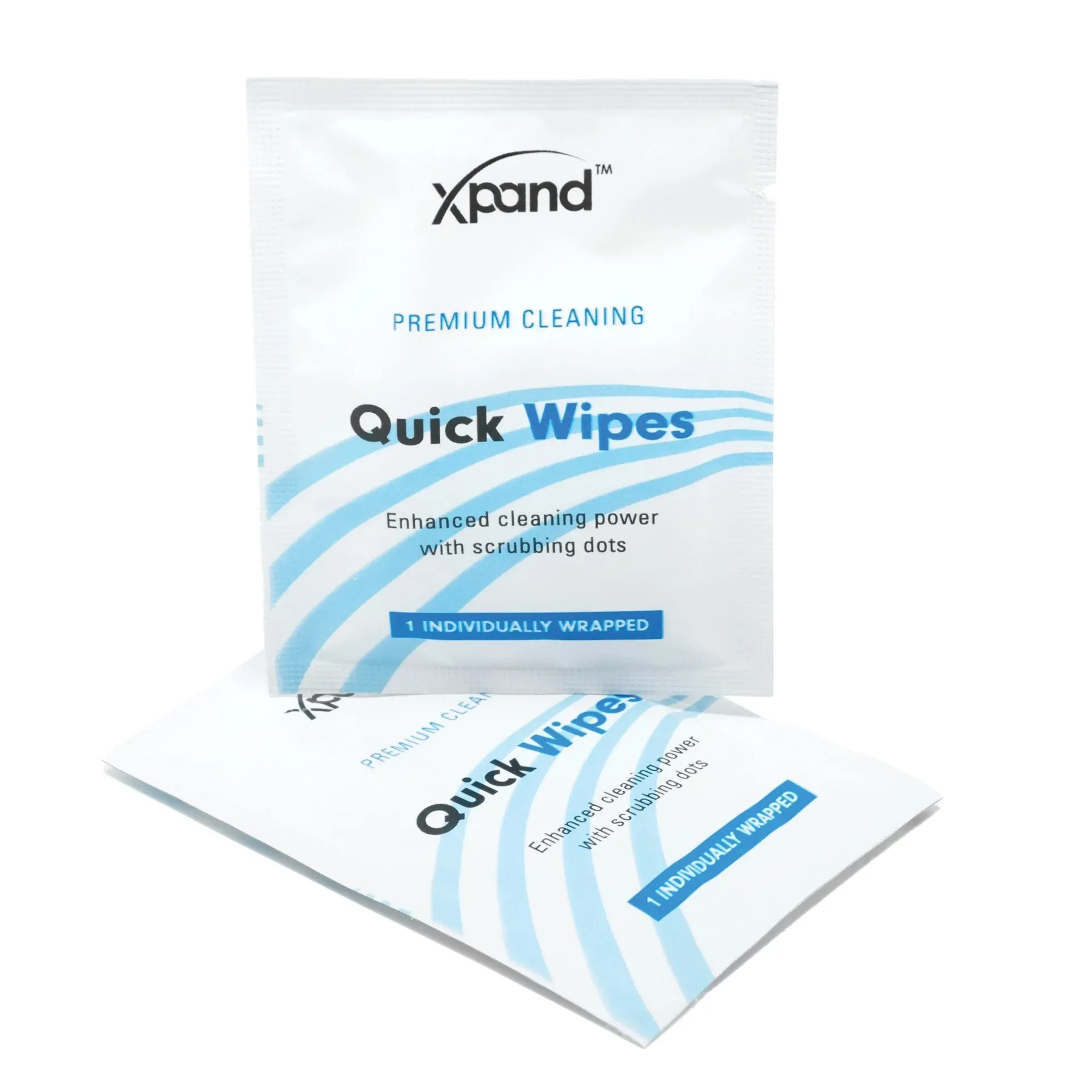
Xpand Quick Wipes
- Rotate between two or three pairs of hiking socks to extend their lifespan.
- Inspect socks regularly for thin spots or holes, and replace them before they cause blisters.
Choosing the best hiking socks comes down to your personal needs: cushioning for comfort, moisture-wicking for dryness, and durability for long-term value. A quality pair of cushioned hiking socks will protect your feet and enhance your outdoor experience. To keep your socks and other hiking gear in top shape, grab a pack of Xpand Quick Wipes for quick, safe cleaning on the go. Step onto the trail with confidence and comfort.