Finding the best sunscreen for sensitive skin can feel like a never-ending quest. Redness, stinging, breakouts, or a tight feeling after application are all too common when you use the wrong formula. The good news is that Korean skincare offers some of the most innovative and gentle sunscreens on the market, designed specifically to protect without irritation. Whether you lean toward mineral sunscreen or prefer a lightweight chemical sunscreen, understanding the differences between these two filter types is the first step to happy, protected skin.
In this guide, we’ll break down how physical and chemical sunscreens work, which ingredients to look for (and which to avoid) if you have reactive skin, and how to layer your SPF properly. We’ll also highlight a few standout products that combine broad-spectrum protection with soothing, skin-loving ingredients, so you can finally say goodbye to sunscreen anxiety.
How Physical Sunscreens Protect Sensitive Skin
Physical sunscreens, also known as mineral sunscreens, use active ingredients like zinc oxide and titanium dioxide to create a protective barrier on the skin’s surface. These mineral particles reflect and scatter UV rays before they can penetrate the skin. Because they sit on top of the epidermis rather than being absorbed, physical sunscreens are far less likely to cause irritation or allergic reactions. This makes them the go-to choice for those with rosacea, eczema, or highly reactive skin.
Another advantage of mineral sunscreen is that it starts working immediately upon application. There’s no need to wait 15 to 20 minutes before sun exposure, which is a common requirement for chemical formulas. Many modern Korean mineral sunscreens have also improved their texture and finish, moving away from the thick, chalky pastes of the past. Look for micronized zinc oxide or formulas that include soothing ingredients like centella asiatica or panthenol to calm redness while you protect your skin.
- Key ingredients to seek: zinc oxide, titanium dioxide, centella asiatica, madecassoside, niacinamide.
- Avoid: oxybenzone, octinoxate, fragrance, and essential oils that can trigger sensitivity.
Chemical Sunscreens: Lightweight Protection with a Caveat
Chemical sunscreens work by absorbing UV rays and converting them into heat, which is then released from the skin. They typically have a more cosmetically elegant finish — no white cast, a silky feel, and they layer beautifully under makeup. For many people, this makes chemical sunscreen the preferred daily option. However, for sensitive skin, some chemical filters can cause stinging, burning, or redness, especially around the eyes or on compromised skin barriers.
That said, not all chemical sunscreens are created equal. Newer-generation filters like Tinosorb S, Uvinul A Plus, and Mexoryl are far gentler and more photostable than older ones. Many Korean sunscreens combine these advanced filters with hydrating and soothing ingredients like hyaluronic acid, ceramides, and beta-glucan. If your skin tolerates chemical filters well, a well-formulated chemical sunscreen can offer excellent protection without the heavy feel. Always patch-test a new formula on your jawline or inner arm before committing.
- Look for: Tinosorb S, Uvinul A Plus, Mexoryl, bis-ethylhexyloxyphenol methoxyphenyl triazine.
- Avoid: oxybenzone, octinoxate, alcohol denat., and artificial fragrance.
How to Choose the Right Sunscreen for Your Skin Type
Your skin type plays a huge role in determining which sunscreen will feel comfortable and effective. Oily and acne-prone skin often prefers lightweight, gel-based chemical sunscreens that won’t clog pores. Dry or dehydrated skin benefits from creamier formulas with added humectants like glycerin or squalane. Combination skin can go either way, but a hybrid or mineral sunscreen with a satin finish often works best.
Sensitive skin, regardless of oiliness or dryness, should prioritize formulas labeled 'hypoallergenic' or 'dermatologist-tested.' Mineral sunscreens are generally the safest bet, but if you want the texture of a chemical sunscreen, look for those specifically formulated for reactive skin. The Double Cleansing Duo Set is a great companion for sunscreen users — it ensures you remove every trace of SPF at the end of the day without stripping your barrier. And for extra soothing care, the Heartleaf 70 Daily Lotion can be layered under or over your sunscreen to calm redness and reinforce moisture.
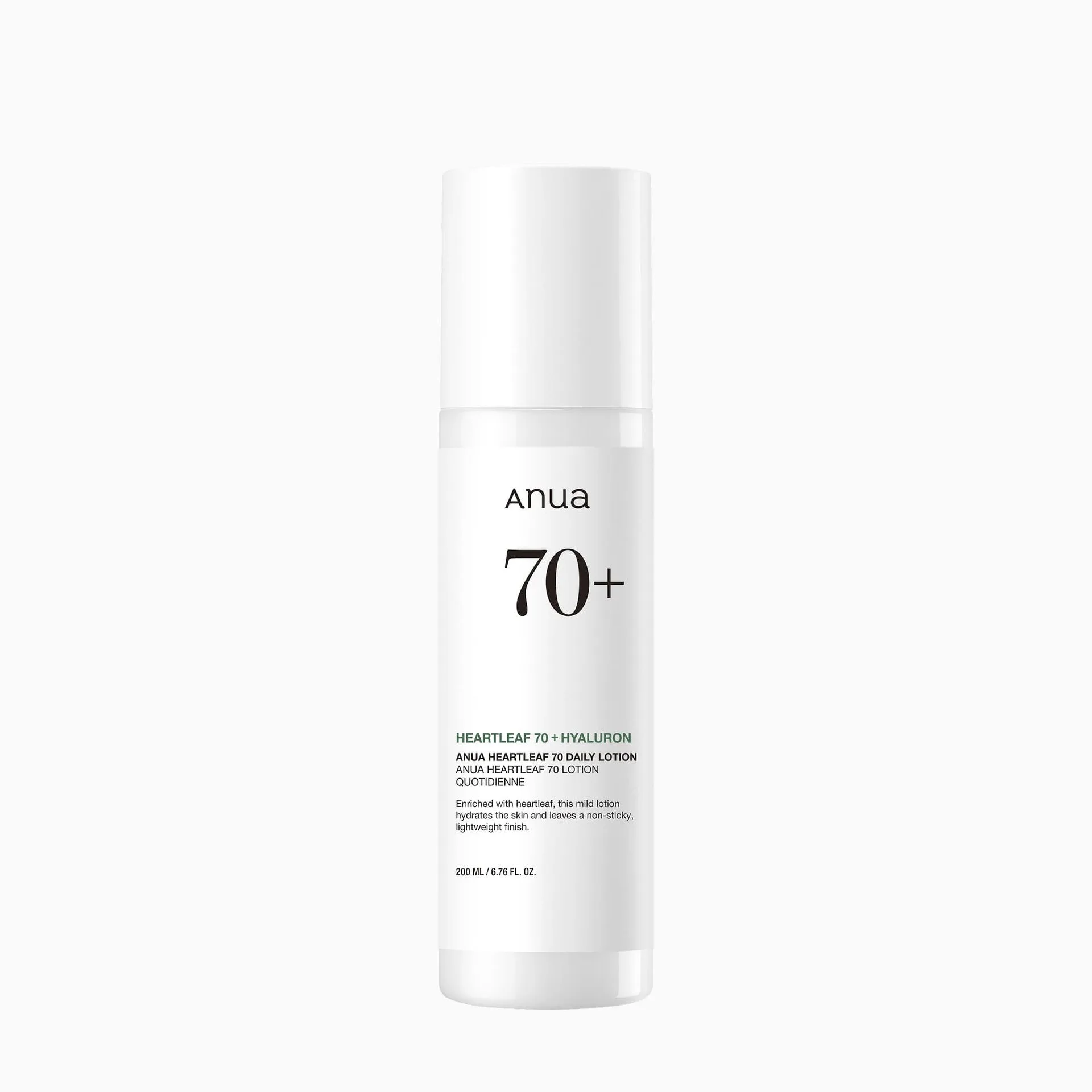
Heartleaf 70 Daily Lotion
- Oily skin: gel or water-based chemical sunscreen with niacinamide.
- Dry skin: cream or lotion mineral sunscreen with ceramides.
- Sensitive skin: mineral sunscreen with zinc oxide and soothing botanicals.
Tips for Layering Sunscreen Without Irritation
Layering sunscreen correctly is just as important as choosing the right formula. Start with a clean, well-moisturized face. Apply your toner, serum, and moisturizer, then allow each layer to absorb for a minute or two. Sunscreen should always be the last step in your morning skincare routine before makeup. Use about two finger-lengths of product for your face and neck, and don’t forget your ears and the back of your hands.
If you find that your sunscreen pills or feels heavy, try using a lighter moisturizer underneath or switching to a sunscreen with a more fluid texture. For sensitive skin, avoid layering too many active ingredients like AHAs or retinol in the same routine as your sunscreen — this can increase irritation. Instead, keep your morning routine simple: cleanse, tone, moisturize, and protect. A gentle gel cleanser like the https://purebeautytools.store/products/8-hyaluronic-acid-moisturizing-gentle-gel-cleanser-514858 Hyaluronic Acid Moisturizing Gentle Gel Cleanser can prep your skin without stripping, making it more receptive to sunscreen.
- Always apply sunscreen as the final step before makeup.
- Reapply every two hours if you’re outdoors or near windows.
- Use a dedicated sunscreen — don’t rely on makeup with SPF alone.
Choosing the best sunscreen for sensitive skin doesn’t have to be a guessing game. By understanding the differences between physical and chemical filters, and by selecting products formulated with soothing, skin-friendly ingredients, you can enjoy sun protection without discomfort. For a gentle, effective option that combines mineral protection with hydrating care, explore the Heartleaf 70 Daily Lotion — it’s a soothing, lightweight lotion that calms redness while shielding your skin from UV damage. Give your skin the protection it deserves, and step into the sun with confidence.