There’s something special about a dinner at home that feels intentional—soft lighting, a set table, and dishes that invite you to linger. The right tabletop items don’t just protect your surfaces; they set the mood and make every meal feel like an occasion. Whether you’re hosting a quiet weeknight dinner or a small gathering, choosing pieces that balance function with warmth can transform your table.
In this guide, we’ll walk through the key tabletop items that create a cozy dinner setting. You’ll learn what to look for in dinner napkins, coasters, trivets, and other home dining accessories, with honest tradeoffs so you can pick what works best for your home.
Start with Dinner Napkins That Set the Tone
Dinner napkins are often the first thing guests notice, and they do double duty: they add color or texture to your table while being practical for wiping hands. For a cozy dinner, look for napkins made from natural fibers like linen or cotton—they soften with washing and feel pleasant against the skin. A mixed set, such as the Dinner Napkins Sabi Mixed Sets, offers variety in pattern without clashing, making it easy to style a relaxed yet curated look.
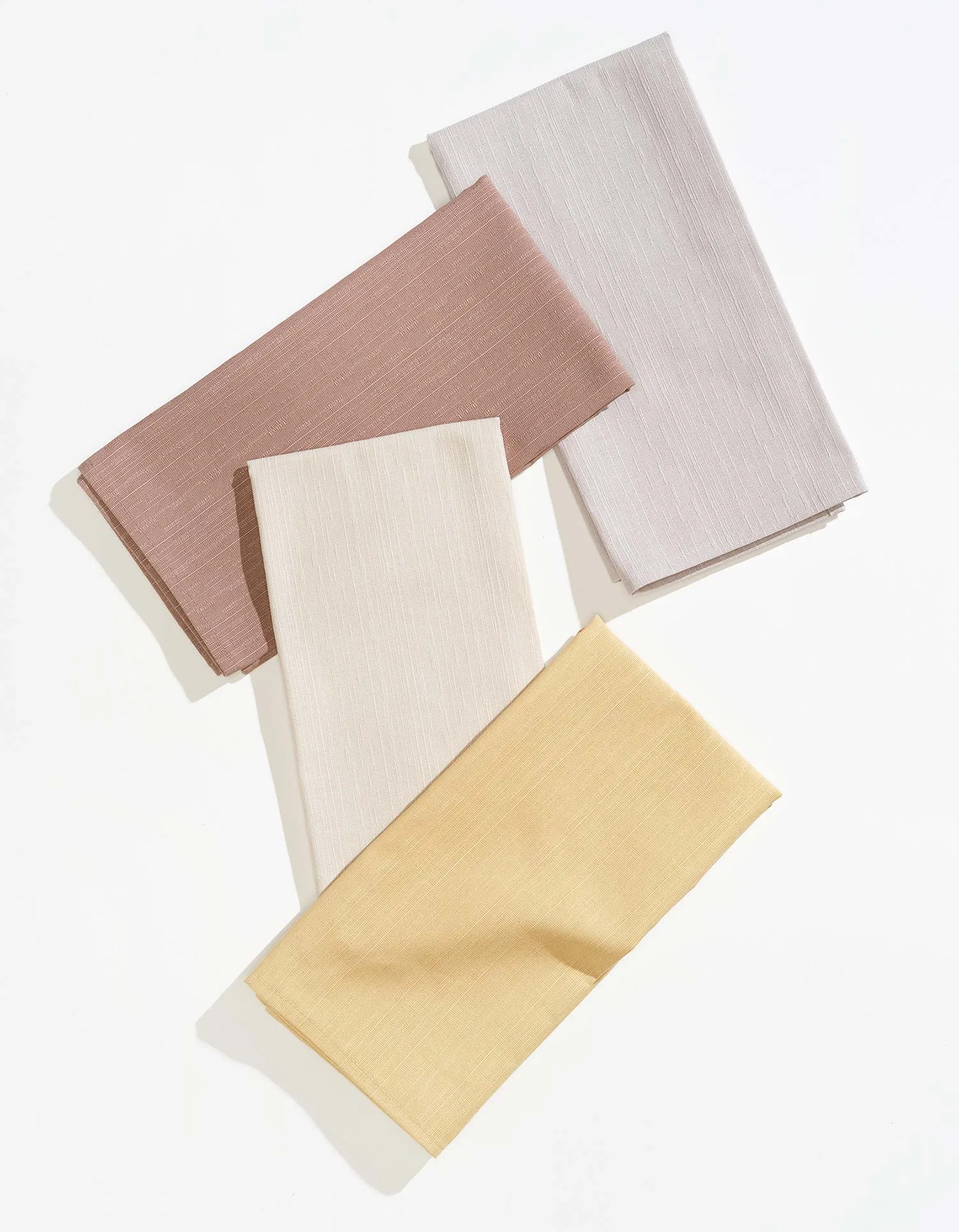
Dinner Napkins Sabi Mixed Sets
Consider the size and absorbency as well. Larger dinner napkins (around 20 inches square) work well for formal meals, while smaller ones suit casual dinners. If you’re after a lived-in, cozy vibe, slightly wrinkled linen napkins add warmth. The tradeoff: linen requires a bit more care—gentle washing and air drying—to keep its shape, while cotton is more forgiving but may not feel as luxurious.
- For a cohesive look, choose napkins in earthy or muted tones that complement your dishware.
Protect Your Table with Coasters and a Trivet
A hot plate or a cold drink can leave marks on your table, so coasters and a trivet are non-negotiable for a cozy dinner. Coasters should be absorbent enough to catch condensation but easy to clean. Felt or cork coasters are quiet, gentle on surfaces, and absorb moisture well. If you prefer a natural look, stone or ceramic coasters add weight but may scratch delicate tabletops.
For hot dishes, a trivet is essential. Look for one that can handle both heat and moisture without warping. A felt trivet, for example, insulates well and won’t scratch your table, but it may stain if spills aren’t wiped quickly. Wooden trivets are durable and stylish but require occasional oiling. The key is to match the material to your table’s finish—a smooth lacquered table can handle most trivets, while an untreated wood table needs a barrier like felt or silicone.
- Keep a set of coasters on a small tray so guests can grab one easily without searching.
Choose Dishware That Feels Warm and Inviting
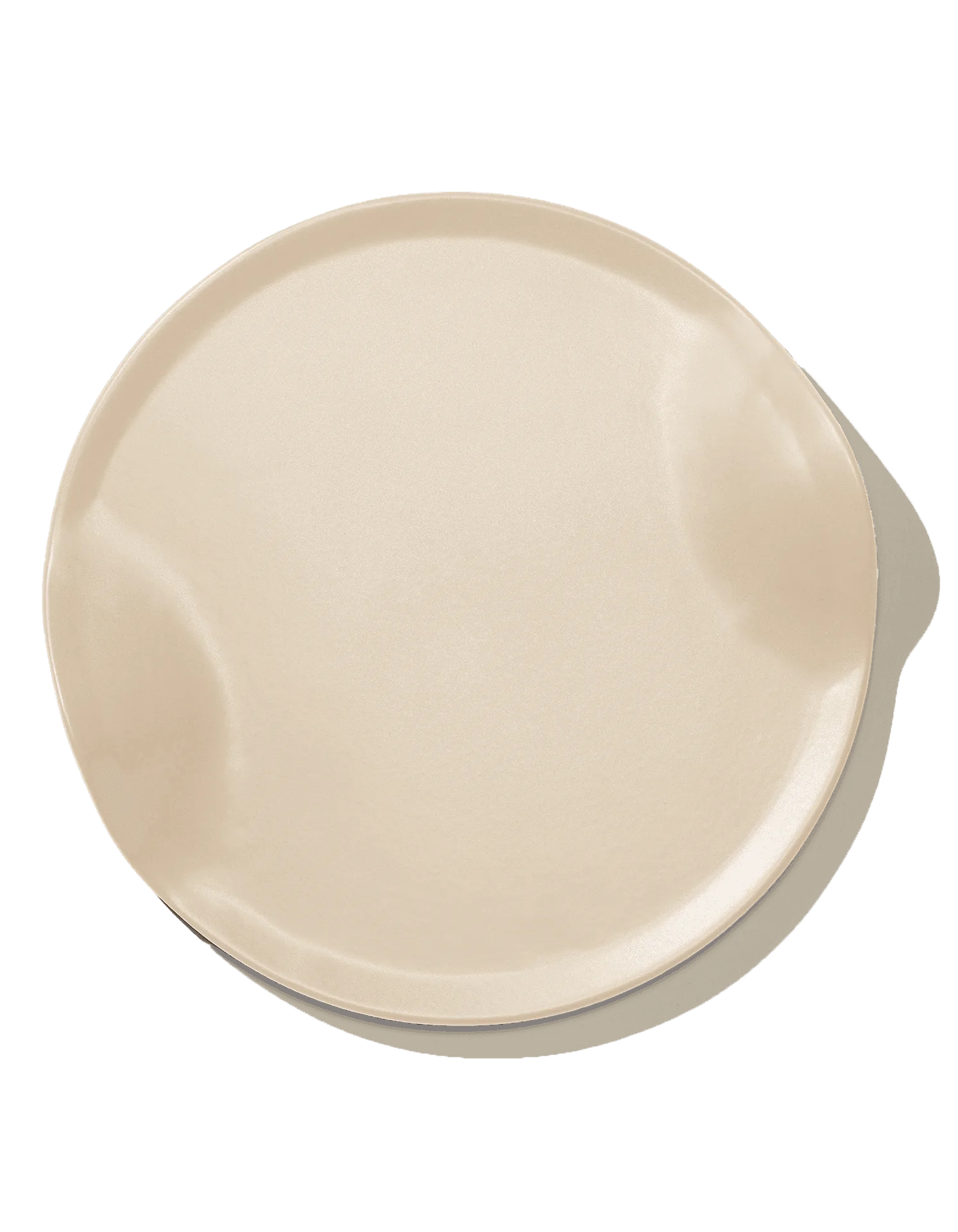
The plates and bowls you use set the visual foundation for the meal. For a cozy dinner, opt for dishware with organic shapes or soft glazes—think hand-thrown ceramics or stoneware with a matte finish. A Dinner Plate Set of 4 in a neutral tone works well because it’s versatile for everyday use and special meals alike. The weight of the plate matters: heavier pieces feel substantial and grounding, while lighter ones are easier to handle.
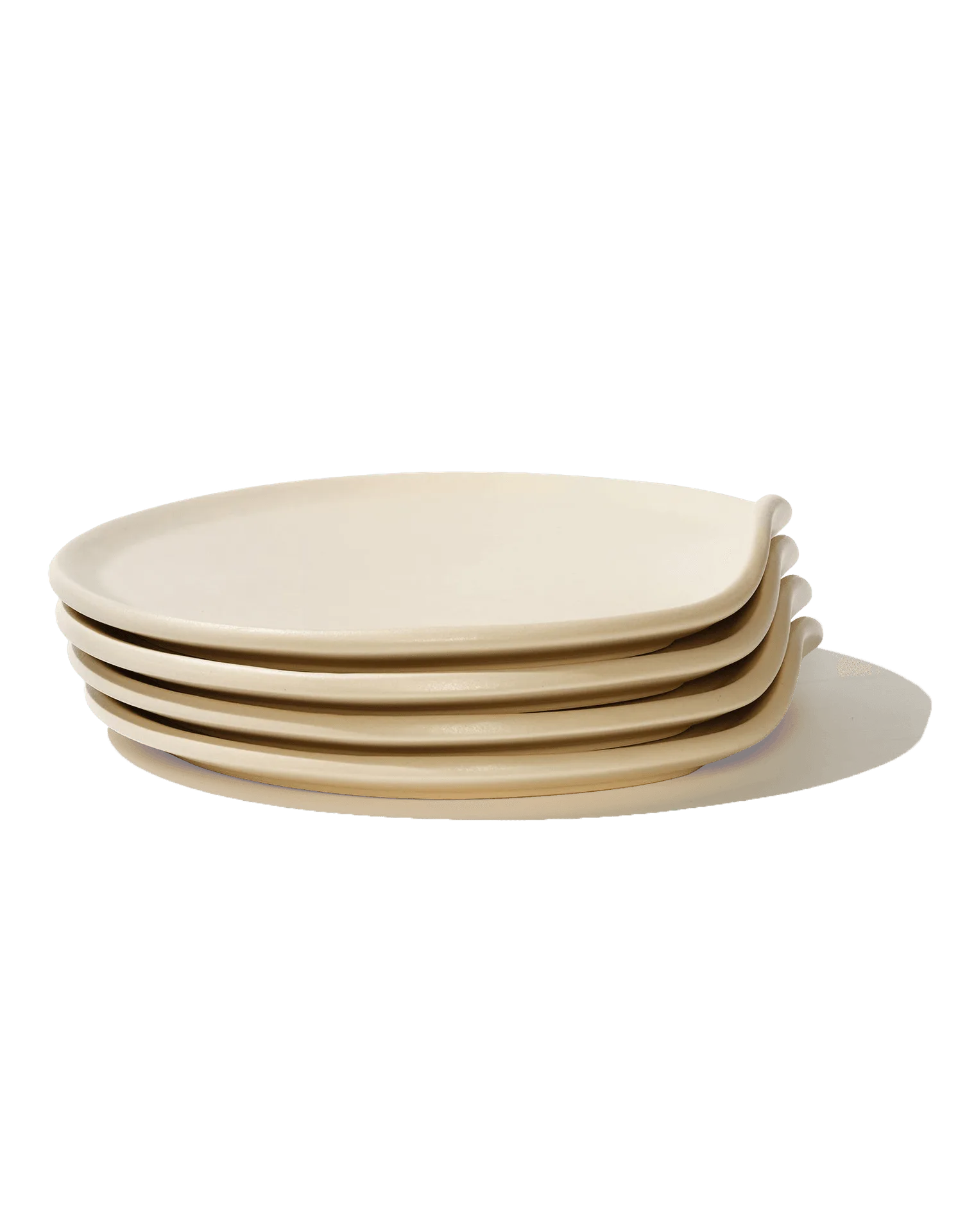
Dinner Plate Set of 4
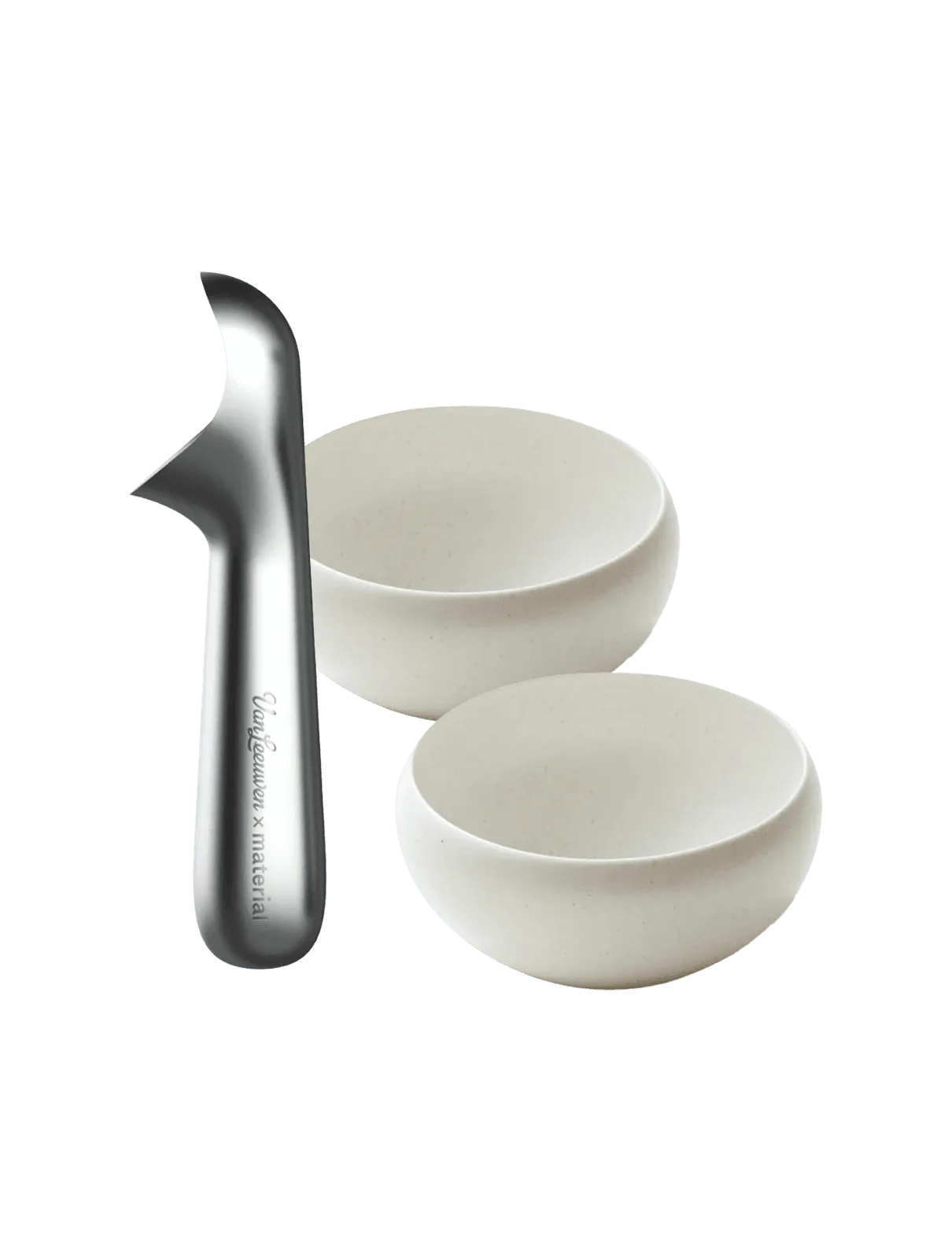
Bowls are equally important, especially if you’re serving soup, pasta, or grain bowls. A noodle bowl with a wide rim, like The Goun Noodle Bowl, gives you room to mix ingredients and makes the portion feel generous. The tradeoff: ceramic dishware can chip if stacked carelessly, so store them with felt separators or avoid stacking heavy pieces. Stoneware is more durable but may feel less refined. Think about how often you’ll use the set—if it’s daily, durability matters more than delicacy.
- Mix and match plate sizes (dinner, salad, and small side plates) to create visual layers on the table.
Add Functional Accents: Cutting Boards and Flatware
A cutting board can double as a serving board for bread, cheese, or appetizers, adding a rustic touch to the table. Look for a board with a slight angle or a juice groove to catch drips—The Angled Board is a good example, as its design keeps liquids from pooling on the table. Wooden boards are warm and gentle on knives but need regular oiling; bamboo is harder and more moisture-resistant but can dull blades faster.
Flatware completes the table setting. For a cozy dinner, avoid overly shiny or heavy silverware—matte stainless steel or brushed finishes feel more approachable. The Windsor Cutlery set offers a balanced weight and a soft sheen that doesn’t distract from the food. The tradeoff: lighter flatware may bend over time, while heavier sets can feel clumsy for smaller hands. Test the balance by holding a fork and knife together; they should feel natural and not top-heavy.
- Set the table ahead of time—even 10 minutes before dinner—so you can focus on cooking and conversation.
Creating a cozy dinner at home doesn’t require a full overhaul of your kitchen. Start with a few key tabletop items—dinner napkins, coasters, a trivet, dishware, and functional accents—that reflect your style and stand up to real use. By choosing pieces that balance warmth with practicality, you’ll set a table that invites everyone to slow down and enjoy the meal.