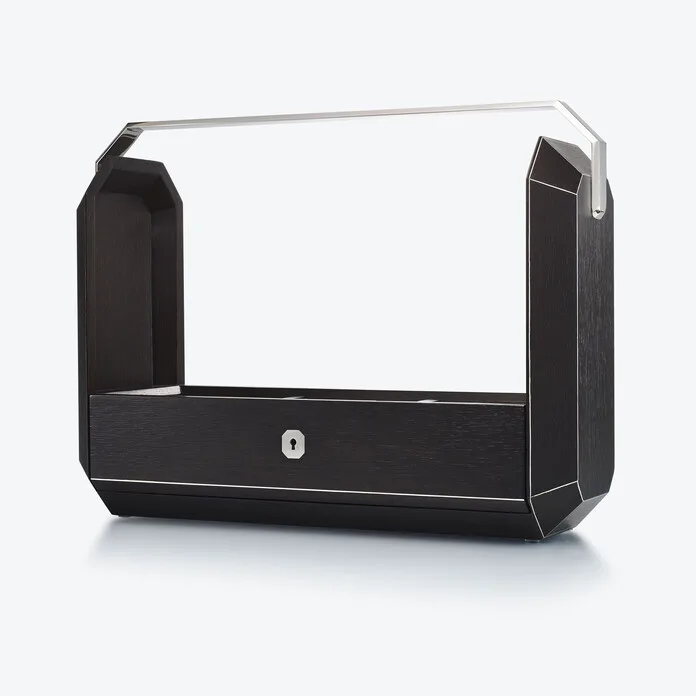
Matcha is more than just a powdered green tea — it is a centuries-old ritual that demands the right tools to unlock its full potential. Whether you are a seasoned matcha drinker or a curious beginner, the quality of your matcha teaware directly affects the flavor, texture, and overall experience. A dull whisk or a poorly shaped bowl can turn a vibrant, creamy cup into a clumpy, bitter disappointment.
In this buyer's guide, we walk you through the essential matcha teaware pieces: the bowl, the bamboo whisk (chasen), and the scoop (chashaku). We explain what to look for in each, how they influence your matcha preparation, and how to choose the best options for your needs. By the end, you will know exactly what to add to your tea collection for a flawless matcha ritual.
The Matcha Bowl (Chawan): Shape, Size, and Material Matter
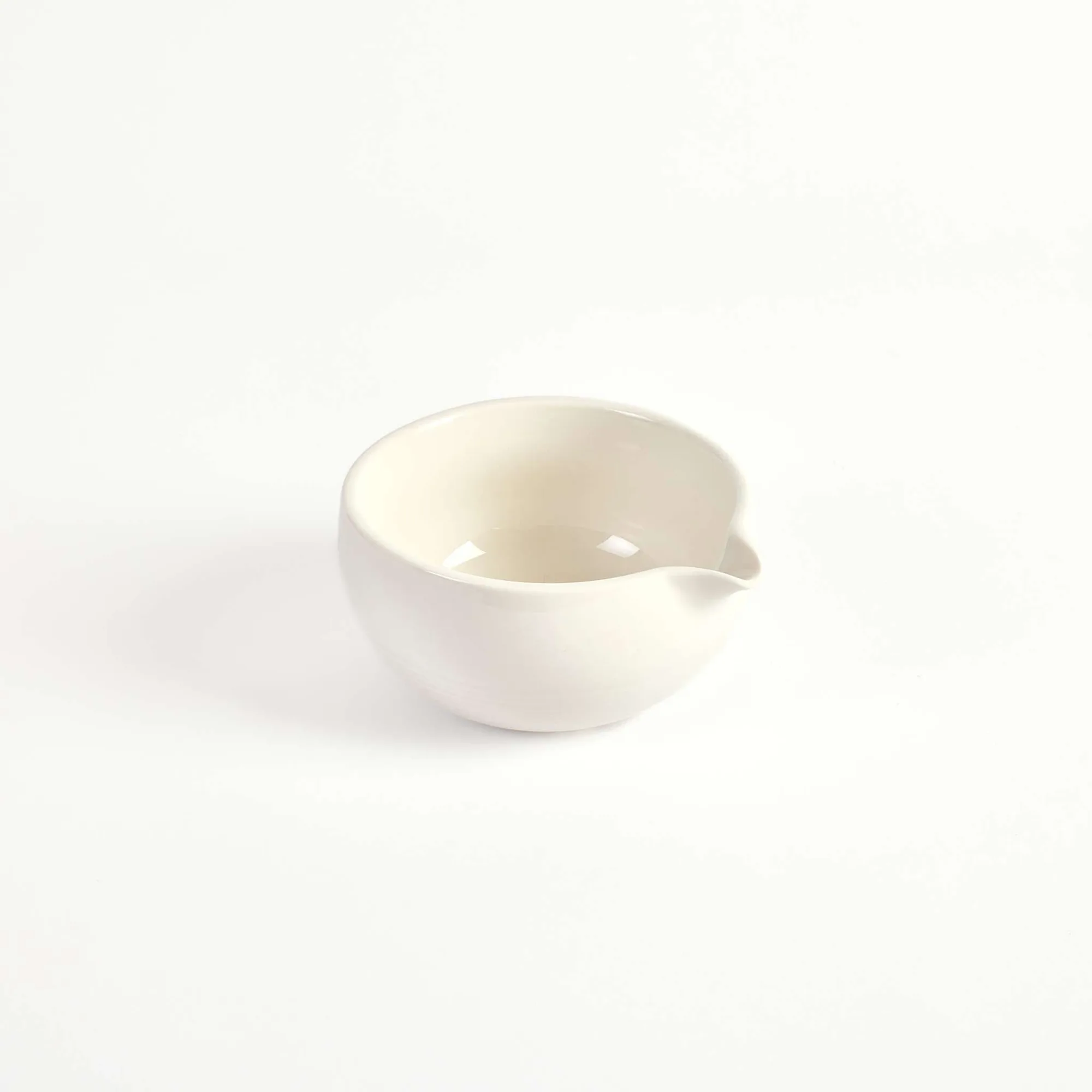
Matcha Bowl (Chawan)
The matcha bowl, or chawan, is the heart of the matcha preparation. Unlike a standard teacup, a matcha bowl is wide and deep, allowing ample room for whisking without splashing. The ideal bowl has a slightly curved interior that helps the bamboo whisk move freely, creating a smooth, frothy layer on top of the tea.
When choosing a matcha bowl, consider the material. Ceramic bowls are the most traditional and retain heat well, keeping your matcha warm during preparation. Stoneware bowls offer durability and a rustic aesthetic, while porcelain bowls are lighter and often feature delicate designs. Avoid bowls with sharp edges or narrow bases, as they hinder the whisking motion. A bowl that fits comfortably in your hands also enhances the meditative aspect of the ritual.
- Look for a bowl at least 4-5 inches in diameter and 3-4 inches deep for proper whisking.
- A bowl with a slight lip or rim makes pouring and drinking easier.
- If you are on a budget, a simple ceramic bowl from a local artisan can work beautifully.
The Bamboo Whisk (Chasen): The Key to a Perfect Froth
A bamboo whisk, or chasen, is the single most important tool for matcha preparation. It is designed to break up clumps of matcha powder and incorporate air to create a silky, frothy texture. Traditional chasen are hand-carved from a single piece of bamboo and feature 80 to 120 fine tines. The number of tines affects the whisking action: more tines produce a finer froth, while fewer tines are better for thicker, more concentrated matcha.
When buying a chasen, look for one with a rounded tip and flexible tines that can reach the bottom of your bowl. A well-made whisk will last for months if cared for properly — rinse it with warm water after each use and let it air dry on a whisk holder. Avoid using soap, as it can damage the bamboo and leave a residue that affects flavor. If you are new to matcha, start with a standard 80-tine whisk, which offers a good balance of froth and control.
- Store your chasen in a whisk holder or upright to maintain its shape.
- Replace your whisk every 3-6 months, as the tines can become brittle over time.
- Never use a metal whisk — it can scratch your bowl and won't create the same froth.
The Matcha Scoop (Chashaku): Precision in Every Measure
The matcha scoop, or chashaku, is a small bamboo utensil used to measure the perfect amount of matcha powder. A traditional chashaku holds about one gram of matcha — the ideal amount for a single serving. Using a scoop ensures consistency from cup to cup, which is especially important when you are exploring different matcha grades or adjusting strength to your taste.
Chashaku come in various lengths and shapes, but the most common is a slender, slightly curved bamboo stick with a flat end. High-quality scoops are hand-carved and have a smooth finish that won't scratch your matcha tin. While you can use a regular teaspoon in a pinch, a dedicated scoop adds a touch of ceremony and precision to your routine. For a complete matcha experience, pair your scoop with a matching bamboo whisk and bowl.
- One level chashaku scoop equals roughly 1 gram of matcha — perfect for a standard bowl.
- Look for a scoop with a slight curve for easier dipping into narrow tins.
- Clean your scoop with a dry cloth — avoid water to prevent bamboo from cracking.
Accessories That Elevate Your Matcha Ritual
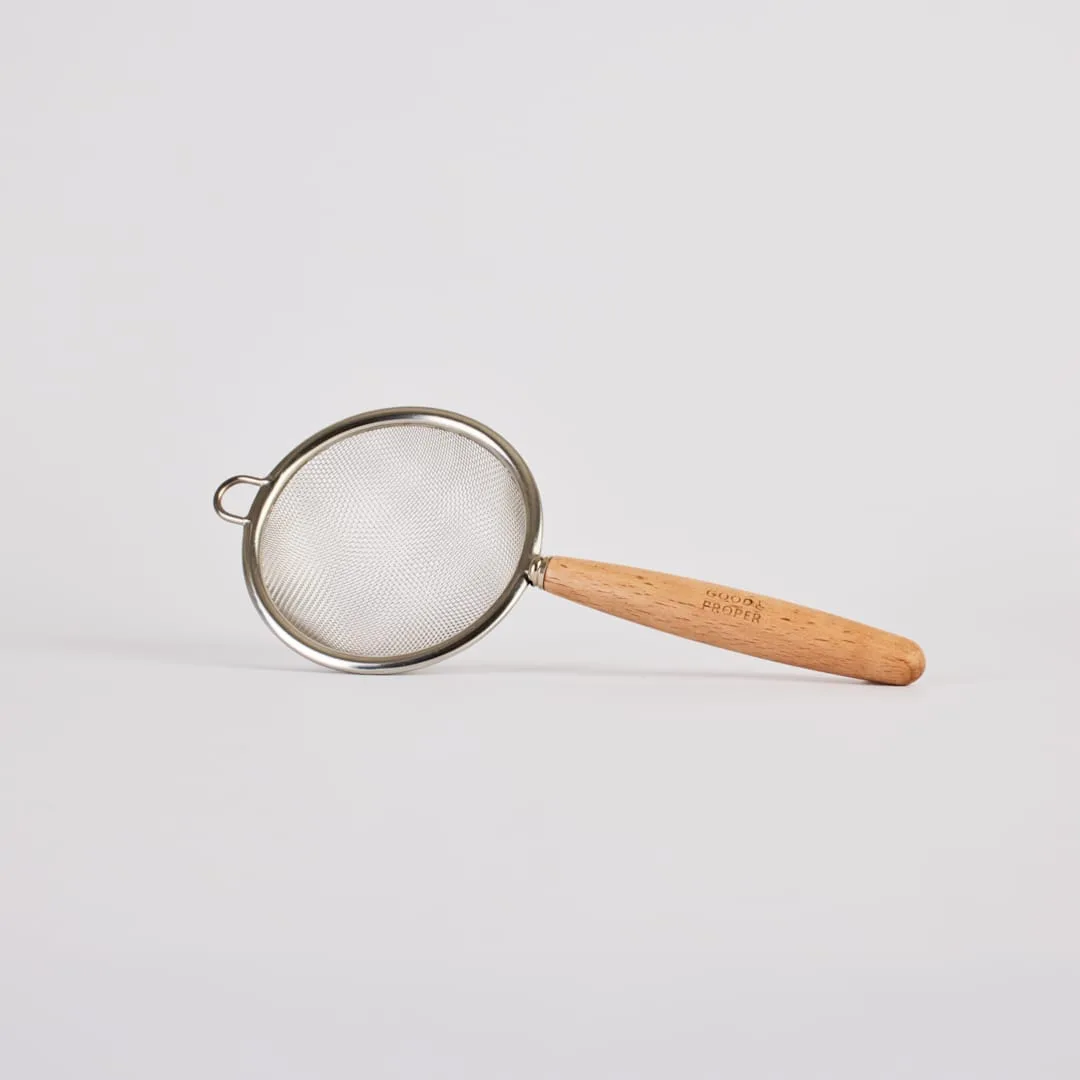
Beyond the core three pieces, a few additional accessories can enhance your matcha experience. A sifter or fine-mesh strainer helps break up clumps before whisking, ensuring a smooth texture. A whisk holder (kuse-naoshi) keeps your chasen in shape and allows it to dry properly. A matcha tin or storage container with an airtight seal preserves freshness and protects the powder from light and moisture.
If you are looking for a way to store your matcha or other loose teas, consider a glass storage jar. It provides an airtight seal and lets you see the vibrant green powder inside. For those who prefer a more traditional approach, a ceramic matcha container (natsume) is both functional and beautiful. And if you want to enjoy matcha on the go, a portable matcha set with a travel bowl and whisk can be a game-changer.
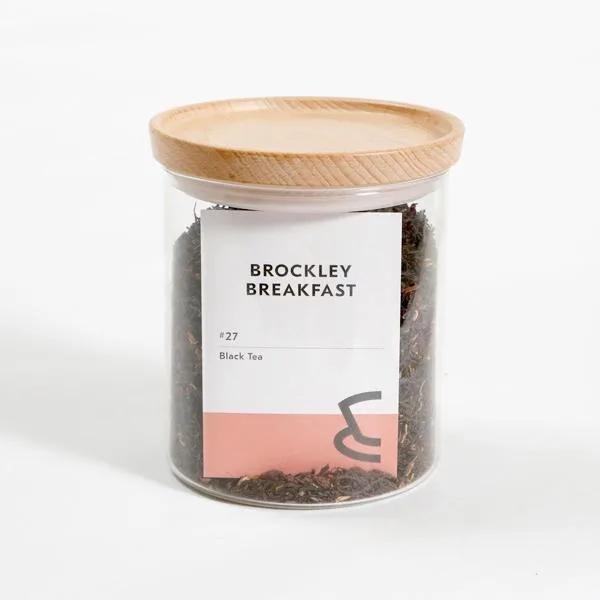
glass storage jar
- Use a sifter to prevent clumps — it takes only 10 seconds but makes a huge difference.
- Store matcha in a cool, dark place away from sunlight and strong odors.
- A whisk holder is a small investment that extends the life of your chasen significantly.
Investing in quality matcha teaware transforms your daily cup from a simple drink into a mindful ritual. Whether you are just starting or looking to upgrade, a well-chosen bowl, whisk, and scoop will elevate every sip. Explore our selection of matcha accessories, including the Loose Tea Infuser for alternative brewing methods, and find the perfect tools for your matcha journey.