Teething is one of the most challenging milestones for both babies and parents. The discomfort of emerging teeth can lead to fussiness, drooling, and sleepless nights, leaving caregivers searching for effective relief. Understanding the different stages of teething and the best methods to soothe your baby's gums can make this phase more manageable and less stressful for everyone involved.
From the first signs of teething around 4-6 months to the arrival of molars in the toddler years, each stage requires a tailored approach. In this guide, we’ll explore the most effective teething relief methods for every stage, including safe toys, chilled treats, and gentle remedies. Whether you're a first-time parent or looking for new solutions, these tips will help you navigate teething with confidence.
Understanding the Teething Timeline
Teething typically begins around 4 to 7 months, but every baby is different. The lower central incisors often appear first, followed by the upper central incisors. By age 3, most children have a full set of 20 primary teeth. Recognizing the signs—such as increased drooling, chewing on objects, irritability, and swollen gums—can help you intervene early with appropriate relief.
The intensity of teething symptoms varies. Some babies experience mild discomfort, while others may have more pronounced pain, especially when molars erupt between 12 and 24 months. Knowing what to expect at each stage allows you to choose the most effective soothing methods, from gentle gum massage to safe teething toys.
- 4-7 months: Lower and upper central incisors emerge; offer chilled teething rings or clean, damp washcloths.
- 8-12 months: Lateral incisors appear; introduce silicone teethers and soft-bristle brushes for gum stimulation.
- 12-24 months: First molars and canines arrive; use firm but safe teething toys and chilled foods if appropriate.
Stage 1: Early Teething (4-7 Months) – Gentle Soothing with Teething Mittens
During the early teething stage, babies start exploring the world with their mouths and may begin chewing on fingers or toys. One of the safest and most effective tools for this phase is a teething mitten. These wearable mittens have textured silicone or fabric nubs that allow babies to self-soothe by gnawing on their own hands without hurting themselves. They are especially useful because they stay on the baby's hand and can't be dropped or lost easily.
In addition to mittens, you can offer a chilled (not frozen) teething ring or a clean, damp washcloth that has been refrigerated. The cold temperature helps numb swollen gums and reduces inflammation. Always supervise your baby during use and avoid frozen items, which can be too hard and damage delicate gum tissue.
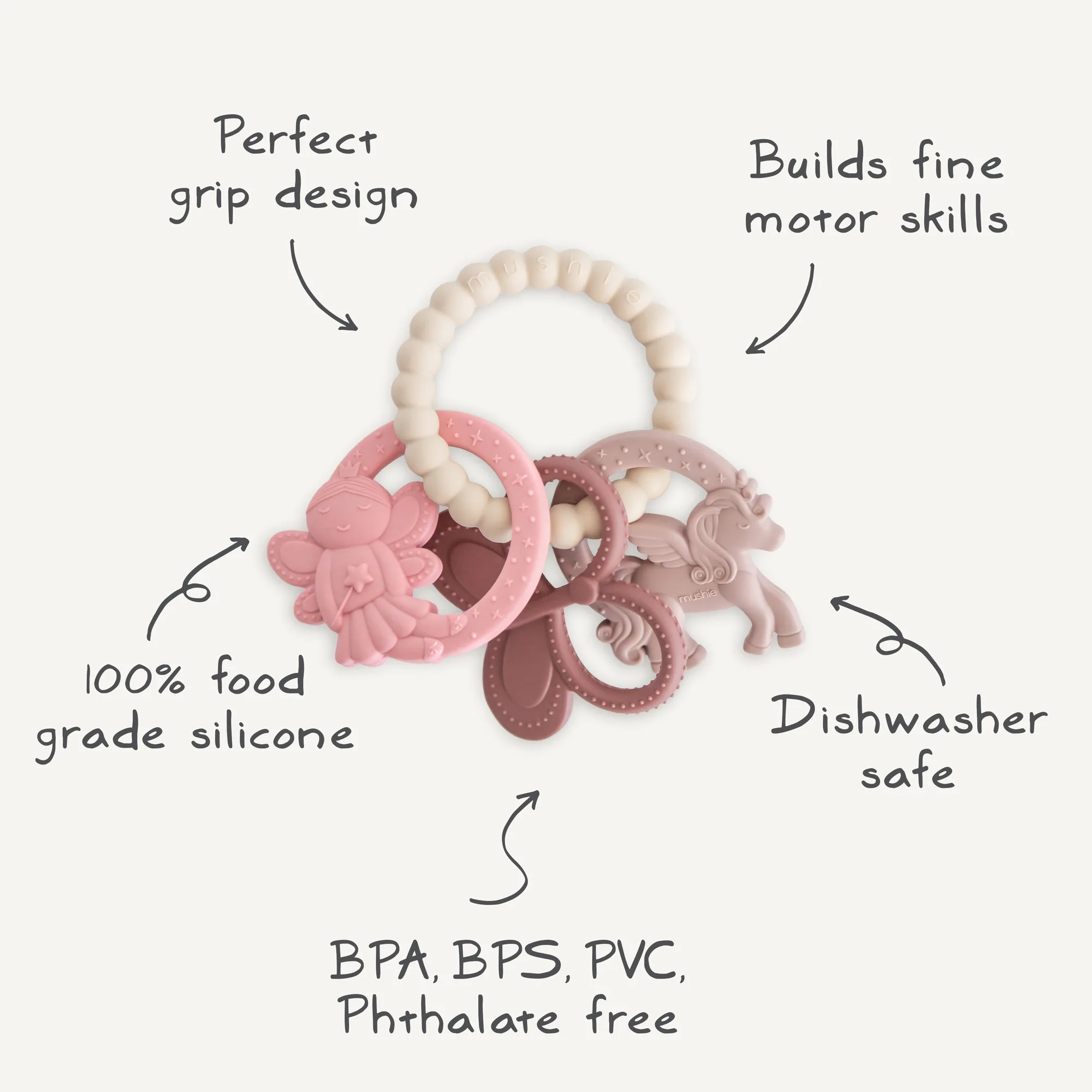
teething ring
- Teething mittens are ideal for babies who can't yet grasp objects firmly.
- Chilled washcloths or silicone teethers provide gentle numbing relief.
- Never freeze teething toys; extreme cold can harm gums.
Stage 2: Active Teething (8-12 Months) – Safe Teething Toys and Natural Rubber Options
As your baby becomes more mobile and dexterous, they can benefit from a variety of teething toys designed to massage sore gums. Natural rubber teethers are a popular choice because they are soft, flexible, and free from harmful chemicals like BPA, phthalates, and PVC. The FRIGG Rope Natural Rubber Pacifier 2-Pack offers a dual function: a pacifier for comfort and a textured rope handle for chewing, making it a versatile tool for this stage.
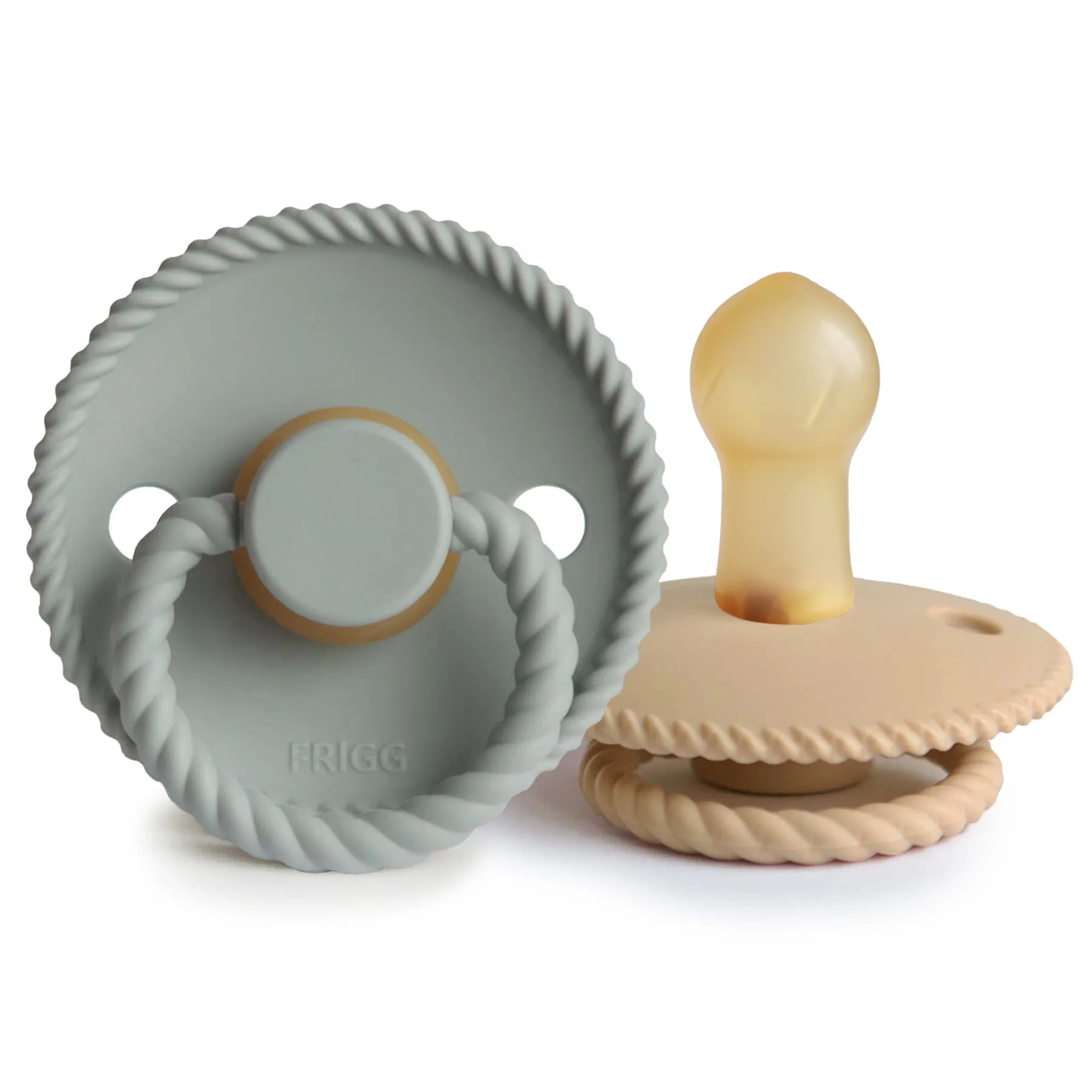
FRIGG Rope Natural Rubber Pacifier 2-Pack
Another excellent option is the Bear Teether, which is made from food-grade silicone and has multiple textures to stimulate gums. These toys can be refrigerated for extra soothing power. At this stage, you can also introduce silicone finger puppets for interactive play that doubles as gum massage. Always clean teething toys regularly with warm, soapy water to maintain hygiene.
- Natural rubber and silicone teethers are safe and effective for active teethers.
- Look for toys with varied textures to massage different parts of the gums.
- Chill teethers in the refrigerator (not freezer) for enhanced relief.
Stage 3: Molar Teething (12-24 Months) – Firm Relief and Chilled Treats
The arrival of molars between 12 and 24 months can be particularly painful because these teeth are larger and have broader surfaces. At this stage, babies need firmer relief options. Silicone teethers with ridges or bumps, such as the Shape Sorting Box (which includes teething-friendly pieces), can provide targeted pressure. You can also offer chilled, soft foods like refrigerated cucumber sticks or banana slices if your baby is eating solids.
For toddlers who are ready for more independent chewing, consider chilled silicone teethers or a water-filled teething ring that can be refrigerated. Avoid hard plastic toys that could break or cause injury. Always supervise your child during teething play, and consult your pediatrician if symptoms like fever or diarrhea persist, as these may indicate illness rather than teething.
- Firm silicone teethers with ridges help massage molars effectively.
- Chilled soft foods can be soothing for toddlers who are eating solids.
- Monitor for signs of illness; teething does not typically cause high fever.
Additional Tips for Soothing Baby Gums Naturally
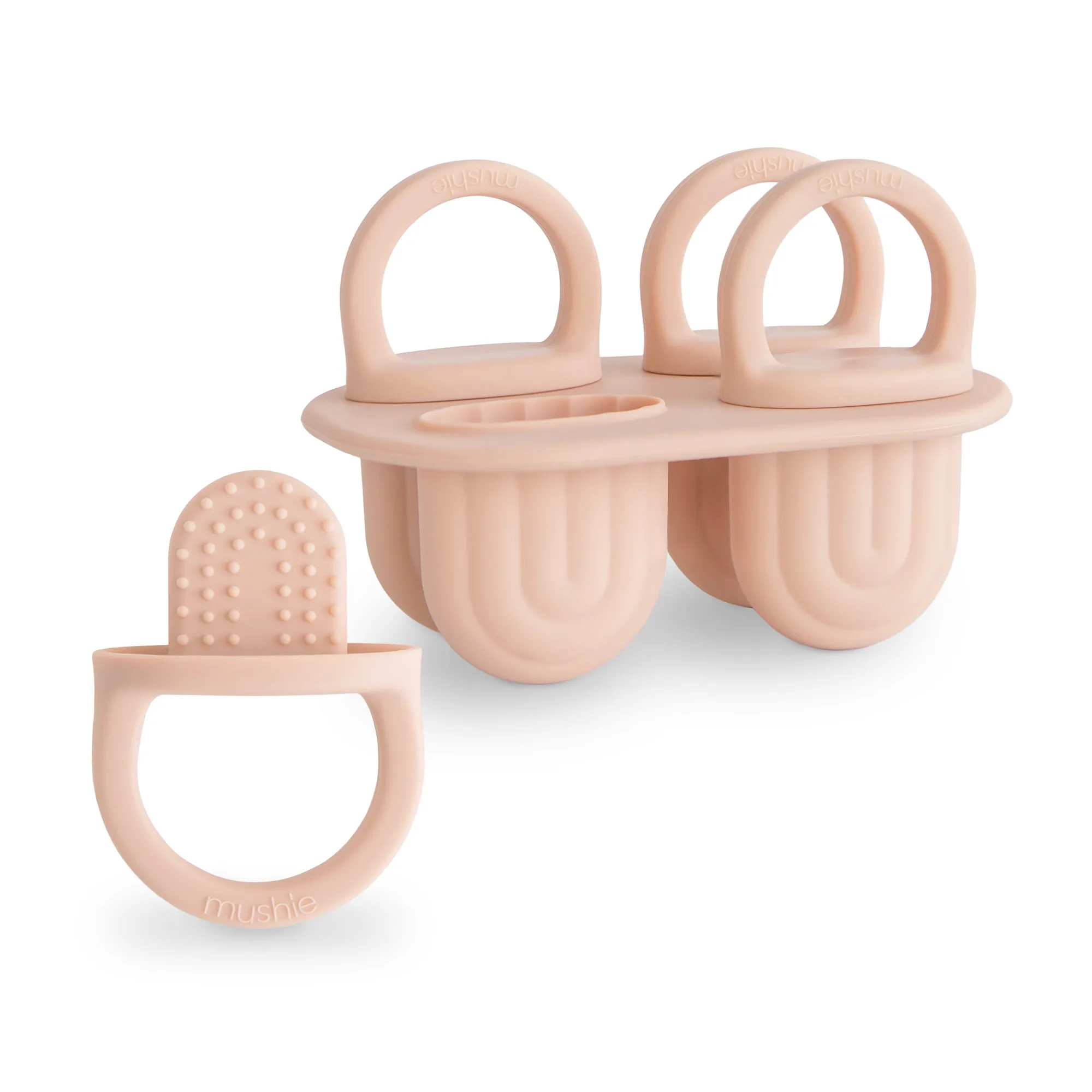
Beyond teething toys, there are several natural methods to alleviate discomfort. Gentle gum massage with a clean finger or a soft, damp cloth can provide immediate relief. You can also use a silicone finger brush designed for babies to massage gums while introducing oral hygiene. For older babies, offering a chilled spoon or a frozen breast milk popsicle (in a safe feeder) can be effective.
Some parents find that amber teething necklaces provide relief, but these are not recommended due to choking and strangulation risks. Always prioritize safety by choosing products that are certified BPA-free, phthalate-free, and designed for your baby's age. The Ribbed Baby Bonnet can help keep your baby comfortable during teething-related fussiness by providing gentle warmth and security.
- Use a clean finger or silicone brush to massage gums gently.
- Avoid amber necklaces; they pose safety hazards without proven benefits.
- Chilled fruits or vegetables in a mesh feeder can be soothing for older babies.
Teething is a natural part of your baby's development, but it doesn't have to be a painful experience for your little one or for you. By understanding the different stages and using safe, effective relief methods—from teething mittens to natural rubber toys—you can help soothe sore gums and bring comfort to your baby. Explore our collection of carefully selected teething products, including the FRIGG Rope Natural Rubber Pacifier 2-Pack, to find the perfect solution for your child's needs.