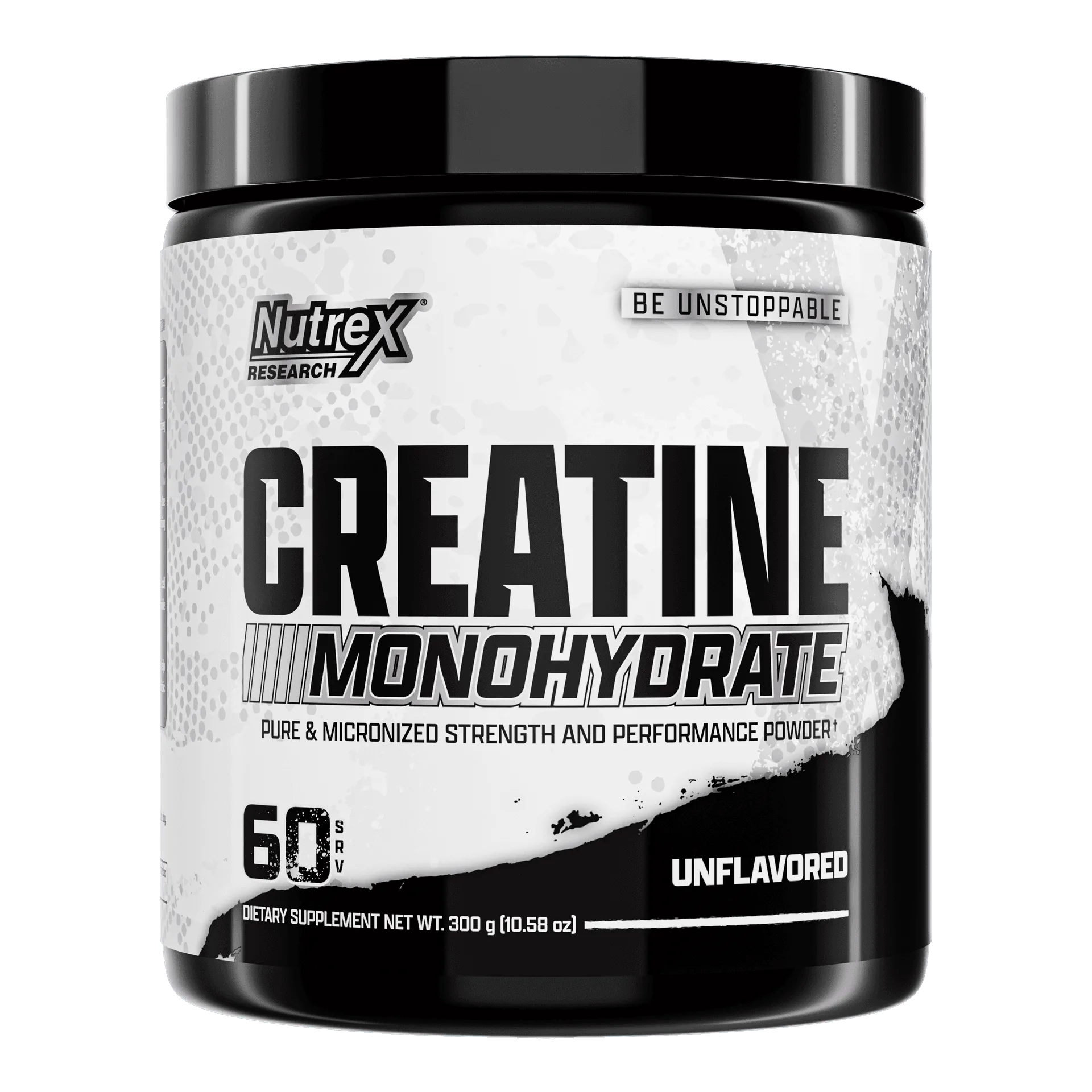
Creatine is one of the most researched and effective supplements for building strength and muscle mass. Yet, despite its popularity, many lifters still wonder: is there a best time to take creatine? Should you take it in the morning with your coffee, or at night before bed? Does it matter if you take it before or after your workout?
In this guide, we’ll break down the science behind creatine timing, debunk common myths, and give you a simple, practical schedule that fits your lifestyle. By the end, you’ll know exactly when to take creatine to maximize its benefits—without overthinking it.
Does Creatine Timing Actually Matter?
The short answer: not as much as you might think. Creatine works by saturating your muscles with phosphocreatine, a high-energy compound that helps you produce quick bursts of power. The key is to maintain consistently elevated muscle creatine stores over time, not to time each dose perfectly.
Research shows that total daily intake is far more important than the specific time of day. Whether you take your creatine in the morning, afternoon, or night, as long as you take the recommended dose (typically 3–5 grams per day) consistently, your muscles will reach full saturation within a few weeks. So, the 'best' time is simply the time you’ll remember to take it every day.
- Consistency beats timing—take creatine at the same time daily.
- Total daily dose matters more than the exact hour.
- Don’t stress about missing a dose; just get back on track the next day.
Morning vs. Night: What the Science Says
Some people worry that taking creatine at night could interfere with sleep or cause restlessness. However, creatine is not a stimulant—it doesn’t contain caffeine or other energizing compounds. Unlike pre-workouts like HYDE, creatine won’t keep you awake. In fact, some research suggests creatine may even have a mild calming effect due to its role in brain energy metabolism.
On the other hand, taking creatine in the morning might be convenient because you can pair it with your breakfast or morning routine. There is no evidence that morning intake is superior to evening intake, so choose whichever fits your schedule. The only thing to avoid is taking creatine with large amounts of caffeine, which may slightly reduce its absorption—though this is still debated.
- Creatine is stimulant-free, so it won’t disrupt sleep.
- Morning or night—pick the time you’ll stick with.
- Avoid mixing creatine with high doses of caffeine for optimal uptake.
Before or After Your Workout?
If you’re looking to fine-tune your timing, the pre- and post-workout window is where some evidence suggests a small benefit. A 2013 study found that taking creatine after your workout may lead to slightly greater gains in muscle mass and strength compared to taking it before. However, the difference was modest, and other studies have found no significant difference.
The practical takeaway: if you want to optimize, take your creatine within 30–60 minutes after training, alongside a protein-rich meal or shake. This can help with muscle uptake and recovery. But if you prefer to take it before lifting, don’t worry—you’ll still get the benefits. What matters most is that you get your daily dose.
- Post-workout creatine may offer a slight edge for muscle growth.
- Pair creatine with protein and carbs for better absorption.
- Pre-workout is fine too—just be consistent.
How to Build a Simple Creatine Schedule
The easiest way to make creatine a habit is to link it to an existing routine. For example, you might take your creatine with your morning oatmeal, or right after your evening shower. If you train in the afternoon, consider taking it post-workout. The goal is to make it automatic.
For best results, mix your creatine powder with water or your favorite beverage. Some people prefer to add it to a protein shake for convenience. If you’re using a high-quality product like Creatine Monohydrate, a single scoop (about 5 grams) daily is all you need. You don’t need to load or cycle—just take it every day.
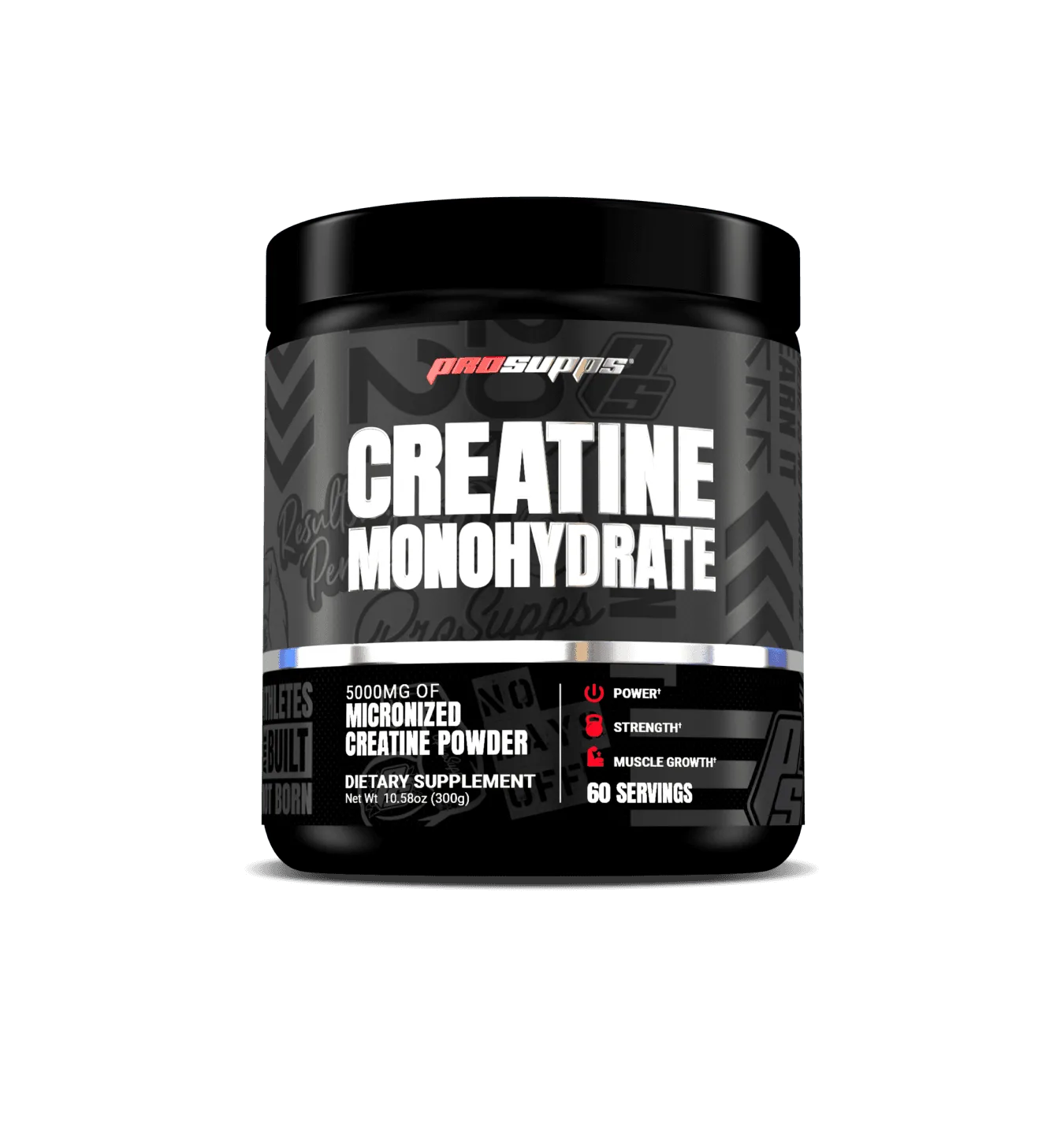
Creatine Monohydrate
- Set a daily alarm or use a pill organizer as a reminder.
- Mix with water, juice, or your post-workout shake.
- Stick with 3–5 grams per day—no loading phase required.
In the end, the best time to take creatine is the time that works for you. Whether you choose morning, night, or after your workout, consistency is the key to unlocking creatine’s full benefits. If you’re ready to start, check out our Creatine Monohydrate for a pure, effective dose that fits any schedule.