Omega-3 fatty acids are among the most popular supplements, celebrated for their benefits to heart, brain, and joint health. But to get the most out of your fish oil, you need to take it at the right time. The timing of your omega-3 dose can significantly affect absorption, reduce potential side effects like fishy burps, and ensure you're actually getting the nutrients your body needs.
In this guide, we'll break down the science of omega-3 absorption, compare morning vs. evening dosing, and give you practical tips to make your supplement routine work for you. Whether you're a seasoned supplement user or just starting, understanding when to take omega-3 fish oil can make a real difference in your results.
Why Timing Matters for Omega-3 Absorption
Omega-3 fatty acids, specifically EPA and DHA, are fat-soluble, meaning they need dietary fat to be absorbed efficiently in your digestive tract. Taking your fish oil with a meal that contains healthy fats can significantly increase its bioavailability. Studies show that when omega-3s are consumed with food, absorption can be up to two to three times higher compared to taking them on an empty stomach.
Additionally, taking omega-3 with a meal can help minimize common side effects like acid reflux, fishy burps, and gastrointestinal upset. The food acts as a buffer, slowing down digestion and allowing the oil to be processed more gently. So, the best time to take omega-3 is with a meal that includes some fat, such as avocado, nuts, or olive oil.
If you're using a high-quality supplement like Fish Oil Omega-3, you'll still want to pair it with food for optimal results. Even the best formulas benefit from the presence of dietary fat.
- Take omega-3 with your largest meal of the day to ensure adequate fat intake.
- Avoid taking fish oil right before or after a workout on an empty stomach.
- If you split your dose, take half with breakfast and half with dinner.
Morning vs. Evening: Which Is Better?
The debate between taking fish oil in the morning or at night often comes down to personal preference and routine. From a scientific standpoint, there is no strong evidence that one time of day is superior for absorption. The key is consistency and taking it with a meal.
Morning dosing can be convenient for those who like to start their day with a supplement routine. It may also help you remember to take it daily. However, some people report that taking fish oil in the morning causes mild indigestion or a fishy aftertaste, which can be off-putting.
Evening dosing might be better for those who experience side effects, as you can take it with dinner and sleep through any potential discomfort. Some research also suggests that omega-3s may support better sleep quality, so taking them at night could be beneficial. Ultimately, choose the time that fits your schedule and allows you to take it consistently with a meal.
If you're also taking other supplements like Magnesium, Zinc & Vitamin D3, you might want to coordinate your times. For example, magnesium is often taken at night for relaxation, while vitamin D3 is best taken with a meal that contains fat. You can take both with dinner to simplify your routine.
- Choose a time you can stick to daily, whether morning or night.
- If you have a sensitive stomach, take omega-3 with dinner to reduce side effects.
- Split your dose (e.g., 1000mg with breakfast, 1000mg with dinner) to improve tolerance.
Should You Take Omega-3 on an Empty Stomach?
Taking omega-3 on an empty stomach is generally not recommended. Without food, the absorption of EPA and DHA is significantly reduced, meaning you're not getting the full benefit of your supplement. Additionally, it can increase the likelihood of fishy burps and nausea, which are common reasons people stop taking fish oil.
If you accidentally take your fish oil on an empty stomach, don't panic. Just have a snack with some healthy fats, like a handful of almonds or a spoonful of peanut butter, to help with absorption. The goal is to avoid making it a habit.
Some people wonder if enteric-coated or delayed-release capsules can be taken on an empty stomach. These are designed to reduce burping, but absorption still improves with food. Always check the label and follow the manufacturer's instructions, but a general rule is to take omega-3 with a meal.
- Have a small snack with healthy fats if you forget to take it with a meal.
- Avoid taking fish oil first thing in the morning before breakfast.
- Consider splitting your dose to make it easier to pair with meals.
Tips for Incorporating Omega-3 into Your Daily Routine
Consistency is key when it comes to reaping the long-term benefits of omega-3s. Here are some practical tips to help you remember and get the most out of your supplement:
First, link your fish oil intake to an existing habit, like brushing your teeth or making coffee. This helps build a routine. Second, keep your bottle visible on the kitchen counter or near your dining area as a reminder. Third, if you have a busy schedule, set a daily alarm on your phone.
If you're new to omega-3s, start with a lower dose and gradually increase to avoid digestive upset. You can also try flavored options like https://nutsrachamps.com/products/super-greens-watermelon-376996Super Greens Watermelon for a different nutrient boost, but remember that omega-3s are fat-soluble and need to be taken with fat.
For those who prefer capsules, Beet Root Capsules can be a good addition to your routine, but be mindful of timing and interactions. Always consult with your healthcare provider before starting any new supplement.
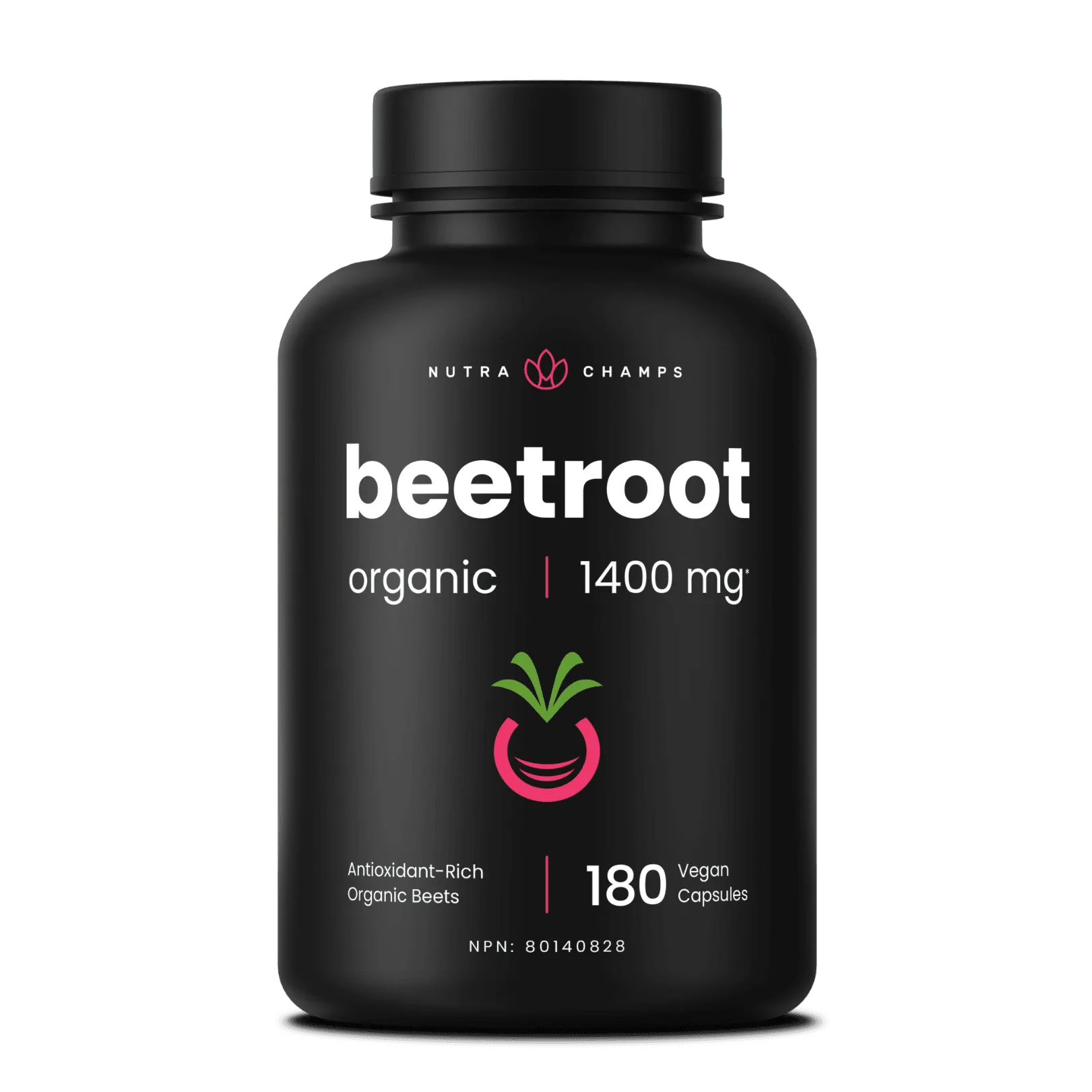
Beet Root Capsules
- Set a daily reminder on your phone for the same time each day.
- Keep your fish oil bottle near your coffee maker or breakfast table.
- Use a pill organizer to track your supplements.
Finding the best time to take omega-3 fish oil is about optimizing absorption and minimizing side effects. The general rule is to take it with a meal that contains healthy fats, whether that's breakfast, lunch, or dinner. Consistency matters more than the specific time of day, so choose a schedule you can stick to. By following these guidelines, you'll get the most out of your omega-3 supplement and support your overall health. If you're looking for a high-quality omega-3 supplement, consider exploring our Fish Oil Omega-3 to start your journey.