Living in a small space doesn't mean you have to give up your love of plants. Wall planters are a brilliant solution for adding greenery without sacrificing precious floor space. Whether you're in a tiny apartment, a studio, or a dorm room, vertical gardening can transform blank walls into living art.
But with so many options available, how do you choose the right wall planter for your needs? This guide will walk you through the key factors to consider—from size and material to installation and drainage—so you can make a smart purchase that fits your space and your plants.
Why Choose Wall Planters for Small Spaces?
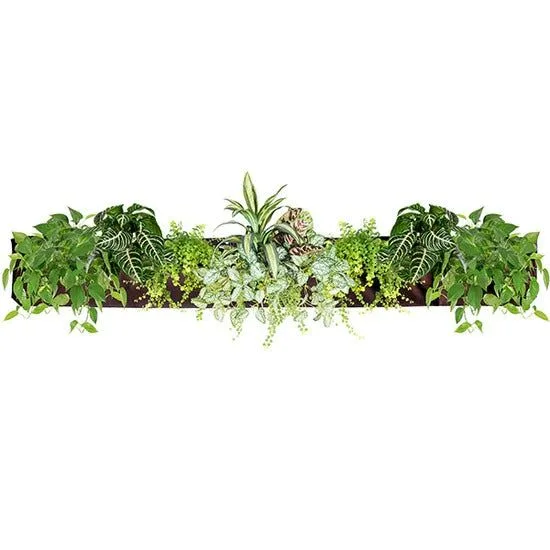
Wall planters are a game-changer for small living areas. They allow you to grow a variety of plants without taking up floor or table space. This is especially valuable in apartments where square footage is at a premium. By going vertical, you can create a lush, green environment that makes your space feel larger and more inviting.
Moreover, wall planters can improve air quality, reduce stress, and add a personal touch to your decor. They are also versatile—you can arrange them in patterns, mix different plant types, and easily update them as your plant collection grows. For renters, many wall planters are lightweight and require minimal drilling, making them a practical choice.
- Maximize floor space by using vertical areas.
- Create a living art piece on empty walls.
- Improve indoor air quality and mood.
Key Factors to Consider When Buying Wall Planters
Size and depth are critical. For small spaces, you want planters that are compact but still provide enough room for root growth. Shallow planters are suitable for herbs and succulents, while deeper ones are needed for trailing plants like pothos or ferns. Measure your wall space and consider the mature size of the plants you plan to grow.
Material matters for both aesthetics and durability. Options include ceramic, plastic, metal, and fabric. Ceramic planters like the Eco Stone Wall Planter offer a natural, textured look that blends well with any decor, but they are heavier and may require sturdy wall anchors. Plastic and resin planters are lightweight and easy to install, making them ideal for renters. Metal planters are sleek but can heat up in direct sunlight, potentially harming roots.
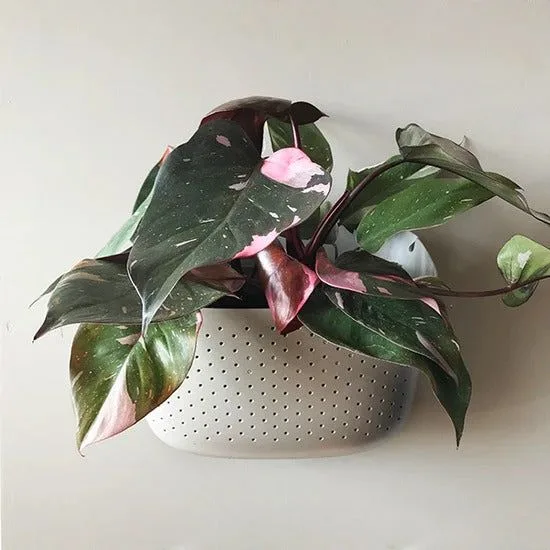
Eco Stone Wall Planter
- Measure your wall space and plant sizes before buying.
- Choose materials that match your decor and installation method.
- Consider the weight of the planter and your wall type.
Types of Wall Planters for Compact Living
There are several styles of wall planters that work well in small spaces. Pocket planters, such as the Pocket 3 Chocolate Wall Planter, are great for herbs and small foliage. They are typically lightweight and can be hung on a single hook or rail, making them perfect for kitchens or balconies.
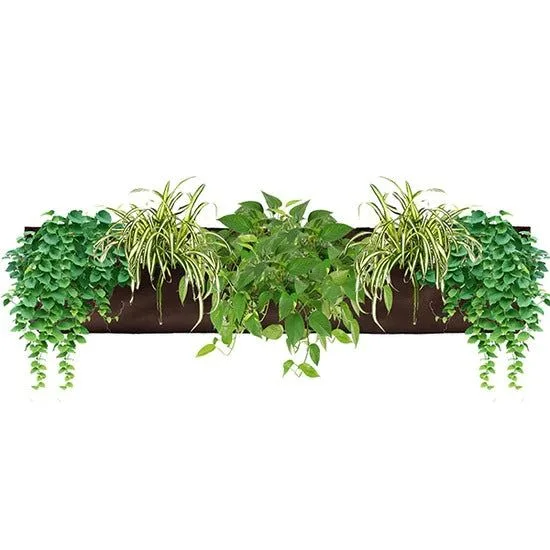
Pocket 3 Chocolate Wall Planter
Hanging planters like the Loop Yellow Hanging Planter or Loop Rose Hanging Planter add a touch of color and can be suspended from ceilings or wall-mounted brackets. They are excellent for trailing plants and can be grouped to create a cascading effect. For a more permanent installation, wall-mounted planters with a built-in drainage system are ideal, but they require more effort to install.
- Pocket planters are perfect for herbs and small plants.
- Hanging planters add visual interest and save even more space.
- Wall-mounted planters with drainage are great for larger plants.
Installation Tips for Small Space Wall Planters
Proper installation is crucial to ensure your wall planters are safe and secure. First, locate wall studs using a stud finder. If you can't find a stud, use heavy-duty wall anchors designed for the weight of your planter and plants. For lightweight planters, adhesive hooks or Command strips can work, but they may not hold up over time with heavier plants.
Consider the amount of sunlight your wall receives. Most edible plants and flowering species need at least 6 hours of light, so choose a wall that gets adequate sun. If your space lacks natural light, consider supplementing with grow lights. Also, think about access for watering—make sure you can easily reach the planters without a ladder.
- Use a stud finder to locate secure mounting points.
- Choose the right anchors for your wall type.
- Ensure adequate light and easy access for maintenance.
Best Plants for Wall Planters in Small Spaces
Not all plants thrive in wall planters, so choose species that are well-suited to the shallow soil and vertical orientation. Herbs like basil, thyme, and mint are excellent choices because they have shallow roots and provide culinary benefits. Succulents and air plants are also great—they require minimal water and come in a variety of shapes and colors.
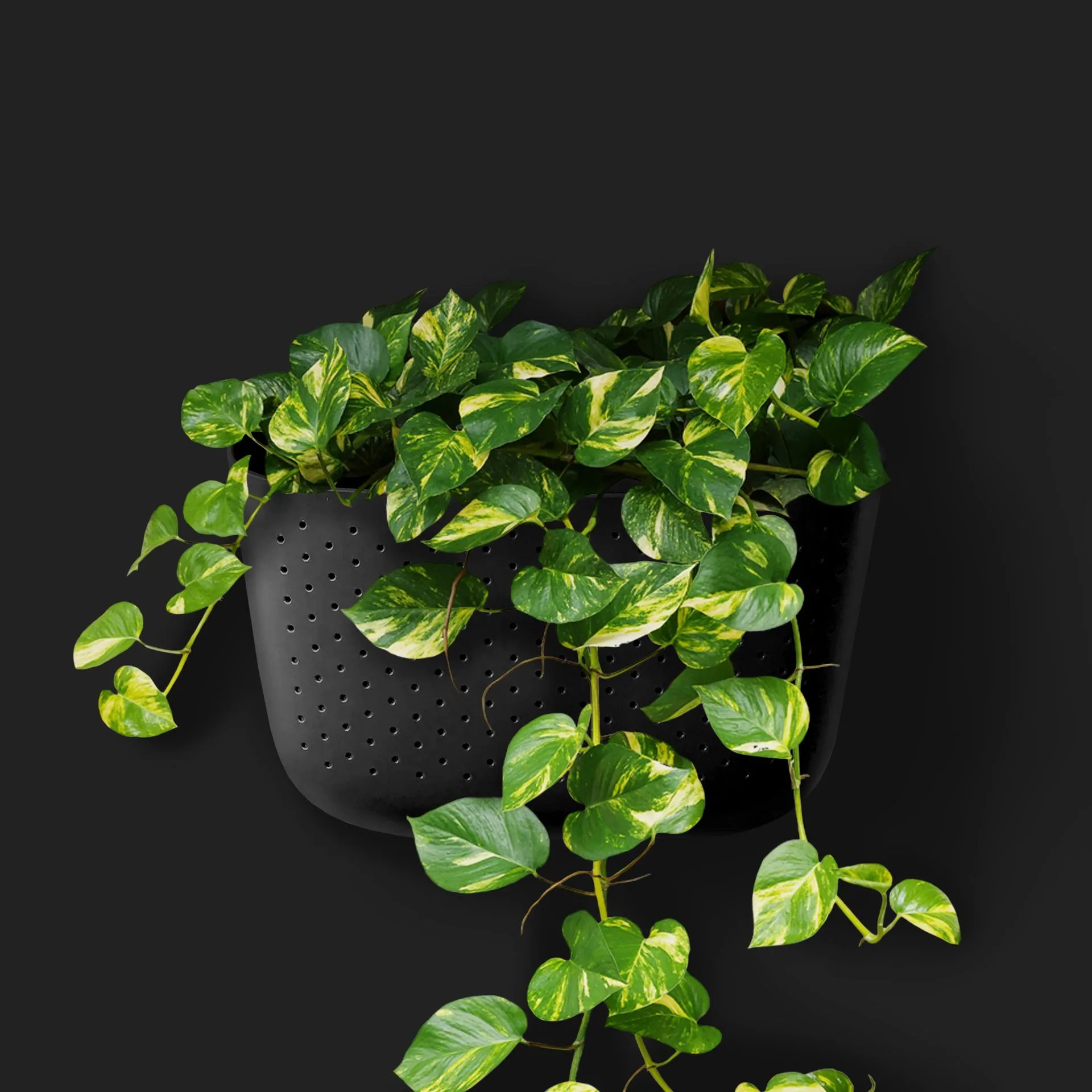
Trailing plants such as pothos, string of pearls, and ferns are perfect for hanging planters, as they cascade beautifully. For a pop of color, consider flowering annuals like petunias or begonias. Just be mindful of the light requirements and watering needs of each plant to ensure they thrive in your specific environment.
- Herbs and succulents are low-maintenance and compact.
- Trailing plants create a lush, cascading effect.
- Consider light and water needs before selecting plants.
Wall planters are an excellent investment for small spaces, offering both functionality and aesthetic appeal. By considering size, material, installation, and plant selection, you can create a beautiful vertical garden that maximizes your space. Whether you choose a compact pocket planter or a stylish hanging planter, the right choice will bring life to your walls and joy to your home.