Your lips are one of the most delicate parts of your body, with thinner skin and no oil glands to keep them naturally moisturized. That’s why they can easily become dry, flaky, or chapped—especially in changing weather. Exfoliating your lips can help remove dead skin cells, smooth out texture, and make your lip care products work better, but it’s essential to do it correctly to avoid irritation or damage.
In this guide, we’ll walk you through the safest and most effective ways to exfoliate your lips, how often to do it, and what to do after to keep your lips soft and healthy. Whether you’re prepping for a lipstick application or just want to maintain a smooth pout, these tips will help you achieve the best results without harming your delicate lip skin.
Why Exfoliating Your Lips Is Important (and When to Skip It)
Exfoliating your lips removes the buildup of dead skin cells that can make your lips look dull and feel rough. It also helps your lip balms and treatments penetrate more deeply, giving you better hydration and a smoother appearance. Regular gentle exfoliation can also prevent chapped lips from becoming worse by sloughing off flaky patches before they crack.
However, there are times when you should skip exfoliation. If your lips are severely chapped, cracked, or bleeding, exfoliating can worsen the damage and cause pain. In those cases, focus on healing with a nourishing balm and wait until your lips are intact before resuming exfoliation. Also, avoid exfoliating if you have cold sores or any active infection on your lips.
- Exfoliate only when your lips are healthy and free of cracks or sores.
- If your lips are peeling excessively, it may be a sign of irritation—stop exfoliating and hydrate instead.
Gentle Lip Exfoliation Techniques That Work
The key to safe lip exfoliation is gentleness. You don’t need harsh scrubs or aggressive rubbing. One of the simplest methods is to use a soft-bristled toothbrush or a clean, damp washcloth. Gently massage your lips in small circular motions for about 30 seconds, then rinse with lukewarm water. This method is effective for removing dry flakes without putting too much pressure on the skin.
Another popular approach is using a dedicated lip scrub. Look for scrubs with fine, sugar-based granules and nourishing oils like shea butter or jojoba. Apply a small amount to your lips and massage gently for 30–60 seconds, then rinse off with warm water. Avoid scrubs with large, rough particles that can create micro-tears. For a convenient and effective option, you can try the Triple Tub Rub Kit, which includes a gentle body scrub that can also be used on lips if the granules are fine enough—though it's best to use a dedicated lip product for safety.
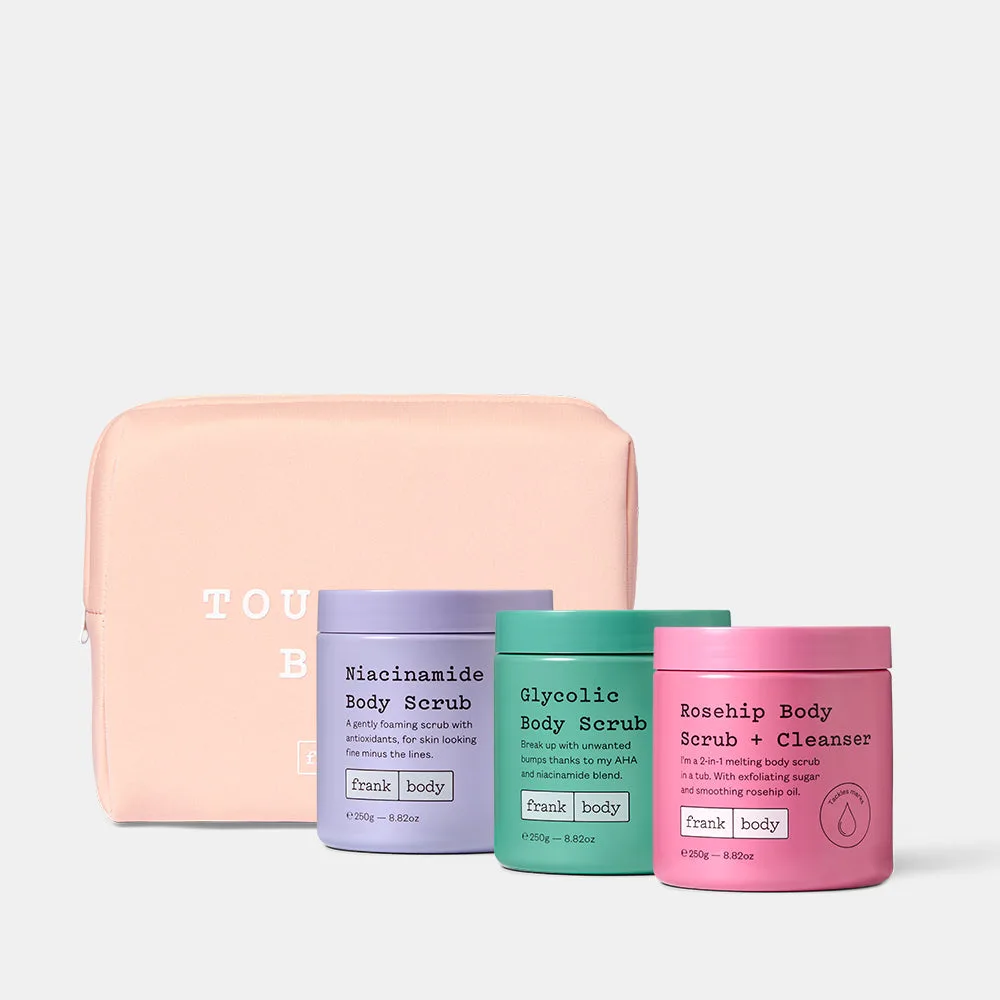
Triple Tub Rub Kit
- Always use gentle pressure—your lips should never feel raw or sore after exfoliation.
- Limit exfoliation to one minute maximum to avoid over-exfoliating.
How Often Should You Exfoliate Your Lips?
The frequency of lip exfoliation depends on your skin type and the condition of your lips. For most people, exfoliating 1–2 times per week is sufficient to maintain smoothness without causing irritation. If your lips are naturally dry or you live in a harsh climate, you might benefit from exfoliating every other day, but always listen to your skin—if it feels sensitive or looks red, reduce the frequency.
Over-exfoliation can strip your lips of their natural moisture barrier, leading to increased dryness and irritation. It’s better to under-exfoliate and rely on daily moisturizing than to overdo it. Remember, your lips regenerate quickly, but they need time to heal between exfoliation sessions. A gentle routine with a nourishing balm afterward is the most effective approach.
- Start with once a week and adjust based on how your lips respond.
- If you use chemical exfoliants (like lip balms with AHA), follow the product instructions and reduce physical exfoliation.
Aftercare: The Secret to Soft, Healthy Lips
Exfoliation is only half the battle—what you do after is crucial for maintaining smooth, hydrated lips. Immediately after exfoliating, apply a rich, nourishing lip balm or treatment to lock in moisture and protect the newly revealed skin. Look for ingredients like ceramides, hyaluronic acid, or shea butter, which help repair the skin barrier and attract hydration.
For an extra boost, consider using a lip treatment like the Barrier Protect Lip Treatment, which is designed to strengthen the lip barrier and provide long-lasting moisture. Additionally, drink plenty of water throughout the day and avoid licking your lips, as saliva can dry them out further. A consistent aftercare routine will keep your lips soft and prevent future flakiness.
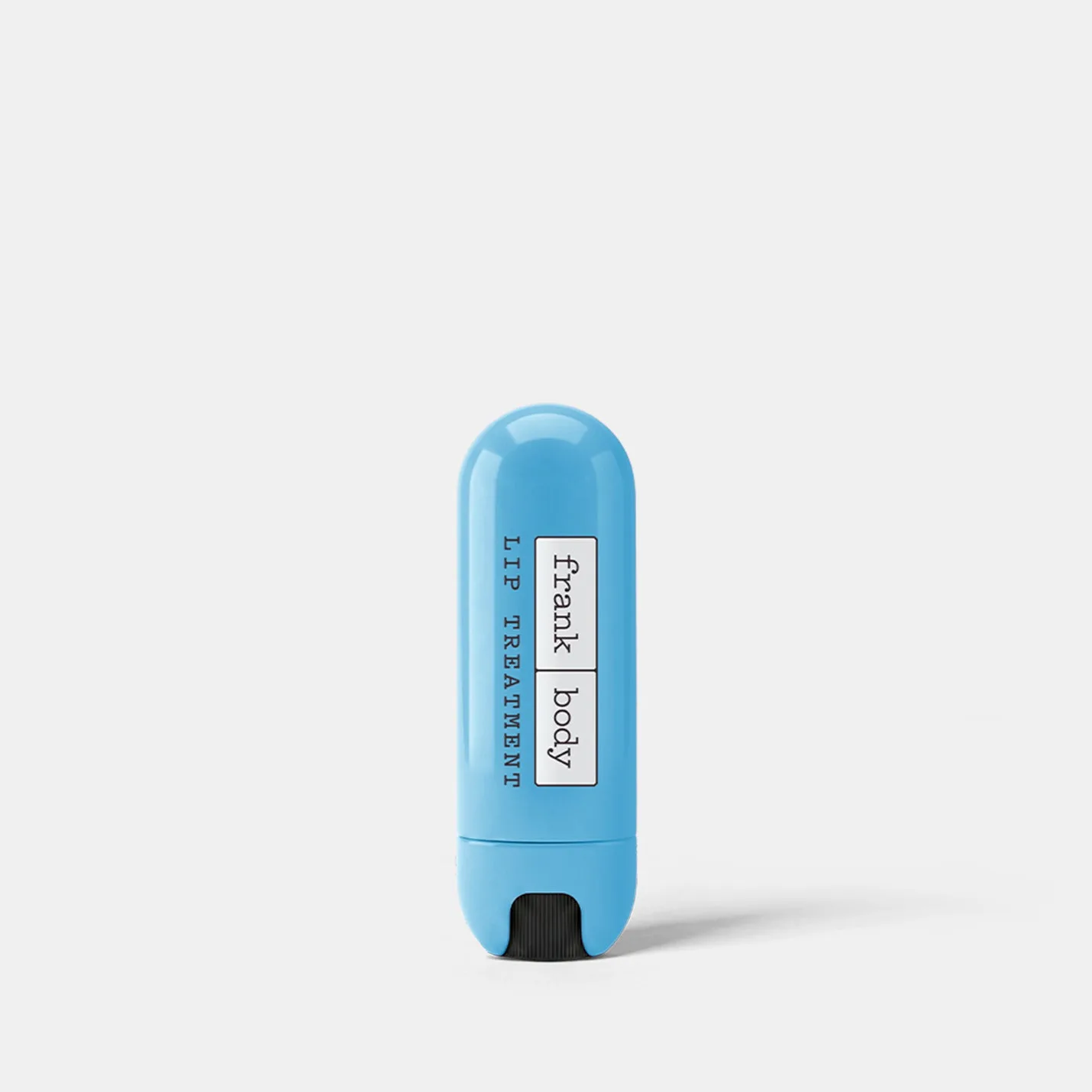
Barrier Protect Lip Treatment
- Apply lip balm immediately after exfoliating and reapply throughout the day.
- Use a humidifier in dry environments to maintain lip hydration.
Common Mistakes to Avoid When Exfoliating Your Lips
Many people unknowingly damage their lips while trying to exfoliate. One common mistake is using too much pressure or scrubbing too vigorously, which can cause micro-tears and inflammation. Another is exfoliating when your lips are already chapped or cracked, which can worsen the condition. Always ensure your lips are healthy before exfoliating.
Avoid using DIY scrubs with harsh ingredients like baking soda or coarse salt, as they can be too abrasive for the delicate lip skin. Also, don’t forget to moisturize after exfoliating—skipping this step can leave your lips feeling tight and dry. By avoiding these pitfalls, you’ll enjoy the benefits of exfoliation without the risk of damage.
- Never exfoliate dry lips—always wet them slightly first.
- Don’t use lip scrubs with large, jagged particles.
The Role of Lip Balms and Treatments in Lip Care
While exfoliation removes dead skin, lip balms and treatments are essential for keeping your lips healthy and preventing future dryness. Look for products that contain humectants like hyaluronic acid to draw moisture in, and occlusives like beeswax or petrolatum to seal it in. Ceramides are also beneficial for repairing the skin barrier, which is especially important after exfoliation.
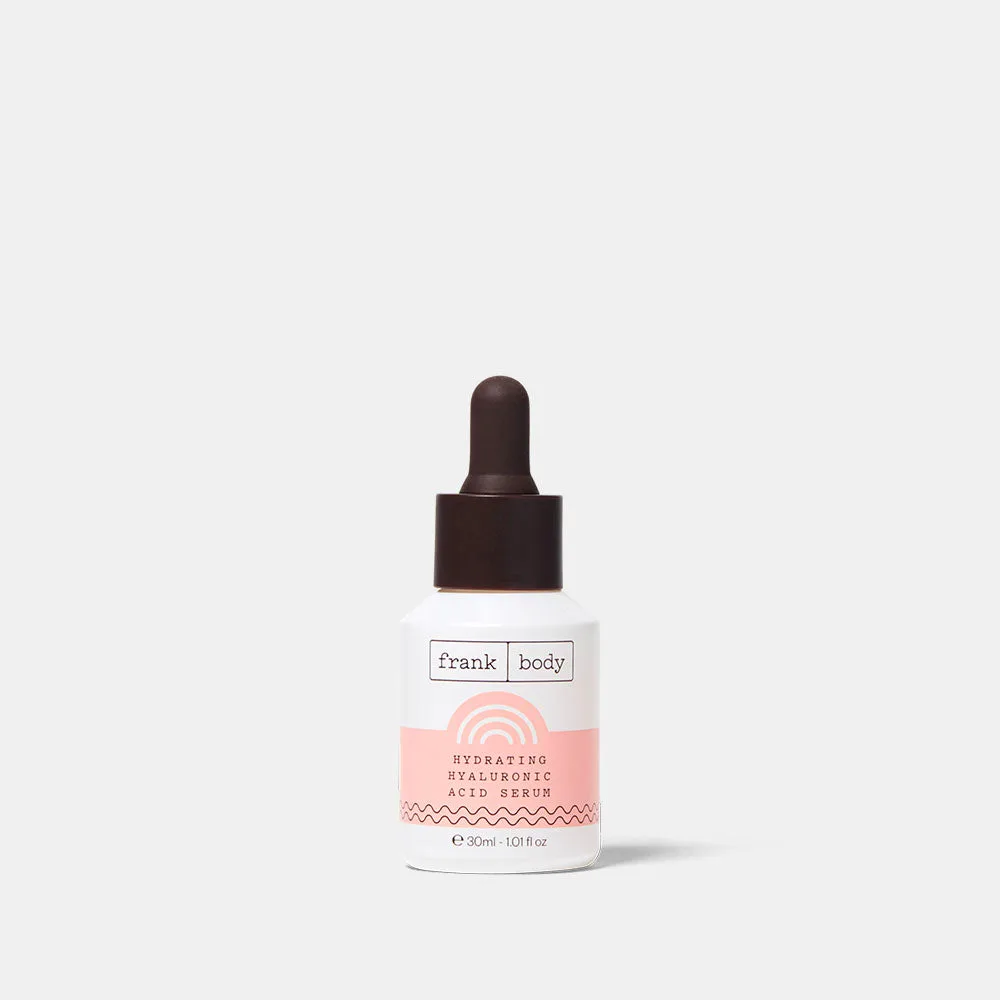
Incorporate a lip treatment into your daily routine, not just after exfoliating. For example, using a product like the Hydrating Hyaluronic Acid Serum on your lips (if safe) can provide intense hydration, but always check the label for lip-safe ingredients. A dedicated lip balm with SPF during the day can also protect your lips from sun damage, which is a common cause of dryness and premature aging.
- Choose lip balms with SPF for daytime protection.
- Layer a hydrating serum under your balm for extra moisture.
Exfoliating your lips doesn’t have to be risky. By using gentle techniques, sticking to a safe frequency, and following up with nourishing aftercare, you can keep your lips smooth, soft, and healthy. Remember to listen to your skin and adjust your routine as needed. For a complete lip care experience, try the Barrier Protect Lip Treatment to lock in moisture and protect your delicate lip skin.