Are Beta Hydroxy Acid and Salicylic Acid the Same Thing?
If you've shopped for a cleanser that promises to unclog pores and smooth skin, you've likely seen both "beta hydroxy acid" and "salicylic acid" on ingredient lists. A common belief is that they are completely different compounds with separate jobs. In reality, salicylic acid is the most widely used type of beta hydroxy acid (BHA). So when a product says "beta hydroxy acid," it almost always means salicylic acid. The key difference lies in how the ingredient is formulated and what the product is designed to do.
How BHA Works in a Daily Cleanser
-
Neutrogena Deep Clean Daily Facial Cleanser with Beta Hydroxy Acid for Normal to Oily Skin, Alcohol-Free, Oil-Free & Non-Comedogenic, 6.7 fl. oz: Neutrogena Deep Clean Daily Facial Cleanser uses beta hydroxy acid to remove dead surface skin that can dry and dull your complexion. This confirms that the BHA in this cleanser is acting as a chemical exfoliant, not just a deep cleaner. It helps reveal fresher skin without the need for a separate scrub or peel.
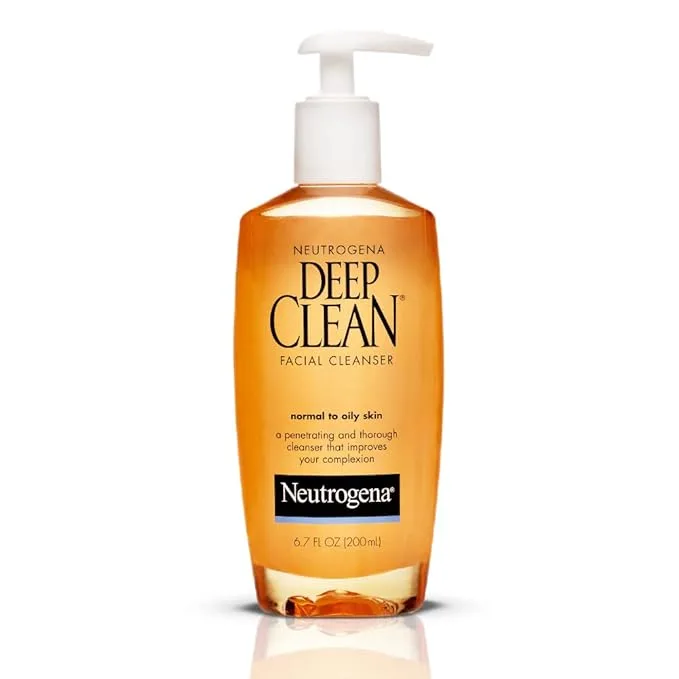
Neutrogena Deep Clean Daily Facial Cleanser with Beta Hydroxy Acid for Normal to Oily Skin, Alcohol-Free, Oil-Free & Non-Comedogenic, 6.7 fl. oz
-
Neutrogena Deep Clean Daily Facial Cream Cleanser with Beta Hydroxy Acid to Remove Dirt, Oil & Makeup, Alcohol-Free, Oil-Free & Non-Comedogenic, 7 fl. oz: Neutrogena Deep Clean Daily Facial Cream Cleanser also uses beta hydroxy acid to remove dead surface skin that can dry and dull your complexion. The cream version offers the same exfoliating benefit in a richer texture, which may suit normal-to-dry skin better than the gel formula.
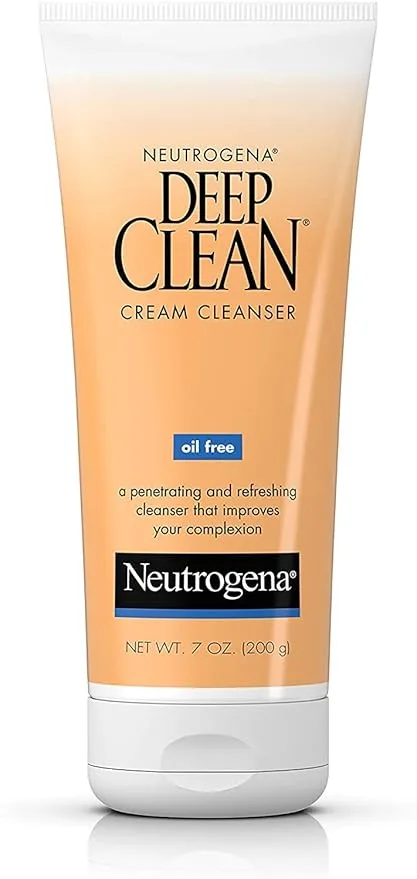
Neutrogena Deep Clean Daily Facial Cream Cleanser with Beta Hydroxy Acid to Remove Dirt, Oil & Makeup, Alcohol-Free, Oil-Free & Non-Comedogenic, 7 fl. oz
Myth: BHA Cleansers Are Harsh and Drying
Because salicylic acid is known for treating acne, some assume that any cleanser with BHA will strip the skin and cause dryness. The supplied evidence for both Neutrogena Deep Clean cleansers shows they are formulated to avoid that. Both are alcohol-free, oil-free, and non-comedogenic. The gel version is described as "dermatologist-tested" and the cream cleanser is explicitly stated to be "alcohol-free and oil-free, so it won't dry your skin or leave behind pore-clogging residue." These details suggest that a well-formulated BHA cleanser can exfoliate without over-drying.
BHA Cleanser vs. Standalone Salicylic Acid Treatment
Choosing between a BHA cleanser and a leave-on salicylic acid product depends on your routine and skin tolerance. A cleanser like Neutrogena Deep Clean washes off quickly, so the exfoliating effect is milder and less likely to cause irritation for daily use. A leave-on treatment stays on the skin longer and delivers a stronger exfoliation, which may be better for stubborn breakouts but can be too harsh for sensitive skin. If you are new to chemical exfoliation or want a simple step, a BHA cleanser is a practical starting point.
- BHA Cleanser (e.g., Neutrogena Deep Clean): Mild exfoliation, used daily, washes off. Good for maintenance and gentle resurfacing.
- Leave-on Salicylic Acid Treatment: Stronger exfoliation, used as a serum or spot treatment. Better for active acne but may cause dryness if overused.
How to Choose Between the Two Neutrogena BHA Cleansers
Both the Neutrogena Deep Clean Daily Facial Cleanser (gel) and the Deep Clean Daily Facial Cream Cleanser share the same core BHA exfoliation story, but their textures suit different skin types. The gel version (6.7 fl. oz) is formulated for normal-to-oily skin and cleans deep down into pores to dissolve dirt, oil, and makeup. The cream version (7 fl. oz) is described as "clean-rinsing" and also goes deep into pores, but its cream base may feel more comfortable for normal or combination skin that prefers a richer lather. Neither contains alcohol or oil, so both are non-drying options.