Quick answer
Start with the DVD, then pick three tricks that use different skills, and rehearse them in the exact order you will perform them. The Big Box of Magic includes 25 tricks, so your first show should be short and repeatable rather than long and risky. Practice each trick until you can do it while talking, then run the full set three times in a row without stopping.
What is actually in the box
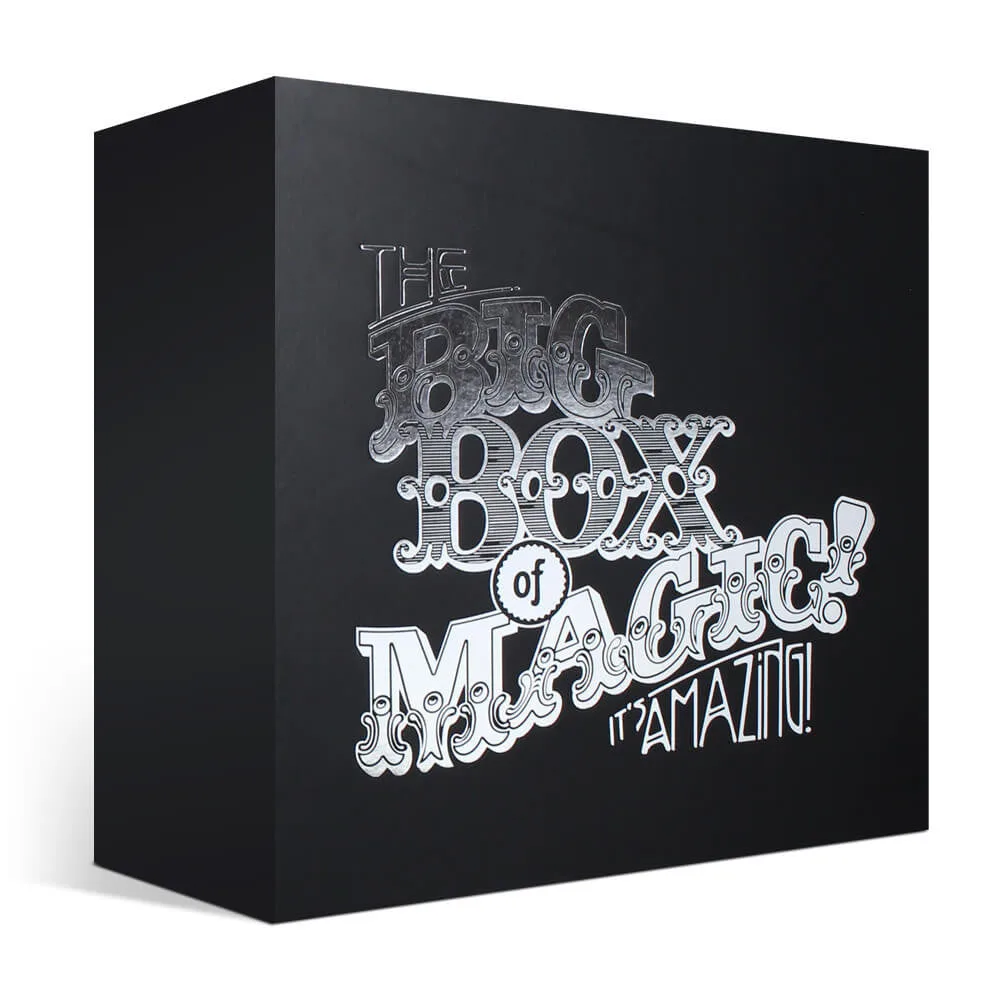
The Big Box of Magic is a magic kit for kids and beginners that comes with 25 tricks and a DVD instructional video. The age guidance is 8 and up with adult supervision, and the box includes the matches needed for at least one trick. The time to play varies because it depends on how many tricks you choose to learn and perform. That open-ended format is a strength for a first show: you can build a five-minute routine or a twenty-minute one from the same kit.
How to structure a first routine
A common mistake is trying to perform all 25 tricks in one go. Instead, group them into three slots: an opener that grabs attention, a middle trick that involves the audience, and a closer that ends cleanly. The DVD is your map for which tricks fit each slot, but you still need to test the transitions between them. If a trick requires a reset or a prop you cannot reach quickly, either move it earlier or cut it.
Your step-by-step first show plan
- Watch the DVD once without practicing: Play the instructional DVD from start to finish before you touch any props. Watch how the performer holds their hands, where they look, and how they pause. Do not try to mimic anything yet. Checkpoint: you should be able to name three tricks that looked fun and three that looked confusing.
- Pick three tricks that use different skills: Choose one trick based on misdirection, one based on a secret move, and one based on a prop or puzzle. This variety keeps your show from feeling repetitive and stops you from over-practicing a single hand motion. Common mistake: picking three tricks that all require the same sleight, which makes your whole routine feel like one long repetition.
- Practice each trick alone until it is boring: Run one trick ten times in a row without an audience. If you make a mistake, restart the count. The goal is not excitement; it is so familiar that you can do it while explaining what you are doing. Checkpoint: you can perform the trick while saying a full sentence out loud without losing the method.
- Rehearse the transitions, not just the tricks: Put your three tricks in order and practice moving from one to the next. Decide where you will put the used prop, what you will say between tricks, and where you will stand. The DVD shows the tricks, but you have to build the links. Common mistake: practicing tricks in isolation and then freezing when you have to reset between them.
- Run the full set three times in a row: Perform your complete routine three times without stopping, even if you make a mistake. Keep going and recover in the moment. This builds the habit of staying in character instead of apologizing. Checkpoint: if you can finish three full runs, you are ready for a small audience.
- Do a test show for one person: Perform for a single friend or family member before a group. Ask them to watch silently and tell you afterward which moment was clearest and which was confusing. Adjust your pacing based on that feedback. Common mistake: asking for feedback during the show, which breaks the performance and makes you lose your place.
- Keep the first show under five minutes: A short show that ends while the audience still wants more is better than a long one with dead spots. Use the variable time to play as permission to stop early. You can always add a fourth trick once the first three feel automatic. Next step: after two successful short shows, add one new trick from the box and rehearse it into the middle of your routine.
Product facts
- The Big Box of Magic: Includes 25 tricks right out of the box with a DVD instructional video. You can learn at home without buying extra props, and the DVD gives you a visual reference for each trick before you practice.
- The Big Box of Magic: Number of Players: 2+; Age Group: 8+ with adult supervision; matches included in box. It works as a solo practice kit or a shared activity, but an adult should handle the matches and supervise younger performers.