Biking with your dog is an exhilarating way to combine exercise and adventure. Whether you're a seasoned cyclist or a weekend warrior, bringing your furry friend along can strengthen your bond and keep both of you active. However, safety is paramount. Choosing the right biking kit for your dog is not just about comfort—it's about ensuring a secure and enjoyable experience for both of you.
In this buying guide, we'll walk you through the essential components of a dog biking setup, from harnesses and leashes to protective gear. We'll also highlight key features to look for and common mistakes to avoid. By the end, you'll be equipped to make an informed decision that prioritizes your dog's safety and your peace of mind.
Why a Dedicated Biking Kit Matters
When you bike with your dog, standard walking gear often falls short. A regular collar and leash can cause choking, tangling, or even injury if your dog pulls or veers suddenly. A dedicated biking kit is designed to handle the unique demands of cycling, providing better control, shock absorption, and safety features.
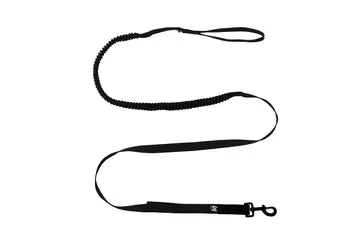
For instance, a proper harness distributes pressure evenly across your dog's chest and back, reducing strain on the neck. A bungee leash, like the Bungee Leash, absorbs sudden jerks and prevents jarring impacts. These components work together to create a system that is both safe and comfortable for your dog.
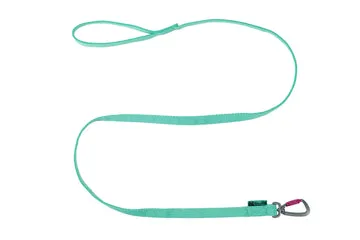
bungee leash
- Prevents choking and neck injuries
- Reduces sudden pulls and jerks
- Keeps your dog close to the bike without tangling
Key Components of a Dog Biking Kit
A typical biking kit includes a harness, a leash with shock absorption, and sometimes additional safety gear like a mount for your bike. Each piece plays a crucial role in ensuring a smooth ride.
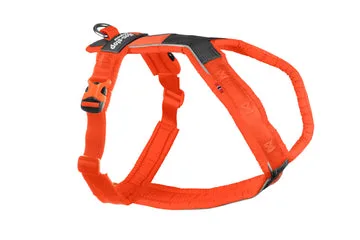
The harness is the foundation. Look for one that is well-padded and fits snugly but not too tight. The https://waggygoai.com/products/line-harness-5-292995Line Harness 5 is a popular choice for its durability and comfort, featuring multiple adjustment points for a custom fit. It's designed to handle the rigors of biking and running, making it a versatile option.
The leash is equally important. A bungee leash, such as the Bungee Leash, is a must-have. It stretches to absorb impact, preventing sudden tugs from pulling you off balance. This is especially useful when your dog spots a squirrel or another dog and lunges unexpectedly.
- Look for a harness with a handle for extra control
- Choose a bungee leash with reflective stitching for visibility
- Ensure the leash is long enough to allow freedom but short enough to keep your dog safe
Safety Features to Look For
Safety should be your top priority when selecting a biking kit. Consider features like reflective materials, quick-release buckles, and additional padding to protect your dog in case of a fall.
Reflective elements are crucial, especially if you ride in low-light conditions. The https://waggygoai.com/products/protector-neoprene-vest-light-293098Protector Neoprene Vest Light offers excellent visibility with its bright color and reflective strips. It also provides extra warmth and protection, making it ideal for cooler weather rides.
Another essential safety item is a bike attachment that keeps the leash securely connected to your bike. The Biking Kit Klickfix Teal includes a specially designed mount that attaches to your bike's frame, ensuring the leash stays out of the wheels and prevents tangling.
- Always use a bike mount to keep the leash away from wheels
- Choose gear with reflective elements for visibility
- Consider a safety flag or bell to alert others
Choosing the Right Size and Fit
A proper fit is essential for both comfort and safety. Measure your dog's chest girth and neck circumference to find the right size. Most brands offer size charts, so be sure to check them before purchasing.
The Line Harness 5 comes in multiple sizes and is adjustable, making it easy to achieve a perfect fit. A well-fitted harness should allow you to slip two fingers between the harness and your dog's body. It should not chafe or restrict movement.
If your dog is between sizes, it's usually better to size up and adjust, as a too-tight harness can cause discomfort and even injury. Always try the harness on your dog and do a few practice runs before heading out on a long ride.
- Measure your dog's chest and neck before buying
- Check the brand's size chart and read reviews
- Adjust straps for a snug but comfortable fit
Training Your Dog for Biking
Even with the best gear, your dog needs to learn how to run alongside a bike safely. Start with short, slow rides to get your dog accustomed to the movement and sound of the bike. Use positive reinforcement to reward calm behavior.
Practice commands like 'leave it' and 'stop' to maintain control. Consistency is key. Over time, your dog will learn to stay at a steady pace and avoid sudden movements.
Remember, not all dogs are suited for biking. Brachycephalic breeds (like pugs) and very young or old dogs may struggle. Always consult your vet before starting a new exercise routine.
- Start with short, low-intensity rides
- Use treats and praise to reinforce good behavior
- Gradually increase distance and speed
Choosing the right biking kit for your dog is an investment in safety and enjoyment. By focusing on a quality harness, a shock-absorbing leash, and essential safety features, you'll be well on your way to countless happy rides together. Remember to prioritize fit and training, and always put your dog's comfort first.