Quick Answer
Using a binder for planner inserts gives you a reusable, protective system that lets you rearrange pages whenever you need. It safeguards paper from wear, keeps everything in one place, and makes it easy to add or remove sections as your schedule changes.
A binder turns a loose collection of planner inserts into a single, organized unit. By punching holes in your inserts or using pre‑perforated pages, you can slide them into a sturdy three‑ring system that stays closed, reducing the chance of lost or torn pages. This method also supports the primary keyword "binder benefits planner inserts faq" by directly answering why many planners prefer binders.
Beyond protection, a binder offers flexibility. You can swap out monthly spreads, add extra habit trackers, or insert themed sticker sheets without committing to a bound notebook. Pairing a binder with the right stickers makes labeling and customizing a breeze, and the following tips will help you get the most out of this setup.
How does a binder protect planner inserts?
A three‑ring binder provides a physical barrier that keeps each insert flat and secure. The rings hold the pages together, preventing them from shifting or slipping out of the planner when you move the book around. This reduces wear on the edges and protects against spills, especially when using waterproof vinyl stickers.
Because the binder’s cover is often made of thicker material, it shields the first and last pages from bending. If you use removable stickers, the binder’s sturdy spine ensures the pages stay aligned, so stickers stay where you place them.
- Choose a binder with sturdy rings (minimum 1/4" diameter) for heavier sticker sheets.
Can I customize layouts with a binder?
Absolutely. Since each insert is a separate sheet, you can rearrange them to match your monthly priorities, add new sections, or replace outdated pages without discarding the whole planner. This modularity works well with themed sticker packs, allowing you to label weeks, moods, or events on the fly.
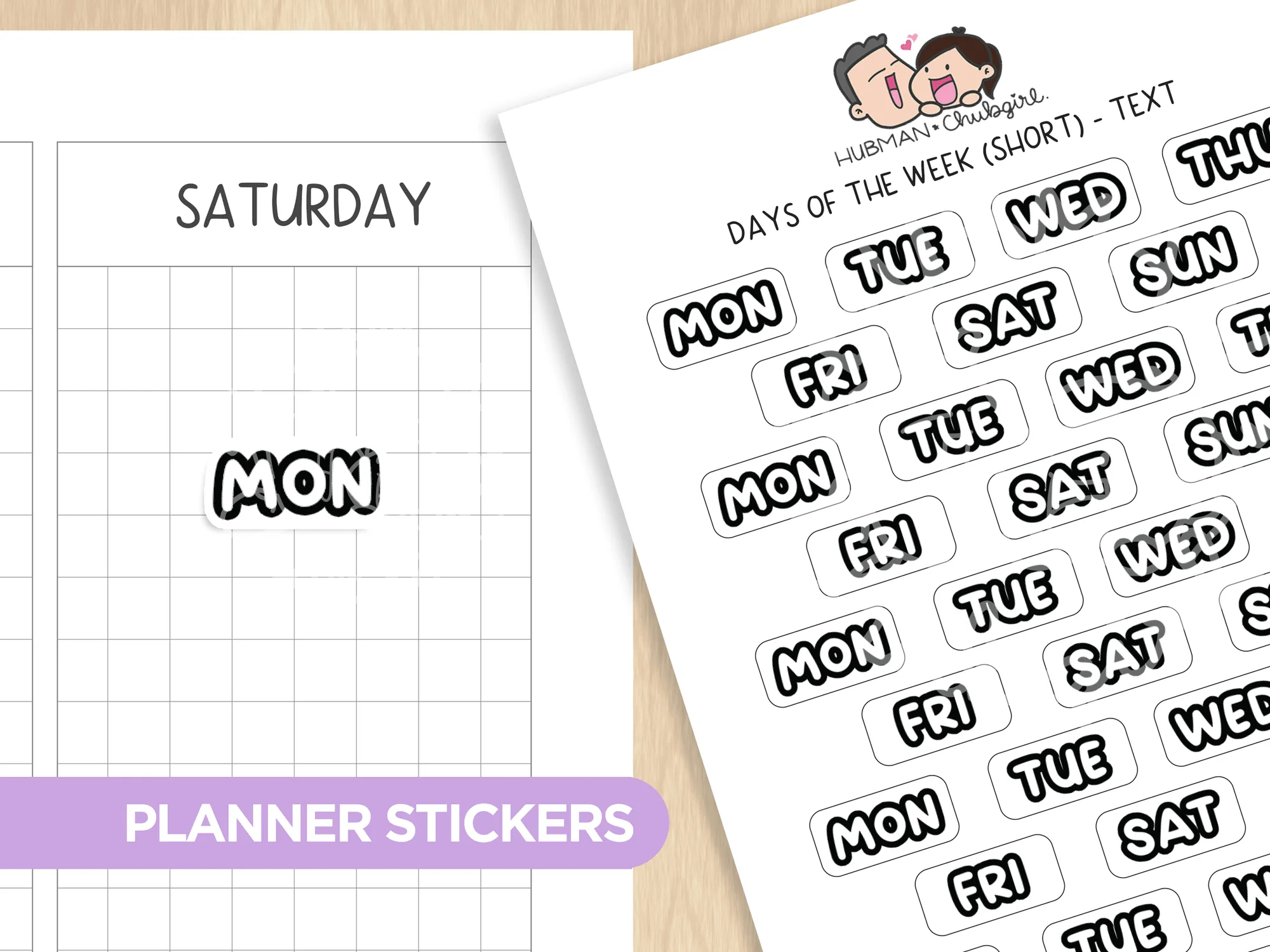
For example, using text stickers like the Days of the Week (Short) – Text Planner Stickers lets you quickly add consistent headers to any page, while mood stickers such as I’m Sad Planner Stickers add personality without permanent ink.
- Use 3.5" x 5" sticker sheets—they fit most binder pages perfectly.
FAQ Summary
Key Takeaway
A binder protects inserts, offers easy re‑ordering, and works with a wide range of stickers. Consider a binder as the foundation of a flexible planner system.
Next Step
Choose a binder with sturdy rings and add 3.5" x 5" sticker sheets for labeling and decoration. Start with a basic three‑ring binder and experiment with sticker themes.
Reminder
Check that any stickers you buy are waterproof and repositionable for maximum durability inside the binder. Durable stickers keep your planner looking fresh longer.
Sticker Products That Work Well in Binders
- Days of the Week (Short) - Text Planner Stickers (Bubble Font): Tired of writing the same titles and headers over and over again in your journal or planner? These text stickers are the perfect solution for making planning efficient and fun! You can choose from four different styles: Regular Vinyl Print, Matte Transparent Black Print, Glossy Transparent Gold Foil, Glossy Transparent Silver Foil. Sheet size: 3.5” x 5”. The 3.5" x 5" size fits standard binder pages, and the variety of finishes lets you match the look of your planner while staying removable for updates.
- I'm Sad Planner Stickers: All sticker designs are drawn by Chubgirl! Sheet size: 3.5” x 5”, 22 individual stickers, high quality vinyl, waterproof. Can be peeled and re-positioned. Waterproof vinyl resists spills inside a binder, and the re‑positionable backing lets you move mood stickers without damaging the page.
A binder turns a chaotic pile of planner inserts into a tidy, adaptable system that protects your pages and welcomes creative stickers. By selecting the right binder and sticker combos, you’ll enjoy a planner that grows with you.