Quick Answer
For serious optics protection, choose a dedicated padded pouch—like the Utility Leg Rig with its non-slip platform and detachable pouches—over a general purpose pouch. But if you need flexibility and don't mind adding your own padding, a versatile option like the Digi Pouch can work with careful packing.
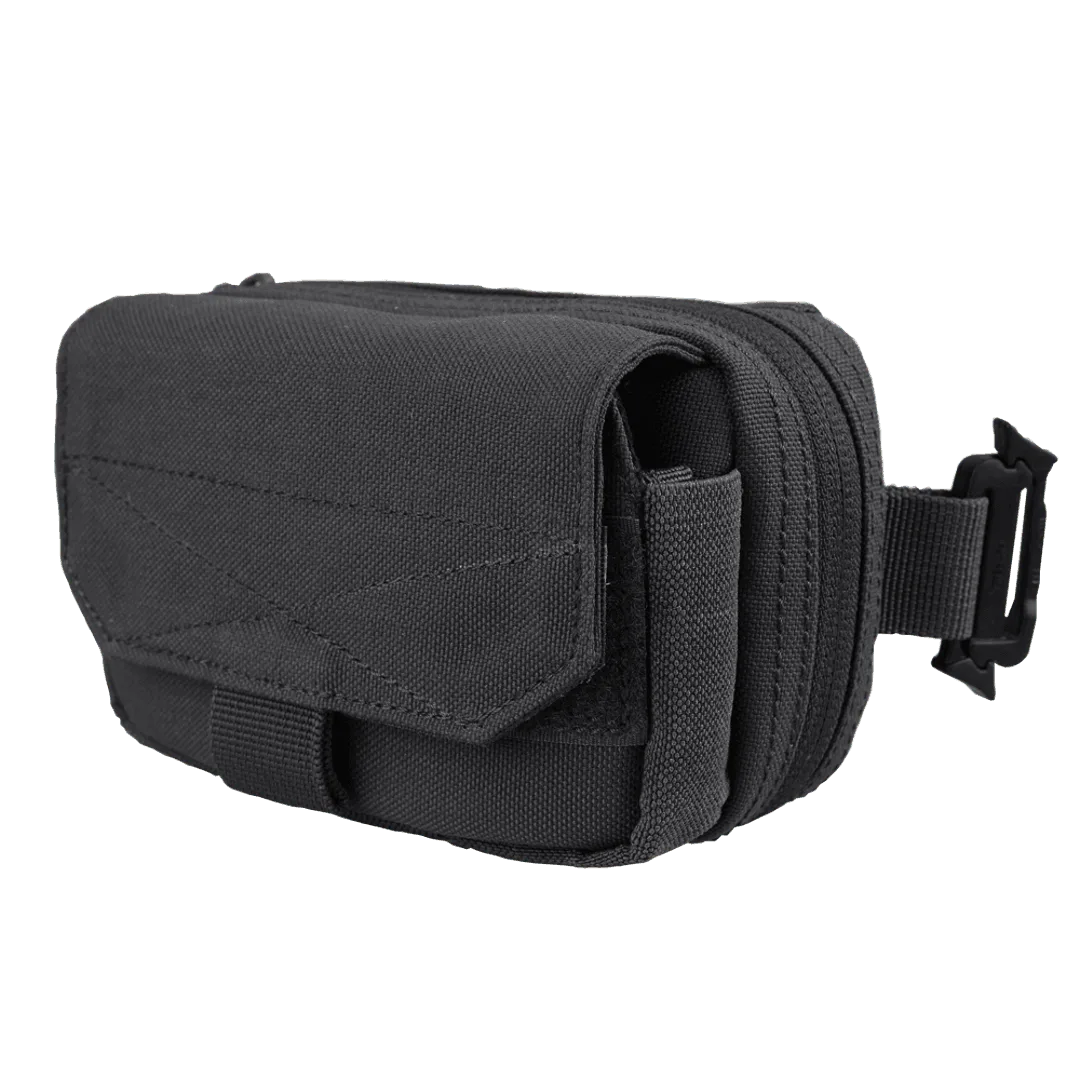
Digi Pouch
Carrying binoculars in the field means balancing quick access with protection. A dedicated binocular pouch usually has padding and a secure closure, while a general purpose pouch offers more flexibility for other gear. The right choice depends on how you carry and what else you need to bring.
This comparison looks at two practical options from Condor Outdoor: the Utility Leg Rig and the Digi Pouch. We'll break down the trade-offs so you can decide which pouch suits your optics and your mission.
Padded Protection vs Flexible Storage
The biggest difference between a binocular pouch and a general purpose pouch is padding. A padded pouch for optics—like the Utility Leg Rig's included pouches—absorbs bumps and keeps your binoculars from knocking against other gear. The Utility Leg Rig includes a small utility pouch with a hook-and-loop flap, which can hold a pistol mag, flashlight, or multi-tool, but it's not specifically designed for binoculars. However, its non-slip padded platform provides a stable base that can help protect optics when you attach a suitable pouch.
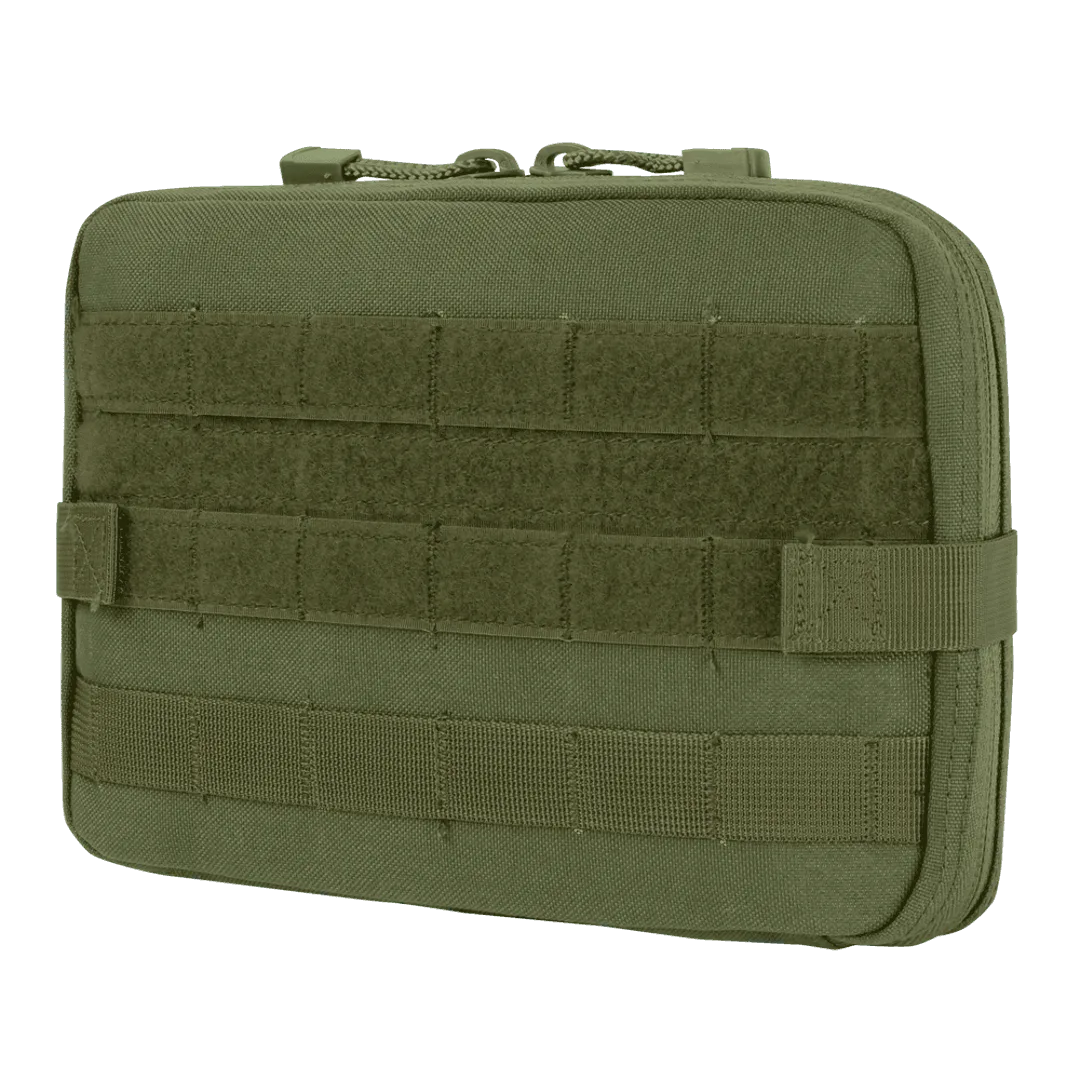
A general purpose pouch like the Digi Pouch has a dual zipper main compartment and a front tech pocket with a flap closure. It offers secure storage but lacks dedicated padding. If you want to use it for binoculars, you'll need to add your own soft wrap or foam. The trade-off is flexibility: the Digi Pouch can also hold a tablet, a camera, or other digital essentials, making it a multi-purpose carry option.
- Check the internal dimensions of any pouch against your binoculars before buying.
- If using an unpadded pouch, wrap optics in a soft cloth or neoprene sleeve for extra protection.
Carry Style: Leg Rig vs Pouch on Belt or MOLLE
How you carry affects comfort and accessibility. The Utility Leg Rig attaches to your leg with an adjustable strap and quick release buckle, keeping essentials at leg's reach. This is great for long hikes or active use where you want weight off your belt. Its non-slip platform helps prevent shifting, which is key when carrying heavier optics.
The Digi Pouch offers multiple carry options: MOLLE, belt, or carabiner. It can be mounted vertically on a MOLLE platform with two mod straps (sold separately). This makes it easy to attach to a backpack or vest. A belt-mounted pouch keeps optics at your waist, but it can bounce if not secured tightly. The trade-off is between a dedicated leg platform and a versatile pouch that can go almost anywhere.
- For hands-free carry on the move, the leg rig distributes weight better than a belt pouch.
- If you switch between different bags, the Digi Pouch's carabiner option is handy.
Capacity and Organization
Binoculars come in different sizes, from compact 8x25 models to full-size 10x42. The Utility Leg Rig includes detachable pouches: an open-top utility pouch for a radio or CAT tourniquet, a gadget pouch, and a small utility pouch with a flap. None of these are specifically sized for binoculars, so you may need to use the leg platform with a separate padded pouch that fits your optics.
The Digi Pouch has a main compartment with dual zippers and a front tech pocket. It's more spacious and can accommodate a wider range of items. If you need to carry a small pair of binoculars plus a phone and a multi-tool, the Digi Pouch can do it. But without padding, you'll rely on your own packing skills to keep optics safe.
- Measure your binoculars (length, width, height) before choosing a pouch.
- Consider whether you need quick access or maximum protection—this will guide your choice.
Trade-Offs at a Glance
- Protection: Utility Leg Rig's padded platform offers a stable base, but its included pouches are not padded for optics. Digi Pouch has no padding at all. Add a padded insert or wrap for optics with either option.
- Carry Position: Leg rig keeps weight off your belt and reduces bounce. Digi Pouch can mount on MOLLE, belt, or carabiner for versatility. Choose leg carry for active use, belt/MOLLE for modular setups.
- Versatility: Utility Leg Rig is specialized for leg carry with detachable pouches. Digi Pouch doubles as a digital organizer for tablet or camera. Pick the Digi Pouch if you need multi-purpose storage beyond optics.
Product Facts
- Utility Leg Rig: Non-Slip platform designed for custom pouch configurations, keeping essentials at leg's reach. Features include a non-slip padded drop leg platform, fully adjustable leg strap with quick release buckle, and included detachable pouches. Provides a stable base for attaching a padded pouch that can protect binoculars, while keeping them accessible at your leg.
- Digi Pouch | SALE: Secure and accessible storage for digital devices. Features a front tech pocket with flap closure, dual zipper main compartment, and multiple carry options: MOLLE, belt, carabiner. Offers flexible carry and secure storage, but lacks built-in padding, so you must add your own protection for optics.
Which Should You Choose?
Best for
- Hunters and hikers who need hands-free carry and a stable platform for a padded optics pouch.
- Users who want a dedicated leg rig that can be customized with their own padded pouch.
Not for
- Those who need built-in padding for binoculars—neither option provides it, so consider a purpose-built padded binocular case.
- Minimalists who want a single pouch for multiple uses—the Digi Pouch is more versatile but still requires extra padding for optics.
Both the Utility Leg Rig and the Digi Pouch have their strengths. If you prioritize stability and leg carry, the Utility Leg Rig is a solid foundation. If you need flexibility and don't mind adding your own padding, the Digi Pouch offers more carry options. Ultimately, the best choice depends on your carry style and how much protection your binoculars need.