Why Switch to Biodegradable Wooden Spoons?
If you run a café, takeaway, or event catering, the cutlery you choose says a lot about your business. Plastic spoons are cheap, but they're increasingly regulated and leave a lasting environmental footprint. Biodegradable wooden spoons offer a practical alternative: they're strong enough for hot food, naturally compostable, and made from renewable birchwood.
The Eazi-Pak Biodegradable Wooden Spoons (100-pack) are a good example of what to look for. They're crafted from food-grade birchwood, sanded smooth to avoid splinters, and designed to resist bending or snapping even with hot dishes. At 160mm (6 inches), they're a standard dessert spoon size that works for most catering settings.
What the Eazi-Pak Spoons Offer
-
Biodegradable Wooden Spoons (100): 100% compostable and biodegradable — fully eco-compliant. This means they break down naturally in commercial composting, helping you meet single-use plastics regulations and reduce waste.
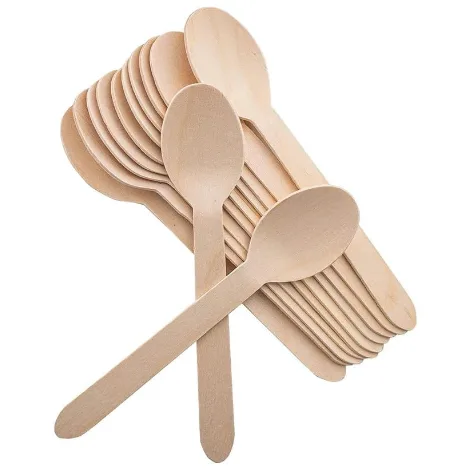
Biodegradable Wooden Spoons (100)
-
Biodegradable Wooden Spoons (100): Crafted from food-grade birchwood, sanded to a smooth, splinter-free finish. A smooth finish ensures a pleasant mouthfeel and safe use, which is critical for customer satisfaction in food service.
-
Biodegradable Wooden Spoons (100): Resistant to bending or snapping even with hot foods. Unlike some wooden or compostable alternatives, these spoons hold up in hot soups, stews, or coffee, so you won't get complaints about broken cutlery.
Wooden Spoons vs. Other Disposable Options
When choosing disposable cutlery, you typically have three material options: plastic, compostable plastic (PLA), and wood. Each has trade-offs.
- Plastic spoons: Cheapest upfront, but many regions now ban or restrict single-use plastic cutlery. They don't biodegrade and contribute to microplastic pollution.
- Compostable PLA spoons: Made from plant-based materials, but they require industrial composting facilities to break down. They can be brittle and may soften in hot liquids.
- Wooden spoons (like Eazi-Pak): Made from natural birchwood, fully compostable, and strong enough for hot food. They have a natural look that many customers prefer. The trade-off: slightly higher cost per unit than plastic, but comparable to PLA.
How to Choose the Right Wooden Spoon for Your Business
Not all wooden spoons are the same. Here are a few factors to consider when buying in bulk:
Size: The Eazi-Pak spoons are 160mm (6 inches), which is a standard dessert spoon length. This works well for most hot and cold foods, but if you serve larger portions or deep cups, you might want a longer spoon.
Finish: Look for smooth-sanded, splinter-free spoons. Rough edges can lead to complaints or even safety issues. The Eazi-Pak spoons are explicitly described as smooth-sanded.
Strength: Confirm the spoons can handle hot food without bending. The Eazi-Pak spoons are stated to be resistant to bending or snapping, even with hot foods.
Compostability: Ensure the spoons are certified compostable and biodegradable. The Eazi-Pak spoons are 100% compostable and biodegradable, compliant with UK single-use plastics legislation.
Cost and Bulk Buying Considerations
The Eazi-Pak Biodegradable Wooden Spoons (100-pack) have a catalog price of USD 0.85 (compared to USD 1.39), making them a cost-effective choice for bulk orders. When buying for a catering operation, consider the volume you need per event or per day. A 100-pack is convenient for small to medium events, but for large gatherings, you may want to order multiple packs. The product page notes that you can mix and match across the full cutlery range to qualify for free UK delivery on orders over £70.
Also, consider the full range: Eazi-Pak offers matching wooden forks (160mm) and knives (165mm), as well as wooden coffee stirrers. Stocking a complete set ensures a consistent, eco-friendly look across your service.
What the Supplied Information Doesn't Cover
While the product details confirm the spoons are food-grade, compostable, and strong, they don't specify a maximum temperature resistance or a recommended shelf life. If you need spoons for extremely hot oil or prolonged contact with acidic foods, you may want to test a sample first. Additionally, the compostability claim assumes access to an industrial composting facility; home composting conditions vary, so results may differ.