Start with the right expectation: clean, not stripped
Bioglycolic® Oily Skin Cleanser is a targeted cleanser for oily skin types, built around the brand's signature glycolic acid complex. The formula is designed to gently exfoliate and purify while helping manage excess oil and shine. The goal is a fresh, clean feel—not tightness or dryness.
Because the supplied product information does not include a full ingredient list, pH, or specific usage frequency, this guide focuses on practical ways to use the cleanser conservatively. You will find a simple routine, checkpoints for judging whether it is working, and honest notes on what the record does not confirm.
What the Bioglycolic® Oily Skin Cleanser record confirms
-
Bioglycolic® Oily Skin Cleanser: Formulated with the brand's signature glycolic acid complex, this cleanser helps to gently exfoliate and purify the skin, leaving it feeling clean and refreshed. This is the core action to expect: exfoliation and purification, not aggressive oil removal.
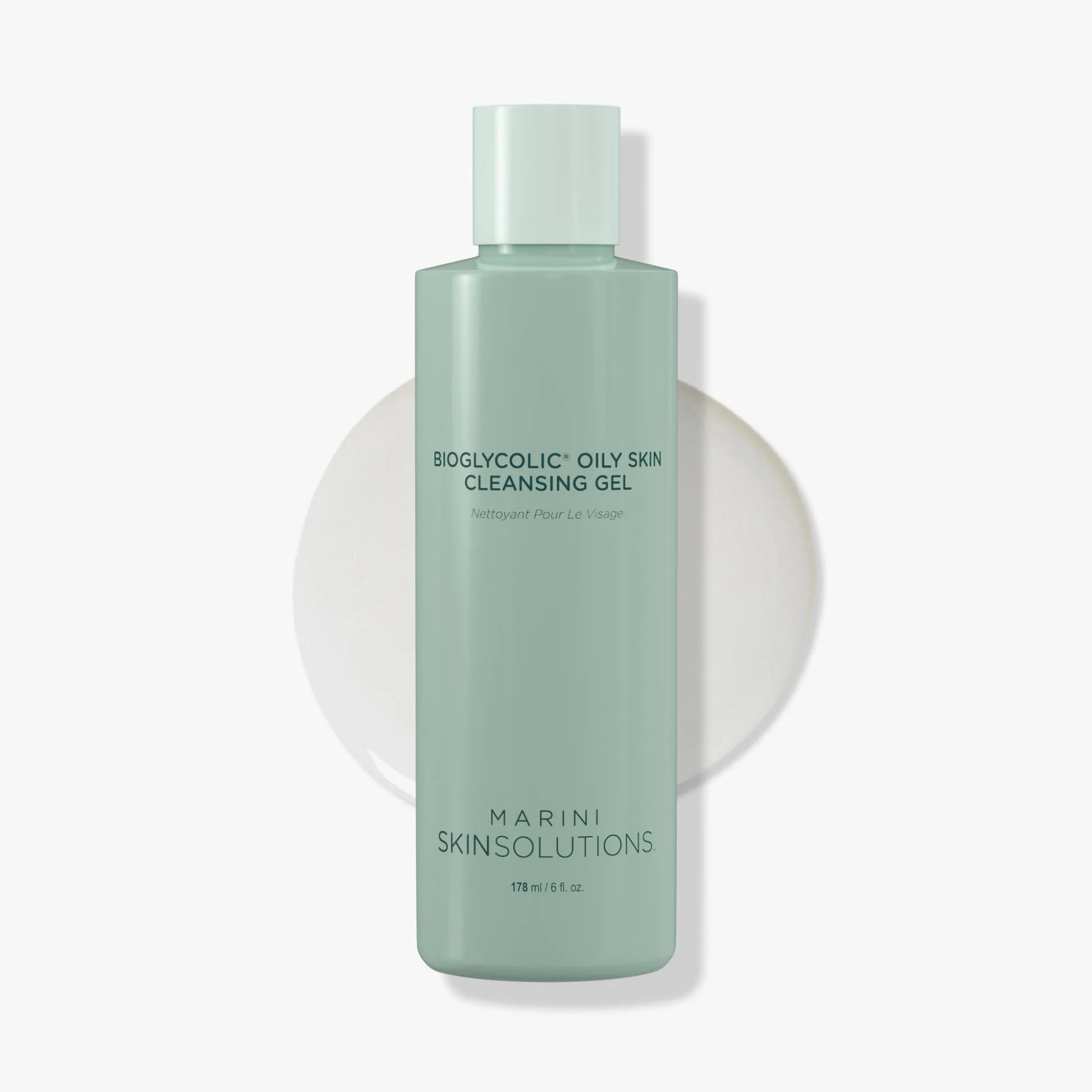
Bioglycolic® Oily Skin Cleanser
-
Bioglycolic® Oily Skin Cleanser: Specifically developed for oily skin to help manage excess oil and shine. It is intended for oily skin, so pairing it with drying products or overusing it can work against the goal.
-
Bioglycolic® Oily Skin Cleanser: Contains Bioglycolic® complex, a blend of glycolic acid and botanical extracts known for their exfoliating and clarifying benefits. The exfoliating action comes from this complex, which is why frequency and amount matter more than scrubbing.
-
Bioglycolic® Oily Skin Cleanser: Helps to unclog pores and smooth the skin's texture for a clearer, more balanced complexion. These are the intended cosmetic benefits to watch for over time, not instant results.
-
Bioglycolic® Oily Skin Cleanser: Ideal for daily use as part of a skincare regimen to maintain a fresh, matte finish. The record describes daily use as part of a regimen; it does not specify a number of times per day or a maximum duration.
A conservative way to cleanse oily skin with glycolic acid
The supplied record does not include step-by-step instructions, so these are general practices for using a glycolic acid cleanser without over-drying. Adjust based on how your skin feels, and stop if you notice persistent tightness or irritation.
- 1. Start with dry or damp skin, not a full lather: Use a small amount of cleanser—about the size of a pea to a small coin—and add water gradually. A little goes further than you expect with a concentrated glycolic cleanser.
- 2. Keep contact brief: Massage gently for a short time, then rinse thoroughly. The record does not specify a contact time, so avoid leaving the cleanser on the skin like a mask.
- 3. Use lukewarm water: Hot water can make skin feel drier. Lukewarm water is a simple way to keep the cleanse comfortable.
- 4. Pat dry and follow with moisturizer: Apply a moisturizer while skin is still slightly damp to support the skin barrier. The record does not name a specific moisturizer, so choose one that suits your skin.
- 5. Begin with once daily, then assess: The record describes daily use, but not how many times per day. Starting with one cleanse per day—often in the evening—lets you see how your skin responds before increasing frequency.
How often to use a glycolic cleanser for oily skin
The record says the cleanser is ideal for daily use as part of a skincare regimen, but it does not specify a maximum frequency or a schedule for sensitive skin. Use the following as a practical framework, not a manufacturer instruction.
- Once daily is a reasonable starting point: For many oily skin types, one cleanse per day with a glycolic cleanser is enough to start. You can use it in the morning or evening, depending on when your skin feels oiliest.
- Twice daily may be too much for some: If your skin feels tight, looks flaky, or stings after cleansing, reduce to once daily or every other day. The record does not confirm that twice-daily use is appropriate for all skin types.
- Watch for signs of over-drying: Persistent tightness, rough patches, or increased oil production after cleansing can signal that your routine is too drying. These are general signs, not product-specific warnings.
- Do not stack with other exfoliants without care: If you already use a leave-on exfoliant, a retinoid, or acne treatment, introducing a glycolic cleanser at the same time can increase the chance of irritation. The record does not provide compatibility guidance, so introduce one new product at a time.
Where it fits in an oily skin cleansing routine
A simple routine helps you judge whether the cleanser is working. Use Bioglycolic® Oily Skin Cleanser as your cleansing step, then follow with a moisturizer. In the morning, finish with sunscreen. In the evening, you can use the cleanser after removing makeup or sunscreen with a separate remover if needed.
If you use a toner, serum, or treatment, apply it after cleansing and before moisturizer. The record does not specify layering rules, so keep the rest of your routine gentle and avoid adding multiple new exfoliating products at once.
Checkpoints for judging whether it is working
The record describes intended benefits such as a clearer, more balanced complexion and a fresh, matte finish. These are cosmetic outcomes that typically develop over time. Use these checkpoints to decide whether to continue, adjust frequency, or stop.
- Skin feels clean but not tight: A comfortable post-cleanse feel is a good sign. If your skin feels stripped, use less product or reduce frequency.
- Oiliness is managed, not eliminated: The goal is to help manage excess oil and shine, not to remove all oil. Some shine throughout the day is normal.
- Texture looks smoother over weeks, not days: Exfoliating cleansers work gradually. The record does not promise a timeline, so give your skin time before judging results.
- No persistent redness or stinging: Mild tingling can happen with glycolic acid, but persistent redness or stinging is a reason to stop and reassess. The record does not include warning signs, so treat irritation as a personal signal.
What this guide cannot tell you
The supplied product record does not include a full ingredient list, pH, patch-test instructions, or a maximum usage frequency. It also does not specify whether the cleanser is appropriate for sensitive skin or for use with other active ingredients. If you have a skin condition or are unsure, consult a qualified professional.
The record does not confirm that the cleanser prevents acne or treats any medical condition. It describes cosmetic benefits: exfoliating, purifying, helping to unclog pores, and smoothing texture. Use it as part of a gentle routine and adjust based on your own experience.