Quick answer
Choose biotin if your main goal is supporting healthy hair and strong nails, especially when you prefer a plant-derived B vitamin. Choose vitamin E if you want antioxidant support for your skin and overall wellness, particularly if you value a formula designed for bioavailability.
Why the two aren't interchangeable
Biotin (vitamin B7) is a water-soluble vitamin that works at the cellular level to support healthy hair, strong nails, and optimal metabolism. Vitamin E is a fat-soluble antioxidant that helps combat oxidative stress and nourish your skin. Because they play different roles, the better choice depends on whether you're targeting hair and nail structure or skin antioxidant protection.
Dose and form trade-offs
Global Healing Biotin provides 2,500 mcg per serving and is extracted from organic Sesbania, a plant source. That dose is well above typical daily needs, so it's important to consider whether you already get biotin from food or other supplements. Vitamin E delivers 15% α-tocopherol and uses MicroSomal® Technology for optimal potency and bioavailability. The trade-off is that vitamin E is fat-soluble, so it should be taken with a meal containing fat for best absorption, while biotin can be taken with or without food.
When combining makes sense—and when it doesn't
Some people may benefit from both nutrients if they have separate goals for hair/nails and skin antioxidant support, but there's no evidence that combining them enhances results. More isn't always better: biotin can interfere with certain lab tests, and high-dose vitamin E may not be appropriate for everyone. If you're taking other supplements or medications, check with your healthcare provider before layering in both.
Key trade-offs to weigh
- Goal: hair and nails vs. skin antioxidant: Biotin is positioned for healthy hair, strong nails, and metabolism; vitamin E is an antioxidant that nourishes skin and combats oxidative stress. Match the supplement to your primary beauty concern.
- Source and dose: Biotin is plant-extracted from organic Sesbania at 2,500 mcg per serving; vitamin E is 15% α-tocopherol with MicroSomal® Technology. Consider whether you prefer a plant-sourced B vitamin or a technology-enhanced antioxidant.
- Absorption needs: Vitamin E is fat-soluble and should be taken with a meal containing fat; biotin is water-soluble and can be taken any time. Factor in your daily routine and meal patterns.
Product facts
-
Biotin: Biotin provides 2,500 mcg per serving, extracted from organic Sesbania. A plant-derived, high-potency option for those focused on hair and nail support.
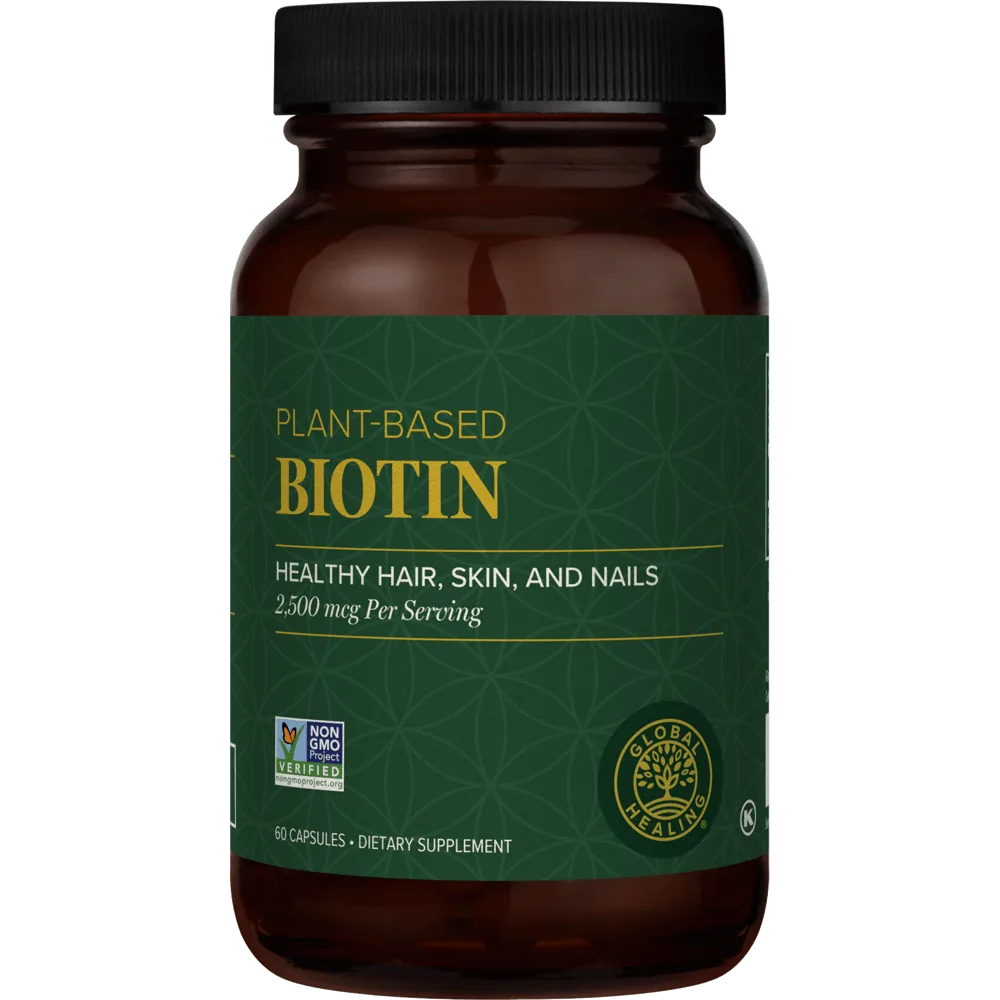
Biotin
-
Vitamin E: Vitamin E contains 15% α-tocopherol and uses MicroSomal® Technology for optimal potency. Formulated for bioavailability, making it a practical choice for skin antioxidant support.
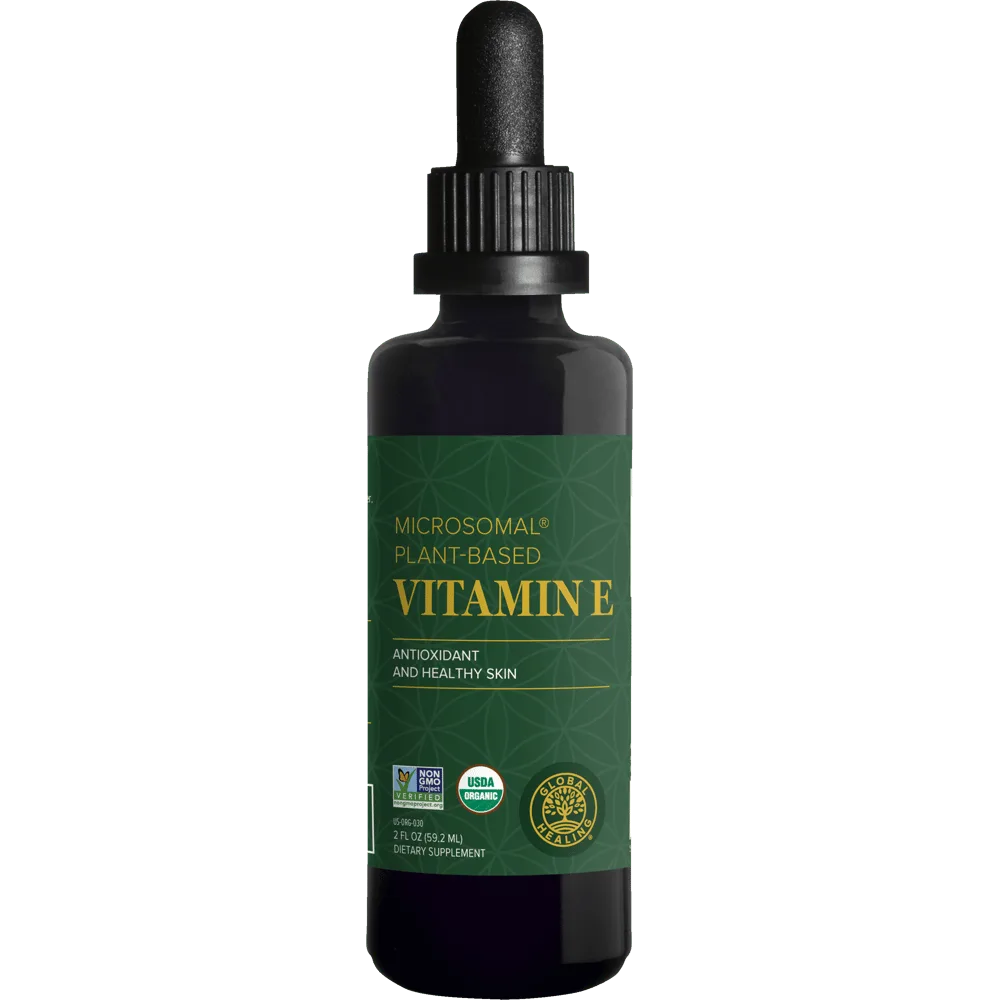
Vitamin E
Which one fits you?
Best for
- People focused on supporting healthy hair and strong nails
- Those who prefer a plant-derived biotin from organic Sesbania
Not for
- Anyone looking primarily for skin antioxidant support
- People who already take a high-dose biotin supplement or have concerns about biotin interference with lab tests