Quick answer
Choose Birch Brick Willow if you want a green-toned feature wall with a softer, nature-inspired feel; choose Birch Brick Pebble if you prefer a neutral grey that grounds bolder furniture and artwork. Both are 20cm x 10cm brick-effect tiles with the same abstract Scandi pattern, so the real decision is colour and how you rotate them.
Colour is the only real difference
Both tiles share the same 20cm x 10cm brick format and the same abstract design derived from natural textures. That means your choice comes down to Willow’s green vs Pebble’s grey. Willow reads as a soft, organic green that brings a garden or coastal note indoors; Pebble is a warm-leaning grey that behaves more like a neutral backdrop. In a small room, Pebble tends to recede, while Willow adds a gentle colour statement without becoming the loudest thing in the space.
Layout freedom changes the look more than the colour
Because each tile can be placed a different way round, the same product can produce a calm running-bond wall or a dynamic, patchwork-like feature. Stacking the tiles vertically emphasises wall height and lengthens the room visually; intermingling orientations creates a more individual, textured result. This matters for a brick tile feature wall because the pattern is abstract rather than a literal brick, so rotation is your main tool for controlling how busy the wall feels. Decide on the layout before you commit to Willow or Pebble—a busy layout in Willow will feel more energetic than the same layout in Pebble.
Where each colour works harder
Willow suits rooms that already have natural materials—wood, rattan, linen—and wants a feature wall that feels connected to the garden or coast. It can make a north-facing room feel cooler, so pair it with warm lighting or timber tones. Pebble is the safer choice in open-plan spaces or rooms with strong art and furniture, because it lets those elements lead. Neither tile is inherently better; the trade-off is personality versus flexibility.
Trade-offs to weigh before you buy
- Colour impact vs neutrality: Willow adds a visible green note that can warm or cool a room depending on light; Pebble stays neutral and recedes. If you want the wall to be the feature, Willow does more of that work; if you want your furniture to be the feature, Pebble is the quieter choice. View samples in the room’s own light before deciding—green can shift more than grey.
- Layout complexity vs calm: Rotating tiles randomly or intermingling orientations creates a dynamic, individual wall but demands more planning and dry-laying. A stacked or consistent orientation is faster to install and gives a cleaner, height-emphasising result. The same tile can look busy or serene depending on this decision. Dry-lay a 1m² section in both orientations before fixing anything.
- Price difference vs budget: At catalog prices, Willow is listed at USD 3.21 and Pebble at USD 3.57 per tile, with comparison prices of USD 5.10 each. The gap is small per tile but adds up across a full wall, so factor it in if you are tiling a large area or ordering extras for cuts. Order 10–15% extra for cuts and layout changes, whichever colour you choose.
Product facts
-
Birch Brick Willow: 20cm x 10cm Scandi-inspired Birch tile in Willow, with an abstract design reminiscent of natural textures. The green tone and organic pattern make it a natural fit for rooms where you want the wall to feel softer and more connected to nature.
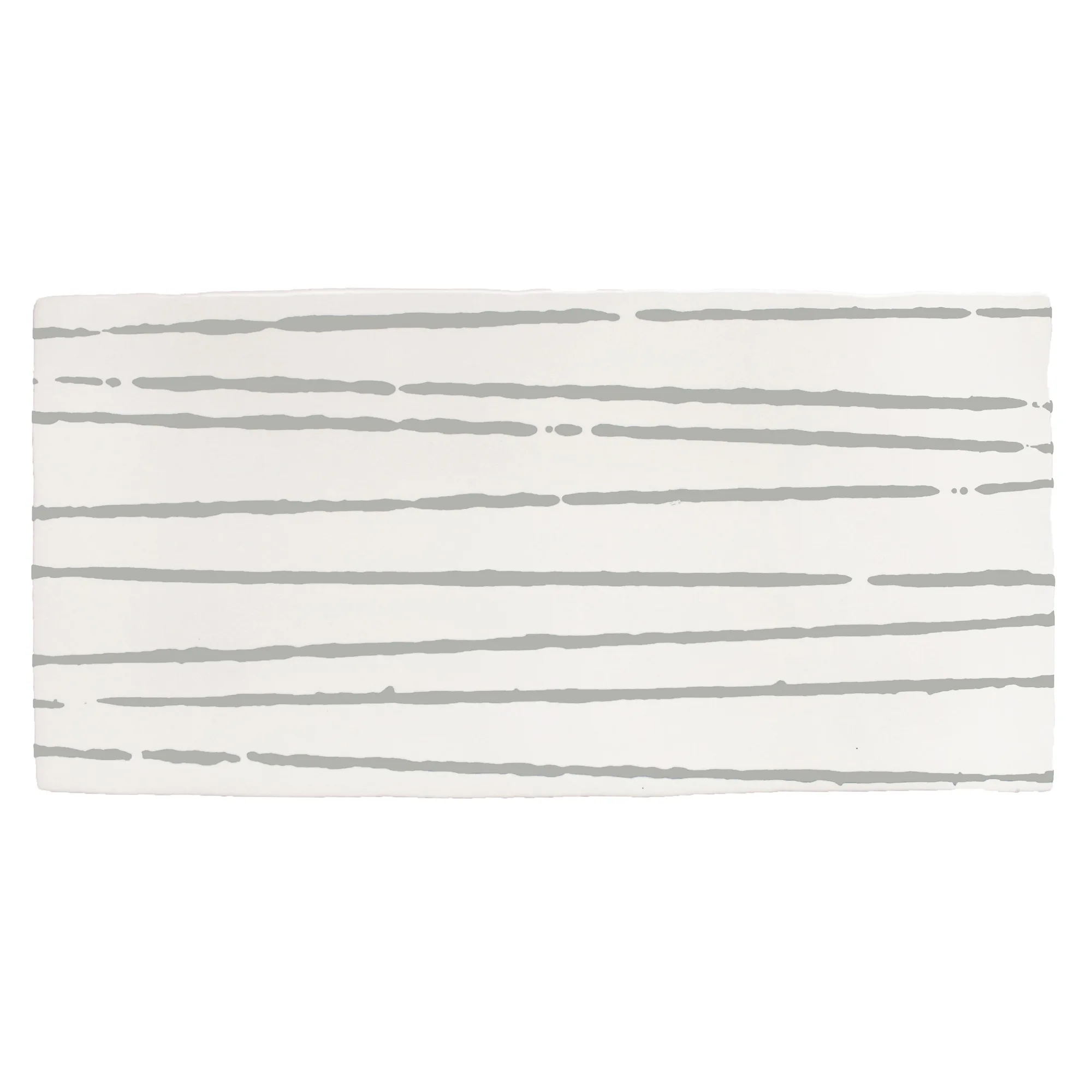
Birch Brick Willow
-
Birch Brick Pebble: 20cm x 10cm Scandi-inspired Birch tile in Pebble grey, with the same abstract design. The grey neutral keeps the feature wall calm and lets furniture or artwork take the lead without competing.
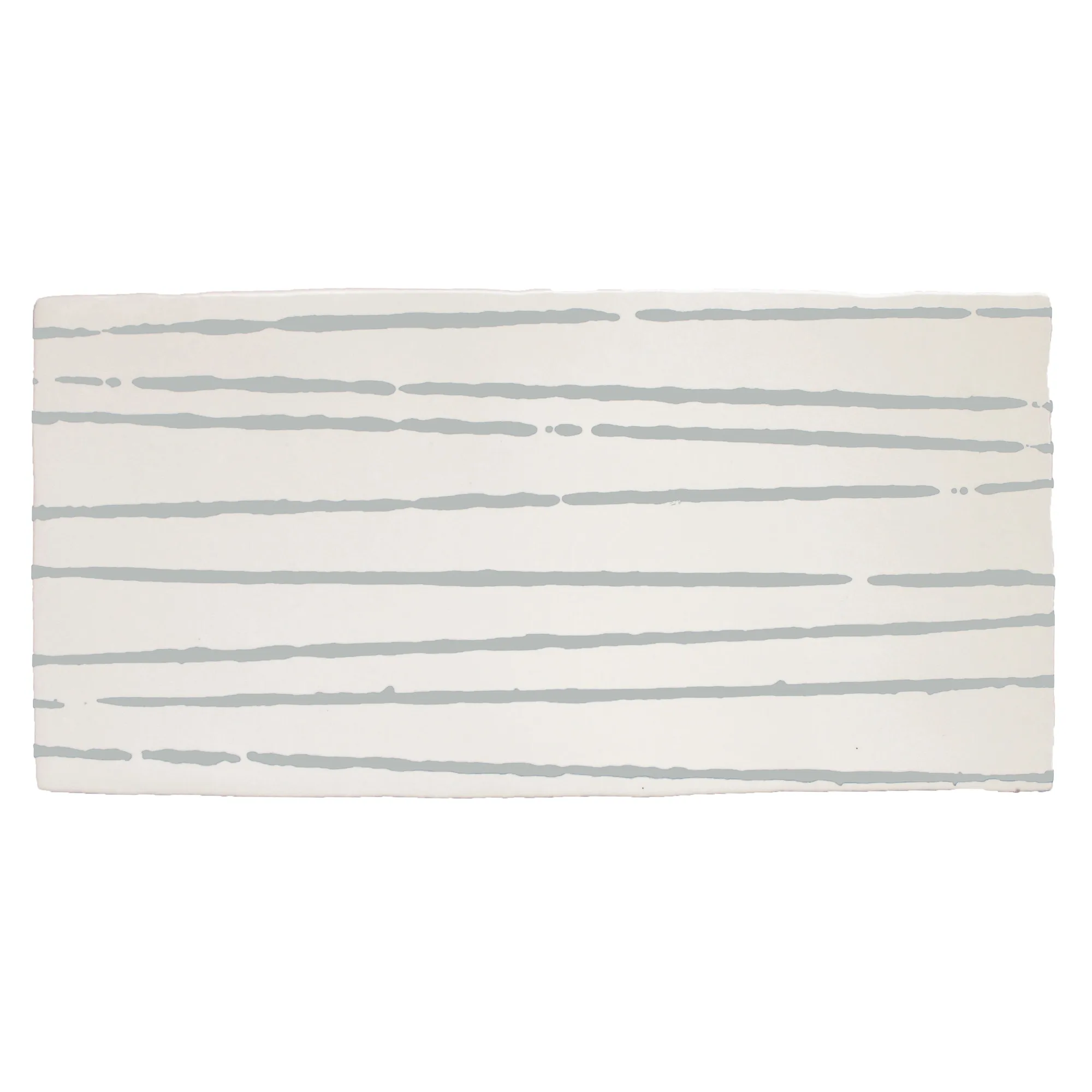
Birch Brick Pebble
Which tile is right for your feature wall?
Choose Willow if…
- You want a green-toned wall that feels connected to garden or coastal interiors.
- Your room already uses natural wood, rattan, or linen and you want the tile to echo those textures.
- You are happy to plan a rotated or stacked layout to make the most of the abstract pattern.
Choose Pebble if…
- You want the feature wall to stay neutral so bold furniture or artwork leads.
- Your room is small or north-facing and you prefer a colour that recedes rather than adds coolness.
- You want the simplest possible layout without worrying about colour shifts under different lighting.