The world of backyard birdwatching has been quietly undergoing a technological revolution, and 2026 marks a pivotal year for bird feeder innovation. Smart devices, solar efficiency, and community science are converging to transform how we observe, protect, and enjoy our feathered visitors. Whether you are a seasoned birder or a curious beginner, understanding these trends can help you choose the right equipment and deepen your connection with nature.
Leading the charge in this space is Birdbuddy, a brand that has consistently pushed the envelope by blending elegant design with cutting-edge technology. From solar-powered units to AI-driven species recognition, Birdbuddy's lineup reflects the broader industry shift toward sustainability and connectivity. In this roundup of industry news, we highlight the most significant bird feeder technology trends of 2026 and show you how to make the most of them.
AI-Powered Bird Identification Comes of Age
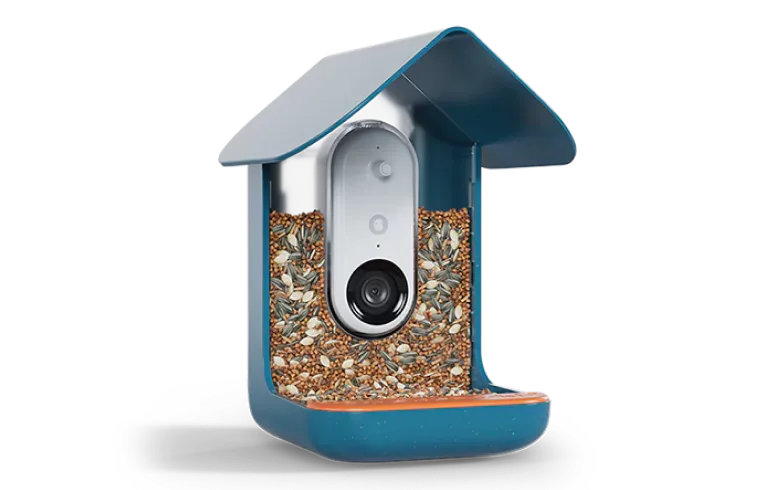
One of the most exciting developments in bird feeder technology is the integration of artificial intelligence. Smart feeders now use built-in cameras and machine learning algorithms to identify bird species in real time, sending instant notifications to your phone. This feature not only enriches the birdwatching experience but also contributes valuable data to citizen science projects. In 2026, accuracy rates have improved dramatically, thanks to larger training datasets and faster on-device processing.
Birdbuddy's flagship model, the Birdbuddy Pro, exemplifies this trend. It automatically captures high-resolution images and identifies hundreds of common North American and European species. The accompanying app lets you view your bird log, track visiting patterns, and share your sightings with a global community. For those who want an even more immersive experience, pairing the Birdbuddy Pro with the Perch Extender gives birds a stable landing spot right in the camera's frame, ensuring clear and consistent identification.

Perch Extender
- Look for feeders with edge AI processing for instant, offline identification.
- Some models now support seasonal migration alerts based on your region.
Solar Integration: Powering Your Feeder Sustainably
Sustainability is a major theme in 2026, and solar-powered bird feeders are becoming the norm rather than the exception. Gone are the days of worrying about battery changes or tangled power cords. Modern solar panels are more efficient even in low light, allowing feeders to operate continuously through cloudy days. This is a game-changer for remote or hard-to-reach feeding stations where access to power is limited.
Birdbuddy offers several solar solutions, with the Smart Hummingbird Feeder Solar Roof being a standout choice for hummingbird enthusiasts. Its integrated solar panel trickle-charges the internal battery, keeping the camera and connectivity alive for weeks. For a fully integrated solar experience, the Birdbuddy Pro Solar combines the advanced AI features of the Pro with a large-capacity solar roof, making it an all-in-one solution that requires zero external power. These products reflect a broader industry commitment to reducing electronic waste and promoting energy independence.
- Ensure the solar panel has a protective coating to withstand rain and bird droppings.
- Most 2026 solar feeders include a low-battery warning via the companion app.
Connectivity and Community Science: From Backyard to Global Database
Another key trend is the seamless integration of bird feeders with smart home ecosystems and community science platforms. Feeder data – including species counts, visit durations, and feeding times – can be automatically uploaded to databases like eBird or Merlin. This transforms every backyard feeder into a tiny research station, helping ornithologists track population shifts and migratory patterns.
Birdbuddy feeders, such as the Smart Hummingbird Feeder Pro, include built-in Wi-Fi and Bluetooth that sync effortlessly with the Birdbuddy app. The app also features a social feed where you can compare your visitors with others in your area. This social layer turns birdwatching into a collaborative hobby, encouraging conservation-minded behavior. By participating, you contribute to a growing body of citizen science data that influences real-world conservation policies.
- Choose a feeder that supports automatic data export to platforms like eBird.
- Many 2026 smart feeders now offer geotagging for precise location-based insights.
Accessory Innovations That Elevate the Experience
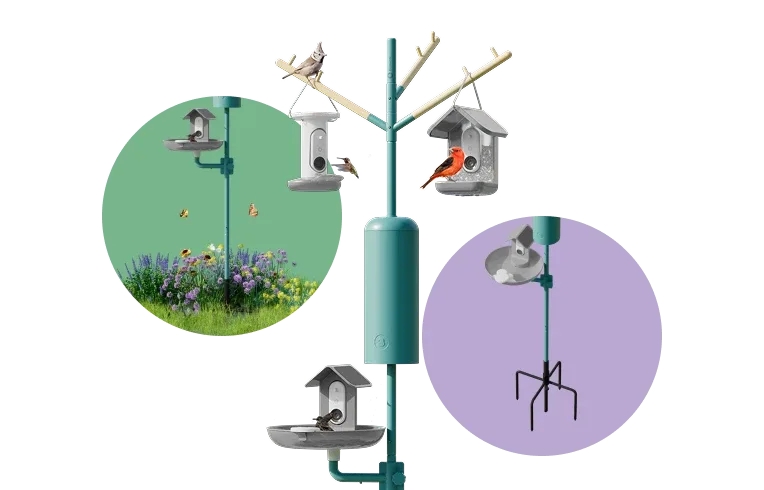
Beyond the core feeder, a wave of smart accessories is redefining what's possible in backyard bird feeding. These add-ons not only attract more species but also optimize feeding hygiene and durability. In 2026, users are increasingly looking for modular systems that can be customized to their specific environment and bird preferences.
Birdbuddy's Nature Station Essential is a prime example of this trend – it combines a seed tray, water source, and feeder mount in one elegant unit, making it easy to create a complete feeding hub. The Suet Ball Holder is another practical addition, designed to hold suet cakes or peanut balls safely, appealing to woodpeckers and nuthatches. And for those wanting to expand their feeding area, the Wall Mount allows secure attachment to fences, walls, or posts, freeing up ground space and deterring ground pests. These accessories show that innovation isn't limited to electronics – mechanical design and thoughtful engineering matter just as much.
- Opt for stainless steel or UV-resistant materials to extend accessory lifespan.
- Modular systems let you upgrade over time without replacing the entire setup.
As bird feeder technology continues to evolve in 2026, the focus remains on making birdwatching smarter, greener, and more social. Whether you're drawn to AI identification, solar independence, or community science, Birdbuddy offers a complete ecosystem to match your interests. Explore the Birdbuddy Pro Solar for a self-sustaining smart feeder that captures every visit while you focus on the joy of watching nature up close.